Does High Blood Sugar Accelerate Aging?
Understanding the Link Between Blood Sugar and Aging
Does high blood sugar accelerate aging? In many ways, yes. Persistently elevated blood sugar can contribute to oxidative stress, chronic inflammation, and cellular damage, all of which are closely linked to faster biological aging. Over time, these effects may influence skin quality, vascular health, metabolic function, and the long-term risk of age-related disease.
This matters far beyond diabetes. Blood sugar regulation affects healthspan, energy stability, inflammation, and key biomarkers associated with healthy aging. When glucose levels stay elevated too often, the body is exposed to more glycation and metabolic stress, which can gradually damage tissues and organs. That is why blood sugar control is increasingly viewed as an important part of longevity science. Learn more in our complete guide to longevity.
Understanding this relationship helps clarify why diet, exercise, sleep, and stress management matter so much for aging well. Stable blood sugar is not only important for disease prevention. It is also a practical way to protect the body from wear and tear that can accumulate over the years.
How High Blood Sugar Accelerates Aging: The Science
What are the biological effects of high blood sugar?
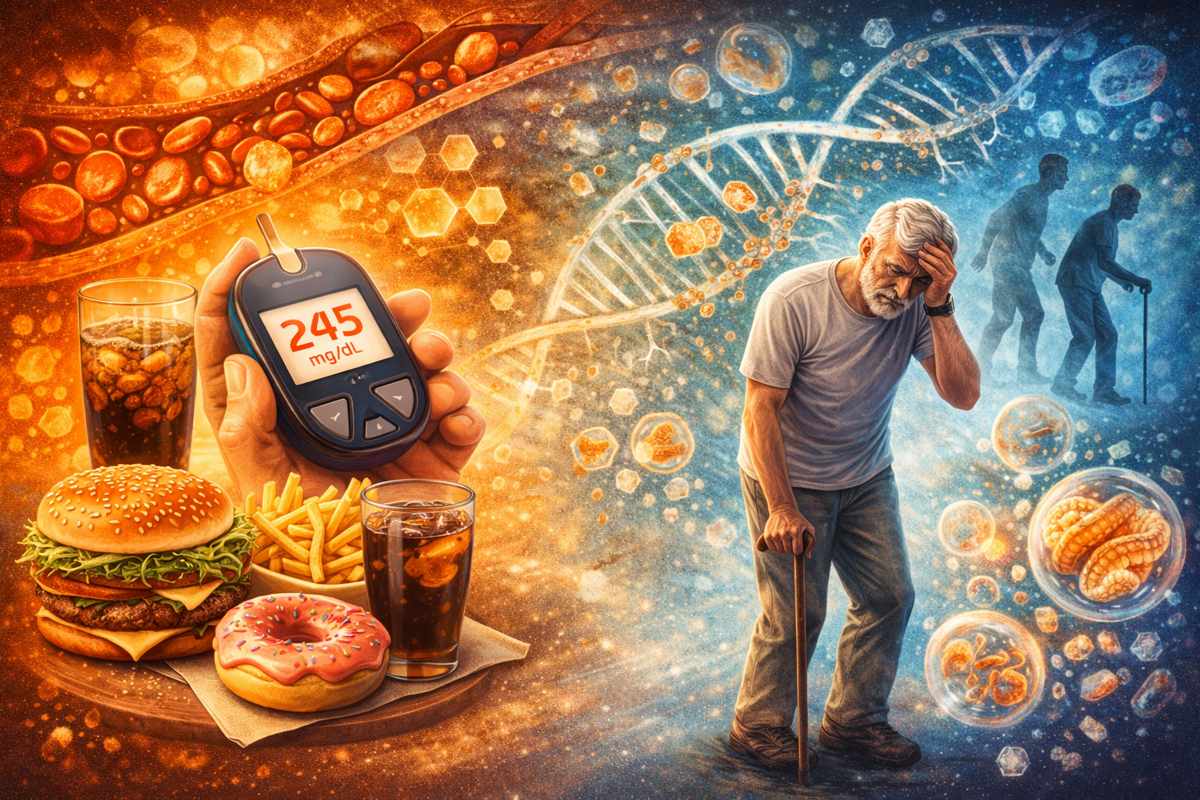
One of the clearest mechanisms is the formation of advanced glycation end-products, often called AGEs. These compounds form when excess glucose binds to proteins, fats, and other molecules in the body. AGEs can damage collagen and elastin, reduce tissue flexibility, and impair normal cellular function. This helps explain why chronically high blood sugar is linked to visible skin aging as well as internal aging of blood vessels, nerves, and connective tissue.
High blood sugar also promotes oxidative stress. Excess glucose can increase the production of reactive oxygen species, which damage DNA, proteins, and cell membranes. At the same time, elevated blood sugar may amplify chronic low-grade inflammation, another major driver of age-related decline. Together, glycation, oxidative stress, and inflammation create conditions that can accelerate biological aging across multiple systems.
This is one reason high blood sugar is associated with a greater risk of cardiovascular disease, insulin resistance, cognitive decline, and metabolic dysfunction. Rather than affecting a single organ, poor glucose control can influence the whole body, including the skin, brain, blood vessels, and immune system.
Does chronic high blood sugar speed up skin aging?
Yes, it can. Skin relies heavily on collagen and elastin to stay firm, smooth, and resilient. When blood sugar remains high over time, glycation can stiffen and weaken these structural proteins, making skin more prone to wrinkles, dullness, and reduced elasticity. This is one of the best-known visible examples of how high blood sugar accelerates aging.
High blood sugar may also impair collagen turnover and worsen inflammation in skin tissue. That combination can affect healing, texture, and overall skin quality. While skin aging is influenced by many factors, including sun exposure and smoking, blood sugar regulation is an often-overlooked part of the picture.
For that reason, stable glucose levels support more than metabolic health. They may also help preserve healthier skin aging over time, especially when combined with nutrient-dense food, regular exercise, good sleep, and overall anti-inflammatory lifestyle habits.
Practical Strategies to Support Healthy Blood Sugar
How to manage blood sugar to support healthy aging
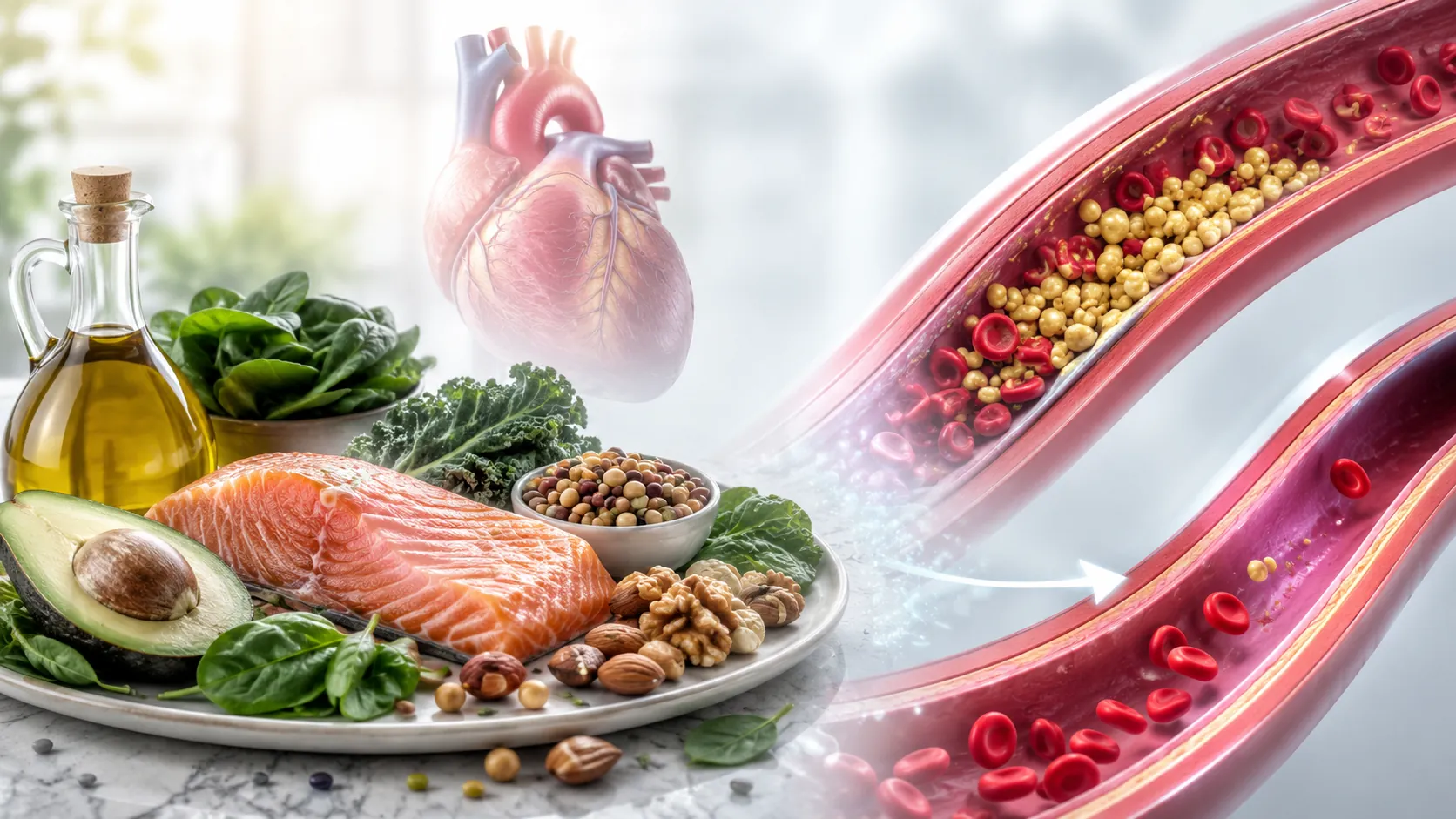
One of the most effective strategies is to build meals around whole, minimally processed foods. Fiber-rich vegetables, legumes, healthy fats, and adequate protein can slow digestion and reduce sharp glucose spikes. Replacing refined carbohydrates and sugary foods with more balanced meals can help improve blood sugar stability and reduce the metabolic stress associated with faster aging.
Regular physical activity is equally important. Exercise improves insulin sensitivity, helping muscles take up and use glucose more efficiently. Strength training, walking after meals, and consistent aerobic activity can all support better blood sugar control while also improving body composition, inflammation, and overall resilience.
Sleep and stress management also matter. Poor sleep and chronic stress can raise blood sugar by increasing cortisol and disrupting appetite regulation. That means blood sugar control is not only about carbohydrates. It is influenced by the full lifestyle picture, including circadian rhythm, recovery, movement, and emotional health.
Simple habits that can reduce glucose spikes
Small changes can make a measurable difference. Eating protein and fiber with carbohydrates, walking after meals, prioritizing whole-food meals, and avoiding constant snacking can all help reduce large swings in blood sugar. These habits are practical, sustainable, and directly relevant to both metabolic health and healthy aging.
Monitoring can also be useful, especially for those with prediabetes, metabolic syndrome, or a family history of diabetes. Blood tests such as fasting glucose, HbA1c, fasting insulin, and sometimes continuous glucose monitoring can provide insight into how well blood sugar is being controlled over time. These biomarkers can reveal issues long before overt disease develops.
A proactive approach is especially valuable because the effects of high blood sugar can accumulate gradually. Managing glucose earlier may help protect vascular health, reduce inflammation, and support better long-term healthspan.
Addressing Common Myths and Questions
Can the effects of high blood sugar on aging be reversed?
Some of the damage associated with high blood sugar can improve when glucose control improves, especially in the early stages. Lowering blood sugar can reduce inflammation, improve metabolic health, and slow further glycation. Better nutrition, exercise, weight management, and improved sleep can also help restore healthier insulin sensitivity.
However, not all damage is fully reversible. Long-term exposure to elevated glucose can leave lasting effects on blood vessels, nerves, skin structure, and organs. That is why early intervention matters. Preventing repeated glucose spikes is generally easier than undoing years of metabolic strain.
Is high blood sugar only a concern for people with diabetes?
No. Diabetes increases the risk significantly, but blood sugar levels do not need to reach diabetic ranges to influence aging biology. Repeated glucose spikes, insulin resistance, and chronically high-normal blood sugar may still contribute to inflammation, glycation, and other mechanisms associated with aging.
This is why blood sugar health matters for a much wider group of people. Anyone interested in longevity, metabolic health, or healthy aging can benefit from paying attention to blood sugar regulation.
Is sugar the only reason blood sugar affects aging?
Not exactly. Sugar intake matters, but the bigger issue is overall glucose control and insulin sensitivity. Total dietary pattern, meal composition, body composition, sleep, stress, and physical activity all influence how the body handles glucose. A broader lifestyle approach is usually more effective than focusing on sugar alone.
That wider perspective is also more consistent with modern longevity science, which sees aging as the result of overlapping processes such as inflammation, mitochondrial dysfunction, oxidative stress, and metabolic imbalance.
References and Resources
Throughout the research on High Blood Sugar Accelerates Aging, these resources help explain how glucose regulation, glycation, inflammation, and metabolic health affect aging biology:
Authoritative Sources on High Blood Sugar Accelerates Aging
- NIH – National Institute on Aging
nih.gov
Provides research-based information on aging mechanisms, metabolic health, and how chronic disease processes influence healthy aging.
- WHO – Diabetes and Aging
who.int
Offers global context on blood sugar control, diabetes risk, and the health consequences of poor metabolic regulation.
- Healthline – Effects of High Blood Sugar
healthline.com
A readable overview of how elevated blood sugar affects the body, including inflammation, energy, and long-term health risks.
- Medical News Today – Blood Sugar and Aging
medicalnewstoday.com
Summarizes research linking blood sugar levels to skin aging, disease risk, and metabolic decline.

- NCBI – Glycation and Aging
nih.gov
Explains how glycation and advanced glycation end-products contribute to cellular and tissue aging.
- Medscape – Managing Blood Sugar for Anti-Aging
medscape.com
Clinical commentary on glucose control, inflammation, and strategies that may support healthier aging.
- AARP – Aging Skin and Blood Sugar
aarp.org
Discusses how blood sugar, lifestyle, and glycation may influence visible skin aging and overall healthspan.
Frequently Asked Questions
Does high blood sugar really accelerate aging?
Yes. Persistently high blood sugar can accelerate aging by increasing glycation, oxidative stress, and inflammation. These processes damage tissues over time and are linked to faster biological aging, poorer skin quality, and greater risk of age-related disease.
Can better blood sugar control slow aging?
Better blood sugar control can help slow some of the mechanisms associated with aging. Stable glucose levels reduce metabolic stress, lower inflammation, and may decrease the formation of advanced glycation end-products that damage tissues over time.
Do only people with diabetes need to worry about this?
No. Diabetes increases the risk, but repeated blood sugar spikes and insulin resistance can still affect aging even before diabetes develops. Good glucose regulation is relevant for anyone interested in healthy aging and long-term metabolic health.
What are the best ways to reduce the aging effects of high blood sugar?
The most effective strategies include eating a balanced whole-food diet, increasing physical activity, improving sleep, managing stress, and maintaining a healthy body composition. Monitoring key biomarkers can also help identify problems early.
Conclusion
High blood sugar does not just affect diabetes risk. It also influences core aging mechanisms such as glycation, inflammation, oxidative stress, and tissue damage. Over time, these processes can contribute to visible aging, internal organ stress, and a shorter healthspan.
The encouraging part is that blood sugar is one of the more modifiable aspects of aging biology. Through better nutrition, regular movement, improved sleep, stress management, and metabolic awareness, it is possible to reduce some of the damage associated with chronically elevated glucose. Protecting blood sugar control is therefore one of the most practical strategies for healthier aging.
Find out more information about “High Blood Sugar Accelerate Aging”
Search for more resources and information:
Similar Posts
What Are the Best Supplements for Lowering Apob?
Table of Contents What Is ApoB and Why Does It Matter? The Best Supplements for Lowering ApoB How Each Supplement Works Lifestyle Factors That Support ApoB Reduction References and Resources Frequently Asked Questions Conclusion TL;DR: The supplements with the strongest evidence for lowering ApoB include omega-3 fatty acids, plant sterols and stanols, berberine, and niacin….
How Does Oxidative Stress Affect the Brain?
Table of Contents Understanding Oxidative Stress and Its Impact on the Brain Does Oxidative Stress Affect the Brain? How It Contributes to Neurodegeneration The Connection Between Oxidative Stress and Cognitive Decline Strategies to Mitigate Oxidative Stress and Protect Brain Health References and Resources Understanding Oxidative Stress and Its Impact on the Brain TL;DR: Yes, oxidative…
How Does Mtor Influence Aging?
Updated August 2026: I’ve been monitoring the latest breakthroughs in 2024-2025, and recent studies have solidified the role of mTOR as a key regulator of aging processes. Notably, new clinical trials are exploring targeted mTOR inhibitors to delay age-related decline, with early results showing promising improvements in cellular health and longevity markers. In my recent…
What Are the Best Supplements for Improving Hrv?
Table of Contents What Is HRV and Why Does It Matter for Longevity? The Best Supplements for Improving HRV How These Supplements Influence HRV Practical Considerations and Realistic Expectations References and Resources Frequently Asked Questions Conclusion What Are the Best Supplements for Improving HRV? TL;DR: Magnesium, omega-3 fatty acids, and adaptogenic herbs such as ashwagandha…
What Is the Best Apob Optimization Plan?
Table of Contents What Is ApoB and Why Does It Matter? Can ApoB Levels Actually Be Optimized? The Core Components of an ApoB Optimization Plan Key Strategies: Diet, Exercise, and Medication Monitoring and Adjusting Over Time References and Resources TL;DR: The best ApoB optimization plan combines dietary changes (reducing saturated fat, increasing fiber), regular exercise,…