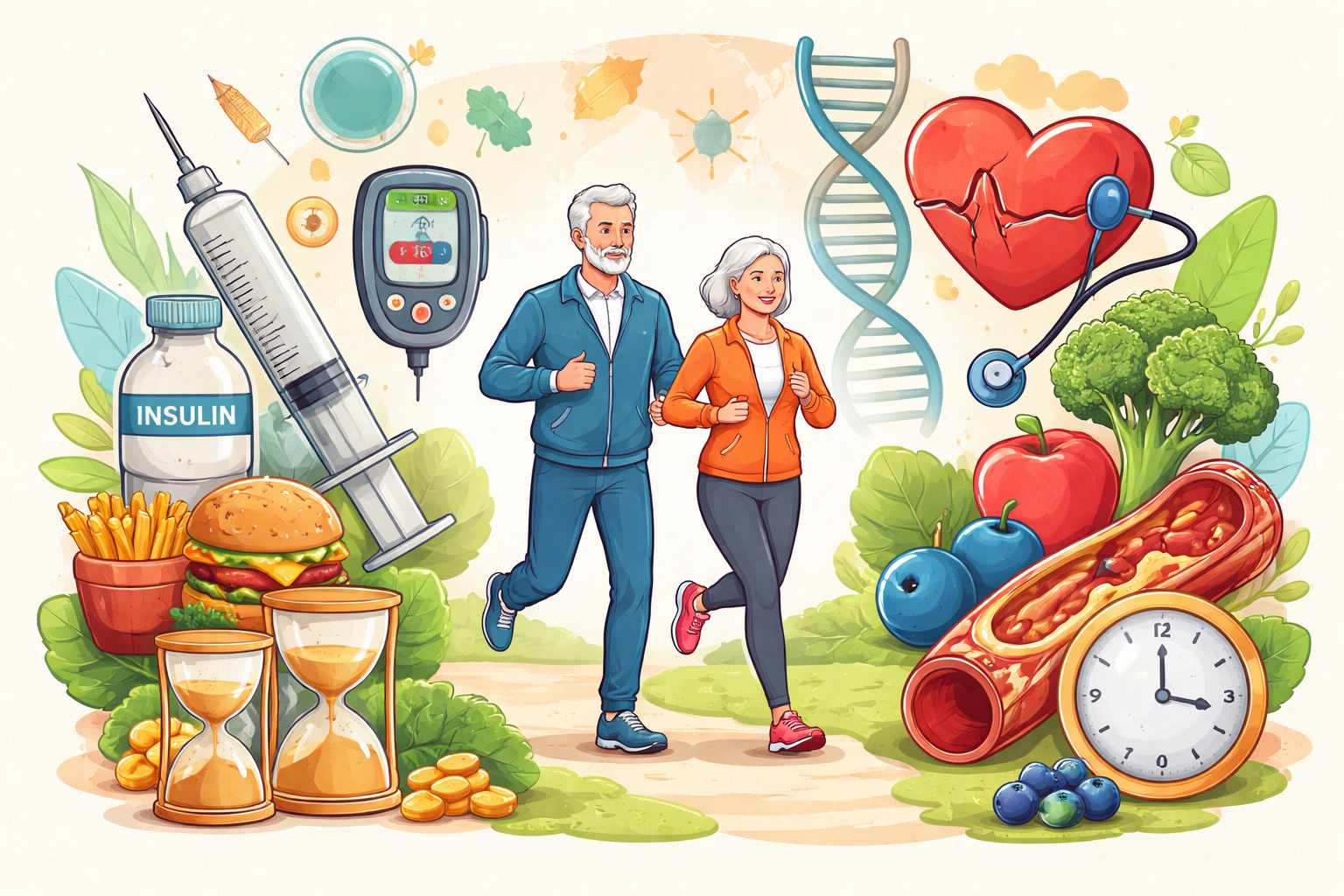
How Does Hyperinsulinemia Affect Longevity?
Understanding Hyperinsulinemia and Its Impact
Does Hyperinsulinemia Affect Longevity? In many cases, yes. Hyperinsulinemia refers to chronically elevated insulin levels in the bloodstream, often developing alongside insulin resistance, excess body fat, metabolic dysfunction, or prediabetes. Although insulin is essential for regulating blood sugar and nutrient storage, persistently high insulin can become a problem when the body is exposed to it for years.
This matters because insulin does far more than control glucose. It also influences inflammation, fat storage, cellular signaling, metabolism, and growth pathways linked to aging. Over time, chronically high insulin levels may contribute to cardiovascular disease, fatty liver, type 2 diabetes, and other conditions that reduce healthspan. In longevity science, hyperinsulinemia is increasingly seen as an important metabolic marker because it may reflect early dysfunction before blood sugar becomes obviously abnormal. Learn more in our complete guide to longevity.
Understanding this connection is useful because hyperinsulinemia often develops gradually and can go unnoticed for years. Unlike a sudden illness, it tends to build quietly through diet, inactivity, poor sleep, chronic stress, and weight gain around the abdomen. That makes early awareness valuable for anyone focused on healthy aging, metabolic health, and long-term disease prevention.
Does Hyperinsulinemia Affect Longevity? The Connection
High insulin levels are strongly associated with several chronic diseases that influence lifespan. These include cardiovascular disease, hypertension, type 2 diabetes, some cancers, and potentially cognitive decline. Hyperinsulinemia may not act alone, but it often sits at the center of a broader metabolic pattern involving insulin resistance, inflammation, abnormal lipids, and excess visceral fat. Together, these factors can accelerate biological wear and reduce resilience with age.
Does Hyperinsulinemia Increase Risk for Age-Related Disease?
Elevated insulin is linked to a higher likelihood of metabolic syndrome, a cluster of risk factors that includes abdominal obesity, high triglycerides, low HDL cholesterol, elevated blood pressure, and impaired glucose regulation. This cluster substantially raises the risk of heart disease and stroke. Because cardiovascular disease remains one of the leading causes of death worldwide, the relationship between insulin and vascular health is highly relevant to longevity.
Hyperinsulinemia may also influence disease risk through growth signaling. Insulin and related pathways can stimulate cell growth and reduce some protective stress responses when chronically elevated. In the wrong context, this may increase vulnerability to abnormal cell proliferation and other age-related problems. That is why managing insulin levels is often considered a core part of improving both healthspan and lifespan.
Can Hyperinsulinemia Be an Early Warning Sign?
Yes. One important point is that fasting glucose can remain normal for years while insulin is already elevated. In other words, hyperinsulinemia often appears before overt diabetes. That makes it a useful early signal of metabolic strain. Addressing it sooner may help reduce downstream damage to blood vessels, organs, and cellular function before more obvious disease develops.
For many people, this makes fasting insulin, triglycerides, waist circumference, blood pressure, and markers of metabolic flexibility more informative than glucose alone. Looking at the broader metabolic picture can help identify risk earlier and create more time for effective lifestyle change.
How Insulin Levels Influence Aging and Cell Health
Insulin does not simply affect blood sugar. It also influences inflammation, oxidative stress, mitochondrial function, nutrient sensing, and cellular aging pathways. This is where the question Does Hyperinsulinemia Affect Longevity becomes especially important from a biological standpoint.
Inflammation and Oxidative Stress
Chronically elevated insulin is often associated with low-grade systemic inflammation. Over time, this inflammatory state can contribute to damage in blood vessels, adipose tissue, and organs. Persistent inflammation is one of the major hallmarks of aging and is linked to a wide range of age-related conditions, including cardiovascular disease, cognitive decline, and reduced metabolic function.
Hyperinsulinemia can also worsen oxidative stress, which refers to an imbalance between reactive oxygen species and the body’s ability to neutralize them. Excess oxidative stress damages proteins, lipids, DNA, and mitochondria. When this damage accumulates over time, it can impair cell function and accelerate biological aging.
Mitochondrial Function and Metabolism
Mitochondria are central to energy production, exercise capacity, and cellular resilience. Poor insulin sensitivity and high circulating insulin are associated with reduced mitochondrial efficiency in several tissues. This can lead to lower metabolic flexibility, more fatigue, reduced glucose control, and a greater tendency to store energy rather than use it efficiently.
Because mitochondrial dysfunction is closely linked to aging, preserving insulin sensitivity is an important part of supporting healthy metabolism over time. Better insulin regulation often goes hand in hand with better physical energy, improved body composition, and stronger metabolic health.
Cellular Aging and Biological Age
Some research suggests that insulin resistance and hyperinsulinemia may be associated with faster biological aging, including changes in telomeres, inflammatory signaling, and impaired repair pathways. While aging is influenced by many variables, chronically elevated insulin appears to push the body toward a more metabolically stressed state. This is one reason why strategies that improve insulin sensitivity are often discussed in the context of healthy aging.
Put simply, persistently high insulin may shorten the period of life spent in good health, even before it clearly shortens lifespan. That effect on healthspan is one of the main reasons hyperinsulinemia matters.
Lifestyle Factors and Managing Hyperinsulinemia for Longevity
The encouraging part is that hyperinsulinemia often responds well to lifestyle change. Because it is strongly influenced by daily habits, it is also one of the most modifiable factors linked to metabolic aging.
Does Hyperinsulinemia Affect Longevity? Diet and Blood Sugar Control
Diet is one of the most effective tools for lowering chronically high insulin. Meals built around minimally processed foods, adequate protein, healthy fats, fibre-rich vegetables, legumes, and lower-glycaemic carbohydrate sources can improve insulin response over time. Reducing refined carbohydrates, sugary drinks, ultra-processed snacks, and frequent grazing can make a meaningful difference.
For some people, structured approaches such as a Mediterranean-style diet, lower-carbohydrate eating, or time-restricted eating can be particularly helpful. The best diet is one that improves insulin sensitivity, supports a healthy body composition, and can be followed consistently.
Physical Activity and Muscle Mass
Exercise improves insulin sensitivity in both the short and long term. Aerobic training helps muscles use glucose more efficiently, while resistance training increases lean mass, which creates a larger reservoir for glucose disposal. Together, these effects lower insulin demand and support healthier metabolism.
This is a major reason why regular movement is so powerful for longevity. Exercise not only helps reduce hyperinsulinemia, but also improves cardiovascular fitness, blood pressure, body composition, inflammation, and mitochondrial health. Few interventions offer such broad benefits across so many aging-related systems.
Sleep, Stress, and Insulin Regulation
Poor sleep and chronic stress can significantly worsen insulin resistance and promote higher insulin levels. Short sleep duration, circadian disruption, and elevated cortisol can all impair glucose regulation. That means insulin health is not only about food and exercise. It is also shaped by recovery, nervous system balance, and daily rhythm.
Stress management practices such as walking, breathwork, mindfulness, and better sleep hygiene can help stabilise metabolic health. These habits may seem simple, but they are often essential for lasting improvement.
Supplements and Medical Support
In some cases, specific supplements may support insulin sensitivity, including magnesium, berberine, omega-3 fatty acids, and soluble fibre. These are not substitutes for lifestyle change, but they may be helpful in the right context. Medical guidance is especially important for those with prediabetes, type 2 diabetes, obesity, fatty liver, or a strong family history of metabolic disease.
Lab testing can also help track progress. Fasting insulin, fasting glucose, HbA1c, triglycerides, waist circumference, blood pressure, and liver markers can all offer useful insight into metabolic health and aging risk.
Practical Insights for Healthy Aging
When considering Does Hyperinsulinemia Affect Longevity, the most practical conclusion is that insulin regulation deserves far more attention than it usually gets. Insulin is not just a diabetes issue. It is a broader marker of metabolic strain, inflammation, and future disease risk.
Key Practical Priorities
A strong starting point is to focus on the habits that consistently improve insulin sensitivity: regular exercise, especially resistance training and walking; meals built around whole foods; better sleep; reduced ultra-processed food intake; and stress reduction. These are also the same habits that support cardiovascular health, energy, body composition, and healthy aging more broadly.
It is also wise to think beyond blood sugar alone. Someone can have “normal” glucose while still showing signs of metabolic dysfunction. Catching hyperinsulinemia early creates an opportunity to protect healthspan before more serious disease appears.
Why This Matters for Longevity
Longevity is not only about living longer. It is also about preserving function, mobility, cognition, and quality of life. Hyperinsulinemia matters because it may undermine all of these areas over time. By improving insulin sensitivity, it may be possible to reduce disease risk, preserve metabolic flexibility, and support healthier aging across multiple systems.
That makes insulin management one of the most practical and evidence-aligned strategies for promoting long-term health. The goal is not perfection. It is steady improvement in the metabolic foundations that shape how the body ages.
References and Resources
Throughout research on Does Hyperinsulinemia Affect Longevity, these resources help explain how insulin resistance, high insulin levels, inflammation, and metabolic dysfunction influence aging and healthspan:
Authoritative Sources on Does Hyperinsulinemia Affect Longevity
-
Insulin Resistance and Aging
ncbi.nlm.nih.govA detailed review of how insulin resistance and metabolic dysfunction interact with aging-related pathways.
-
World Health Organization: Diabetes and Insulin Management
who.intProvides broader context on insulin-related disease burden and the importance of early metabolic management.
-
Metabolic Pathways and Aging
ncbi.nlm.nih.govExplains how metabolic health influences aging biology, disease development, and lifespan.
-
Insulin and Cardiovascular Health
ahajournals.orgShows how insulin resistance and hyperinsulinemia intersect with cardiovascular aging and disease risk.
-
The Role of Insulin in Aging and Disease
ncbi.nlm.nih.govReviews insulin-related pathways involved in inflammation, oxidative stress, and age-related disease.
-
NIH: Insulin Resistance and Aging
nih.govSummarises research linking impaired insulin regulation with biological aging and chronic disease.
-
Managing Insulin for Longevity
medicalnewstoday.comA practical overview of lifestyle strategies that may improve insulin sensitivity and support healthy aging.

Frequently Asked Questions
How does hyperinsulinemia contribute to aging?
Hyperinsulinemia can contribute to aging by increasing inflammation, oxidative stress, and metabolic dysfunction. Over time, these processes may damage blood vessels, mitochondria, and cellular repair systems, reducing healthspan and increasing disease risk.
Does hyperinsulinemia affect lifespan directly?
Usually it affects lifespan indirectly by increasing the likelihood of chronic conditions such as cardiovascular disease, type 2 diabetes, and possibly some cancers. Those diseases are major drivers of reduced lifespan and reduced quality of life.
Can lifestyle changes reduce hyperinsulinemia?
Yes. Regular exercise, improved sleep, stress reduction, weight loss when appropriate, and a whole-food diet lower in refined carbohydrates can all improve insulin sensitivity and reduce chronically high insulin levels.
What is the role of insulin in cellular aging?
Insulin influences growth signaling, inflammation, nutrient sensing, and mitochondrial function. When insulin remains chronically elevated, it may push cells toward a more stressed metabolic state that is less supportive of healthy aging.
How can hyperinsulinemia be tested?
Fasting insulin, fasting glucose, HbA1c, triglycerides, waist circumference, and oral glucose tolerance testing can all help assess metabolic health. A healthcare professional can help interpret these markers in context.
Conclusion
Does Hyperinsulinemia Affect Longevity? The evidence suggests that it can. Chronically high insulin levels are closely tied to insulin resistance, inflammation, oxidative stress, cardiovascular risk, and broader metabolic dysfunction. These patterns can accelerate biological aging and increase the likelihood of age-related disease.
The good news is that hyperinsulinemia is often highly responsive to lifestyle change. Nutrition, movement, sleep, stress management, and early monitoring can all improve insulin sensitivity and support healthier aging. Protecting metabolic health is one of the most practical ways to preserve both lifespan and healthspan, and insulin regulation sits at the heart of that effort.
Find out more information about “Does Hyperinsulinemia Affect Longevity”
Search for more resources and information: