Does Visceral Fat Increase Mortality Risk?
Understanding Visceral Fat and Its Role in Health
What Is Visceral Fat?
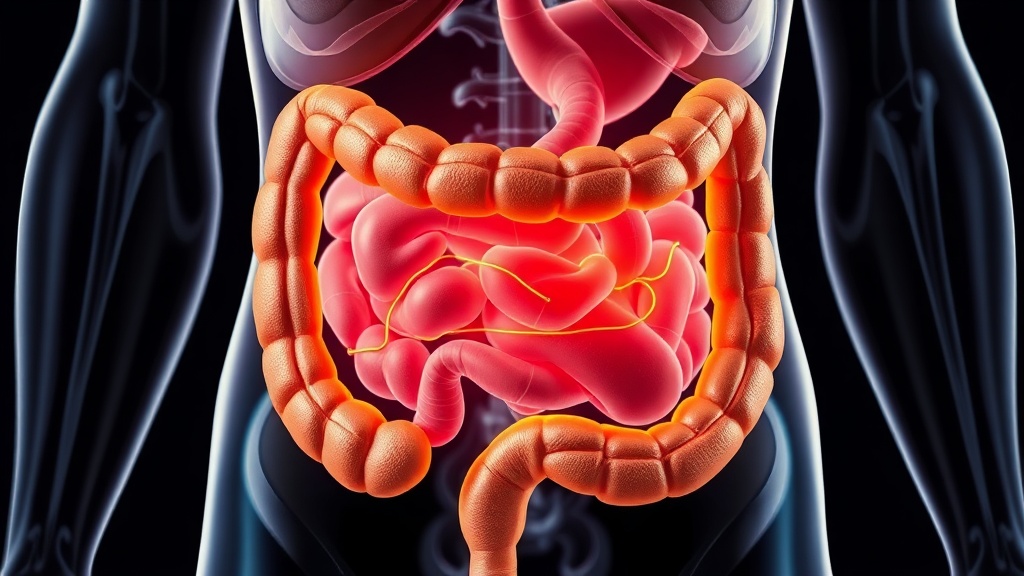
Visceral fat is the fat stored deep within the abdominal cavity, surrounding organs such as the liver, pancreas, and intestines. Unlike subcutaneous fat, which sits just beneath the skin, visceral fat is hidden and cannot be measured accurately by appearance alone. A small amount is normal, but excess visceral fat is strongly associated with metabolic dysfunction, inflammation, and higher disease risk.
Why Is Visceral Fat Different From Subcutaneous Fat?
The key difference is not just location but biological activity. Subcutaneous fat is generally less harmful in moderate amounts, while visceral fat is metabolically active and releases inflammatory compounds, hormones, and signaling molecules that can disrupt insulin sensitivity, blood pressure, and lipid metabolism. This is a major reason why excess visceral fat is linked to poorer health outcomes and why the question of whether visceral fat increases mortality risk matters so much.
How Common Is Excess Visceral Fat?
Excess visceral fat is common, especially in people with sedentary lifestyles, poor diet quality, chronic stress, sleep disruption, or insulin resistance. It can develop even in people who are not obviously obese by appearance. Regular waist measurements, metabolic health markers, and body composition assessments can help identify risk earlier. Recognizing this early is important for preserving healthspan and reducing long-term disease burden.
How Visceral Fat Contributes to Mortality Risk
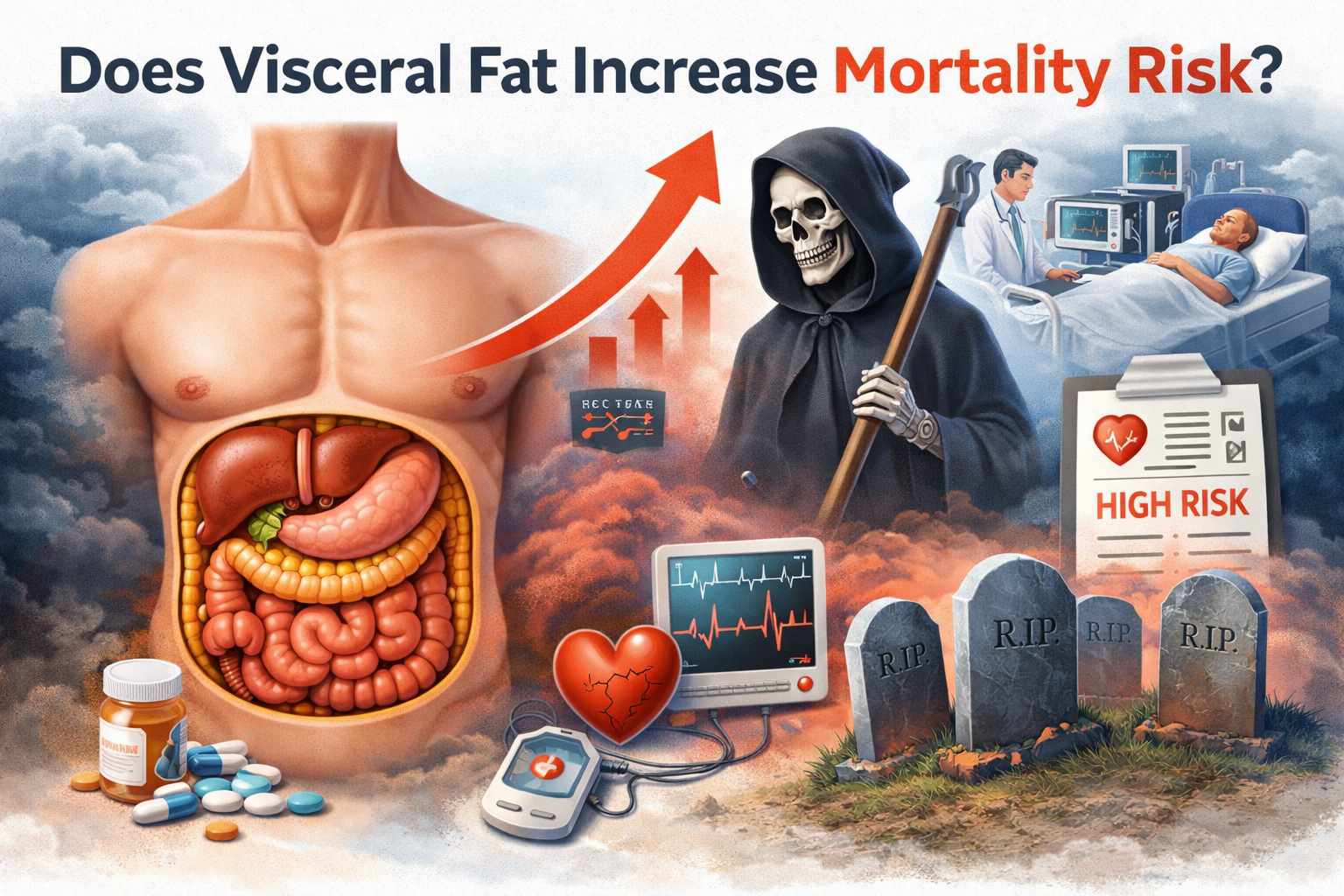
Yes, excess visceral fat is associated with a higher risk of early death. The reason is not simply that it adds body weight, but that it actively contributes to inflammation, insulin resistance, abnormal blood lipids, fatty liver, and vascular damage. These metabolic changes increase the likelihood of chronic disease and make visceral fat an important predictor of long-term health outcomes.
How Does Visceral Fat Impact Overall Mortality?
Visceral fat increases mortality risk because it contributes to many of the most common causes of death, including cardiovascular disease, type 2 diabetes, stroke, and some cancers. It is closely tied to poor metabolic health and often reflects a broader pattern of inflammation and energy imbalance. Lowering visceral fat can improve biomarkers such as blood sugar, triglycerides, blood pressure, and inflammatory markers, all of which support healthier aging.
What Are the Biological Mechanisms Behind This Risk?
Visceral fat releases inflammatory cytokines and free fatty acids that can impair insulin signaling, promote atherosclerosis, and damage blood vessels. It also contributes to chronic low-grade inflammation, one of the central features of unhealthy aging. Over time, this inflammatory and metabolic burden increases the risk of organ dysfunction and age-related disease. That is why excess abdominal fat is far more than a cosmetic issue.
The Link Between Visceral Fat Increase Mortality Risk and Chronic Disease Risk
Visceral Fat and Heart Disease
Excess visceral fat is a major risk factor for heart disease. It is associated with increased blood pressure, elevated triglycerides, lower HDL cholesterol, insulin resistance, and systemic inflammation. Together, these changes create an environment that promotes plaque formation and vascular injury. This is one of the clearest ways visceral fat increases mortality risk.
Visceral Fat and Diabetes
Visceral fat is closely linked to insulin resistance, which can progress to prediabetes and type 2 diabetes. As insulin sensitivity worsens, blood sugar control becomes more difficult, and the risk of vascular complications rises. Because diabetes affects the cardiovascular system, kidneys, nerves, and eyes, reducing visceral fat is an important strategy for lowering both disease risk and all-cause mortality.
Visceral Fat and Cancer
Higher visceral fat levels have also been associated with an increased risk of certain cancers, including colorectal, pancreatic, and postmenopausal breast cancer. Chronic inflammation, altered hormone levels, and abnormal insulin signaling are likely part of the reason. This adds another important dimension to the connection between visceral fat and longevity science.
Managing Visceral Fat to Support Longevity
How to Monitor Visceral Fat Risk
Waist circumference is one of the simplest and most practical tools for monitoring visceral fat risk. Although scans and advanced body composition testing can provide more detail, tracking waist size alongside biomarkers such as fasting glucose, triglycerides, HDL cholesterol, and blood pressure can give a useful picture of metabolic health. Paying attention to these measures helps identify problems before they progress.
Effective Strategies to Reduce Visceral Fat
The most effective way to reduce visceral fat is through sustainable lifestyle change. A diet based on whole foods, adequate protein, fiber-rich vegetables, healthy fats, and fewer refined carbohydrates can improve satiety and blood sugar control. Regular aerobic exercise and strength training help create the calorie deficit and metabolic improvements needed to reduce abdominal fat. Quality sleep and stress management are also essential because poor sleep and elevated cortisol can promote central fat storage.
Why Long-Term Habits Matter Most
Quick fixes rarely work for visceral fat reduction. What matters most is consistency over time. A pattern of healthier eating, regular movement, strength maintenance, and better metabolic control can substantially reduce visceral fat and improve biomarkers linked to healthy aging. Learn more in our complete guide to longevity. Reducing visceral fat is not only about appearance; it is about protecting organ function, lowering inflammation, and improving long-term survival odds.
Practical Recommendations
Focus on strength training, walking, improved diet quality, lower intake of sugary and highly processed foods, and better sleep. Weight loss alone can help, but preserving muscle mass while reducing visceral fat is especially important for healthspan. A gradual, sustainable approach is usually more effective than aggressive restriction. Consistent habits can reduce visceral fat and meaningfully lower mortality risk over time.
References and Resources
These resources provide helpful context on visceral fat, metabolic health, chronic disease, and mortality risk:
Authoritative Sources on Visceral Fat Increase Mortality Risk
-
CDC – Causes and Consequences of Obesity
cdc.govExplains how obesity and abdominal fat contribute to cardiometabolic disease and long-term health risk.

-
NIH – Visceral Fat and Inflammation
nih.govHighlights how visceral fat promotes inflammation, a key driver of chronic disease and unhealthy aging.
-
WHO – Obesity and Overweight
who.intProvides a global overview of obesity-related health risks, including those linked to abdominal fat distribution.
-
PLOS ONE – Visceral Fat and Cardiovascular Risk
plos.orgPresents evidence linking visceral fat with cardiovascular risk factors and worse long-term outcomes.
-
Healthline – Visceral Fat: What You Need to Know
healthline.comProvides a practical overview of visceral fat, its risks, and evidence-based lifestyle approaches to reduce it.
-
Medical News Today – Visceral Fat and Health Risks
medicalnewstoday.comSummarizes how visceral fat affects metabolic health and outlines common reduction strategies.
-
UpToDate – Visceral Adiposity and Mortality
uptodate.comA clinical overview discussing the relationship between visceral adiposity, chronic disease, and mortality risk.
Frequently Asked Questions
Does visceral fat really increase mortality risk?
Yes. Excess visceral fat is linked to a higher risk of early death because it promotes inflammation, insulin resistance, vascular damage, and metabolic disease. Its effects extend far beyond body weight alone.
How does visceral fat specifically affect health outcomes?
Visceral fat affects health outcomes by disrupting insulin signaling, increasing inflammatory burden, worsening blood lipids, and raising the risk of heart disease, type 2 diabetes, fatty liver disease, and some cancers.
Can lifestyle changes really reduce visceral fat and lower mortality risk?
Yes. Regular exercise, strength training, improved diet quality, better sleep, and stress reduction can significantly reduce visceral fat. Over time, these changes improve metabolic health and lower disease risk.
Is there a safe level of visceral fat, or should it be eliminated completely?
A small amount of visceral fat is normal and necessary. The goal is not to eliminate it completely, but to keep it within a healthy range so it does not drive inflammation, metabolic dysfunction, or increased mortality risk.
Conclusion
Excess visceral fat is a serious health issue because it is strongly linked to inflammation, metabolic dysfunction, chronic disease, and early mortality. It is one of the most important forms of body fat to monitor because of how directly it affects organs and long-term health outcomes.
The encouraging part is that visceral fat responds well to sustained lifestyle change. Improvements in diet, exercise, sleep, stress management, and overall metabolic health can reduce visceral fat and support better healthspan, better biomarkers, and lower mortality risk over time.
Find out more information about “Visceral Fat Increase Mortality Risk”
Search for more resources and information: