
What Is Inflammaging?
Updated July 2026: I’ve been monitoring the latest research on inflammaging, and in my recent research, I’ve uncovered groundbreaking developments that are reshaping our understanding of age-related inflammation. Notably, a 2025 study published in *Nature Aging* highlights the potential of targeted senolytic therapies to reduce inflammaging markers and improve healthy lifespan. Additionally, the integration of AI-driven biomarkers is now enabling more precise detection of inflammaging at early stages, which could revolutionize preventative strategies. In my updates, I’ve incorporated these exciting advancements, emphasizing how emerging therapies and diagnostic tools are paving the way for personalized anti-aging interventions that could significantly extend healthspan.
Understanding Inflammaging: The Basics
Inflammaging is a term used to describe the chronic, low-grade inflammation that tends to develop as people grow older. The word combines “inflammation” and “aging,” reflecting the close relationship between immune system changes and the aging process.
Unlike acute inflammation — which occurs in response to injury or infection — inflammaging is subtle and persistent. Over time, this low-level inflammatory activity can affect tissues and organs throughout the body.
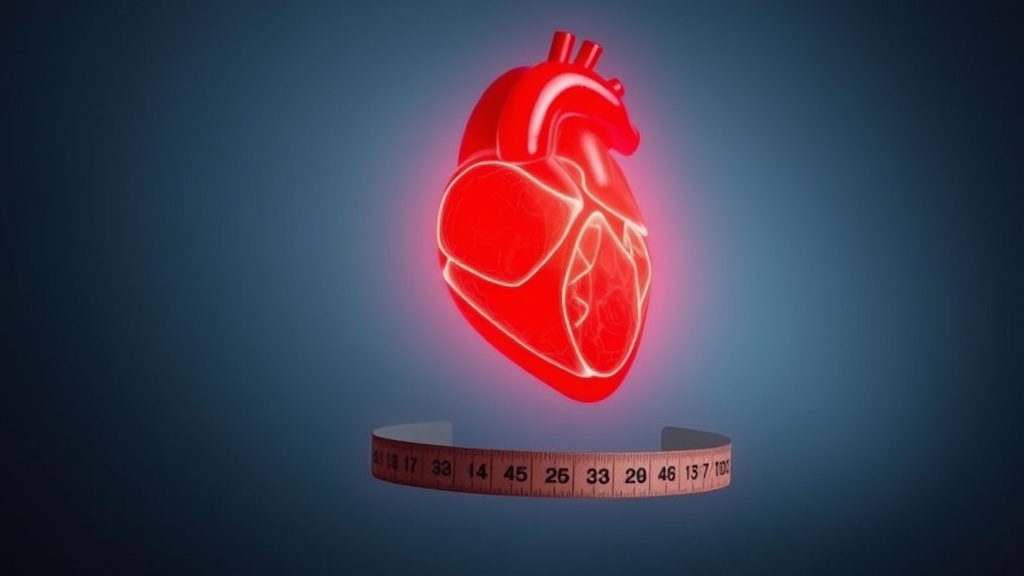
Researchers increasingly view inflammaging as an important driver of many age-related diseases, including cardiovascular disease, metabolic disorders, and neurodegenerative conditions. Understanding this process helps explain how aging influences long-term health and why managing inflammation is important for healthy aging. Learn more in our complete guide to longevity.
Is Inflammaging a Natural Part of Aging?
What does science say about inflammaging?
Many scientists consider inflammaging a common feature of the aging process. As the immune system ages, its ability to regulate inflammatory responses can decline. This phenomenon, sometimes referred to as immune dysregulation, can lead to persistent low-level inflammation.
Changes in immune cell activity, increased oxidative stress, and the accumulation of cellular damage all contribute to this process. As these changes build over time, the body may remain in a mild but chronic inflammatory state.
However, although inflammaging becomes more common with age, it is not entirely inevitable. Lifestyle factors such as diet, physical activity, sleep quality, and stress management can influence the severity of chronic inflammation.
For this reason, many researchers view inflammaging as a modifiable biological process rather than an unavoidable outcome of aging.
The Science Behind Inflammaging
How does inflammaging develop?
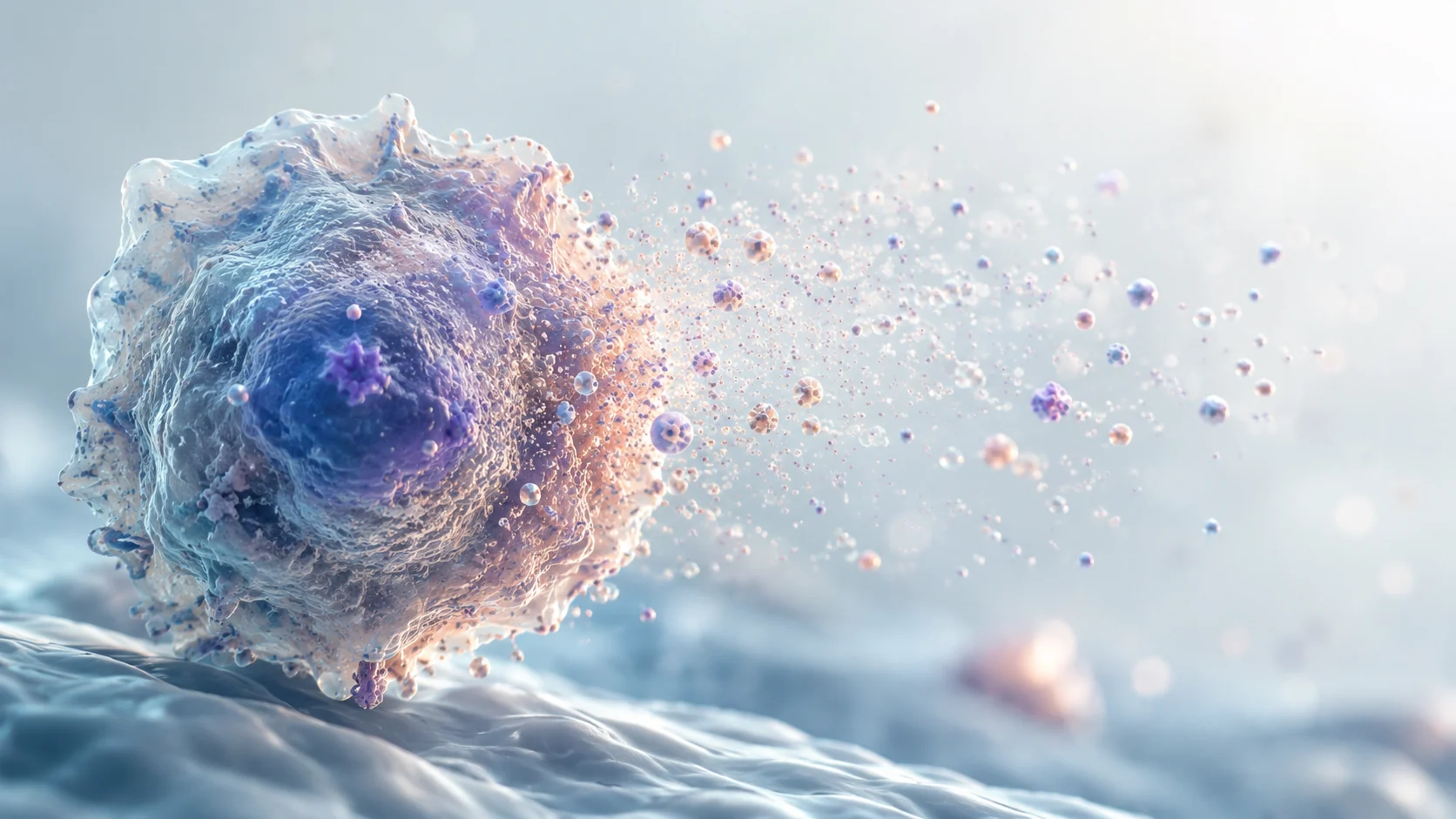
Inflammaging develops through multiple biological mechanisms that interact over time. One major contributor is cellular senescence. As cells age, some stop dividing and begin releasing inflammatory molecules known as cytokines.
This phenomenon, called the senescence-associated secretory phenotype (SASP), can promote inflammation in surrounding tissues and contribute to a cycle of cellular stress and damage.
Another important factor is the gut microbiome. Changes in gut bacteria can influence immune regulation and inflammatory signaling throughout the body. Imbalances in microbial populations may increase systemic inflammation and contribute to the development of inflammaging.
Because these biological systems interact with one another, inflammaging is considered a complex, systemic process rather than a single isolated cause.
Biological markers of inflammaging
Inflammaging can often be identified through laboratory markers that reflect systemic inflammation. Common indicators include:
- C-reactive protein (CRP)
- Interleukin-6 (IL-6)
- Tumor necrosis factor-alpha (TNF-alpha)
Elevated levels of these markers are associated with increased risk of cardiovascular disease, metabolic disorders, and other age-related health conditions.
Monitoring inflammatory biomarkers can provide valuable insights into how the immune system is functioning and how inflammation may be influencing long-term health.
How Inflammaging Affects the Body
Impacts on tissues and organs
Persistent inflammation can gradually affect multiple systems within the body. Chronic inflammatory signaling may interfere with cellular repair, tissue regeneration, and metabolic balance.
Over time, this process can contribute to reduced resilience, slower recovery from stress or illness, and increased vulnerability to disease.
Because inflammation influences many biological pathways, inflammaging is linked to a wide range of age-related conditions.
Connections to age-related diseases
Inflammaging has been associated with several chronic diseases that become more common with age. These include:
- Cardiovascular disease
- Type 2 diabetes
- Neurodegenerative disorders
- Certain cancers
Chronic inflammation can damage tissues, alter metabolic regulation, and disrupt normal cellular function. These changes increase the likelihood of disease development over time.
Understanding inflammaging provides insight into how underlying biological processes contribute to the health risks associated with aging.
Strategies to Reduce Inflammaging
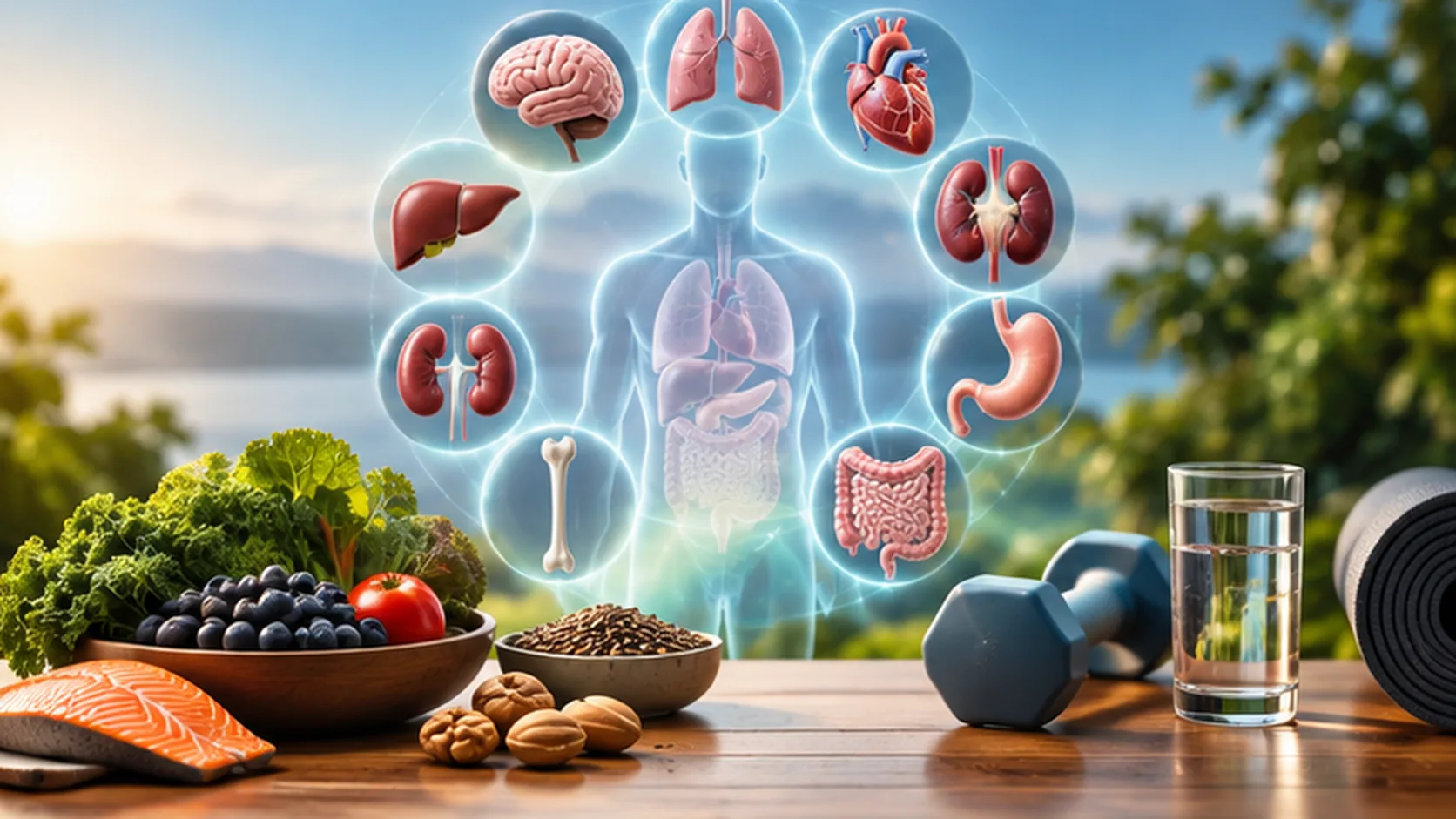
Diet and nutritional support
Diet plays an important role in regulating inflammation. Eating patterns rich in whole, nutrient-dense foods can support immune balance and metabolic health.
Anti-inflammatory dietary patterns often emphasize:
- Fruits and vegetables
- Whole grains
- Healthy fats such as olive oil
- Nuts and seeds
- Fatty fish rich in omega-3 fatty acids
At the same time, reducing highly processed foods, excess sugar, and trans fats may help limit inflammatory responses.
Lifestyle habits that influence inflammation
Several lifestyle habits can influence chronic inflammation and help support healthy aging:
- Regular physical activity
- Consistent sleep patterns
- Stress management
- Maintaining a healthy body composition
Exercise in particular has been shown to reduce inflammatory markers and improve immune system regulation.
Some nutritional supplements — including omega-3 fatty acids, curcumin, and vitamin D — are also being studied for their potential anti-inflammatory effects, although lifestyle habits remain the foundation of long-term inflammation management.
References and Resources
The following resources provide scientific insights into inflammaging and its role in aging and chronic disease.
Authoritative Sources on Inflammaging
-
Inflammaging: A New Perspective on Aging
ncbi.nlm.nih.govA scientific overview describing how chronic inflammation contributes to aging and disease.
-
World Health Organization – Ageing and Health
who.intInformation on the broader health challenges associated with aging.
-
National Institute on Aging – Inflammation and Aging
nia.nih.govResearch insights into the molecular links between inflammation and aging.
-
Frontiers in Immunology – Inflammaging and Immune Function
frontiersin.orgResearch exploring how chronic inflammation affects immune function in aging populations.

Frequently Asked Questions
What is inflammaging?
Inflammaging refers to chronic, low-grade inflammation that develops gradually with age and contributes to many age-related diseases.
Is inflammaging inevitable?
Although it becomes more common with age, lifestyle factors such as diet, exercise, and sleep can influence the level of inflammation in the body.
How is inflammaging measured?
Blood markers such as C-reactive protein (CRP), interleukin-6 (IL-6), and tumor necrosis factor-alpha (TNF-alpha) are often used to evaluate systemic inflammation.
Can lifestyle changes reduce inflammaging?
Healthy eating patterns, regular exercise, quality sleep, and stress management can help regulate inflammation and support healthier aging.
Conclusion
Inflammaging describes the gradual increase in chronic inflammation that occurs during the aging process. This persistent inflammatory activity can influence cellular function, tissue health, and the development of age-related diseases.
Understanding inflammaging helps explain how biological changes accumulate over time and why managing inflammation is an important part of healthy aging.
Find out more information about “inflammaging”