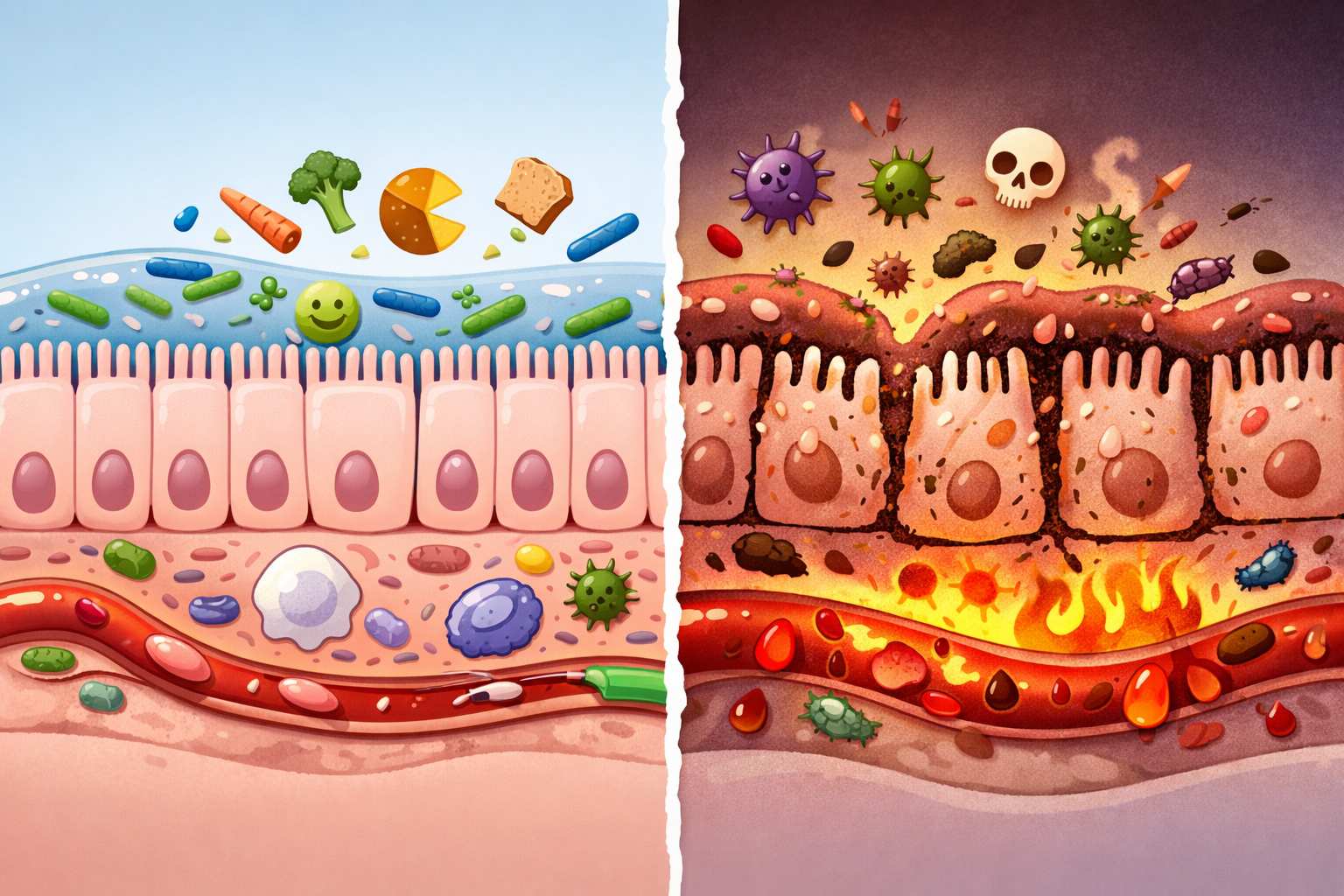

Does Vitamin D Lower Crp?
Does Vitamin D Lower CRP?
TL;DR: Vitamin D may help lower CRP when low vitamin D status is contributing to inflammation, but it is not a guaranteed CRP-lowering supplement for everyone. Testing and correcting deficiency is the most practical starting point.
Vitamin D can help lower CRP in some people, especially when vitamin D levels are low or deficient. However, the effect is usually modest and depends on baseline vitamin D status, inflammation level, body composition, diet, sleep, metabolic health, and other drivers of CRP.
CRP, or C-reactive protein, is a blood marker that rises in response to inflammation. It does not identify the cause of inflammation by itself, so vitamin D should not be treated as a standalone solution. If CRP remains elevated, the next step is to understand the underlying driver rather than simply adding more supplements.
For the broader framework, read how to interpret and optimise CRP for longevity. Learn more in our complete guide to longevity.
How Vitamin D Impacts Inflammation
Vitamin D is best known for bone health, but it also plays an important role in immune regulation. Immune cells have vitamin D receptors, which means vitamin D can influence how the immune system responds to inflammatory signals.
The Role of Vitamin D in Immune Function
Vitamin D helps regulate both innate and adaptive immune activity. In practical terms, adequate vitamin D status may help the immune system respond appropriately without staying in a chronically activated state.
This matters for longevity because chronic low-grade inflammation is associated with cardiovascular disease, insulin resistance, frailty, and other age-related conditions. CRP is one useful marker for tracking this inflammatory burden, but it should be interpreted alongside symptoms, medical history, and other biomarkers.
The Anti-Inflammatory Effects of Vitamin D
Research suggests vitamin D may reduce pro-inflammatory signalling and support a more balanced immune response. This may be most relevant in people with low vitamin D levels, obesity, autoimmune conditions, metabolic syndrome, or higher baseline inflammation.
Vitamin D is not an anti-inflammatory drug. Its main value is correcting an insufficiency that may be making inflammation harder to regulate.
How Vitamin D Might Influence CRP Levels
Vitamin D may influence CRP indirectly by helping regulate inflammatory cytokines that stimulate the liver to produce CRP. It may also support metabolic health and immune balance, both of which can affect inflammation over time.
If CRP is elevated because of an infection, injury, gum disease, autoimmune flare, poor sleep, smoking, or excess visceral fat, vitamin D alone is unlikely to fix the problem. It is one part of a wider inflammation-management strategy.
When Vitamin D Is Most Likely to Help
Vitamin D is most likely to help lower CRP when a person starts with low vitamin D status. In that case, correcting deficiency may reduce one contributor to immune dysregulation and inflammation.
Low Vitamin D Status
People with limited sun exposure, darker skin, higher body fat, older age, certain digestive conditions, or low intake of vitamin D-rich foods may be more likely to have low vitamin D levels. Testing 25-hydroxyvitamin D is the best way to know whether supplementation is likely to be useful.
Metabolic and Inflammatory Risk
Vitamin D may be more relevant when CRP is mildly elevated alongside poor metabolic health, higher body fat, low activity, poor sleep, or other inflammation-related risk factors.
For comparison with another nutrient strategy, see does omega-3 reduce CRP?. For a lifestyle-based approach, read does exercise lower CRP?
When Vitamin D May Not Change CRP Much
If vitamin D levels are already adequate, supplementation may not meaningfully lower CRP. More is not always better. Excessive vitamin D intake can raise calcium levels and cause harm, so supplementation should be guided by testing and sensible dosing.
Research Evidence on Vitamin D and CRP
Research on vitamin D and CRP is mixed. Some studies suggest vitamin D supplementation can reduce CRP, especially in deficient people or those with higher baseline inflammation. Other studies find little or no effect, particularly when participants already have adequate vitamin D levels.
What the Evidence Supports
Current evidence supports a cautious conclusion: correcting low vitamin D may help improve inflammatory markers in some people, but vitamin D should not be expected to lower CRP reliably in every case.
This nuance is important for longevity. CRP is influenced by many systems, including immune function, metabolism, sleep, body composition, oral health, infection status, and cardiovascular risk. Vitamin D can support immune regulation, but it does not replace the need to identify the real source of persistent inflammation.
Dosage, Duration, and Baseline Status Matter
The effect of vitamin D on CRP depends heavily on dose, duration, adherence, absorption, and starting vitamin D level. A person who is deficient may respond differently from someone whose vitamin D is already optimal.
Most people should avoid high-dose vitamin D unless supervised by a clinician. A blood test, a targeted dose, and follow-up testing are safer than guessing.
Additional Factors That Influence Outcomes
Diet, exercise, sleep, stress, smoking, alcohol intake, medication use, infection, and body fat can all affect CRP. This is why vitamin D works best as part of an anti-inflammatory lifestyle rather than as a standalone CRP strategy.
Practical Tips for Using Vitamin D to Support Lower CRP
If the goal is to use vitamin D intelligently for inflammation and longevity, the focus should be on testing, correcting deficiency, and monitoring the result.
Get Your Vitamin D Levels Tested
Start with a 25-hydroxyvitamin D blood test. This shows whether vitamin D is actually low and helps determine whether supplementation is needed.
Aim for an Appropriate Range
Work with a healthcare professional to determine an appropriate target range based on your health status, location, sun exposure, diet, and medical history. The goal is adequacy, not excessive dosing.
Combine Supplementation with Lifestyle Changes
Vitamin D is more likely to support lower CRP when paired with anti-inflammatory habits: regular exercise, adequate sleep, a nutrient-dense diet, healthy body composition, stress management, and avoidance of smoking.
Monitor Your Progress
Recheck vitamin D and CRP after a consistent period of supplementation and lifestyle change. Avoid testing CRP during acute illness, after injury, or immediately after unusually intense exercise, as these can temporarily raise results.
Be Patient and Persistent
Changes in CRP usually take time. If CRP remains elevated despite correcting vitamin D deficiency, further investigation may be needed to look for other causes of inflammation.
Another related lifestyle intervention is covered here: does fasting reduce CRP?
References and Resources
The following resources provide additional context on vitamin D, inflammation, immune function, and CRP.
Authoritative Sources on Vitamin D and CRP
-
Vitamin D and Inflammatory Markers: A Review
ncbi.nlm.nih.govReview of vitamin D’s relationship with inflammatory markers and immune regulation.
-
Vitamin D: Fact Sheet
who.intGeneral information on vitamin D, deficiency, and public health relevance.
-
Vitamin D Deficiency and Its Impact
healthline.comAccessible overview of vitamin D deficiency, symptoms, and health considerations.
-
Vitamin D Supplementation and Inflammation
ncbi.nlm.nih.govResearch discussing vitamin D supplementation and changes in inflammatory markers, including CRP in specific populations.
-
Vitamin D and Autoimmune Diseases
arthritis.orgPractical information on vitamin D and immune-related inflammatory conditions.
-
Vitamin D and Heart Health
medicalnewstoday.comOverview of vitamin D, cardiovascular health, and inflammation-related considerations.

Frequently Asked Questions
Does vitamin D lower CRP?
Vitamin D may lower CRP in some people, especially if they are deficient or have elevated inflammation at baseline. If vitamin D status is already adequate, supplementation may have little effect on CRP.
What’s the best way to use vitamin D for lowering CRP?
The best approach is to test 25-hydroxyvitamin D, correct deficiency if present, and retest after consistent supplementation. Vitamin D works best alongside sleep, exercise, diet quality, and other anti-inflammatory habits.
Can I just take high-dose vitamin D to lower CRP quickly?
No. High-dose vitamin D is not a safe shortcut and may cause problems if taken unnecessarily. Use testing and professional guidance to determine an appropriate dose.
Is vitamin D the only factor to consider for lowering CRP?
No. CRP is affected by infection, injury, body fat, insulin resistance, sleep, exercise, diet, stress, smoking, and medical conditions. Vitamin D is only one possible factor.
Conclusion
Vitamin D may help lower CRP when low vitamin D status is contributing to immune dysregulation or chronic low-grade inflammation. The most practical strategy is to test vitamin D, correct deficiency if needed, and monitor CRP over time.
For longevity, vitamin D should be viewed as one part of a broader inflammation-control plan. It is most effective when combined with regular movement, high-quality sleep, an anti-inflammatory diet, healthy body composition, and proper interpretation of CRP in context.
Find out more information about “Vitamin D Lower CRP”
Search for more resources and information: