How Do Social Connection and Biology Interact in Longevity?
TL;DR: Yes, social connection and biology do interact in longevity. Strong relationships may improve stress regulation, inflammation, cardiovascular health, and health behaviors, all of which can support healthier aging and a longer healthspan.
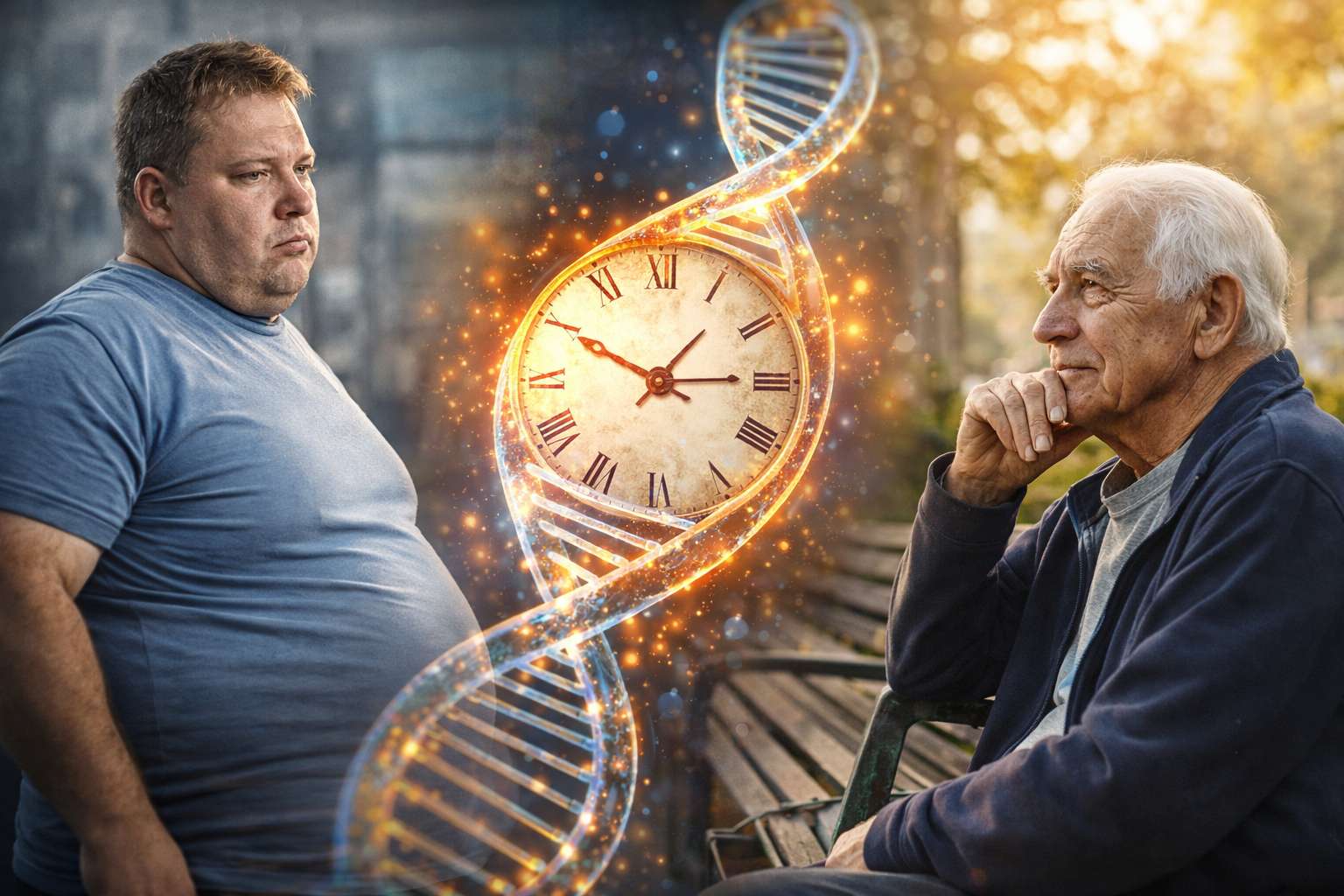
Yes, social connection and biology appear to interact in longevity. Evidence suggests that supportive relationships can influence stress hormones, inflammation, immune function, and daily health behaviors, while loneliness and social isolation are linked to worse health outcomes. This means social ties are not just emotionally important; they may also affect the biological processes involved in aging and healthspan.
That interaction does not mean friendships act like a single anti-aging treatment. Instead, social connection seems to shape multiple systems at once, including mood, metabolism, sleep, cardiovascular function, and resilience during stress. Over time, these effects may influence how well people age as much as how long they live.
Understanding How Social Connection Influences Longevity
How social ties can affect overall health
Social connection matters because humans are biologically responsive to relationships. Positive social contact can reduce perceived stress, increase feelings of safety, and make healthy behaviors easier to maintain. In contrast, chronic isolation is associated with worse mental health, poorer sleep, higher stress burden, and reduced physical well-being.
These effects are relevant to longevity because aging is influenced by more than genetics. Long-term health also depends on factors such as inflammation, cardiovascular function, metabolic stability, immune resilience, and behavior. Social support can shape all of these indirectly, which helps explain why strong relationships are often linked to better healthspan.
Why social connection is more than emotional support
Social relationships do more than improve mood. They can influence whether people exercise, eat well, keep medical appointments, stay cognitively engaged, and recover after setbacks. In that sense, social connection acts partly through biology and partly through behavior, with both pathways affecting aging.
Meaningful relationships may also provide purpose, accountability, and emotional regulation. These factors can reduce chronic stress and make healthy routines more sustainable over time. For longevity, that combination matters because small repeated behaviors often shape long-term outcomes more than short-term interventions.
The Biological Mechanisms Linking Social Ties and Aging
Stress hormones, inflammation, and immune function
One of the clearest biological links between social connection and longevity involves stress regulation. Supportive relationships may help lower the intensity and duration of stress responses, including repeated elevation of cortisol and related stress hormones. When stress becomes chronic, it can contribute to inflammation, poor sleep, impaired immune function, and worse metabolic health.
Evidence indicates that loneliness and social isolation are associated with higher inflammatory burden and poorer health outcomes. Chronic inflammation is relevant to aging because it is linked to cardiovascular disease, cognitive decline, frailty, and other age-related conditions. Social connection may help buffer some of that biological strain.
Cardiovascular and metabolic effects
Social ties may also influence heart health and metabolism. People with stronger social support often show healthier blood pressure patterns, better recovery from stress, and more consistent lifestyle habits. These effects can support endurance, energy regulation, and overall healthspan.
Metabolism is especially important in aging because metabolic dysfunction can drive many chronic diseases. Social support may not directly change mitochondria in the same way exercise does, but it can improve the conditions that protect metabolic health, including better sleep, lower chronic stress, and greater adherence to exercise and nutrition habits.
Gene expression, biological aging, and repair processes
Research suggests that social experiences may even influence biology at a deeper level through changes in gene expression and stress-related signaling pathways. This area is complex, but the core idea is simple: the social environment can affect how the body responds to threat, repair, and recovery.
Some studies have explored links between social connection, telomere biology, immune signaling, and epigenetic changes. These findings are still developing, and they should be interpreted carefully, but they support the broader view that relationships can shape biological aging rather than just emotional well-being.
How Social Connection and Biology Work Together in Longevity
A two-way relationship
Social connection and biology interact in both directions. Strong relationships may support better biology by reducing stress and promoting healthier behavior. At the same time, better physical and mental health can make it easier to stay socially engaged, active, and independent.
This creates a reinforcing cycle. Good social support can improve resilience, and better resilience can help maintain social life during aging. On the other hand, poor health can reduce social contact, which may worsen stress and quality of life. That is why social health should be viewed as part of a wider longevity strategy rather than a separate issue.
Why this matters for healthspan, not just lifespan
The main value of social connection may be in protecting healthspan. Healthy aging is not only about adding years; it is also about preserving mobility, cognition, emotional stability, and independence. Social engagement can support these by encouraging activity, reducing isolation, and providing practical help when health challenges arise.
For example, people with stronger social networks may be more likely to stay active, recover after illness, and maintain routines that support exercise, sleep, and biomarkers such as blood pressure, glucose control, and cardiovascular fitness. These are the day-to-day mechanisms through which social connection may shape longevity.
Learn more in our complete guide to longevity.
Practical Ways to Strengthen Social Bonds for Better Health
Build connection deliberately
Social health often improves with intention rather than chance. Regular contact with family, friends, neighbors, or community groups can create stability and reduce isolation. This does not require a large network. A few reliable, meaningful relationships may be enough to provide substantial benefit.
Helpful steps include scheduling recurring meetups, checking in consistently, joining local groups, or participating in shared activities. What matters most is regular, genuine interaction rather than constant social activity.
Combine social connection with healthy habits
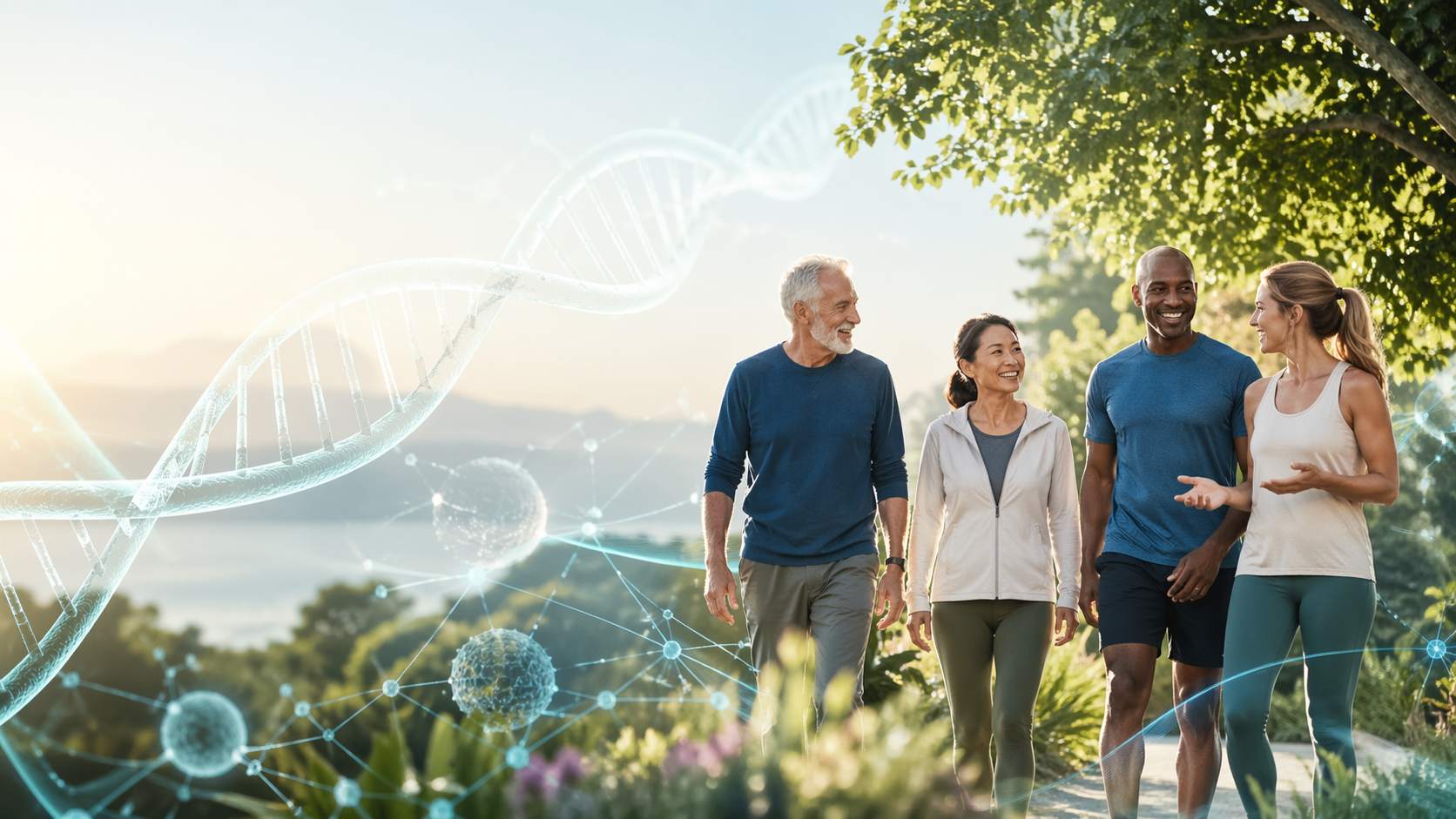
One practical approach is to link social connection with exercise and routine. Group walks, sports, classes, volunteering, or shared meals can reinforce both social support and healthy behavior. This matters because exercise, endurance, and metabolic health are already central to healthy aging, and social engagement can make those habits easier to sustain.
Pairing connection with healthy habits may also improve motivation and accountability. For some people, this is more realistic than trying to improve health through discipline alone.
Protect quality, not just quantity
Not all relationships support health. High-conflict or consistently stressful relationships can increase psychological strain and may offset some of the benefits of connection. Supportive, trustworthy, and emotionally safe relationships are generally more helpful than frequent but draining social contact.
For that reason, improving social health may involve setting boundaries, repairing key relationships where possible, and investing more energy in connections that are stable and mutually supportive.
What Research Still Needs to Clarify
What is well supported
Research strongly suggests that social connection matters for health and aging. Social isolation and loneliness are consistently associated with worse health outcomes, while supportive relationships are linked to better well-being and lower risk across several domains. The overall direction of evidence is clear even if every mechanism is not fully settled.

What remains uncertain
Not every biological mechanism has been proven in the same way. Research on telomeres, epigenetics, and specific repair pathways is promising but still evolving. It is also difficult to separate social connection from related factors such as income, baseline health, personality, and access to care.
The most balanced conclusion is that social connection is likely an important contributor to longevity, especially through stress biology, immune function, cardiovascular health, and behavior. It should be treated as one pillar of healthy aging alongside exercise, nutrition, sleep, purpose, and medical care.
Why this perspective matters
Understanding social connection as a biological factor can improve how people think about aging. It shifts relationships from being seen as optional lifestyle extras to being part of a broader healthspan strategy. That is useful because it turns an abstract idea into something practical: building social health may support better aging in measurable ways.
For many people, strengthening social ties is also a highly accessible intervention. It does not replace exercise, biomarkers, or medical treatment, but it can strengthen the foundation that makes those other habits easier to maintain.
References and Resources
The following sources offer useful background on how social connection may affect biological aging, stress physiology, cardiovascular health, and long-term health outcomes.
Authoritative Sources on Do Social Connection and Biology Interact in Longevity
-
NIH – Social Connections and Healthy Aging
nih.govSummarizes evidence on how social relationships may influence healthy aging through stress, inflammation, and broader health effects.
-
American Heart Association – Social Connections & Cardiovascular Health
heart.orgExplains how social relationships are linked to cardiovascular health, an important component of healthspan and longevity.
-
NCBI – Social Relationships and Biological Aging
ncbi.nlm.nih.govReviews evidence on how social factors may influence biological aging through immune, inflammatory, and gene-regulation pathways.
-
Annual Review of Psychology – Social and Biological Aging
annualreviews.orgProvides a broad review of psychological and biological factors involved in aging, including the role of social environments.
-
World Health Organization
who.intOffers global public health context on aging, social determinants of health, and factors that shape healthy longevity.
-
Psychology Today – Relationships
psychologytoday.comProvides accessible summaries on social relationships, stress, and emotional well-being that can complement primary research.
-
National Institute on Aging – Social Relationships & Health
nia.nih.govExplains how social relationships can affect physical and mental health across aging.
-
The Lancet – Social Determinants of Health & Aging
thelancet.comExamines how social determinants influence aging trajectories and health disparities across populations.
FAQ: Frequently Asked Questions
How do social connections influence biological aging?
They may influence biological aging by affecting stress hormones, inflammation, immune function, sleep, and health behaviors. Strong social support can help reduce chronic stress, while isolation may increase biological strain over time.
Can strong social bonds extend lifespan?
They may help, but the stronger conclusion is that they support better healthspan. Social connection is associated with healthier aging, better resilience, and lower risk across several health domains, though it is one factor among many.
What biological mechanisms are affected by social interaction?
Commonly discussed mechanisms include cortisol regulation, inflammation, immune signaling, cardiovascular responses, and possibly gene expression related to stress and repair. These pathways are relevant because they influence aging and chronic disease risk.
How can I improve social connection to support better health?
Focus on regular, meaningful contact rather than social quantity alone. Scheduling time with supportive people, joining shared activities, volunteering, and combining social time with exercise are practical ways to improve both social health and long-term well-being.
Conclusion
Social connection and biology do appear to interact in longevity. Supportive relationships may improve stress regulation, inflammation, cardiovascular health, immune resilience, and the consistency of healthy behaviors, all of which matter for aging well.
The most useful takeaway is practical: social health belongs alongside exercise, sleep, nutrition, and biomarker awareness in any serious longevity strategy. Meaningful relationships are not just emotionally valuable. They may also help create the biological conditions for a longer, healthier life.
Find out more information about “Do Social Connection and Biology Interact in Longevity”
Search for more resources and information:
- 🔍 Search “Do Social Connection and Biology Interact in Longevity” on Google
- 🔍 Search “Do Social Connection and Biology Interact in Longevity” on Yahoo
- 🔍 Search “Do Social Connection and Biology Interact in Longevity” on DuckDuckGo
- 📄 More about “Do Social Connection and Biology Interact in Longevity” on this site