What Is Regenerative Medicine?
What Is Regenerative Medicine?
TL;DR: Regenerative medicine is a field of healthcare focused on repairing or replacing damaged tissues and organs by stimulating the body’s own biological repair processes. It includes stem cell therapy, tissue engineering, platelet-rich plasma (PRP), and exosome therapy — and while it shows genuine promise for specific injuries and conditions, it is not yet a proven strategy for reversing ageing or extending lifespan.
Regenerative medicine is a branch of healthcare that aims to repair, replace, or regenerate damaged cells, tissues, and organs rather than simply managing symptoms. In contrast to conventional treatments that work around dysfunction, regenerative approaches attempt to restore normal biological function at the source. The field draws on stem cell biology, tissue engineering, growth factors, and increasingly, gene-based tools to activate or supplement the body’s natural repair capacity.
For longevity research, regenerative medicine is significant because tissue repair capacity declines with age. Understanding what regenerative medicine actually involves — and what it can realistically achieve — is essential context for evaluating its role in healthy ageing.
What Is Regenerative Medicine?
The Core Concept
Regenerative medicine is built on the principle that the body retains some capacity to heal itself, and that this capacity can be supported, directed, or augmented with the right biological inputs. Rather than replacing a diseased organ with a transplant or suppressing symptoms with long-term medication, regenerative strategies aim to restore the tissue itself.
This is a meaningful shift in clinical thinking. For example, rather than managing osteoarthritis pain with anti-inflammatories indefinitely, a regenerative approach might attempt to repair cartilage directly. Whether that is achievable in practice depends on the specific technique, the tissue involved, and the quality of available evidence — which varies considerably across the field.
What Falls Under Regenerative Medicine
The field is broad. It includes several distinct approaches, each at different stages of clinical development:
- Stem cell therapy: Using stem cells — which can differentiate into specialised cell types — to replace or repair damaged tissue.
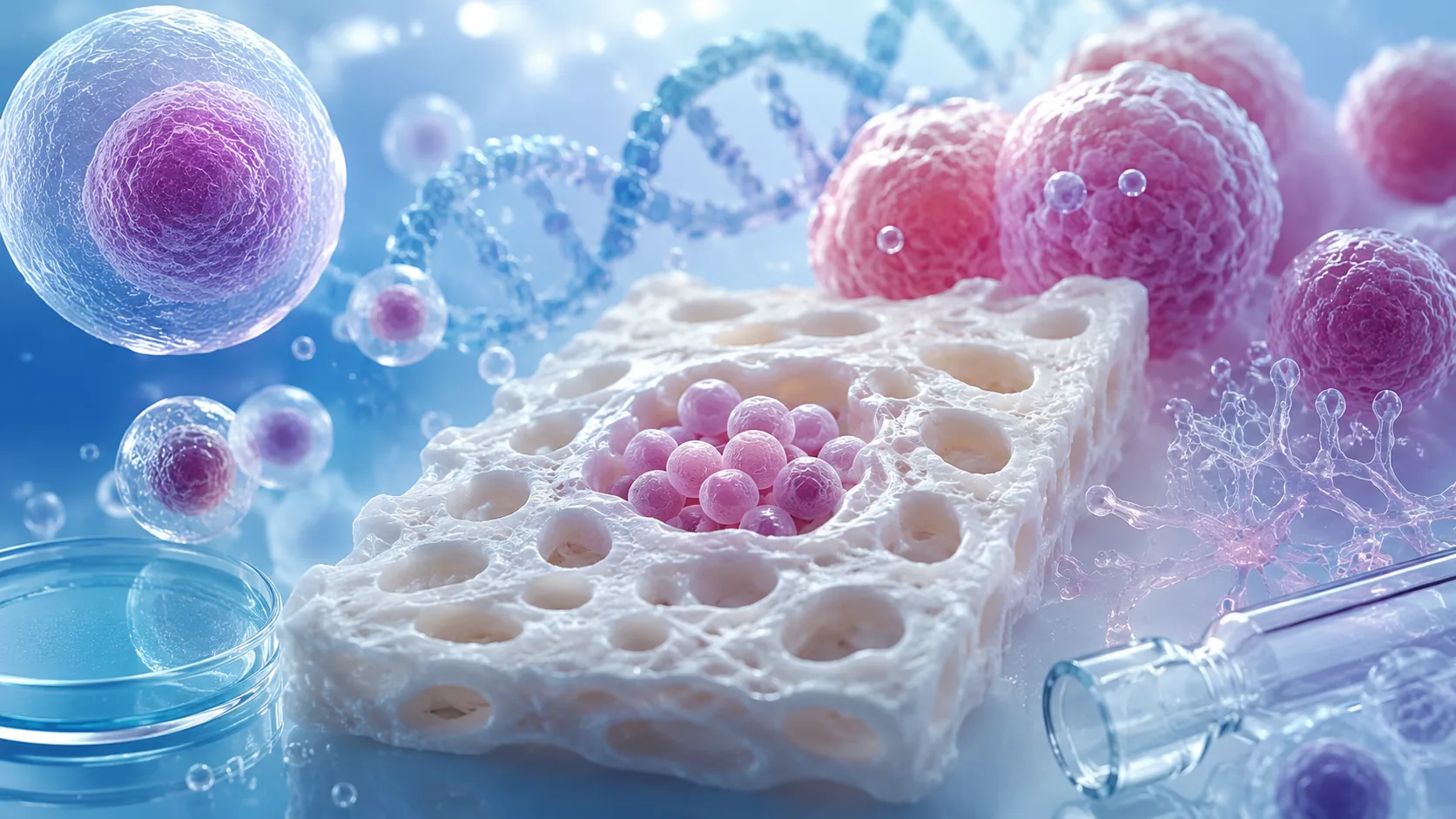
- Tissue engineering: Growing functional tissue in a lab using cells and biocompatible scaffolds, then implanting it in the body.
- Platelet-rich plasma (PRP): Concentrating growth factors from a patient’s own blood and injecting them into injured tissue to promote healing.
- Exosome therapy: Using small vesicles released by cells, which carry signalling molecules that may influence tissue repair and inflammation.
- Gene editing and cell reprogramming: Emerging techniques that aim to correct genetic errors or restore youthful gene expression patterns in cells.
These approaches differ considerably in their mechanisms, evidence base, and regulatory status. Grouping them under a single heading can obscure important distinctions — particularly when evaluating claims about longevity or anti-ageing benefits.
How Does Regenerative Medicine Work?
Biological Mechanisms
At its core, regenerative medicine works by interacting with the body’s existing repair systems. Stem cells are central to this because they sit at the top of tissue maintenance hierarchies. When a tissue is damaged, resident stem cells are activated to produce new specialised cells. However, this process relies on a supportive local environment — known as the stem cell niche — that provides the right signals for cells to divide, differentiate, and integrate properly.
Growth factors, which are signalling proteins that regulate cell behaviour, play a key role in this process. PRP therapy, for instance, delivers concentrated growth factors directly to injured tissue in an attempt to accelerate natural repair. Exosomes work through a related mechanism — they carry molecular signals between cells and can modulate inflammation, cell survival, and tissue remodelling.
Why Ageing Complicates This
With age, the regenerative environment becomes less favourable. Stem cell populations decline in number and activity. Chronic low-grade inflammation — sometimes called inflammageing — disrupts signalling pathways that normally coordinate repair. Metabolic changes, including reduced mitochondrial function and declining NAD+ levels, affect the energy available for cellular maintenance. As a result, the same regenerative signals that work effectively in younger tissue may produce weaker or less predictable responses in aged tissue.
This is one reason why the outcomes of regenerative therapies in older patients can be more variable, and why simply introducing stem cells or growth factors into an aged tissue environment does not automatically restore youthful function. The broader cellular and systemic context matters considerably. You can learn more about how this process unfolds in our article on how stem cells decline with age.
Applications: Where the Evidence Is Strongest
Established and Emerging Uses
Regenerative medicine has already produced clinically validated treatments in specific areas. Bone marrow transplantation — a form of stem cell therapy — is well-established for certain blood cancers and immune disorders. Skin grafting using cultured cells is used in severe burn care. Corneal stem cell transplants can restore vision in some patients with limbal stem cell deficiency.
Beyond these established applications, research is ongoing in areas such as:
- Cartilage repair in osteoarthritis
- Cardiac tissue repair following heart attack
- Spinal cord injury recovery
- Diabetic wound healing
- Neurodegenerative conditions including Parkinson’s disease
In several of these areas, early-phase clinical trials have produced encouraging signals. However, results from small or uncontrolled studies have frequently not been replicated in larger, more rigorous trials. The gap between promising early data and proven clinical benefit remains wide for many applications.
PRP and Exosome Therapy
PRP is widely used in sports medicine and orthopaedics. Evidence suggests it may support healing in certain tendon injuries and, to a lesser extent, mild osteoarthritis. However, results across studies are inconsistent, and PRP is not currently considered a standard of care for most conditions.
Exosome therapy is earlier in its development. Research suggests exosomes play important roles in cell-to-cell communication and may have therapeutic potential, particularly in reducing inflammation and supporting tissue repair. That said, human clinical evidence remains limited, and most data comes from animal studies or very small human trials. It would be premature to describe exosome therapy as a proven treatment for any condition, let alone as a general anti-ageing intervention.
Regenerative Medicine and Longevity
Why It Matters for Ageing
One reason regenerative medicine attracts attention in longevity science is that tissue repair capacity is directly linked to healthspan. The ability to maintain muscle mass, recover from injury, sustain immune function, and preserve organ integrity all depend partly on effective stem cell activity and tissue regeneration. As these processes decline, the risk of age-related dysfunction and disease increases.
In this sense, understanding and supporting regenerative capacity is a legitimate longevity strategy. However, there is an important distinction between improving the body’s regenerative environment through lifestyle — and receiving commercial regenerative treatments marketed as anti-ageing.
Lifestyle and Regenerative Capacity
Research suggests that several modifiable behaviours can influence stem cell function and tissue repair capacity. Exercise, particularly endurance and resistance training, appears to support stem cell activity in muscle and other tissues. Intermittent fasting and caloric restriction have shown effects on stem cell regeneration in animal models, though human evidence is more limited. Poor sleep, chronic inflammation, physical inactivity, metabolic dysfunction, and chronic stress are all associated with impaired repair signalling.
In practice, this means that addressing the biological environment in which stem cells operate — through sleep quality, exercise, nutrition, and inflammation management — may be more impactful for most people than seeking commercial regenerative treatments. These are discussed in more detail in our article on whether exercise improves stem cell function.
For a broader perspective on how regenerative biology fits within the wider science of ageing, learn more in our complete guide to longevity.
Are Stem Cells the Key to Life Extension?
Stem cell function is genuinely important for healthy ageing. However, stem cell decline is one of several interconnected hallmarks of ageing, alongside genomic instability, epigenetic alterations, mitochondrial dysfunction, chronic inflammation, and others. Addressing stem cells in isolation is unlikely to reverse ageing in any comprehensive sense.
Current evidence does not support the idea that stem cell therapies, exosomes, or PRP can meaningfully extend human lifespan. These interventions may have specific medical value in the right clinical context, but positioning them as general longevity treatments goes beyond what the evidence currently shows. The hub page for this topic, Stem Cells and Regenerative Medicine for Longevity, covers the full scope of this evidence in detail.
Safety, Regulation, and Unproven Claims
Regulatory Landscape
Regenerative medicine is regulated differently across countries, and this creates risk for patients. In the United States, the FDA regulates cell and gene therapy products and has taken action against clinics offering unapproved stem cell treatments. Similar regulatory bodies operate in the UK and EU. However, enforcement is imperfect, and a significant number of commercial clinics continue to offer treatments that lack clinical trial data or regulatory approval.
Importantly, regulatory approval is not just an administrative hurdle — it reflects a threshold of evidence for safety and efficacy. Treatments offered outside this framework carry genuine risks that patients may not fully appreciate.
Known Risks
Stem cell therapies carry several potential risks depending on the type of cells used and how they are administered. These include infection, immune rejection, and — in some cases — tumour formation if cells are not properly controlled or characterised. Exosome products vary considerably in quality and composition, raising concerns about consistency and safety. PRP carries fewer risks given that it uses a patient’s own blood, but it is not risk-free and is not suitable for all conditions.
The sourcing of stem cells also raises ethical questions, particularly regarding the use of embryonic stem cells versus adult or induced pluripotent stem cells (iPSCs). Regulatory frameworks are evolving to address these issues, but the landscape remains complex.
How to Evaluate Claims
When evaluating any regenerative treatment, several questions are worth asking: Has this specific treatment been tested in randomised controlled trials? Has it received regulatory approval for this indication? Is the clinic transparent about risks and evidence? Are claims specific to a particular condition, or are broad anti-ageing benefits implied?
Claims that a treatment can “reverse ageing,” “rejuvenate the body,” or significantly extend lifespan should be treated with considerable scepticism. Regenerative medicine is a genuinely promising field — but its current evidence base supports specific applications, not wholesale biological rejuvenation.

References and Resources
The following sources provide reliable information on regenerative medicine, its mechanisms, clinical applications, and regulatory context.
Authoritative Sources on Regenerative Medicine
-
National Institutes of Health – Regenerative Medicine
nih.govA comprehensive overview of current regenerative medicine research and clinical trials, providing foundational knowledge about the field.
-
FDA – Cell and Gene Therapy Products
fda.govCovers regulatory standards and safety requirements for regenerative therapies in clinical use.
-
American Association for the Advancement of Science – Regenerative Medicine
aaas.orgUpdates on scientific breakthroughs and ethical discussions in regenerative medicine.
-
American Heart Association – Regenerative Medicine for Heart Disease
heart.orgFocuses on regenerative approaches to cardiac repair, one of the most active application areas in clinical research.
-
Nature – Regenerative Medicine
nature.comPeer-reviewed research and reviews covering the latest scientific advances across the field.
-
Encyclopaedia Britannica – Regenerative Medicine
britannica.comA clear overview of the history, principles, and future outlook of regenerative medicine.
-
Medical News Today – Regenerative Medicine
medicalnewstoday.comAccessible summaries of recent developments, clinical progress, and practical context for patients.
Frequently Asked Questions
What is regenerative medicine?
Regenerative medicine is a field of healthcare focused on repairing or replacing damaged tissues and organs by working with the body’s own biological repair systems. It includes techniques such as stem cell therapy, tissue engineering, PRP, and exosome therapy — each targeting tissue restoration rather than symptom management alone.
How does regenerative medicine differ from traditional treatments?
Traditional medicine often manages symptoms through medication or surgery without restoring the underlying tissue. Regenerative medicine, in contrast, aims to repair or replace damaged tissue at a biological level. In practice, this distinction is clearest in areas like cartilage repair or cardiac recovery, where conventional medicine has limited options for structural restoration.
Is regenerative medicine safe?
Safety varies significantly depending on the type of therapy, the clinical setting, and whether the treatment has received regulatory approval. Established treatments such as bone marrow transplantation have well-characterised safety profiles. However, many commercial regenerative treatments — particularly those offered outside regulated clinical trials — carry risks including infection, immune reactions, and in some cases tumour formation. Consulting a qualified specialist and choosing regulated, evidence-based providers is essential.
What conditions can regenerative medicine treat?
Clinically validated applications include certain blood cancers (via bone marrow transplant), severe burns (via skin grafting), and some corneal conditions. Research is ongoing for osteoarthritis, spinal cord injury, heart disease, and neurodegenerative conditions. Evidence quality varies considerably across these areas, and many applications remain investigational.
Can regenerative medicine slow or reverse ageing?
Current evidence does not support the idea that regenerative therapies can broadly reverse ageing or meaningfully extend lifespan. Stem cell function and tissue repair capacity are genuinely important for healthy ageing, but they represent one component of a complex, multi-system process. Lifestyle factors — including exercise, sleep, and nutrition — can support the body’s regenerative environment. Commercial treatments claiming to reverse ageing or rejuvenate the body as a whole go beyond what existing evidence demonstrates.
Conclusion
Regenerative medicine represents a meaningful shift in how healthcare can approach tissue damage and biological decline. By targeting repair mechanisms rather than symptoms alone, it offers genuine promise for specific injuries, degenerative conditions, and areas of medicine where conventional options are limited.
However, its role in longevity is more nuanced. Stem cell function and tissue regeneration are important contributors to healthy ageing, but they are not the sole drivers — and commercial regenerative treatments are not yet proven strategies for life extension. The most evidence-based approach for most people remains supporting the body’s regenerative environment through consistent, well-established habits: regular exercise, quality sleep, controlled inflammation, and metabolic health.
As the science matures and clinical evidence grows, regenerative medicine is likely to become an increasingly useful tool in specific medical contexts. For now, it is best understood as a promising but still-developing field — one worth following carefully, and approaching with proportionate expectations.
Find out more information about regenerative medicine
Search for more resources and information:
Similar Posts
Is Hiit Good for Longevity?
Updated June 2026: In my recent research, I’ve been closely monitoring the latest trends in exercise science, and 2024-2025 has brought some exciting developments regarding HIIT and longevity. New longitudinal studies from leading universities now suggest that incorporating HIIT into your routine not only boosts cardiovascular health but also significantly enhances cellular aging markers, potentially…
Can Improving Sleep Reverse Biological Age?
“`html Table of Contents Can Improving Sleep Reverse Biological Age? Understanding Biological Age and Sleep How Better Sleep May Influence Biological Aging What Improving Sleep Can and Cannot Do Practical Sleep Strategies That Support Healthy Aging Final Thoughts on Sleep and Biological Age References and Resources Can Improving Sleep Reverse Biological Age? TL;DR: Improving sleep…
How Does Lps Increase Inflammation?
Table of Contents Understanding LPS and Inflammation How Does LPS Increase Inflammation? A Deep Dive The Biological Mechanisms Behind LPS-Induced Inflammation Practical Insights and Ways to Reduce LPS-Related Inflammation References and Resources Understanding LPS and Inflammation LPS, or lipopolysaccharide, is a molecule found in the outer membrane of Gram-negative bacteria. It is one of the…
Does Autophagy Support Immune Longevity?
Table of Contents Understanding Autophagy and Its Role in Immunity How Autophagy Contributes to Immune Longevity Practical Ways to Support Autophagy for Immune Health Limits, Nuance, and Long-Term Context References and Resources Understanding Autophagy and Its Role in Immunity TL;DR: Yes, autophagy appears to support immune longevity. It helps cells remove damaged components, regulate inflammation,…
What Is Ggt and Why Does It Matter?
Table of Contents What Is GGT and What Does It Measure? Why GGT Matters Beyond Liver Function What Raises GGT Levels? How to Interpret Your GGT Result Practical Implications for Longevity References and Resources What Is GGT and Why Does It Matter? TL;DR: GGT (gamma-glutamyl transferase) is a liver enzyme that reflects liver stress, alcohol…