How Does Evening Light Exposure Affect Sleep?
Introduction
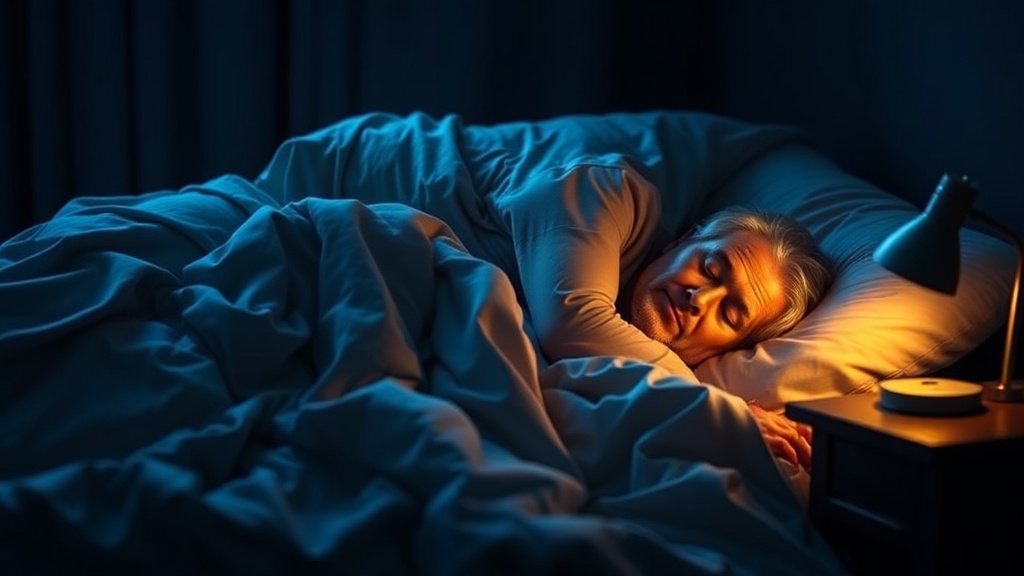
Evening light exposure affects sleep because light is one of the strongest signals controlling the body’s circadian rhythm. The timing, brightness, and wavelength of light can all influence when the body feels alert and when it begins preparing for sleep. Exposure to bright light in the evening, especially blue-rich light from screens and LED lighting, can delay sleep onset and reduce overall sleep quality.
This matters because good sleep supports far more than next-day energy. Sleep influences mood, metabolism, inflammation, cognitive performance, and many of the biological processes linked to healthy aging. In longevity science, sleep quality is closely connected to healthspan, which makes evening light exposure an important lifestyle factor rather than a minor habit. Learn more in our complete guide to longevity.
For many people, sleep difficulties are not caused only by stress or caffeine. They are also shaped by the modern light environment. Understanding how evening light affects the body can make it easier to improve sleep naturally and support better long-term health.
Understanding the Impact of Evening Light on Sleep
What Is Evening Light Exposure?
Evening light exposure refers to the light a person encounters after sunset, especially from indoor lighting, televisions, smartphones, tablets, computers, and bright household bulbs. While artificial light is useful and often necessary, it can also send the body a signal that it is still daytime when it should be preparing for rest.
Not all light has the same effect. Blue-rich light is particularly influential because it strongly affects the body’s circadian system. This is why screens and bright white lighting can feel stimulating late at night, even when a person is physically tired. The issue is not only brightness, but also the timing and spectral quality of the light being absorbed by the eyes.
In practical terms, too much evening light can make it harder to feel naturally sleepy. Over time, repeated exposure can weaken circadian alignment and contribute to later bedtimes, poorer sleep quality, and less restorative sleep.
Why Evening Light Can Disrupt Sleep Timing
Evening light affects sleep by shifting circadian rhythm later. The body relies on darkness to begin its transition into a sleep-ready state. When bright light continues into the evening, especially from close-up screens or strong indoor bulbs, the brain may interpret that as a cue to stay alert for longer.
This shift can delay bedtime, reduce sleepiness at the desired hour, and make it harder to wake refreshed the next morning. Even when the delay is modest, repeated exposure night after night can gradually weaken the body’s natural sleep timing. This is especially relevant for people who already struggle with insomnia, late bedtimes, or irregular schedules.
Because sleep timing influences energy, recovery, and many health biomarkers, managing evening light is one of the more practical ways to support a stronger circadian rhythm and better overall sleep hygiene.
How Light Affects Melatonin Production
What Is Melatonin and Why Does It Matter?
Melatonin is the hormone that helps signal to the body that it is time to sleep. Its production typically begins to rise in the evening as light levels fall, helping create the sense of sleepiness that supports natural sleep onset. This rise is part of the body’s circadian rhythm and is strongly influenced by light exposure.
When the evening environment remains bright, melatonin production may be delayed or reduced. That can make it harder to fall asleep at the desired time and may also reduce overall sleep quality. Melatonin is therefore not simply a sleep hormone. It is part of the larger timing system that helps the body distinguish between day and night.
For this reason, evening light exposure matters because it can directly interfere with one of the body’s most important signals for initiating sleep. Better control of light in the evening often leads to more natural sleepiness and more consistent rest.
Blue Light and Its Role in Disrupting Sleep
Blue light has a particularly strong effect on melatonin suppression. Short-wavelength light, such as the type commonly emitted by phones, tablets, computers, and LED bulbs, is especially effective at stimulating the part of the visual system that communicates with the brain’s master clock.
This means that blue-rich light can increase alertness and delay the body’s normal transition into sleep mode more than warmer, dimmer light. It is one reason late-night screen use often leaves people feeling mentally switched on even when they are physically tired.
Reducing blue light exposure in the evening can therefore support healthier melatonin timing and better sleep quality. This does not always require avoiding devices completely, but it does mean being more intentional about light intensity, timing, and exposure before bed.
How Evening Light Exposure Influences Sleep Quality
Why Evening Light Matters for Sleep Hygiene
Sleep hygiene is often discussed in terms of caffeine, bedtime routines, and room temperature, but evening light deserves equal attention. A bright evening environment can keep the body in a more alert state, reducing the natural contrast between daytime and nighttime that the circadian system depends on.
When this contrast weakens, the body may struggle to produce melatonin at the right time, and sleep can become lighter, later, or more fragmented. Over time, that can affect not only sleep quality but also mood, daytime energy, cognitive function, metabolism, and inflammation.
Improving sleep hygiene therefore includes paying attention to light exposure in the hours before bed. Dimming the environment and reducing screen intensity can support a more natural transition into sleep.
How Better Evening Light Habits Support Health
Managing evening light exposure can improve more than just the ability to fall asleep. Better sleep timing and quality may also support mood regulation, insulin sensitivity, cognitive performance, and recovery. These effects are highly relevant to healthy aging because poor sleep and circadian disruption have been linked to worse metabolic health and reduced resilience over time.
For many people, changing evening light habits is a low-cost, practical way to improve sleep without relying on more complicated interventions. Warm, dim lighting, less screen time before bed, and better alignment with the natural light-dark cycle can make a meaningful difference when practiced consistently.
These small adjustments can support a stronger circadian rhythm, better sleep architecture, and healthier daily function, all of which matter for both sleep health and long-term wellbeing.
Practical Tips to Minimize Evening Light Exposure
Adjust Your Lighting Environment
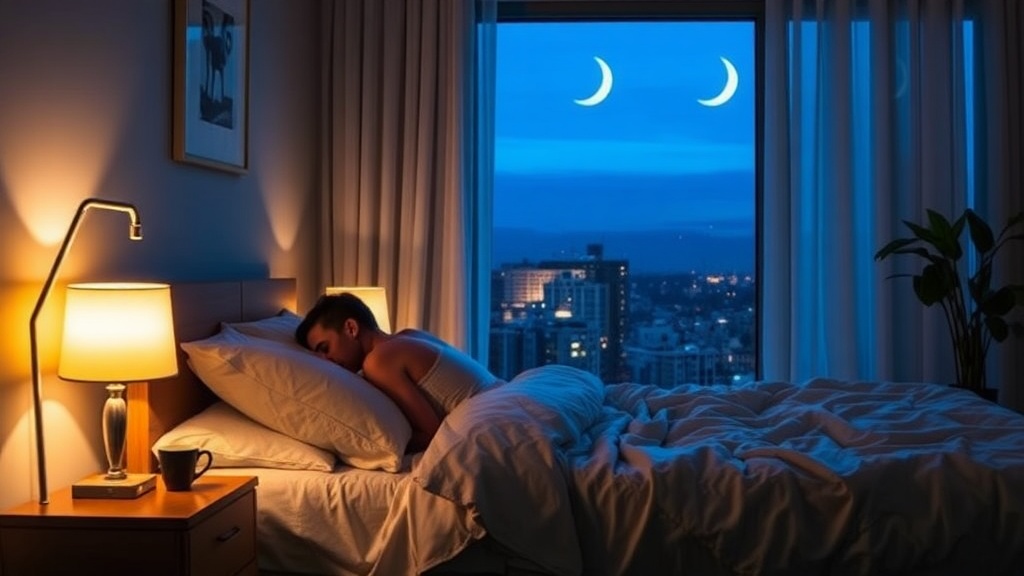
One of the simplest ways to reduce evening light disruption is to change the lighting environment at home. Warm, dim lighting is generally more sleep-friendly than bright overhead lights or cool white LEDs. Dimmable lamps, warm-colored bulbs, and softer lighting in the evening can help signal to the body that night is approaching.
Lowering light intensity after sunset helps restore the natural contrast between daytime brightness and nighttime darkness. This supports melatonin timing and makes it easier for the body to enter a sleep-ready state. A darker, calmer environment also tends to feel more relaxing, which further supports sleep hygiene.
These changes are simple, but they can have a meaningful effect when practiced consistently.
Limit Screen Time Before Bed
Reducing screen time in the hour before bed is one of the most effective ways to minimize evening blue light exposure. Phones, tablets, computers, and televisions emit light close to the eyes and often combine light stimulation with mental stimulation, both of which can delay sleep.
A useful strategy is to create a technology cut-off point before bedtime and replace screens with lower-stimulation activities such as reading, journaling, stretching, or listening to calming audio. Even a shorter screen-free window can help reduce alertness and improve the transition into sleep.
When screen use cannot be avoided, lowering brightness and increasing distance from the screen can still help reduce the overall impact.
Use Filters, Night Modes, and Other Supportive Tools
Blue light filters, device night modes, and blue light blocking glasses can be helpful tools, especially for people who need to use screens in the evening. These strategies may reduce the amount of short-wavelength light reaching the eyes, which can lessen melatonin suppression and support better sleep timing.
However, these tools work best as part of a broader approach rather than a complete solution on their own. A bright screen used late into the night can still delay sleep, even with a filter. The strongest results usually come from combining lower light levels, shorter screen exposure, and a more calming evening routine.
The goal is not perfection. It is to make the evening light environment more supportive of sleep and circadian health.
References and Resources
These resources provide useful background on evening light exposure, melatonin, circadian rhythm, and sleep quality:
Authoritative Sources on Does Evening Light Exposure Affect Sleep
- NIH – Light, Dark, and Sleep
nih.gov
Explains how light exposure affects circadian rhythms, melatonin production, and sleep timing.
- Sleep Foundation – How Light Affects Sleep
sleepfoundation.org
Provides accessible advice and scientific context on how artificial light affects sleep quality.
- Blue Light and Melatonin Suppression – NCBI
ncbi.nlm.nih.gov
Details the scientific relationship between blue light exposure and melatonin suppression.
- Sleep.org – How to Improve Sleep
sleep.org
Offers practical sleep hygiene guidance, including managing evening light exposure.
FAQ Section
Frequently Asked Questions
Does evening light exposure really impact sleep quality?
Yes. Evening light, especially bright or blue-rich light, can delay melatonin release and make it harder to fall asleep. It can also reduce sleep quality by weakening circadian alignment.

How does blue light influence Does Evening Light Exposure Affect Sleep?
Blue light suppresses melatonin more strongly than warmer wavelengths, which increases alertness and delays the body’s readiness for sleep. That is why screen use at night can be especially disruptive.
Can managing evening light improve sleep patterns?
Yes. Dimming lights, reducing screen exposure, and creating a calmer evening routine can help improve sleep onset, sleep consistency, and overall sleep quality.
What practical steps can I take to reduce Does Evening Light Exposure Affect Sleep?
Use warm, dim lighting after sunset, reduce screen brightness, activate night mode settings, wear blue light blocking glasses if needed, and avoid screens close to bedtime whenever possible.
Is it better to avoid artificial light entirely in the evening?
Not necessarily. The goal is not complete darkness for the whole evening, but a lower-light environment that is warmer and less stimulating. Gentle, dim lighting is usually a practical and effective compromise.
Conclusion
Evening light exposure affects sleep in a meaningful way by influencing melatonin production, circadian rhythm, and overall sleep timing. Bright or blue-rich light in the evening can delay sleep onset and reduce the quality of rest, especially when exposure becomes a nightly habit.
Managing evening light is one of the simplest ways to support better sleep hygiene and healthier circadian rhythms. Small changes such as dimming lights, limiting screens, and using warmer light at night can improve sleep quality and support better long-term wellbeing.
Find out more information about “Does Evening Light Exposure Affect Sleep”
Search for more resources and information: