Can Complex Motor Skill Learning Delay Brain Aging?
Understanding Brain Aging and the Role of Motor Skills
TL;DR: Complex motor skill learning may help delay brain aging because it combines movement, attention, memory, coordination, and adaptation in one activity. Evidence suggests these challenging skills support neuroplasticity, but they work best as part of a broader healthy aging strategy that includes exercise, sleep, nutrition, and social engagement.
Complex motor skill learning may help delay brain aging by stimulating neuroplasticity, challenging multiple brain networks, and keeping both movement and cognition engaged. It is not a guaranteed way to stop cognitive decline, but research suggests it can support brain health, mental sharpness, and long-term resilience.
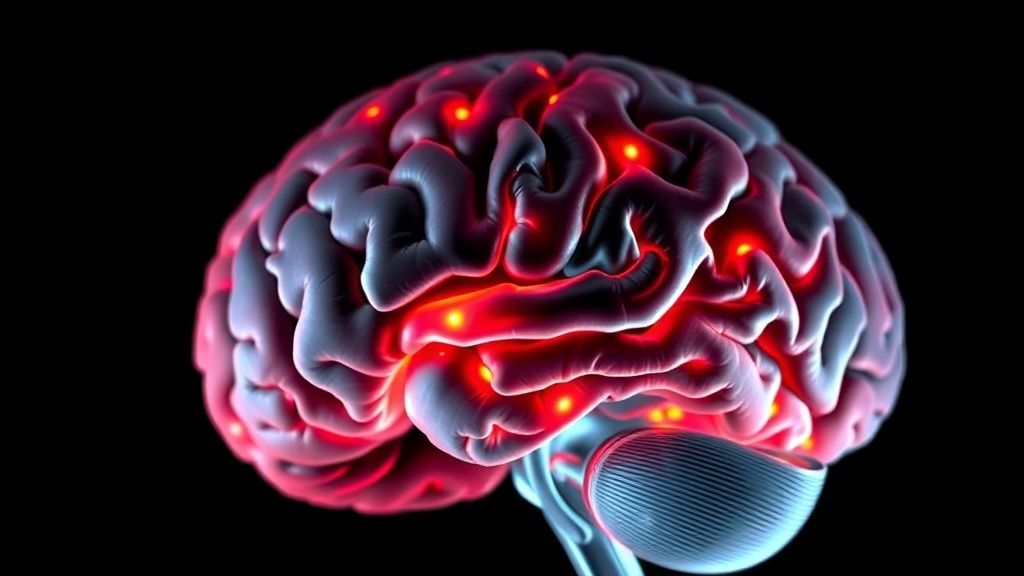
Brain aging typically involves gradual changes in processing speed, memory, executive function, and motor control. These changes are influenced by many factors, including physical activity, sleep, metabolic health, stress, and social engagement. Aging is not only a story of decline, however. The brain remains adaptable throughout life, and that adaptability is known as neuroplasticity.
Motor skill learning matters because it activates more than muscles. It requires sensory input, timing, spatial awareness, sequencing, error correction, attention, and memory. Activities that demand these abilities may help the brain stay flexible and responsive as we age.
This is why the question Complex Motor Skill Learning Delay Brain Aging is so important. The more an activity combines coordination with learning, the more likely it is to challenge the brain in a meaningful way. Learn more in our complete guide to longevity.
What Is Brain Aging and How Does It Affect Us?
Brain aging often shows up as slower reaction time, reduced multitasking ability, weaker memory retrieval, and less cognitive flexibility. These changes can begin earlier than many people expect, although the rate varies widely between individuals.
Research suggests that brain aging is shaped partly by changes in synaptic plasticity, vascular health, inflammation, and lifestyle. That means it is not fixed. Some people maintain strong cognitive function for decades because their daily habits keep the brain active and adaptable.
Why Motor Skills Are Important for Brain Health
Motor skills are important because they require the brain to coordinate movement with perception, timing, and decision-making. This is especially true for complex motor skills such as dancing, racket sports, martial arts, musical performance, or learning a new movement sequence.
These tasks challenge multiple brain regions at once, including areas involved in motor planning, attention, sensory integration, and memory. That makes them especially relevant for healthy aging, cognitive longevity, and maintaining functional independence.
How Complex Motor Skill Learning May Influence Brain Health
Neuroplasticity and Complex Motor Skills
Complex motor skill learning appears to support neuroplasticity because it asks the brain to adapt repeatedly. Each new sequence, pattern, or coordination challenge creates a demand for learning and refinement. That process may help strengthen existing neural pathways and encourage the formation of new ones.
Examples include learning choreography, practicing martial arts combinations, playing a musical instrument, improving tennis footwork, or mastering new movement patterns in yoga or Pilates. These are not just physical drills. They are full brain-body tasks that require attention, feedback, and adjustment.
Research suggests that this kind of learning may improve connectivity between brain regions and help preserve functions that tend to decline with age. That does not mean every motor task is equally useful. Repetitive movement with little learning demand may be less powerful than an activity that requires adaptation and skill progression.
How Learning Complex Motor Skills Can Potentially Delay Brain Aging
Complex Motor Skill Learning Delay Brain Aging may be possible because the brain responds well to novelty, challenge, and repetition. When a person learns a demanding movement skill, the brain must process sensory information, select actions, monitor errors, and update performance. That ongoing loop is a form of cognitive training.
There may also be indirect benefits. Many complex motor activities improve balance, confidence, mobility, and social connection. These factors matter because falls, inactivity, isolation, and reduced movement are all associated with worse brain health over time.
In practical terms, the most promising activities are those that remain slightly challenging. Once a skill becomes fully automatic, the brain stimulus may weaken. Progression, variation, and learning are what keep the benefit alive.
Scientific Evidence Linking Complex Motor Skill Learning Delay Brain Aging
Research Supporting the Idea That Motor Learning Can Delay Brain Aging
Evidence indicates that physically and cognitively demanding activities can support brain health in older adults. Studies on dance, coordination training, dual-task exercise, martial arts, and skill-based physical activity often show benefits for executive function, memory, balance, and neural efficiency.
Some neuroimaging research also suggests that motor learning can alter brain structure and function, including changes in connectivity and activity in regions linked to movement and cognition. These findings support the idea that learning-rich movement may help the brain remain adaptable with age.
This does not prove that complex motor skill learning alone can stop brain aging. It does suggest that regular exposure to new movement challenges may be one useful tool for preserving cognitive function and slowing aspects of age-related decline.
Limitations and Gaps in the Current Evidence
The evidence is promising, but there are limits. Many studies are small, short-term, or use different types of training, which makes comparisons difficult. It is also hard to separate the effect of motor complexity from the benefits of exercise itself, social interaction, or improved mood.
That is why the best conclusion is balanced: complex motor skill learning likely supports brain health, but it should not be treated as a standalone solution. Sleep quality, cardiovascular fitness, metabolic health, stress reduction, and ongoing learning all matter too.
In other words, Complex Motor Skill Learning Delay Brain Aging is a credible idea, but it works best inside a broader healthspan strategy.
Practical Strategies to Use Complex Motor Skills for Brain Longevity
Incorporating Complex Motor Activities Into Daily Life
The most practical approach is to choose activities that are enjoyable enough to repeat and challenging enough to require learning. Good examples include dance classes, martial arts, table tennis, golf skill practice, tennis, musical instruments, juggling, tai chi, and complex balance drills.
Start with a skill that matches current ability, then gradually increase difficulty. That might mean adding speed, complexity, coordination, rhythm, or dual-task elements such as movement plus memory. The key is not intensity alone. It is learning.
Short, consistent practice can be effective. Even a few focused sessions each week can create meaningful challenge if the task requires concentration and adaptation.
Designing a Personal Brain-Boosting Routine
A useful routine combines repetition with novelty. Repetition builds skill, while novelty keeps the brain engaged. One simple approach is to practice one core activity consistently while adding small variations over time.
For example, a weekly routine might include dance once or twice, a coordination-based sport once, and balance or footwork drills at home. Pairing movement learning with aerobic exercise may be especially useful because physical fitness also supports circulation, metabolism, and brain health.
Tracking progress can help motivation. Better timing, smoother movement, faster learning, or improved confidence are all signs that the brain and body are adapting.
Safety still matters. Choose activities that are appropriately challenging, use qualified instruction when needed, and progress gradually. The goal is brain stimulation, not injury.
References and Resources
These resources offer useful background on whether and how Complex Motor Skill Learning Delay Brain Aging:
Authoritative Sources on Complex Motor Skill Learning Delay Brain Aging
-
National Institute on Aging – Brain Health
nih.govProvides broad guidance on brain health, cognitive aging, and lifestyle factors that influence long-term cognitive resilience.
-
American Psychiatric Association – Brain and Cognitive Health
psych.orgExplains cognitive health, neuroplasticity, and why mentally engaging activities matter across the lifespan.
-
PubMed Central – Motor Learning and Brain Plasticity
nih.govReviews how motor learning influences neuroplasticity and why skill acquisition may benefit the aging brain.
-
Science Daily – Exercise and Brain Aging
sciencedaily.comSummarizes research on how exercise and movement-based learning may influence cognitive aging.
-
Frontiers in Aging Neuroscience – Motor Learning Interventions
frontiersin.orgDiscusses motor learning strategies and their potential effects on brain health in older adults.
-
New England Journal of Medicine – Exercise and Cognitive Aging
nejm.orgA classic clinical source on the relationship between physical activity and age-related cognitive decline.

-
APA – Neuroplasticity and Aging
apa.orgExamines how neuroplasticity can be supported through learning and behavior across the aging process.
Frequently Asked Questions
Can engaging in complex motor activities really delay brain aging?
It may help. Evidence suggests that complex motor activities support neuroplasticity, cognitive engagement, and functional brain health. They are not a cure for cognitive decline, but they may be a useful part of a long-term brain-healthy lifestyle.
What types of activities are most effective for promoting brain health through motor learning?
Activities that combine coordination, sequencing, attention, and adaptation are most promising. Examples include dance, martial arts, racket sports, tai chi, musical instrument practice, juggling, and skill-based balance training.
Are there any limitations or risks associated with using complex motor skills to slow brain aging?
Yes. Benefits depend on consistency, appropriate challenge, and safe progression. Overly difficult activities can increase frustration or injury risk, especially in older adults or people with mobility issues. Start at the right level and progress gradually.
How long does it typically take to see benefits in brain health from learning complex motor skills?
Benefits vary, but some improvements in coordination, attention, and confidence may appear within weeks to months of regular practice. Longer-term brain health effects are more likely with sustained, enjoyable participation over time.
Conclusion
Complex motor skill learning may help delay brain aging because it keeps the brain adapting through movement, attention, memory, and coordination. That combination makes it more than exercise alone. It is a form of brain training through action.
The strongest approach is to combine complex motor learning with other healthy aging habits such as aerobic exercise, strength work, sleep, good nutrition, stress control, and social connection. Used this way, it can become a practical and enjoyable strategy for protecting cognitive vitality over time.
Find out more information about “Complex Motor Skill Learning Delay Brain Aging”
Search for more resources and information: