
What Are the Top 5 Risk Factors for Shortened Lifespan?
The top 5 risk factors for a shortened lifespan are generally smoking, poor diet, physical inactivity, metabolic and cardiovascular disease risk, and harmful social or environmental conditions. Genetics matter, but for most people, the biggest drivers of reduced healthspan and earlier mortality are modifiable habits and exposures.
TL;DR: The biggest risks for a shorter lifespan are usually smoking, unhealthy diet, inactivity, poor metabolic health, and adverse social or environmental conditions. The most effective response is to improve daily habits early and manage risk factors before they become chronic disease.
Understanding these risks matters because lifespan is not shaped by a single cause. It is influenced by the interaction between behavior, metabolism, medical care, environment, and inherited predisposition. Learn more in our complete guide to longevity.
Although no list is perfect for every population, the clearest pattern is that preventable chronic disease risk remains central. In practical terms, a longer life usually depends less on finding one anti-aging trick and more on consistently reducing the major drivers of cardiovascular disease, cancer, diabetes, and frailty.
Understanding the Main Risk Factors
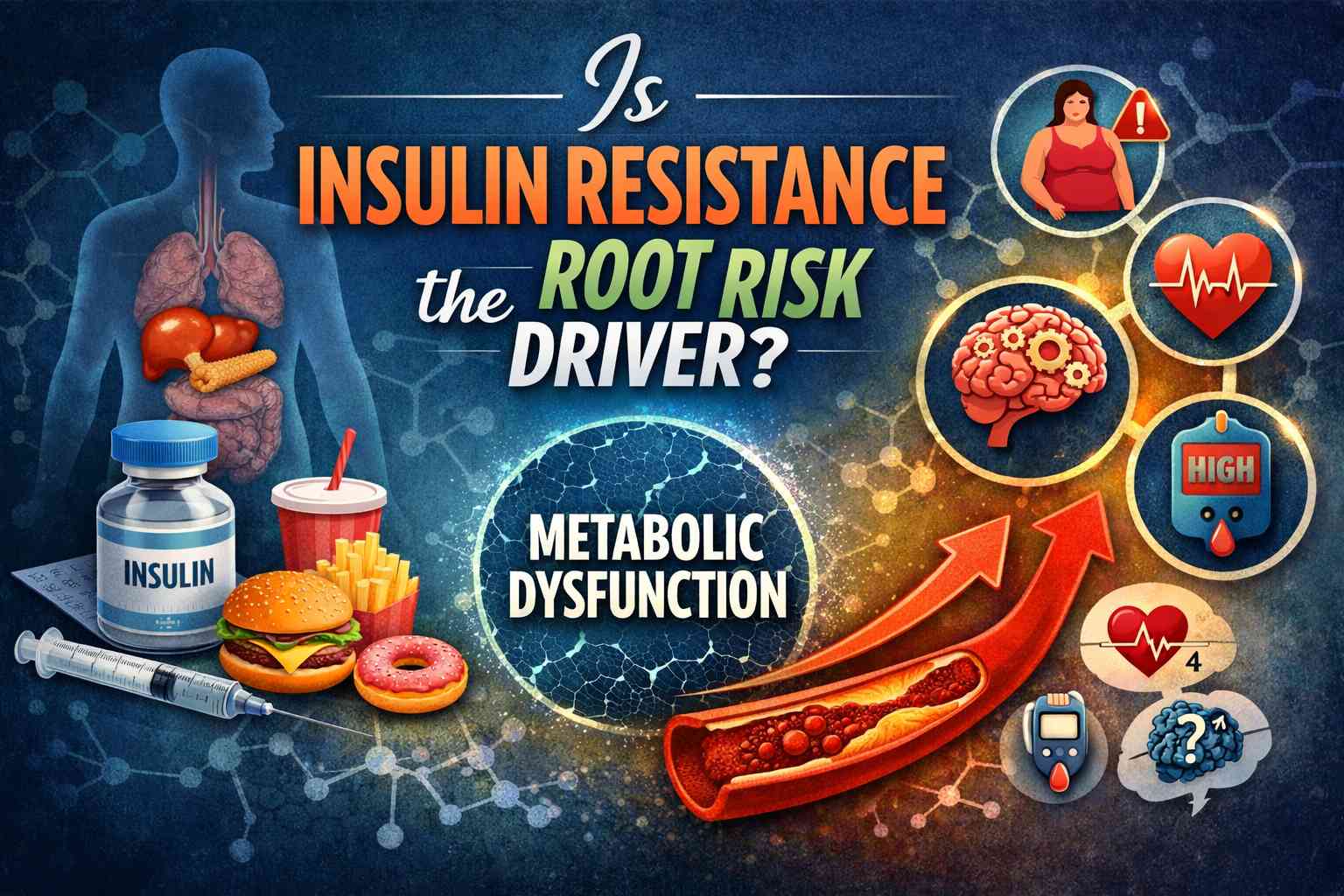
The most important risk factors for shortened lifespan tend to cluster together. Smoking raises the risk of cancer, cardiovascular disease, lung disease, and premature death. Poor diet and physical inactivity increase the likelihood of obesity, type 2 diabetes, metabolic dysfunction, and vascular disease. High blood pressure, poor glucose control, and abnormal blood lipids then compound those risks further.
These factors are often linked. For example, someone with a sedentary lifestyle and poor diet may develop excess visceral fat, insulin resistance, and hypertension, all of which raise mortality risk. That is why prevention works best when it targets overall lifestyle and biomarkers rather than one isolated issue.
A practical top five list often includes: smoking, poor diet, physical inactivity, unmanaged metabolic and cardiovascular risk, and harmful environmental or socioeconomic conditions. Different studies may rank them differently, but these categories appear repeatedly in public health research.
Lifestyle Choices That Impact Longevity
Diet is one of the strongest lifestyle influences on lifespan. Eating patterns high in ultra-processed foods, excess calories, sugary drinks, and low-fibre meals are associated with worse metabolic health and higher risk of chronic disease. By contrast, diets built around minimally processed foods, vegetables, fruit, legumes, whole grains, healthy fats, and adequate protein are more supportive of long-term health.
Physical inactivity is another major risk. Regular movement supports cardiovascular health, body composition, insulin sensitivity, mobility, and brain function. A sedentary lifestyle increases the risk of diabetes, heart disease, frailty, and lower endurance, all of which can shorten healthspan and lifespan.
Smoking remains one of the clearest preventable causes of early death. It damages blood vessels, lungs, DNA, and multiple organ systems. Excess alcohol can also reduce lifespan, especially when intake is heavy or chronic. Together, these exposures create cumulative biological stress that accelerates aging and disease risk.
Genetics and Family History
Genetics influence susceptibility to many diseases, but they do not fully determine lifespan. A family history of heart disease, certain cancers, type 2 diabetes, or neurodegenerative disease can increase risk, yet lifestyle still plays a major role in how those risks are expressed.
Family history is most useful when it informs prevention. Knowing that certain conditions run in a family may encourage earlier screening, better blood pressure control, improved diet, and closer attention to body composition and exercise. In that sense, genetics provide context rather than destiny.
Some people may benefit from more specific medical assessment or genetic counseling, especially when inherited conditions are strongly suspected. Even then, the most effective strategy is often the same: reduce modifiable risks and track the relevant biomarkers over time.
Environmental and Societal Influences
Environment matters because health is shaped by more than personal choice. Air pollution, unsafe housing, poor access to healthy food, occupational exposures, and chronic stress can all increase disease risk and reduce lifespan. Long-term exposure to toxins or poor air quality may raise the risk of cardiovascular and respiratory disease.
Socioeconomic conditions also matter. Access to healthcare, education, preventive screening, medication, safe places to exercise, and stable living conditions all influence how early disease is detected and how well it is managed. Research consistently shows that social disadvantage can shorten lifespan through multiple pathways.
This does not mean individual actions are irrelevant. It means the strongest longevity strategy often combines personal habits with structural advantages such as access to healthcare, cleaner environments, and better preventive support.
Preventive Measures and Personal Strategies
The most effective way to reduce lifespan risk is to act on the major modifiable drivers early. Not smoking, exercising regularly, eating a nutrient-dense diet, sleeping well, maintaining a healthier body composition, and managing stress all help lower chronic disease risk. These habits also improve metabolism, endurance, and resilience with aging.
Preventive healthcare matters too. Regular blood pressure checks, glucose monitoring, lipid testing, cancer screening where appropriate, and vaccination can all reduce avoidable disease burden. Early detection is often the difference between a manageable condition and a life-shortening one.
It also helps to focus on key biomarkers rather than appearance alone. Waist circumference, blood pressure, fasting glucose, triglycerides, fitness level, and smoking status often tell more about lifespan risk than body weight by itself.
Small, consistent changes usually matter more than extreme short-term efforts. The goal is to build habits that reduce disease risk across decades, not just improve health for a few weeks.
References and Resources
These resources provide useful background on the major risk factors linked with shorter lifespan and premature mortality.
Authoritative Sources on Top Risk Factors for Shortened Lifespan
- World Health Organization (WHO)
who.int
Provides global data on major health risks, chronic disease burden, and strategies that support longer life and better healthspan.

- Centers for Disease Control and Prevention (CDC)
cdc.gov
Offers practical guidance on smoking, obesity, inactivity, cardiovascular disease, diabetes, and other preventable causes of early death.
- National Institutes of Health (NIH)
nih.gov
Provides research-based information on genetic, behavioral, and environmental factors that influence lifespan and disease risk.
- Wellness Magazine
wellness.com
Contains accessible articles on lifestyle change, prevention, and general wellness.
- Healthline
healthline.com
Provides plain-language summaries of key health risks and practical ways to improve long-term health.
- Medical News Today
medicalnewstoday.com
Summarizes research findings and expert commentary on lifestyle, disease prevention, and aging-related risks.
- New England Journal of Medicine
nejm.org
Publishes peer-reviewed research on disease prevention, medical risk factors, and lifespan-related health outcomes.
Frequently Asked Questions
Frequently Asked Questions
What are the most preventable risk factors for a shortened lifespan?
Smoking, poor diet, physical inactivity, excess body fat, and unmanaged blood pressure or blood sugar are among the most preventable. These risks account for a large share of chronic disease and premature mortality.
Do genetics outweigh lifestyle when it comes to lifespan?
Usually not. Genetics influence risk, but lifestyle and environment often have a larger effect on whether that risk becomes disease. Family history matters, but daily habits remain one of the strongest drivers of long-term outcomes.
Can environmental factors significantly shorten lifespan?
Yes. Pollution, unsafe housing, occupational toxins, chronic stress, and poor access to healthcare can all reduce lifespan by increasing disease risk and delaying treatment.
What strategies can help reduce the top lifespan risk factors?
Not smoking, exercising regularly, improving diet quality, maintaining a healthier waist size, managing stress, sleeping well, and using preventive healthcare are among the most effective strategies.
What is the most important factor in preventing a shortened lifespan?
There is no single factor for everyone, but overall lifestyle is often the most powerful area people can control. Consistent habits that improve cardiovascular and metabolic health usually have the biggest long-term effect.
Conclusion
The top 5 risk factors for shortened lifespan are usually smoking, poor diet, physical inactivity, unmanaged metabolic and cardiovascular risk, and harmful environmental or social conditions. These factors often reinforce one another, which is why prevention works best when approached as a whole system rather than a single fix.
The good news is that many of the biggest risks are modifiable. Better nutrition, regular exercise, preventive screening, smoking cessation, and early disease management can all make a meaningful difference to lifespan and healthspan. For most people, the most effective longevity strategy is not extreme. It is consistent, evidence-based risk reduction over time.
Find out more information about “Are the Top 5 Risk Factors for Shortened Lifespan”
Search for more resources and information: