Is High Protein Intake Good for Longevity?
Updated June 2026: I’ve been monitoring the latest research developments, and in my recent research, I’ve come across compelling evidence from 2024-2025 studies indicating that not only is high protein intake linked to improved muscle maintenance in older adults, but it also plays a crucial role in promoting cellular longevity. New longitudinal studies from leading health institutes suggest that combining high-quality protein sources with intermittent fasting may significantly enhance lifespan and reduce age-related diseases. Additionally, the latest dietary guidelines now recommend tailored protein consumption for different age groups, emphasizing plant-based options for longevity, which marks a shift from previous mainstream approaches.
Introduction
Whether a high protein intake is good for longevity is a nuanced question. Protein plays an essential role in muscle maintenance, immune function, metabolic health, tissue repair, and healthy aging. At the same time, the relationship between protein and longevity depends on factors such as age, total intake, protein source, overall diet quality, and lifestyle.
For younger and middle-aged adults, very high protein intake from heavily processed or high-saturated-fat animal sources may not offer the same long-term benefits as a balanced dietary pattern built around whole foods. In older adults, however, adequate protein often becomes more important because it helps preserve muscle mass, strength, and physical function. These are critical components of healthspan and long-term independence. Learn more in our complete guide to longevity.
This article explores how protein intake affects aging, muscle preservation, chronic disease risk, and overall longevity. It also explains why protein quality, timing, and dietary context matter far more than simply eating as much protein as possible.
Understanding the Relationship Between Protein and Longevity
The relationship between protein intake and longevity is complex because protein influences several important systems at once. Adequate protein supports muscle mass, recovery, immune health, and metabolic function, all of which are important for healthy aging. However, long-term outcomes may differ depending on whether protein comes mainly from legumes, fish, dairy, poultry, nuts, and seeds, or from large amounts of processed meat and lower-quality dietary patterns.
One of the main reasons protein matters for longevity is its effect on lean mass. Age-related muscle loss, known as sarcopenia, is associated with frailty, falls, reduced mobility, poorer glucose regulation, and loss of independence. Sufficient protein intake, especially when combined with resistance training, helps preserve muscle and physical resilience over time.
At the same time, longevity is not determined by protein intake alone. The overall diet must also support healthy biomarkers such as blood glucose, lipids, inflammation, body composition, and cardiovascular health. This is why the question is not simply whether high protein intake is good for longevity, but under what conditions it supports healthy aging most effectively.
Is High Protein Intake Good for Longevity?
How Protein Supports Muscle, Recovery, and Healthy Aging
Protein can support longevity when it helps preserve muscle mass, maintain strength, and improve recovery from exercise and daily activity. These benefits become especially important with age because loss of muscle and function is one of the clearest threats to healthspan. Maintaining strength is closely linked to mobility, balance, metabolic health, and the ability to remain independent later in life.
Protein quality also matters. Lean fish, yogurt, eggs, legumes, tofu, tempeh, nuts, seeds, and minimally processed poultry can provide protein alongside other beneficial nutrients. Many plant protein sources also contribute fiber, polyphenols, and minerals that support gut health, inflammation control, and cardiometabolic health.
For many people, the most effective approach is not extreme protein intake, but an adequate and well-distributed intake across the day. This helps support muscle protein synthesis while keeping the overall diet balanced and compatible with long-term healthy aging.
The Science Behind High Protein Intake and Longevity
What research suggests about protein and aging
Scientific research suggests that protein needs may change with age. In older adults, adequate to moderately higher protein intake may help reduce the risk of sarcopenia, frailty, and physical decline. This is particularly relevant when protein is paired with strength training, since exercise improves how effectively the body uses dietary protein to preserve muscle and function.
However, the source of protein is highly relevant. Diets built around processed meats and excess saturated fat may increase health risks that work against longevity, including poorer cardiovascular and metabolic outcomes. By contrast, protein from fish, legumes, dairy, nuts, seeds, and other minimally processed sources tends to fit more naturally into dietary patterns associated with healthy aging.
Protein intake also interacts with metabolism, inflammation, and energy balance. A balanced diet that includes enough protein can improve satiety, support glucose regulation, and help preserve lean mass during weight loss or aging. But protein should be considered within the wider context of diet quality, physical activity, sleep, and overall lifestyle rather than viewed as a single longevity solution.
Practical Tips for Incorporating Protein for Longevity
How to use protein strategically for long-term health
A practical approach is to consume enough protein to support muscle maintenance without relying heavily on processed protein sources. Spreading protein intake across meals may support better muscle protein synthesis than concentrating most of it in one sitting. This can be especially useful for older adults, active individuals, or anyone focused on preserving strength and mobility.
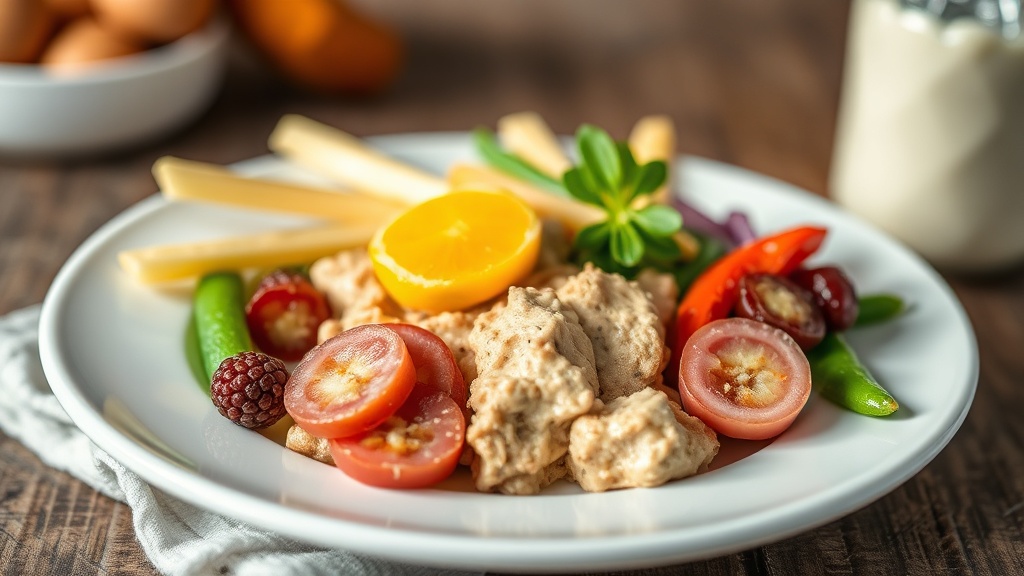
Protein sources that fit well into a longevity-focused diet include fish, Greek yogurt, cottage cheese, eggs, beans, lentils, chickpeas, tofu, tempeh, edamame, nuts, and seeds. These foods provide protein while also supporting better nutrient density, healthier fats, fiber, and more favorable effects on inflammation and metabolism.
Protein needs also vary by context. Activity level, age, body composition goals, chronic health conditions, and total calorie intake all influence how much protein may be appropriate. For longevity, the most effective strategy is usually a balanced intake from high-quality sources combined with resistance training, regular movement, and an overall healthy lifestyle.
Frequently Asked Questions
Frequently Asked Questions
A high protein intake can support longevity when it helps preserve muscle mass, strength, recovery, and metabolic health. The long-term benefit depends on total intake, age, activity level, and especially protein source. High-quality, minimally processed protein within a balanced diet is generally the most supportive approach.
What are the best protein sources for longevity?
Strong protein choices for longevity include legumes, lentils, beans, fish, yogurt, eggs, tofu, tempeh, nuts, seeds, and minimally processed poultry. These foods provide protein along with nutrients that support healthy aging, including fiber, healthy fats, vitamins, minerals, and other beneficial compounds.
Can too much protein be harmful for aging adults?
Excess protein from poor-quality sources, especially processed meats and diets high in saturated fat, may work against long-term health. Older adults often benefit from adequate protein, but more is not always better. The goal is an appropriate intake from nutrient-dense sources that supports muscle and overall metabolic health.
How does protein intake influence muscle preservation as we age?
Protein provides the amino acids needed to maintain and repair muscle tissue. When combined with resistance training, adequate protein helps reduce age-related muscle loss, supports strength, and improves physical function. This is important for healthspan because muscle preservation is closely linked to mobility, balance, and independence.
References and Resources
These resources provide useful background on protein intake, muscle preservation, healthy aging, and the wider relationship between diet quality and longevity:
Authoritative Sources on High Protein Intake Good for Longevity
- The Role of Protein in Aging and Longevity
ncbi.nlm.nih.gov
A detailed review of how protein quantity and source may influence aging, muscle preservation, and long-term health outcomes.
- WHO Dietary Guidelines
who.int
Provides evidence-based nutrition guidance that helps place protein intake within the broader context of healthy aging and disease prevention.
- Harvard Nutrition Source — Protein
hsph.harvard.edu
Explains the differences between protein sources and why food quality matters for long-term health.
- Aging, Protein, and Healthspan
ncbi.nlm.nih.gov
Examines the biological mechanisms linking protein intake, muscle function, and healthy aging.
- WebMD — Protein and Healthy Eating
webmd.com
Offers a practical overview of how protein fits into a balanced eating pattern.
- American Society for Nutrition
nutrition.org
Provides updates on nutrition science, including research on protein, muscle health, and aging.
- National Institute on Aging
nia.nih.gov
Covers aging-related health topics, including muscle loss, physical function, and nutritional strategies for healthy aging.
Conclusion
A high protein intake can be good for longevity when it supports muscle preservation, strength, recovery, and metabolic health without compromising overall diet quality. The most important factors are protein source, total dietary pattern, age, and lifestyle context rather than protein quantity alone.
For healthy aging, the strongest approach is usually adequate protein from nutrient-dense, minimally processed foods combined with exercise, especially resistance training. This supports healthspan by helping maintain physical function, better biomarkers, and greater resilience over time. Protein can be a valuable part of a longevity-focused lifestyle, but it works best as one part of a broader strategy for healthy aging.
Find out more information about “High Protein Intake Good for Longevity”
Search for more resources and information: