How Does Autophagy Affect Lifespan?
Updated August 2026: I’ve been monitoring the latest advancements in autophagy research, and in my recent research, I’ve found that new clinical trials from early 2024 have begun exploring autophagy modulators as potential anti-aging therapies. Notably, a groundbreaking study published in mid-2025 demonstrated that targeted activation of autophagy pathways could extend lifespan in mammalian models, sparking renewed interest among scientists and longevity enthusiasts alike. This year, innovative biomarkers have also been developed, allowing researchers to better measure autophagic activity and its direct impact on cellular aging, making the link between autophagy and lifespan more tangible than ever before.
Understanding Autophagy and Its Role in Aging
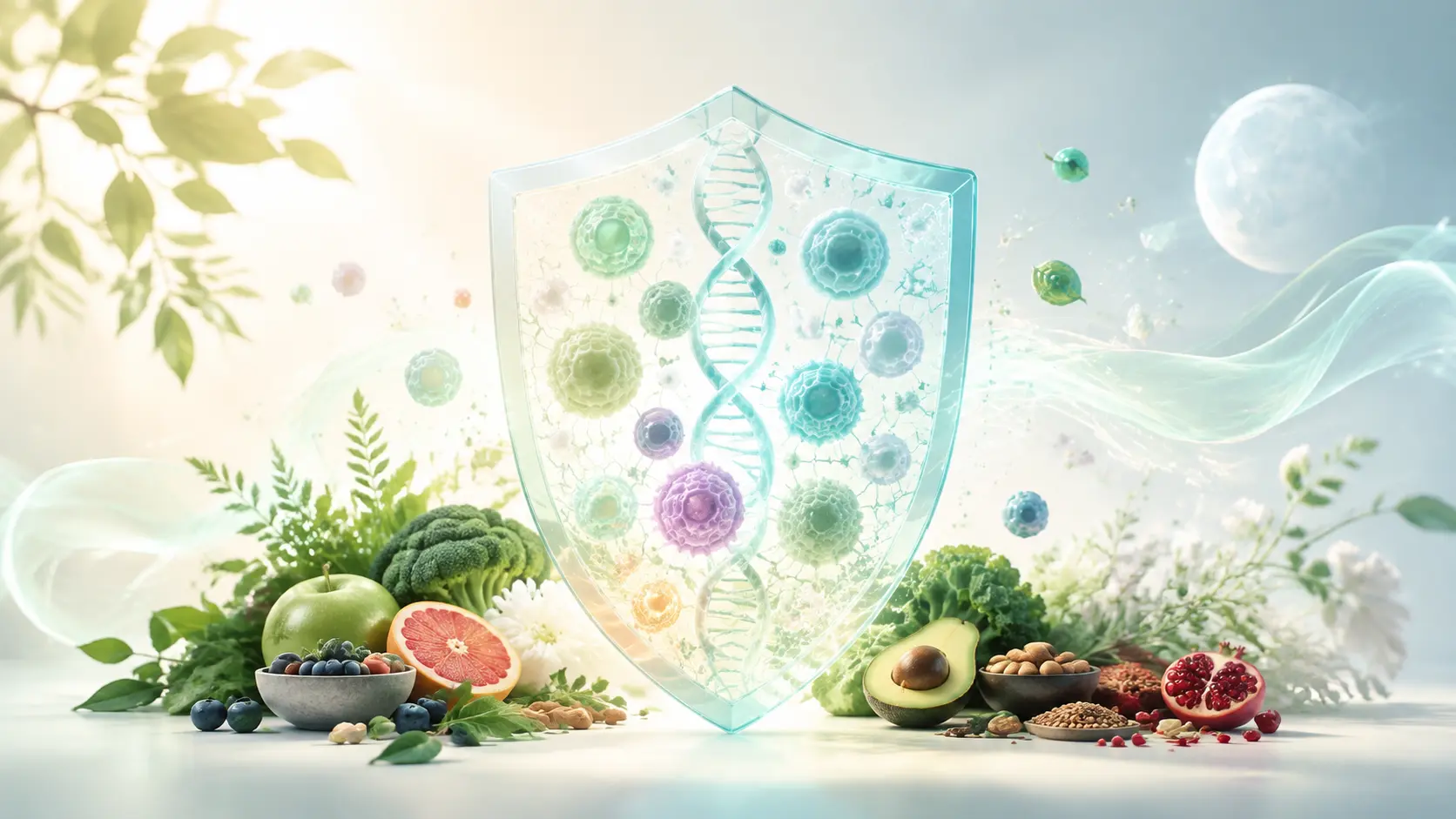
Autophagy is a fundamental biological process that helps maintain cellular health by removing damaged proteins, dysfunctional organelles, and other cellular debris. The term literally means “self-eating,” reflecting the cell’s ability to break down and recycle its own components.
This cellular recycling system plays an important role in maintaining metabolic balance, reducing inflammation, and protecting cells from accumulating damage over time. As organisms age, the efficiency of autophagy often declines, allowing cellular waste and dysfunctional components to build up. This accumulation contributes to several hallmarks of aging, including mitochondrial dysfunction, chronic inflammation, and impaired metabolism.
Because of its role in maintaining cellular integrity, autophagy has become a major focus of longevity science. Enhancing this natural cleanup process may help improve healthspan by slowing the biological processes that contribute to aging.
For a broader overview of the science behind healthy aging and lifespan extension, learn more in our complete guide to longevity.
How Autophagy Supports Longevity
Autophagy helps maintain long-term cellular function by clearing damaged proteins and dysfunctional organelles before they accumulate and disrupt metabolic processes. This continuous repair system supports cellular homeostasis and helps prevent the buildup of damage associated with age-related decline.
Efficient autophagy contributes to improved mitochondrial function, reduced oxidative stress, and better metabolic regulation. These benefits are closely linked to longevity biomarkers that researchers associate with healthy aging.
What Research Suggests About Autophagy and Lifespan
A growing body of research shows that increased autophagy activity is associated with longer lifespan in many organisms, including yeast, worms, flies, and mammals. Interventions such as caloric restriction and certain pharmacological compounds can stimulate autophagy and have been shown to extend lifespan in experimental models.
While human research is still developing, these findings suggest that autophagy plays an important role in maintaining cellular resilience and supporting long-term health.
Does Autophagy Affect Lifespan?
Autophagy influences lifespan primarily through its ability to maintain cellular quality control. By removing damaged proteins and malfunctioning organelles, the process prevents the accumulation of cellular defects that contribute to aging and chronic disease.
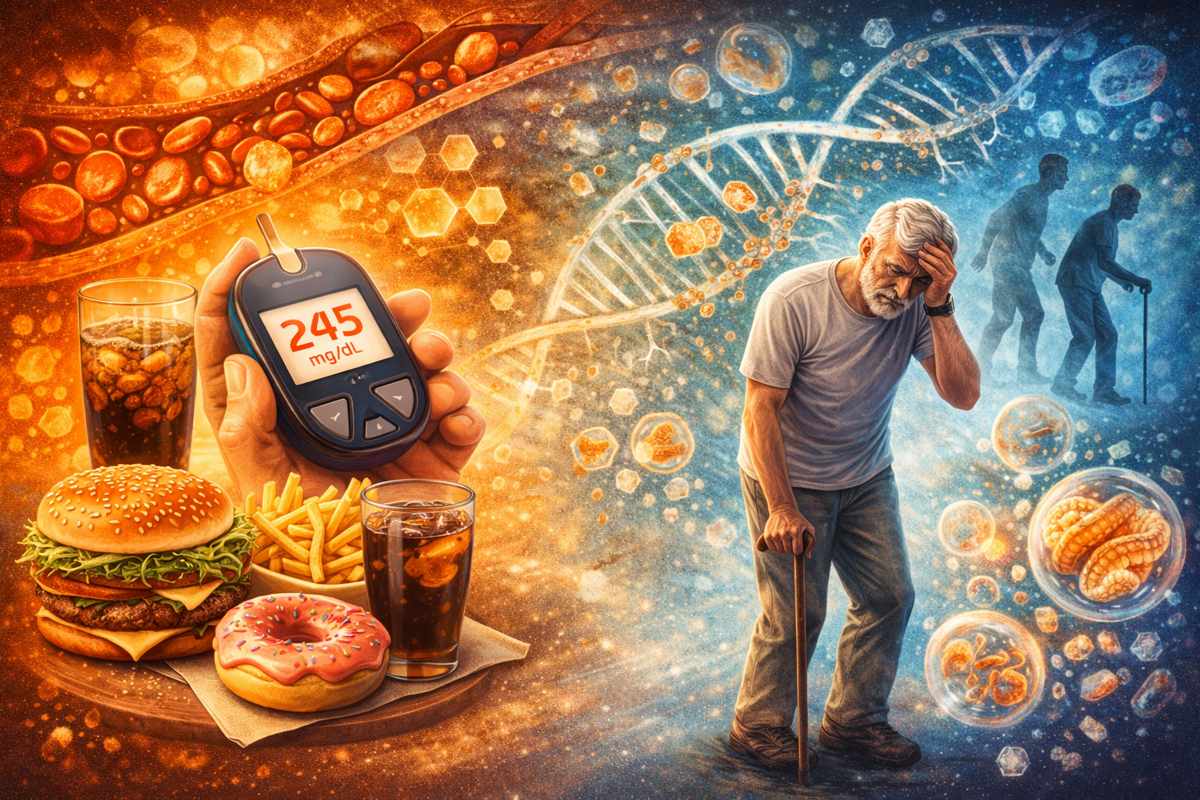
As cellular damage increases with age, impaired autophagy can accelerate biological aging and increase the risk of neurodegenerative disease, metabolic dysfunction, and cardiovascular conditions. Efficient autophagy helps counteract these processes by maintaining cellular repair mechanisms.
Research suggests that many interventions associated with longevity—including caloric restriction, intermittent fasting, and exercise—may extend lifespan partly because they stimulate autophagy and improve metabolic efficiency.
The Biological Mechanisms Behind Autophagy and Longevity
How Autophagy Works at the Cellular Level
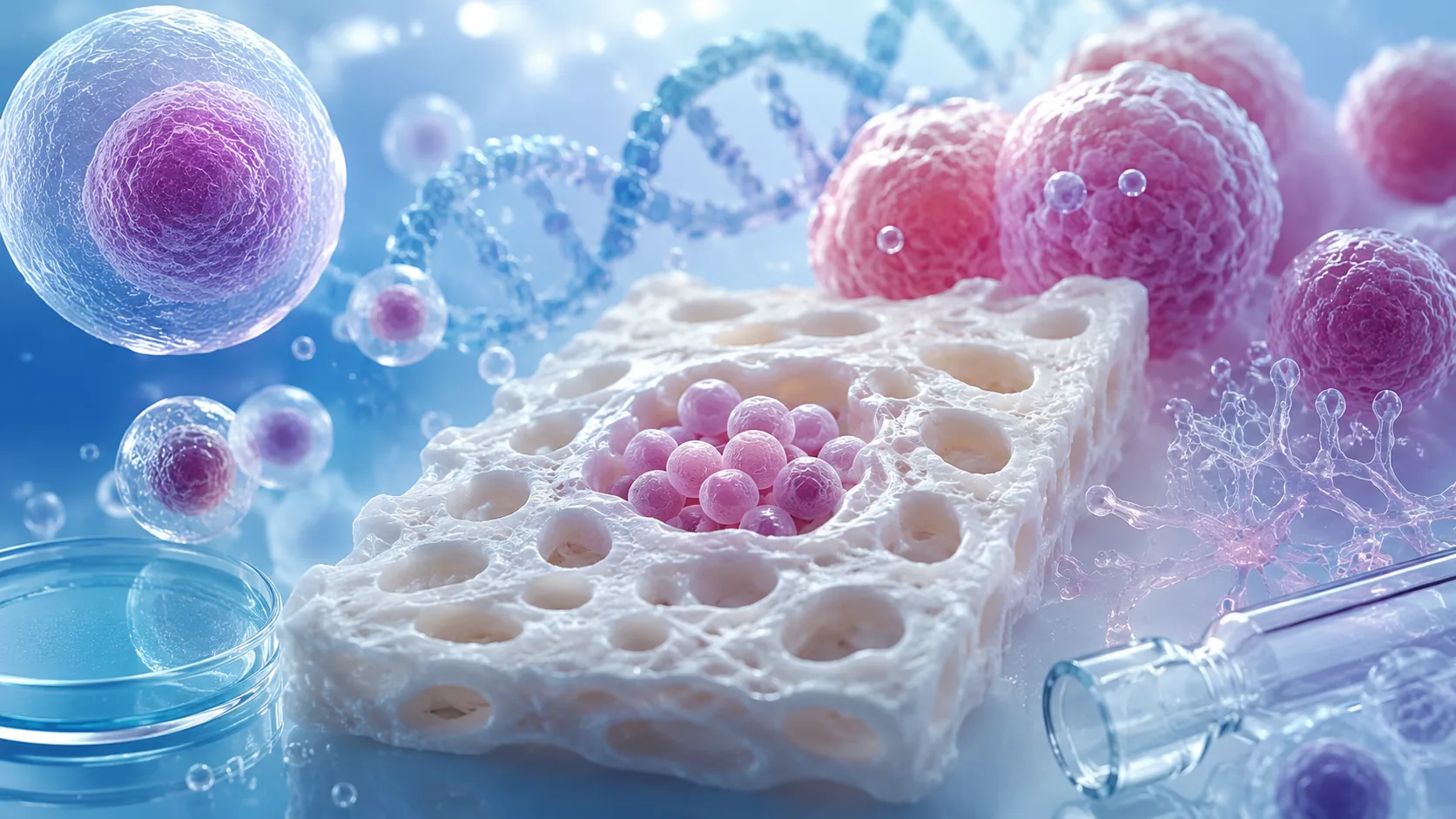
Autophagy begins with the formation of a structure called an autophagosome, a membrane that surrounds damaged cellular components. This structure then fuses with a lysosome, where enzymes break down the contents and recycle them into usable cellular building blocks.
This recycling system helps maintain cellular homeostasis by preventing the accumulation of dysfunctional proteins and organelles. It also supports energy efficiency during times of nutrient scarcity.
Because aging is associated with increased cellular damage and metabolic stress, maintaining efficient autophagy is considered an important mechanism for protecting long-term cellular function.
Autophagy’s Role in Disease Prevention
Autophagy plays an important role in protecting against several age-related diseases. The process helps remove toxic protein aggregates that are associated with neurodegenerative disorders such as Alzheimer’s disease and Parkinson’s disease.
It also supports metabolic health by regulating inflammation and maintaining mitochondrial quality control. When autophagy declines, damaged mitochondria accumulate and increase oxidative stress, which contributes to aging and chronic disease.
By maintaining cellular repair mechanisms, autophagy helps preserve tissue function and metabolic stability throughout the aging process.
Practical Ways to Enhance Autophagy for Longevity
Intermittent Fasting and Caloric Restriction
Fasting and caloric restriction are among the most widely studied lifestyle strategies for stimulating autophagy. During periods of reduced nutrient availability, cells activate energy-conservation pathways that increase autophagic activity.
This response promotes cellular repair and metabolic adaptation. Many longevity researchers believe that intermittent fasting may support healthy aging partly through this mechanism.
Exercise and Metabolic Health
Regular physical activity activates metabolic pathways that support autophagy and mitochondrial health. Exercise increases energy demand within cells, which triggers adaptive responses that enhance cellular repair and improve metabolic efficiency.
These adaptations contribute to improved insulin sensitivity, reduced inflammation, and better overall metabolic resilience.
Natural Compounds That Influence Autophagy
Certain natural compounds and nutrients are being studied for their potential ability to stimulate autophagy. These include compounds such as spermidine, resveratrol, and other plant-derived molecules that influence nutrient-sensing pathways involved in cellular repair.
While research is ongoing, these compounds highlight the growing interest in targeting cellular maintenance systems to support healthy aging.
Scientific Evidence Linking Autophagy and Lifespan
Evidence from Model Organisms
Experimental research across multiple species demonstrates a strong relationship between autophagy and lifespan. In laboratory studies, genetic or pharmacological interventions that enhance autophagy frequently extend lifespan in organisms such as yeast, worms, flies, and mice.
These findings support the theory that improved cellular maintenance contributes to longer life and reduced age-related damage.
Human Longevity Research
Human research is more complex because aging involves many interacting biological systems. However, studies examining biomarkers of aging often show that individuals with stronger metabolic health and better mitochondrial function tend to exhibit higher autophagy activity.
Lifestyle patterns associated with longevity—including physical activity, balanced nutrition, and metabolic flexibility—are also linked to biological pathways that support autophagy.
Although more clinical research is needed, current evidence strongly suggests that maintaining efficient cellular repair systems plays a key role in extending healthspan.
References and Resources
The following scientific resources provide valuable insights into how autophagy influences aging, metabolism, and lifespan.
Authoritative Sources on Autophagy and Longevity
-
National Institute on Aging: Autophagy and Aging
nia.nih.govAn overview of how autophagy contributes to cellular health and aging processes.
-
Trends in Cell Biology: Autophagy and Longevity
cell.comA scientific review examining the relationship between autophagy and lifespan.
-
NIH: Autophagy, Aging, and Disease
nih.govResearch exploring the molecular links between autophagy and age-related disease.
-
Nature: Autophagy and Aging
nature.comA detailed scientific discussion on the role of autophagy in aging biology.
-
Aging Research: Autophagy Interventions
aging-us.comResearch on interventions that stimulate autophagy and support longevity.
-
ScienceDirect: Autophagy and Healthy Aging
sciencedirect.comExplores therapeutic strategies targeting autophagy to support longevity.
-
Frontiers in Cell Biology: Enhancing Autophagy
frontiersin.orgDiscusses lifestyle and pharmacological strategies that influence autophagy.

Frequently Asked Questions
Does autophagy play a role in aging?
Yes. Autophagy helps remove damaged proteins and dysfunctional cellular components that accumulate with age. Efficient autophagy supports cellular repair mechanisms and reduces the biological stress that contributes to aging and chronic disease.
Can increasing autophagy extend lifespan?
Research in multiple organisms shows that enhanced autophagy is associated with increased lifespan. While human evidence is still developing, interventions that stimulate autophagy are strongly linked with improved metabolic health and extended healthspan.
What lifestyle habits stimulate autophagy?
Intermittent fasting, caloric restriction, regular exercise, and metabolic flexibility can stimulate autophagy. These lifestyle patterns activate cellular pathways involved in energy balance and cellular repair.
Are there risks associated with increasing autophagy?
Autophagy is a natural and tightly regulated biological process. However, extreme interventions such as prolonged fasting may not be appropriate for everyone. Lifestyle changes should be approached gradually and with appropriate medical guidance when necessary.
How does autophagy influence age-related diseases?
Autophagy helps remove toxic protein aggregates and damaged mitochondria that contribute to diseases such as Alzheimer’s disease, metabolic disorders, and cardiovascular conditions. Maintaining efficient autophagy supports long-term cellular health and disease resistance.
Conclusion
Autophagy plays a critical role in maintaining cellular health and protecting the body from the accumulation of age-related damage. By recycling dysfunctional cellular components and supporting metabolic balance, autophagy contributes to healthier aging and improved longevity biomarkers.
Lifestyle strategies such as exercise, metabolic balance, and intermittent fasting may support this cellular repair system and improve long-term healthspan. As research continues to evolve, autophagy remains one of the most promising biological mechanisms for understanding how to promote healthy aging and extend lifespan.
Find out more information about “Does Autophagy Affect Lifespan”
Search for more resources and information:
“`