How Does Inflammation Affect Brain Health?
Understanding Inflammation and Brain Health
TL;DR: Yes, inflammation can affect brain health, especially when it becomes chronic. Ongoing inflammation is linked with poorer cognition, worse mood, higher risk of neurodegenerative disease, and unhealthy brain aging, while better sleep, exercise, diet, and stress control may help reduce that burden.
Yes, inflammation can affect brain health. While short-term inflammation is part of normal immune defense, chronic inflammation may impair brain function, worsen mood, disrupt memory and focus, and raise the risk of cognitive decline and neurodegenerative disease. This is especially relevant for aging, because long-term inflammatory stress can interact with metabolism, vascular health, and other biomarkers that influence brain resilience over time.
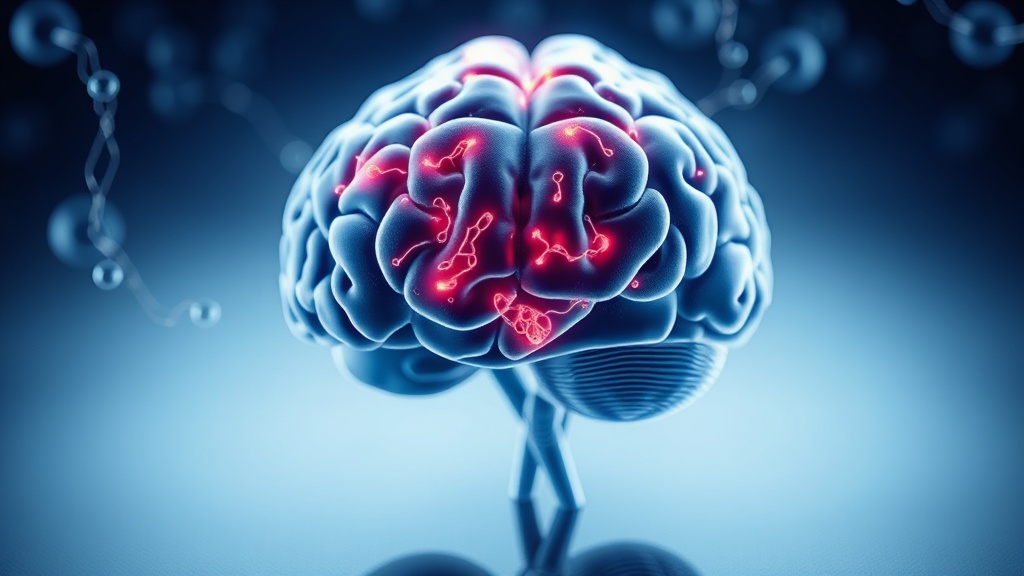
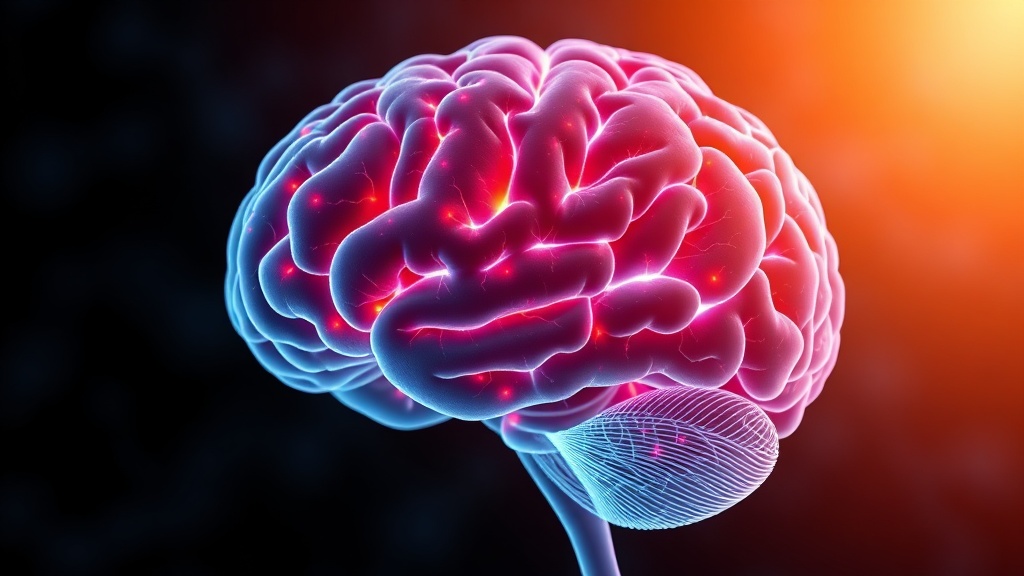
Inflammation that affects the brain is often described as neuroinflammation. It involves immune signaling inside the nervous system and can influence how neurons communicate, how brain cells respond to injury, and how well the brain repairs itself. Research suggests that when this process stays switched on for too long, it can contribute to slower thinking, lower mental clarity, and worse long-term brain health.
That is why inflammation matters beyond infection or injury. It is part of the wider biology of aging, healthspan, metabolism, and recovery. Learn more in our complete guide to longevity.
Does Inflammation Affect Brain Function and Cognitive Decline?
How Does Inflammation Impact Cognitive Performance?
Inflammation can affect cognition by disrupting normal communication between brain cells. Inflammatory molecules may alter neurotransmitter balance, interfere with synaptic signaling, and make the brain less efficient at tasks involving memory, focus, processing speed, and decision-making.
When inflammation becomes chronic, these effects may become more noticeable. Evidence indicates that persistent inflammatory burden is associated with worse cognitive performance over time, particularly in older adults and in people with poor metabolic or vascular health. In practical terms, chronic inflammation may make the brain feel less sharp even before obvious disease develops.
This is one reason brain health should be viewed through a whole-body lens. Blood sugar control, sleep, body composition, cardiovascular health, and systemic inflammation all influence how well the brain functions day to day.
Can Inflammation Cause Mood Disorders?
Inflammation also appears to affect mental health. Research suggests that inflammatory signaling can influence neurotransmitters and stress pathways involved in mood regulation, which may help explain why chronic inflammation is often linked with depression, low motivation, anxiety, and fatigue.
This does not mean inflammation is the only cause of mood disorders, but it may be one contributing factor in some people. That link helps explain why improving sleep, exercise habits, stress management, and diet can sometimes improve both mood and cognitive function at the same time.
The overlap between emotional health and brain inflammation is one reason brain health should not be separated from wider lifestyle habits.
The Impact of Chronic Inflammation on Brain Diseases
Does Inflammation Play a Role in Neurodegenerative Diseases?
Evidence indicates that chronic inflammation plays a role in several neurodegenerative diseases, including Alzheimer’s disease and Parkinson’s disease. It may contribute to neuronal stress, worsen protein misfolding and aggregation, and amplify tissue damage once disease processes begin.
Inflammation is unlikely to be the only driver of these conditions, but it appears to be part of the process. In aging brains, persistent immune activation may lower resilience and make it easier for neurodegenerative changes to progress. That is one reason reducing inflammatory burden is often discussed as part of brain-protective lifestyle strategies.
Diet, physical activity, sleep, vascular health, and metabolic health all matter here because they influence the inflammatory environment in which the brain operates.
Could Inflammation Be a Trigger for Stroke?
Inflammation can also affect brain health through blood vessels. Chronic inflammatory stress is linked with endothelial dysfunction, plaque instability, clotting risk, and other vascular changes that may raise the likelihood of stroke.
That matters because stroke is not only a vascular event. It can also lead to long-term cognitive impairment, changes in mood, and reduced independence. In this sense, inflammation can affect brain health both directly through neuroinflammation and indirectly through vascular damage.
Lowering systemic inflammation may therefore support both brain tissue health and the blood vessels that supply oxygen and nutrients to the brain.
Strategies to Reduce Inflammation for Better Brain Health
What Lifestyle Changes Can Help Reduce Brain Inflammation?
Lifestyle has a major influence on inflammatory burden. Regular exercise, especially aerobic exercise and resistance training, is associated with better metabolic health, healthier inflammatory signaling, and improved brain function. Exercise may also support mitochondrial function, endurance, and healthier aging more broadly.
Nutrition matters as well. Diets centered on vegetables, fruit, legumes, healthy fats, fiber, and minimally processed foods are generally more supportive of lower inflammation than diets high in ultra-processed foods, excess sugar, and trans fats. Better metabolic control is especially important because insulin resistance and central fat gain are both linked with higher inflammatory load.
Sleep and stress management also deserve attention. Poor sleep can raise inflammatory markers, worsen mood, and impair cognitive performance. Chronic stress can do the same. Consistent sleep, better recovery, and practices such as mindfulness, therapy, or time outdoors may all help reduce the biological strain that affects brain health.
Are Supplements Effective Against Brain Inflammation?
Some supplements are often discussed for their anti-inflammatory potential, including omega-3 fatty acids and curcumin. Research suggests they may help in certain contexts, but supplements should be viewed as supportive rather than foundational.
The strongest evidence still favors basics such as exercise, sleep, diet quality, smoking avoidance, and good cardiometabolic health. Supplements may be useful when they address a specific gap or fit into a broader plan, but they are unlikely to overcome a highly inflammatory lifestyle on their own.
For long-term brain health, the most reliable strategy is a consistent anti-inflammatory routine rather than a single product or short-term fix.
References and Resources
These resources provide useful background on neuroinflammation, cognitive decline, mood, and the broader relationship between inflammation and brain health.
Authoritative Sources on Does Inflammation Affect Brain Health
-
National Institute of Neurological Disorders and Stroke (NINDS)
NINDS.govExplains how neuroinflammation relates to brain function and neurodegenerative disease.
-
PubMed Central – Inflammation and Brain Aging
Ncbi.nlm.nih.govReviews how chronic inflammation may contribute to brain aging and neurodegenerative processes.
-
Healthline – Inflammation & Brain Health
Healthline.comProvides an accessible overview of how inflammation can influence brain function and mental clarity.
-
Frontiers in Aging Neuroscience
Frontiersin.orgExplores the role of neuroinflammation in cognitive aging and age-related brain decline.
-
American Psychiatric Association – Mental Health & Inflammation
Psychiatry.orgDiscusses how inflammation may influence depression, anxiety, and wider mental health outcomes.
-
World Health Organization – Inflammation & Disease
Who.intProvides a broader public health perspective on chronic inflammation and disease risk.
-
WebMD – Inflammation and Brain Function
WebMD.comSummarizes practical ways inflammation may affect the brain and what may help reduce risk.

Frequently Asked Questions
Frequently Asked Questions
Does inflammation affect mental clarity and focus?
Yes. Chronic inflammation may impair concentration, memory, and processing speed by disrupting normal brain signaling and increasing biological stress on the nervous system.
How does Does Inflammation Affect Brain Health contribute to neurodegenerative diseases?
Inflammation appears to contribute to neuronal stress, protein buildup, and ongoing tissue damage in conditions such as Alzheimer’s and Parkinson’s disease. It is not the only cause, but it may help drive progression.
Can reducing inflammation improve overall brain health?
It may help. Lowering chronic inflammation through better sleep, regular exercise, improved diet, and better metabolic health can support cognition, mood, and long-term brain resilience.
What are some natural ways to combat Does Inflammation Affect Brain Health?
Useful strategies include regular physical activity, an anti-inflammatory eating pattern, restorative sleep, stress reduction, smoking avoidance, and reducing excess alcohol intake. These habits support both brain health and whole-body health.
How does chronic inflammation influence mood and mental health?
Chronic inflammation may affect neurotransmitters and stress pathways involved in mood regulation. This may help explain why inflammation is often associated with depression, anxiety, fatigue, and lower emotional resilience.
Conclusion
Inflammation does affect brain health, particularly when it becomes chronic. Ongoing inflammatory stress may impair cognition, worsen mood, accelerate unhealthy brain aging, and contribute to both neurodegenerative and vascular brain disease.
The most practical response is to lower inflammatory burden through consistent habits. Regular exercise, better sleep, healthier nutrition, improved stress control, and stronger metabolic and cardiovascular health can all help support brain function and protect healthspan over time.
Find out more information about “Does Inflammation Affect Brain Health”
Search for more resources and information: