What Is the Optimal Fasting Duration for Autophagy?
TL;DR: Meaningful autophagy activation in humans appears to begin around 16–18 hours into a fast, with more robust effects observed beyond 24 hours. For most healthy adults, a fasting window of 18–24 hours offers a practical balance between autophagy stimulation and sustainable practice.
Fasting activates autophagy — the cellular process by which the body identifies, breaks down, and recycles damaged proteins and dysfunctional organelles. The central question is how long a fast needs to be. Current evidence suggests autophagy begins to upregulate somewhere between 12 and 18 hours into a fast, with more substantial effects appearing beyond 24 hours. The precise threshold varies between individuals, but a window of 18–24 hours is broadly supported by available research as a practical target for healthy adults.
What Is Autophagy and How Does Fasting Trigger It?
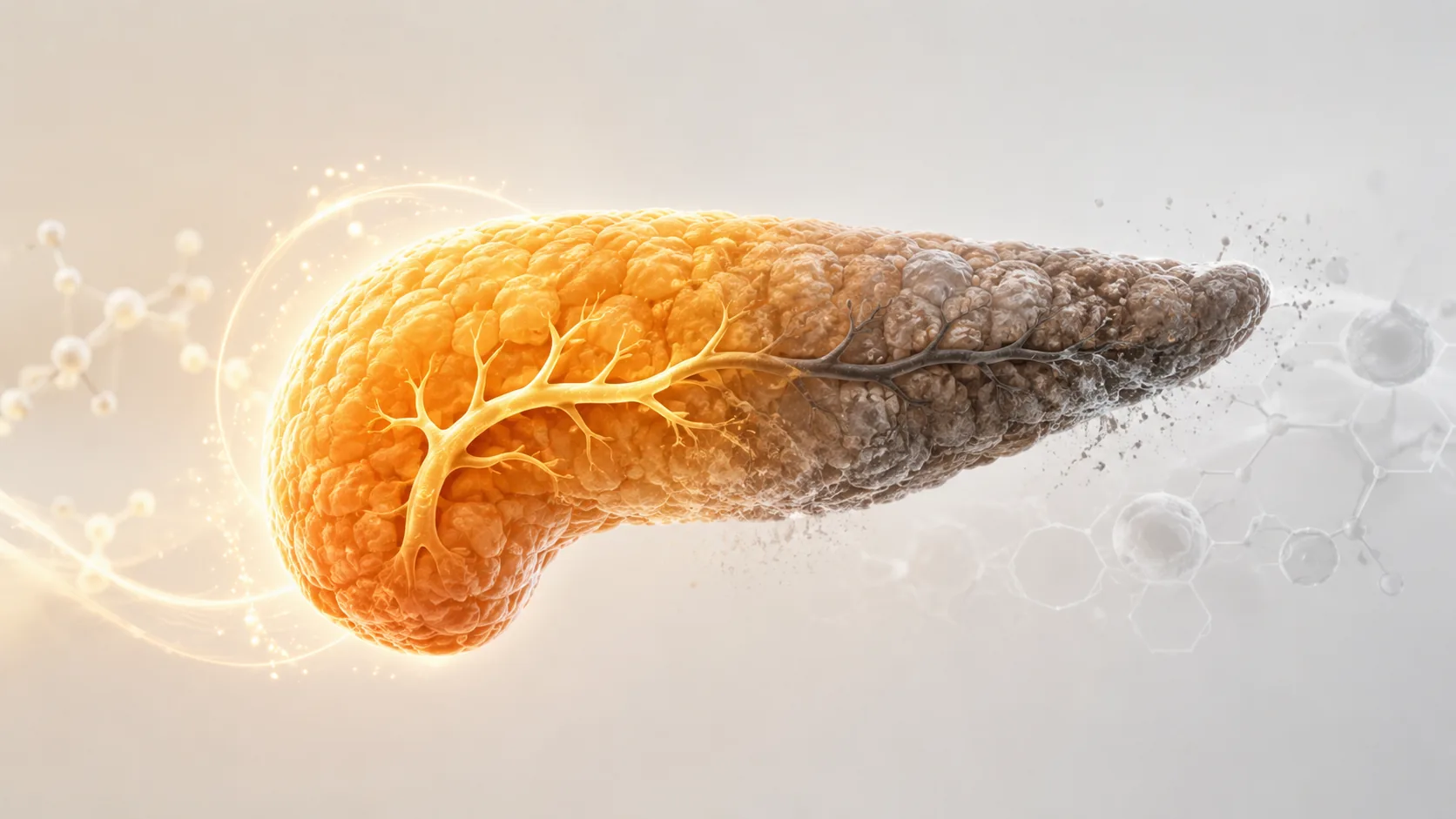
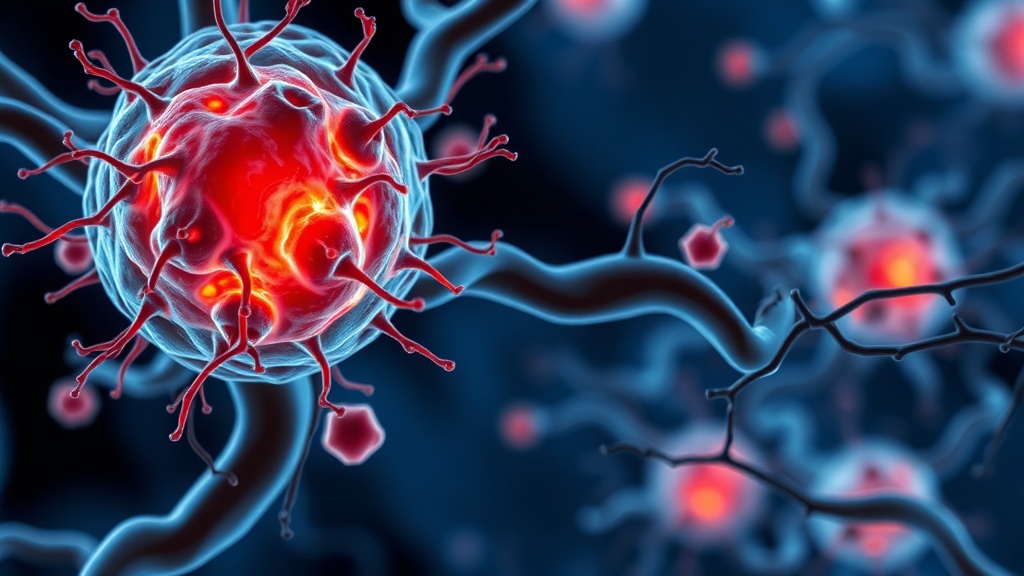
Autophagy is a cellular housekeeping process — the word literally means “self-eating.” Cells degrade and recycle their own damaged or dysfunctional components, including misfolded proteins and worn-out organelles. This process plays a central role in cellular maintenance, metabolic health, and healthy ageing.
Fasting triggers autophagy primarily through nutrient deprivation signalling. When blood glucose and insulin fall — as they do during an extended fast — the energy-sensing enzyme AMPK becomes activated while mTOR (a key growth-regulating complex) is suppressed. Because mTOR normally inhibits autophagy, reducing mTOR activity allows the autophagic process to proceed. This is why caloric restriction and fasting are among the most reliable ways to stimulate autophagy in humans.
The length of the fast matters because autophagy induction is not a binary on/off switch. It scales gradually with the depth and duration of the fasted state. This article focuses specifically on fasting duration — for a broader look at how autophagy fits into longevity biology, see our hub article on autophagy for longevity. You can also learn more in our complete guide to longevity.
How Long Do You Need to Fast to Activate Autophagy?
There is no single precise threshold that applies to everyone, but available evidence points to a general progression:
- 12–16 hours: Early autophagy upregulation begins. Glycogen stores start depleting and AMPK activation increases. Some autophagic activity is plausible, but evidence for strong induction at this duration remains limited in humans.
- 16–24 hours: More consistent evidence of meaningful autophagy activation. This range encompasses most intermittent fasting research and is where detectable changes in autophagy-related markers have been observed.
- 24–48 hours: Animal studies and limited human data suggest peak or near-peak autophagic activity during this window. Cellular cleanup responses appear most pronounced here.
- Beyond 48 hours: Extended fasts are unlikely to yield proportionally greater autophagy benefit and carry increasing risks — including muscle catabolism, electrolyte imbalance, and hypoglycaemia — particularly without medical supervision.
For most healthy adults, targeting approximately 18–24 hours of fasting offers a reasonable balance between meaningful autophagy stimulation and manageable physiological stress. For a closer look at where 16:8 specifically fits into this picture, see our article on whether 16:8 activates autophagy.
What the Evidence Actually Shows
It is important to be clear about the limits of current evidence. Much of what is known about autophagy induction comes from animal studies — particularly in yeast, worms, and mice — where fasting reliably and measurably increases autophagic flux. Human data is considerably more limited, partly because measuring autophagy directly in living tissue is technically difficult and not yet standardised.
Research in humans confirms that fasting reduces mTOR activity and increases AMPK signalling, both consistent with autophagy induction. Studies on intermittent fasting show markers of reduced cellular stress and improved metabolic health, which are indirect indicators of enhanced autophagic activity. However, direct, quantified measurements of autophagy rate across different fasting durations in healthy human subjects remain sparse.
One frequently cited human study found elevated autophagy markers in skeletal muscle after 24 hours of fasting. Other research has demonstrated that shorter fasts of 16–18 hours produce detectable changes in autophagy-related gene expression. The overall picture supports a dose-response relationship — longer fasts within a safe range tend to produce greater autophagic activity — but the precise optimum in humans is not yet well defined.
It is also worth noting that human evidence on 24-hour fasting specifically has attracted meaningful research attention. Our article on whether 24-hour fasting activates autophagy covers this evidence in more detail.
Practical Implications for Fasting and Autophagy
Given the available evidence, the most practical approach for most people is to target a fasting window of 18–24 hours regularly, rather than attempting infrequent multi-day fasts.
Consistency matters more than duration. Regular fasts of 16–20 hours several times per week are likely to provide more cumulative autophagic benefit than occasional 48-hour fasts, and are far easier to sustain without adverse effects on energy, performance, or muscle mass.
Nutrition during eating windows matters. Prioritising nutrient-dense, minimally processed foods during feeding periods supports the cellular repair processes that autophagy initiates. Breaking a fast with a balanced, moderate-protein meal helps avoid a sharp mTOR spike that would rapidly suppress autophagic signalling.
Exercise complements fasting. Resistance training and high-intensity cardiovascular work independently activate AMPK and transiently suppress mTOR, supporting autophagic signalling through a separate pathway. These effects appear additive to — rather than a replacement for — fasting-induced autophagy.
Individual variation is real. Age, metabolic health, activity level, and baseline insulin sensitivity all influence how quickly and robustly autophagy is activated during a fast. Older adults and those with insulin resistance may respond differently from younger, metabolically healthy individuals, and should approach extended fasting with additional caution.
Limitations and Important Caveats
Autophagy cannot be measured at home. Subjective experiences such as improved mental clarity or reduced bloating during a fast are not validated indicators of autophagic activity. Treat such signals as directional at best, not as confirmation of cellular-level effects.
Fasting is not appropriate for everyone. Those with a history of disordered eating, type 1 diabetes, pregnancy, low body weight, or other relevant medical conditions should consult a healthcare professional before attempting extended fasting protocols.
The longevity benefits of autophagy in humans — while biologically plausible and supported by animal evidence — have not been definitively established through long-term clinical trials in people. Current evidence is promising but not conclusive. The goal of optimising fasting duration for autophagy should be understood within this context: it is a reasonable and evidence-informed strategy, but not a proven guarantee of extended lifespan or disease prevention.
References and Resources
Authoritative Sources on Fasting Duration and Autophagy
-
Autophagy: Molecular Mechanisms and Implications for Disease
ncbi.nlm.nih.govA comprehensive review of the molecular basis of autophagy, including how fasting influences autophagic signalling pathways such as AMPK and mTOR.
-
Fasting, Autophagy, and Longevity
ncbi.nlm.nih.govExamines how different fasting protocols affect autophagy and discusses implications for healthy ageing and disease prevention.
-
Fasting and Autophagy: What You Need to Know
healthline.comAn accessible overview of fasting-induced autophagy, including a summary of evidence on effective fasting windows.
-
Autophagy and Fasting: A Review of Evidence
ncbi.nlm.nih.govReviews experimental fasting durations and their measured effects on autophagy markers across different study models.
-
Intermittent Fasting and Cellular Health
medicalnewstoday.comReviews current evidence on how intermittent fasting schedules affect cellular health outcomes, including autophagy-related pathways.
-
Autophagy and Longevity: Fasting Strategies
ncbi.nlm.nih.govEvaluates various fasting protocols and their impact on autophagy, with discussion of implications for longevity and healthspan.

-
Autophagy, Fasting, and Disease Prevention
medscape.comProvides clinical perspective on how fasting-induced autophagy may reduce risk of age-related diseases, with discussion of fasting duration and safety.
Frequently Asked Questions
What is the best fasting duration to stimulate autophagy?
Current evidence suggests meaningful autophagy activation occurs somewhere between 16 and 24 hours of fasting in healthy adults. A window of 18–24 hours is broadly supported as a practical target. The response varies between individuals depending on metabolic health, age, and activity level.
Does the optimal fasting duration for autophagy vary between individuals?
Yes. Age, insulin sensitivity, activity level, and baseline metabolic health all influence how quickly and strongly autophagy is induced during a fast. There is no universal threshold that applies equally to everyone. Starting with shorter fasting windows and monitoring individual response is a sensible approach.
Can you activate autophagy with a 16-hour fast?
Some evidence suggests early autophagic activity begins around 16 hours, driven by changes in AMPK signalling and mTOR suppression. However, evidence for robust autophagy induction at this duration in humans is limited. Extending the fast to 18–20 hours is likely to produce a more consistent autophagic response.
What are the risks of fasting too long in pursuit of autophagy?
Fasting beyond 48 hours increases the risk of muscle breakdown, electrolyte imbalance, hypoglycaemia, and fatigue, particularly without medical supervision. There is little evidence that fasting beyond this point produces meaningfully greater autophagy benefit for most people. Regular moderate-duration fasts are a safer and more sustainable strategy than infrequent prolonged fasting.
Conclusion
The evidence suggests that a fasting duration of 18–24 hours offers a practical window for meaningful autophagy activation in most healthy adults. Autophagy begins to upregulate earlier — possibly around 16 hours — but more robust cellular cleanup activity appears to require approaching or exceeding the 24-hour mark. Beyond 48 hours, the risk-to-benefit ratio becomes less favourable for most people, and there is limited evidence of proportionally greater autophagic gain.
Consistency matters more than pushing for extreme fasting durations. Regular fasting within the 18–24 hour range, combined with nutrient-dense eating during feeding windows and complementary strategies such as resistance exercise, is likely to produce the most sustained autophagy-related benefit over time. Human evidence in this area remains developing, so interpreting outcomes with appropriate caution is warranted.
Find out more information about optimal fasting duration for autophagy
Search for more resources and information: