Does 16:8 Activate Autophagy?
Does 16:8 Activate Autophagy?
TL;DR: A 16-hour fast can begin to stimulate autophagy, but meaningful activation is more reliably seen after 18–24 hours. The 16:8 method is a reasonable starting point, but the degree of autophagy it produces varies significantly between individuals and depends on factors beyond fasting duration alone.
A 16:8 fasting window — eating within 8 hours and fasting for 16 — can begin to upregulate autophagy, but research suggests it sits near the lower threshold for meaningful activation. Most human evidence indicates autophagy markers increase more substantially after 18 to 24 hours of fasting. That does not make 16:8 ineffective, but it does mean expectations should be calibrated realistically.
What Is Autophagy and How Does Fasting Trigger It?
What Is Autophagy?
Autophagy is a cellular recycling process. When cells are under nutritional stress, they break down and remove damaged proteins, dysfunctional organelles, and other internal debris. This material is either disposed of or repurposed for energy. The process supports cellular maintenance, stress resilience, and healthy ageing biology.
Autophagy is not simply switched on or off. It operates on a spectrum, rising and falling in response to nutrient availability, energy status, and cellular stress signals. It is a normal part of cell biology — not an exclusive benefit of aggressive fasting.
How Does Fasting Trigger Autophagy?
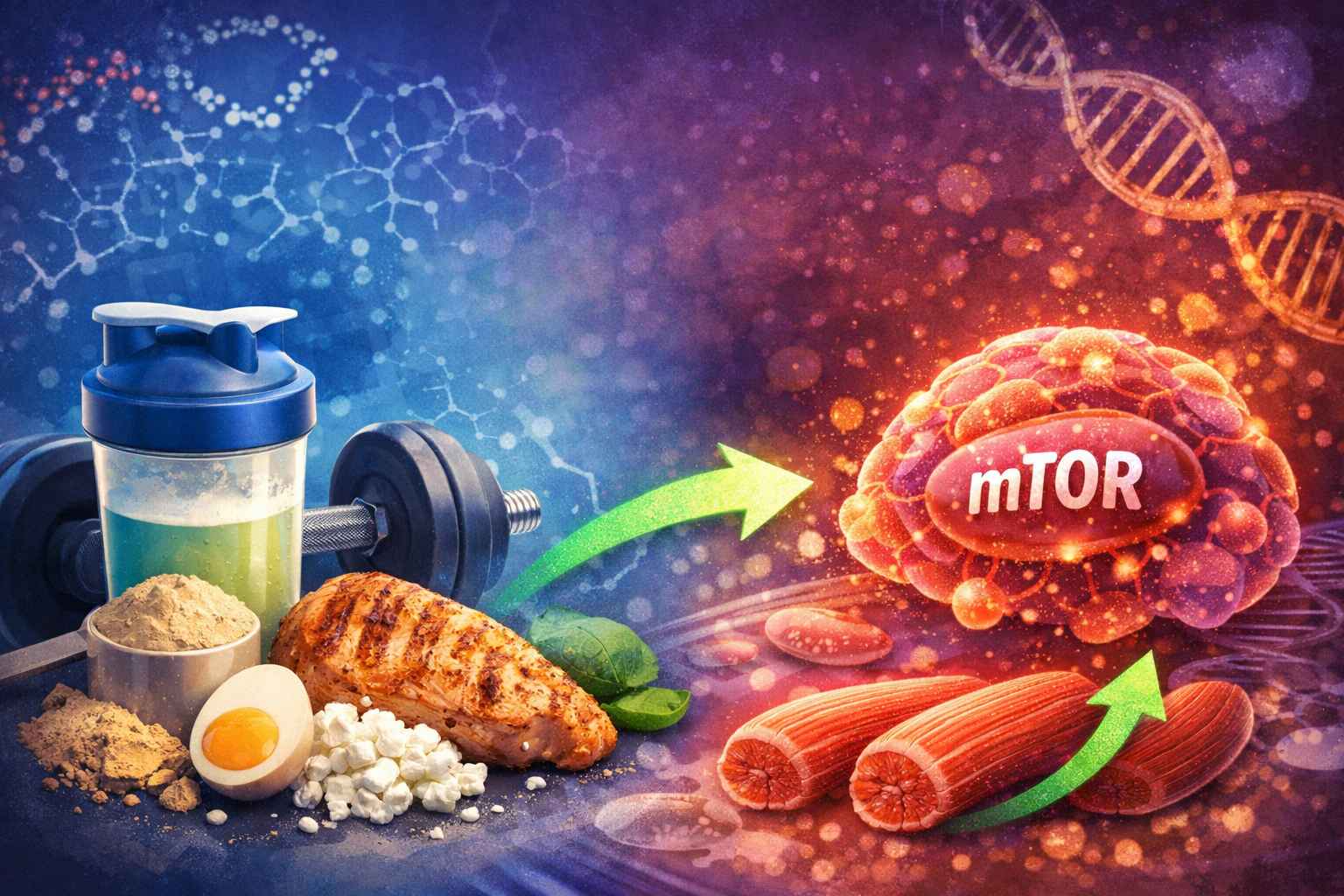
When food intake stops, insulin levels fall and glucose availability declines. This shifts two key nutrient-sensing pathways: AMPK (which detects low energy) becomes more active, and mTOR (which drives cellular growth when nutrients are plentiful) becomes less active. This combination is a primary trigger for autophagy.
The degree of autophagy induction correlates broadly with how long mTOR stays suppressed and how significantly energy status drops. This is why fasting duration matters — and why a 16-hour fast produces a different response than a 24-hour fast. For a broader look at how fasting duration affects autophagy, see What Is the Optimal Fasting Duration for Autophagy?
What Is the 16:8 Intermittent Fasting Method?
The Basics
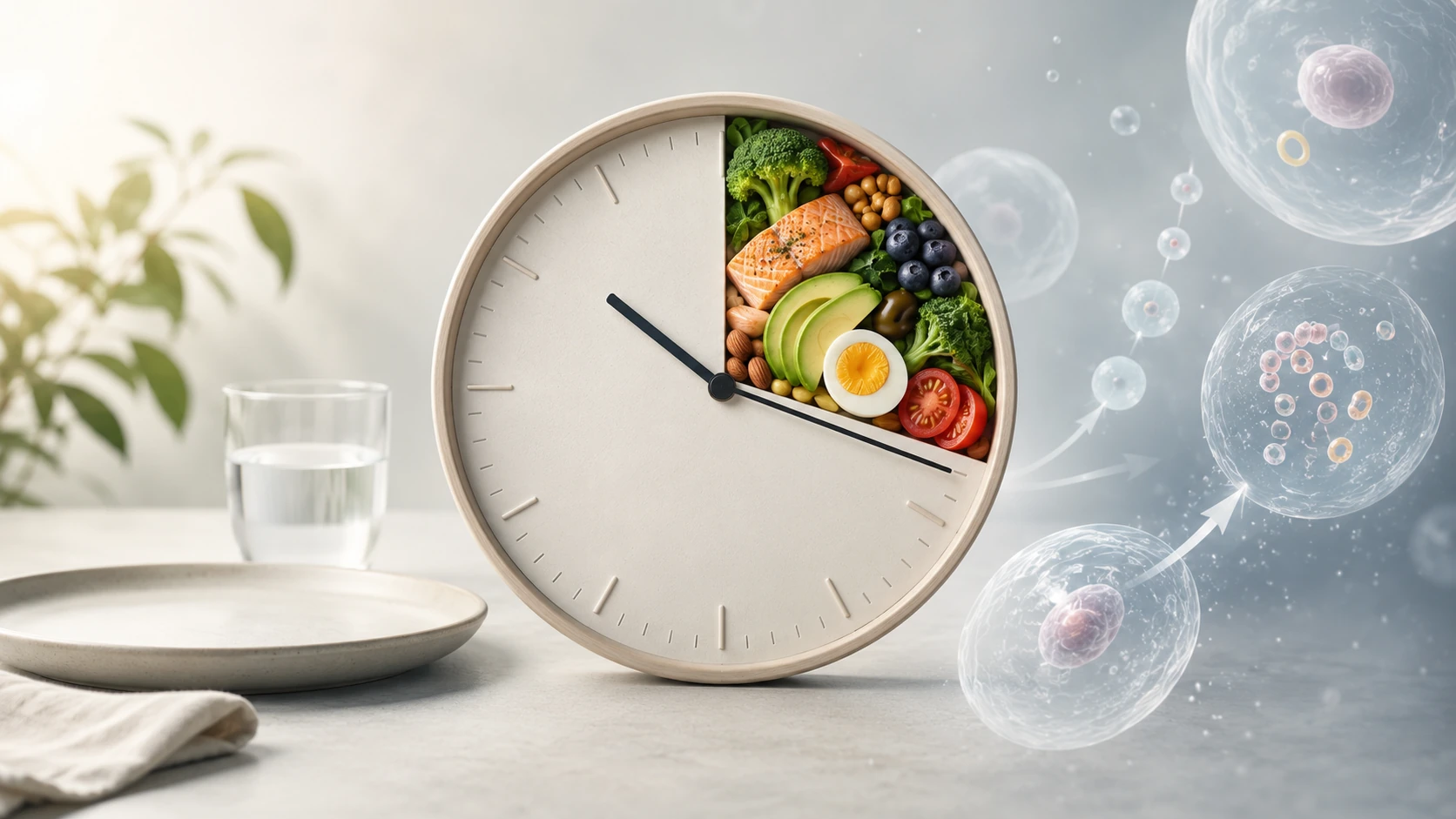
The 16:8 method involves a daily 16-hour fasting window followed by an 8-hour eating window. Most people achieve this by skipping breakfast and eating between midday and 8pm, or a similar time-restricted pattern. It is one of the most widely practised forms of intermittent fasting because it is manageable within a normal daily routine.
During the fasting period, only non-caloric drinks such as water, black coffee, or plain tea are consumed. Any caloric intake — including milk in coffee — restarts the nutrient-sensing response and may blunt the autophagic signal.
Health Effects Beyond Autophagy
The documented benefits of 16:8 fasting in human studies go beyond autophagy. Evidence supports improvements in insulin sensitivity, reductions in fasting glucose, modest weight loss, and improvements in some inflammatory markers. These effects are relevant to metabolic health and healthy ageing regardless of whether autophagy is meaningfully activated. Learn more in our complete guide to longevity.
Does 16:8 Actually Activate Autophagy?
What the Evidence Suggests
Current evidence suggests that autophagy begins to rise after approximately 12 hours of fasting in most people, but the increase is modest at this point. By 16 hours, there is likely some upregulation of autophagy markers, but the research picture in humans is incomplete. Most studies showing clear autophagy induction in humans have used fasting durations of 24 hours or longer.
The 16-hour mark appears to be a threshold rather than a peak. Whether a 16:8 protocol produces biologically significant autophagy in a given individual depends on factors including metabolic health, body composition, prior meal composition, and activity level.
Why Individual Variation Matters
Someone who is metabolically healthy, physically active, and eating a low-processed diet may reach meaningful autophagy-promoting states within a 16-hour fast more readily than someone with insulin resistance or a high-carbohydrate diet. Glycogen stores, insulin sensitivity, and baseline inflammatory status all influence how quickly the body shifts into the cellular stress state that drives autophagy.
This means 16:8 is not a reliable autophagy trigger for everyone. For some it may be sufficient; for others, extending the fast periodically or incorporating other approaches may be needed.
The Science Behind 16:8 and Autophagy
Key Cellular Mechanisms
Fasting reduces insulin and amino acid availability, which suppresses mTOR complex 1 — the primary brake on autophagy. Simultaneously, falling ATP levels activate AMPK, which further promotes autophagy through upstream signalling. Together, these changes allow the ULK1 complex to initiate the formation of autophagosomes — the structures that engulf and deliver cellular debris for breakdown.
This process begins gradually. There is no single moment at 16 hours when autophagy activates. The autophagic signal builds over time, which is why longer fasting durations tend to produce stronger effects.
What Human Studies Show
Human research on autophagy is methodologically challenging. Measuring autophagy directly requires tissue biopsies, and proxy markers such as LC3-II or p62 are imperfect. Most robust human data comes from studies using 24-hour or multi-day fasts. Evidence from 16-hour fasts specifically is limited, and findings are mixed depending on the population studied and the markers used.
Animal studies consistently show that caloric restriction and fasting extend lifespan partly through autophagy. Whether the same magnitude of effect translates to humans, and whether 16:8 specifically is sufficient to drive it, remains an open question. Human evidence is promising but not conclusive. For context on how autophagy fits into the broader longevity picture, see our hub article on Autophagy for Longevity: Fasting, Exercise, and Supplements.
How Long Does It Take for Autophagy to Increase During a Fast?
Based on available evidence, autophagy begins to rise after roughly 12 hours of fasting, with more substantial increases occurring between 18 and 24 hours. The 16-hour mark sits within this window but closer to the early end. Extending a 16:8 protocol to 18:6 or incorporating occasional 24-hour fasts may produce a stronger autophagic stimulus for those specifically targeting this pathway.
Practical Ways to Support Autophagy During 16:8
What Supports Autophagy Within a 16:8 Window
Several evidence-informed approaches may enhance autophagy during a 16-hour fast:
- Exercise during the fasted state: Physical activity, particularly endurance-type exercise, activates AMPK and can upregulate autophagy independently of fasting duration. A fasted morning workout may meaningfully increase the autophagic signal within a 16:8 window. Research on whether exercise activates autophagy is discussed in more detail in the related supporting article on this topic.
- Minimising refined carbohydrates before the fast: Lower glycogen stores at the start of the fasting window mean the body shifts into a lower-nutrient state more quickly, potentially advancing the autophagy timeline.
- Staying hydrated: Water, black coffee, and plain tea do not appear to break a fast or meaningfully inhibit autophagy. Coffee may have a mild AMPK-activating effect, though evidence in humans is limited.
- Avoiding protein or calories during the fasting window: Any caloric intake, including protein, activates mTOR and reduces the autophagic signal. The fast must be clean to preserve the effect.
When 16:8 May Not Be Enough
If the primary goal is maximising autophagy — for example, as part of a broader cellular health strategy — 16:8 alone may be insufficient for many people. Periodic 24-hour fasts, or extending to an 18:6 or 20:4 window on some days, are likely to produce a more reliable autophagic response.
That said, autophagy is not the only mechanism through which 16:8 supports health. The metabolic, inflammatory, and insulin-sensitising effects of time-restricted eating are meaningful independently. Treating 16:8 solely as an autophagy tool misses much of what makes it useful.

References and Resources
Authoritative Sources on Fasting and Autophagy
-
Autophagy and Fasting: Cellular Mechanisms
ncbi.nlm.nih.govA peer-reviewed overview of the biological mechanisms linking fasting to autophagy induction, including the roles of mTOR and AMPK signalling.
-
Intermittent Fasting: Methods and Evidence
healthline.comAn accessible overview of intermittent fasting methods including 16:8, covering metabolic effects and the current state of autophagy-related evidence.
-
Fasting Duration and Cellular Repair Pathways
pubmed.ncbi.nlm.nih.govResearch examining how fasting duration relates to autophagy activation and cellular health markers.
-
mTOR Pathway and Autophagy Regulation
jci.orgDetailed analysis of how mTOR suppression during fasting regulates autophagic activity at the molecular level.
-
Fasting, Autophagy, and Healthy Ageing
medicalnewstoday.comDiscusses how fasting-induced autophagy may contribute to longevity and metabolic health, with context on current evidence limitations.
-
Clinical Evidence on Fasting and Cellular Health
thelancet.comClinical data on fasting interventions and their effects on cellular repair pathways and metabolic health markers.
Frequently Asked Questions
Does 16:8 fasting activate autophagy?
A 16-hour fast is likely to begin upregulating autophagy in most people, but meaningful activation is more consistently seen at 18 to 24 hours. The 16:8 method sits near the lower threshold. Whether it produces significant autophagy depends on individual metabolic health, activity level, and what was eaten before the fast began.
How long does it take for autophagy to increase during a 16:8 fast?
Autophagy begins to rise after roughly 12 hours of fasting. By 16 hours, there is likely some increase in autophagy markers, but research suggests the more substantial activation occurs between 18 and 24 hours. Extending the fast occasionally, or incorporating exercise during the fasted state, may strengthen the signal within a 16:8 protocol.
Can anything enhance autophagy within a 16:8 window?
Yes. Fasted exercise — particularly aerobic activity — activates AMPK and can amplify autophagy independently of fasting duration. Eating low-glycaemic foods before the fast may also help by reducing glycogen stores faster. Critically, any caloric intake during the fasting window, including protein or milk in coffee, will reduce the autophagic signal by activating mTOR.
Is 16:8 fasting sufficient to get the autophagy benefits for longevity?
This remains uncertain. Human evidence on autophagy and longevity outcomes is limited, and most robust autophagy research in humans uses longer fasting durations. The 16:8 method does produce documented metabolic benefits relevant to healthy ageing — improved insulin sensitivity, reduced inflammation, better weight regulation — and these matter regardless of autophagy. Treating 16:8 purely as an autophagy intervention may set unrealistic expectations. It is a useful foundation, not a guaranteed cellular repair switch.
Conclusion
A 16:8 fasting window can begin to stimulate autophagy, but it sits at the lower end of what research suggests is needed for meaningful cellular cleanup. The 16-hour mark is a reasonable starting point, particularly when combined with fasted exercise or a low-glycaemic diet, but those specifically targeting autophagy may benefit from occasionally extending their fast beyond 16 hours. The metabolic benefits of 16:8 — improved insulin sensitivity, reduced inflammation, better energy regulation — are well-supported and relevant to longevity regardless of the degree of autophagy produced. Autophagy is one useful part of a broader picture, not the sole mechanism through which fasting supports healthy ageing.
Find out more about 16:8 fasting and autophagy
Search for more resources and information: