
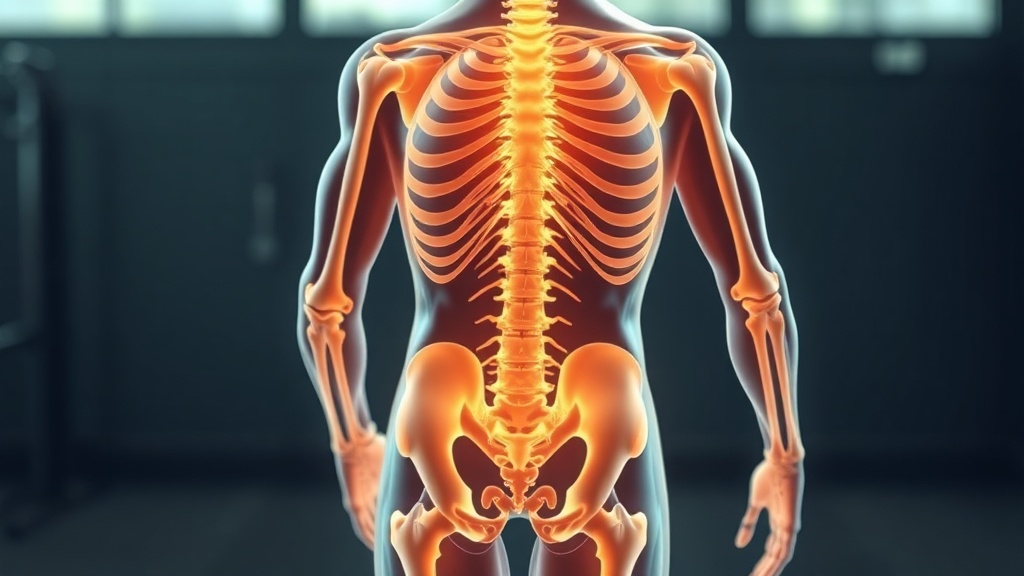
Can Resistance Training Improve Bone Density?
Introduction: Does Resistance Training Improve Bone Density?
Resistance training can improve bone density, especially when it is performed consistently, progressed over time, and combined with supportive nutrition and recovery. Bone is living tissue that responds to mechanical loading. When bones are exposed to appropriately challenging force, they adapt by becoming stronger and, in many cases, denser.
This makes resistance training highly relevant to healthy aging, because bone density tends to decline with age, particularly after midlife. Lower bone density increases the risk of osteopenia, osteoporosis, and fractures, all of which can reduce mobility, independence, and long-term healthspan. In longevity science, preserving bone strength is an important part of maintaining physical resilience over time. Learn more in our complete guide to longevity.
The key point is that bones respond to use. Just as muscles adapt to training stress, bones also remodel in response to loading. That is why resistance training is widely recommended as one of the most effective non-drug strategies for supporting skeletal health.
How Resistance Training Enhances Bone Strength
Understanding the Mechanism
Resistance training enhances bone strength through mechanical loading. When the skeleton is exposed to force from weights, resistance bands, machines, or bodyweight exercises, bone tissue senses that stress and responds by stimulating bone remodeling. This process involves osteoblasts, the cells responsible for forming new bone, and other signaling pathways that help maintain skeletal integrity.
The response depends on the intensity and type of loading. Bones generally adapt best when they are challenged by progressive resistance, weight-bearing activity, and movements that place meaningful force through major skeletal sites such as the hips, spine, and legs. This is why resistance training can improve bone density more effectively than very low-load activity alone.
Progressive overload is particularly important. Repeating the same easy stimulus indefinitely gives the body less reason to adapt. Gradually increasing load, tension, or challenge over time helps create the conditions in which bone can continue to respond positively.
Specific Exercises That Promote Bone Density
Exercises that promote bone density usually involve weight-bearing or force-producing movement patterns. Squats, deadlifts, lunges, step-ups, overhead presses, rows, and loaded carries are all examples of exercises that can place useful mechanical stress on the skeleton. Bodyweight exercises and resistance band work can also help, especially for beginners or people returning to training after a break.
Compound movements are particularly useful because they load multiple muscle groups and major bone sites at the same time. Movements that challenge the hips and spine are especially valuable, since those are common areas of concern in osteoporosis and fracture risk.
The best program is not necessarily the heaviest possible program. It is the one that is performed safely, consistently, and with enough challenge to stimulate adaptation over time.
How Resistance Training Supports Long-Term Bone Health
Why Bone Health Matters More With Age
Bone health becomes more important with age because bone remodeling balance tends to shift over time. In younger years, bone formation and bone breakdown are generally more balanced. With aging, especially after menopause in women and later adulthood in men, bone loss may begin to outpace bone formation. That makes fractures more likely and recovery more difficult.
Resistance training helps counter this trend by giving the skeleton a reason to maintain strength. This is especially important for long-term mobility, balance, and independence. Stronger bones and stronger muscles also work together, which can reduce fall risk as well as fracture risk.
For this reason, resistance training is not only about performance or appearance. It is also a practical tool for protecting healthspan and preserving quality of life across the lifespan.
Why Consistency Matters More Than Intensity Alone
Consistency is one of the most important factors in improving bone health. Bone adaptations happen gradually, and regular loading over months and years matters more than occasional hard efforts. A moderate, well-structured routine performed consistently is usually more effective than sporadic intense sessions followed by long periods of inactivity.
This is especially relevant for adults over 40, people with a family history of osteoporosis, and anyone with existing low bone density. Bone responds to repeated signals, so a training pattern that is sustainable is often the most useful approach.
When resistance training becomes part of a long-term lifestyle, it supports not only bone density but also posture, balance, muscle mass, metabolism, and healthy aging more broadly.
Scientific Insights on Resistance Training and Bone Density
Research Supporting Resistance Training’s Role
Scientific research supports the view that resistance training can improve or help preserve bone mineral density, particularly at clinically important sites such as the spine and hips. Studies in older adults, postmenopausal women, and other at-risk groups show that strength training can slow bone loss and, in some cases, increase bone density when the exercises are appropriately loaded.
The evidence also suggests that bone responds best to targeted, progressive, and relatively high-impact or high-force stimuli compared with very low-intensity activity. While walking and general movement are beneficial for overall health, resistance training is often more effective for directly stimulating the skeletal adaptations linked to stronger bones.
This makes strength training one of the most evidence-based lifestyle tools for osteoporosis prevention and broader musculoskeletal health.
The Optimal Frequency and Intensity
For many adults, training two to three times per week at moderate to high effort is an effective starting range for bone health. The ideal level depends on training history, injury status, age, and current bone health, but the underlying principle is the same: bones need regular, meaningful loading to adapt.
Programs that include progressive resistance, good technique, and adequate recovery tend to produce the best long-term results. Too little challenge may not stimulate adaptation, while too much intensity without proper recovery may increase injury risk. The goal is not maximal strain at every session, but repeated exposure to well-managed loading.
In practice, the most effective routine is one that balances progression, safety, and consistency over time.
Practical Tips for Incorporating Resistance Training for Bone Health
Creating an Effective Routine
An effective routine for bone health should include compound, weight-bearing movements that challenge the major muscle groups and skeletal regions. Squats, lunges, deadlift variations, pushing and pulling exercises, and loaded carries are all useful foundations. Resistance bands, free weights, and machines can all be effective depending on the individual.
Starting with manageable resistance and gradually increasing the challenge is usually the safest and most effective strategy. Proper technique matters, especially when training the hips and spine. Tracking progress over time can also be helpful, as it makes it easier to apply progressive overload and maintain consistent adaptation.
For people new to resistance training, working with a qualified professional may help build confidence and improve safety. This can be especially useful for older adults or those already concerned about osteoporosis risk.
Additional Lifestyle Factors
Resistance training works best when combined with other bone-supportive habits. Adequate calcium, vitamin D, and protein intake all help support the remodeling process. Avoiding smoking and limiting excess alcohol may also reduce the risk of bone loss. Sleep, stress management, and maintaining a healthy body weight can further support recovery and skeletal health.
A holistic approach matters because bones do not exist in isolation. Hormonal balance, nutrient status, inflammation, and physical activity patterns all influence how well the skeleton responds to training. The combination of regular resistance exercise and strong daily habits offers the best long-term support for bone density.
This is why bone health is best viewed as part of a broader healthy aging strategy, not just a single exercise goal.
References and Resources
These resources provide useful background on how resistance training supports bone density, how bone remodels in response to loading, and how exercise fits into osteoporosis prevention:
Authoritative Sources on Resistance Training Improve Bone Density
-
NIH – Osteoporosis and Bone Health
niams.nih.govProvides comprehensive information on bone health, osteoporosis prevention, and the importance of exercise in maintaining skeletal strength.
-
WHO – Osteoporosis Fact Sheet
who.intOffers global context on osteoporosis, fracture risk, and the importance of prevention strategies that include exercise.
-
Research on Resistance Exercise and Bone Density
sagepub.comA peer-reviewed study examining how resistance exercise can positively influence bone mineral density in adults.
-
Exercise and Bone Health – American College of Sports Medicine
exerciseismedicine.orgProvides guidance on how resistance training and weight-bearing exercise can support bone health across the lifespan.
-
Journal of Bone and Mineral Research
nih.govDiscusses the biological mechanisms through which loading and resistance exercise influence bone remodeling and density.
-
Osteoporosis Canada
osteoporosis.caOffers practical advice on lifestyle, exercise, and prevention strategies for maintaining stronger bones.
-
Mayo Clinic – Vitamin D and Bone Health
mayoclinic.orgExplains how vitamin D and nutrition support the effectiveness of exercise-based strategies for bone health.
-
WebMD – Osteoporosis Prevention Tips
webmd.comProvides practical prevention tips, including the role of resistance and weight-bearing exercise in maintaining bone health.

FAQ Section
Frequently Asked Questions
Can resistance training improve bone density in older adults?
Yes. Resistance training can improve or help preserve bone density in older adults when it is performed safely and consistently. It is especially valuable because it loads the skeleton in a way that encourages bone remodeling and helps reduce age-related bone loss.
What types of resistance exercises are best for improving bone density?
Weight-bearing compound exercises such as squats, lunges, deadlifts, presses, rows, and resistance band exercises are among the most useful options. Movements that load the hips, spine, and legs tend to be particularly effective for bone health.
How often should resistance training be done to support bone health?
For many people, two to three sessions per week at moderate to high effort is an effective range. The most important factors are consistency, progressive overload, and allowing enough recovery to continue adapting safely.
Can resistance training alone prevent osteoporosis?
Resistance training is a powerful tool, but it works best as part of a broader strategy that includes adequate calcium, vitamin D, protein, good lifestyle habits, and medical guidance when needed. Bone health is influenced by both exercise and overall health status.
Does resistance training improve bone density for everyone?
Most people can benefit, but results vary based on age, genetics, baseline bone density, hormone status, training intensity, and consistency. A personalized plan is often the safest and most effective way to target bone health through resistance exercise.
Conclusion
Resistance training can improve bone density and is one of the most practical ways to strengthen the skeleton over time. By applying mechanical stress to bone, it stimulates remodeling, supports bone mineral density, and helps reduce the risk of osteoporosis and fracture.
For long-term wellness and healthy aging, resistance training is valuable not only for muscles but also for bone health, balance, metabolism, and independence. When combined with proper nutrition and recovery, it becomes a powerful strategy for protecting healthspan and supporting stronger bones across the lifespan.
Find out more information about “Resistance Training Improve Bone Density”
Search for more resources and information: