How Does Bone Density Decline With Age?
Understanding Bone Density and Its Importance
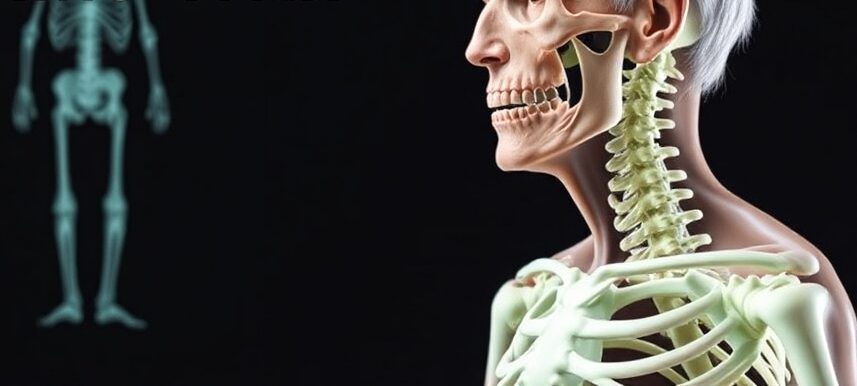
Does bone density decline with age? Yes, bone density typically declines over time, and that change has major implications for mobility, fracture risk, and long-term independence. Bone density refers to the amount of mineral content within bone tissue, and it is one of the main factors that determines how strong and resilient bones are. Maintaining healthy bone density is essential for healthy aging because it helps reduce the risk of osteoporosis, falls, and broken bones.
Bone health is shaped by far more than age alone. Genetics, hormones, nutrition, activity levels, inflammation, medications, and underlying medical conditions all influence how quickly bone loss occurs. Understanding how bone density changes over time makes it easier to take practical steps that support skeletal strength, healthspan, and overall resilience. Learn more in our complete guide to longevity.
Does Bone Density Decline With Age? An Overview
When bone density begins to change
Bone mass usually peaks in the late 20s to early 30s. After that point, the balance between bone formation and bone breakdown gradually begins to shift. In younger years, the body generally builds bone as fast as it removes it. With aging, bone resorption often begins to outpace bone formation, leading to a slow but progressive decline in bone density.
Why the decline varies between individuals
Not everyone loses bone at the same rate. Some people maintain strong bones well into later life, while others develop osteopenia or osteoporosis much earlier. Differences in exercise habits, calcium and vitamin D intake, hormonal status, body composition, smoking, alcohol intake, medications, and overall metabolic health all influence the speed of bone loss. This is why bone density decline is common with aging, but not identical from person to person.
Why bone health matters for healthy aging
Bone loss is not just a structural issue. Lower bone density increases the risk of fractures, reduced mobility, chronic pain, and loss of independence. In longevity science, preserving skeletal strength is closely tied to maintaining physical function, preventing frailty, and protecting quality of life. Strong bones support active aging, better balance, and a lower risk of serious injury later in life.
The Biological Process Behind Bone Loss
How bone remodeling changes with age
Bone is living tissue that is constantly being renewed through a process called remodeling. Osteoclasts break down old bone, while osteoblasts build new bone. As aging progresses, this cycle becomes less favorable. Bone breakdown can become more active, while bone-building activity slows, creating a net loss of bone mass over time. This shift is one of the main biological reasons bone density declines with age.
Does Bone Density Decline With Age because of hormonal changes?
Hormonal changes play a major role in bone loss. In women, estrogen helps protect bone tissue, so the drop in estrogen during menopause can accelerate bone density decline significantly. In men, testosterone also supports bone strength, and age-related reductions may contribute to weaker bones over time. These hormonal shifts are one reason bone health becomes a more urgent priority with advancing age.
Inflammation, metabolism, and bone turnover
Chronic inflammation can also affect bone remodeling. Inflammatory signaling may increase bone breakdown and interfere with bone formation, which makes skeletal aging worse over time. Metabolic health matters as well, because nutrient absorption, vitamin D status, insulin sensitivity, and lifestyle factors all influence the body’s ability to maintain bone tissue efficiently. Bone density decline is therefore part of a broader aging process that involves metabolism, inflammation, and recovery capacity.
Factors That Accelerate Bone Density Decline
What lifestyle choices affect bone loss?
Lifestyle has a major influence on how fast bone density declines. Low intake of calcium, vitamin D, protein, and other bone-supportive nutrients can weaken the skeleton over time. A sedentary lifestyle is another major risk factor, because bones respond to mechanical loading. Weight-bearing activity and resistance training help stimulate bone maintenance, while inactivity allows bone loss to progress more quickly.
Smoking, alcohol, and low body weight
Smoking is strongly associated with poorer bone health, and excessive alcohol intake can interfere with bone remodeling and increase fracture risk. Low body weight is another concern because it is often linked to lower bone mass and reduced mechanical loading on the skeleton. These factors can all accelerate age-related bone density decline and make fractures more likely.
Medical conditions and medications that affect bone density
Certain medical conditions can increase bone loss, including osteoporosis, rheumatoid arthritis, hyperthyroidism, chronic kidney disease, gastrointestinal disorders that reduce nutrient absorption, and inflammatory illnesses. Some medications, especially long-term corticosteroids, can also reduce bone density. Anyone with these risk factors may benefit from earlier bone health screening and more proactive prevention strategies.
How to Manage and Monitor Bone Health
What tests are useful for tracking bone density?
A bone mineral density test, usually performed with a DEXA scan, is one of the most useful ways to assess bone health. This scan helps detect osteopenia and osteoporosis before fractures occur. Screening can be especially valuable for adults over 50, postmenopausal women, men with multiple risk factors, and anyone with a history that suggests accelerated bone loss.
Nutrition that supports stronger bones
Bone health depends on consistent nutritional support. Calcium and vitamin D are especially important, but they are not the only nutrients that matter. Protein, magnesium, vitamin K, phosphorus, and trace minerals also contribute to skeletal integrity. A bone-supportive diet often includes dairy or fortified alternatives, leafy greens, fish, legumes, nuts, seeds, and adequate total calories to support healthy metabolism and bone turnover.
Exercise and daily habits that protect bone
Weight-bearing exercise, strength training, and impact-based activity can all help maintain bone density. Walking, stair climbing, resistance training, and properly programmed strength work are especially useful because they challenge the skeleton and encourage adaptation. Good sleep, balanced hormones, and avoiding smoking and excess alcohol also support healthy aging and better long-term bone resilience.
When to take bone loss seriously
Bone density decline is common with age, but severe or rapid bone loss should not be dismissed as inevitable. Early action matters. Regular monitoring, better nutrition, targeted exercise, and appropriate medical guidance can all help reduce the rate of decline. The goal is not only to avoid osteoporosis, but also to preserve mobility, independence, and physical capacity over the long term.
References and Resources
These resources provide useful background on bone loss, osteoporosis, and strategies to support healthy aging:
Authoritative Sources on Does Bone Density Decline With Age
-
NIH Osteoporosis Overview
nih.govA comprehensive overview of osteoporosis, bone loss, and the biological and lifestyle factors that affect bone health with age.
-
CDC Nutrition Basics
cdc.govHighlights the importance of nutrient intake, including calcium and vitamin D, for long-term health and bone maintenance.
-
Mayo Clinic Osteoporosis Guide
mayoclinic.orgExplains osteoporosis risk factors, symptoms, and prevention strategies in a practical, clinically grounded way.
-
WHO Bone Health Facts
who.intProvides global context on bone health, fracture prevention, and the importance of maintaining skeletal strength with age.
-
Arthritis Foundation on Osteoporosis
arthritis.orgOffers practical advice on protecting bone density through diet, exercise, and healthy lifestyle choices.
-
Medical News Today on Osteoporosis
medicalnewstoday.comA clear overview of osteoporosis, bone density decline, and strategies that may help reduce risk.
-
WebMD Osteoporosis Guide
webmd.comProvides accessible guidance on diagnosing, preventing, and managing bone loss and osteoporosis.

FAQ: Common Questions About Bone Density and Aging
Frequently Asked Questions
Does bone density decline with age in both men and women?
Yes. Bone density generally declines in both men and women with age. Women often experience faster bone loss after menopause because of the sharp drop in estrogen, while men usually lose bone more gradually over time.
How quickly does bone density decline with age?
The rate varies based on genetics, hormones, lifestyle, and medical history. In general, bone mass begins to decline after peak bone mass is reached, and the process can speed up with menopause, inactivity, poor nutrition, smoking, or certain medical conditions.
Can lifestyle changes really affect Does Bone Density Decline With Age?
Yes. Weight-bearing exercise, strength training, adequate protein, calcium, vitamin D, and avoiding smoking and excessive alcohol can all help slow bone loss and support stronger bones over time.
What can I do to prevent or slow down Does Bone Density Decline With Age?
A practical strategy includes regular resistance and weight-bearing exercise, a nutrient-dense diet, adequate calcium and vitamin D intake, and bone density screening when appropriate. Early action is one of the best ways to protect long-term skeletal health.
Conclusion
Bone density usually does decline with age, but the pace of that decline is not fixed. Hormonal shifts, inflammation, inactivity, poor nutrition, and certain medical conditions can all accelerate bone loss, while strength training, weight-bearing activity, good nutrition, and regular screening can help slow it down.
Healthy aging depends on protecting the body’s structural foundation as well as its metabolic and cardiovascular systems. By taking bone health seriously early, it is possible to support stronger bones, lower fracture risk, better mobility, and a longer, more active life.
Find out more information about “Does Bone Density Decline With Age”
Search for more resources and information:
Similar Posts
Does Gut Health Affect Insulin Resistance?
Table of Contents Introduction Understanding the Link Between Gut Health and Insulin Resistance How Gut Microbiota Influences Insulin Sensitivity Practical Ways to Improve Gut Health to Support Insulin Resistance Management Key Takeaways for Long-Term Metabolic Health References and Resources Introduction Gut health affects insulin resistance in ways that are increasingly supported by modern research. The…
Does L-theanine Improve Sleep?
Table of Contents Does L-Theanine Improve Sleep? How L-Theanine May Support Sleep Scientific Insights and Mechanisms How to Take L-Theanine for Sleep Potential Benefits and Limitations of L-Theanine for Sleep References and Resources Does L-Theanine Improve Sleep? TL;DR: L-theanine may improve sleep quality for some people by reducing stress and promoting relaxation, but it is…
What Is the Best Metabolic Longevity Framework?
Table of Contents Introduction: Defining the Best Metabolic Longevity Framework What Makes a Framework the Best for Longevity? How to Build a Practical Metabolic Longevity Framework Key Components of an Effective Metabolic Longevity Framework Is the Best Metabolic Longevity Framework the Same for Everyone? Resources and Final Thoughts References and Resources Introduction: Defining the Best…
Does Exercise Improve Dna Repair?
Table of Contents Does Exercise Improve DNA Repair? How Exercise Influences DNA Damage and Repair The Role of Exercise Intensity and Duration Practical Implications for Healthy Ageing References and Resources Frequently Asked Questions Conclusion Does Exercise Improve DNA Repair? TL;DR: Regular moderate exercise appears to support the body’s DNA repair capacity by reducing oxidative stress,…
Is Hiit Good for Longevity?
Updated June 2026: In my recent research, I’ve been closely monitoring the latest trends in exercise science, and 2024-2025 has brought some exciting developments regarding HIIT and longevity. New longitudinal studies from leading universities now suggest that incorporating HIIT into your routine not only boosts cardiovascular health but also significantly enhances cellular aging markers, potentially…
Does Complex Movement Improve Brain Plasticity?
Table of Contents Introduction: The Impact of Complex Movement on Brain Plasticity Understanding Brain Plasticity and Movement How Does Complex Movement Improve Brain Plasticity? My Personal Insights and Practical Tips References and Resources Introduction: The Impact of Complex Movement on Brain Plasticity Yes, complex movement can improve brain plasticity. Activities that combine coordination, balance, rhythm,…