What Is a Biological Age Test?
Introduction
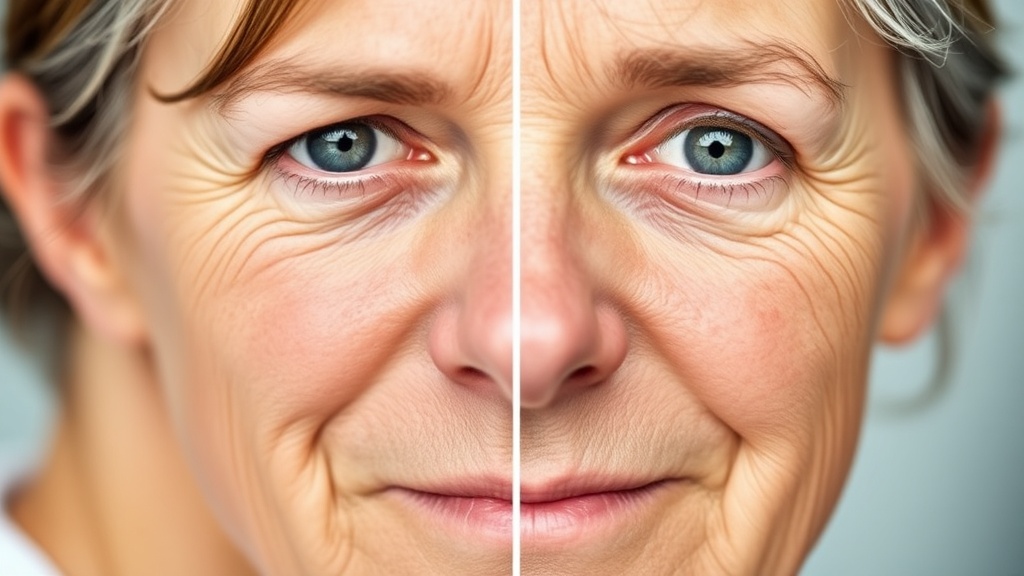
A biological age test aims to estimate how old the body appears from a physiological perspective, rather than simply counting the number of years since birth. While chronological age measures time, biological age reflects how well the body’s systems are functioning based on measurable biomarkers.
Advances in longevity science have revealed that individuals of the same chronological age can age at very different rates. Factors such as inflammation, metabolic health, lifestyle, genetics, and environmental exposures influence how quickly the body ages. Biological age testing attempts to quantify these factors to provide a more accurate assessment of healthspan and aging.
By evaluating biological markers associated with cellular aging, these tests offer insight into overall health status and potential risks for age-related disease. Understanding biological age can help individuals track lifestyle changes and identify strategies that support healthy aging.
For a broader overview of aging science and how lifestyle influences longevity, learn more in our complete guide to longevity.
Understanding Biological Age and Its Significance
Biological age refers to the functional condition of the body’s tissues and systems. Unlike chronological age, which increases at a fixed rate, biological age can change depending on health behaviors and physiological stress.
Several biological processes influence aging, including cellular repair, inflammation, metabolic efficiency, DNA integrity, and mitochondrial function. When these processes operate efficiently, biological age may be younger than chronological age. Conversely, chronic inflammation, poor lifestyle habits, or metabolic dysfunction can accelerate aging.
Researchers in longevity science use biomarkers to evaluate these underlying biological processes. These biomarkers may include blood markers of inflammation, metabolic indicators, epigenetic changes in DNA methylation, or physical performance metrics.
Understanding biological age provides valuable insight into how lifestyle choices influence healthspan. Improvements in nutrition, exercise, sleep quality, and stress management can positively affect many biomarkers associated with aging.
What Is a Biological Age Test?
A biological age test analyzes measurable indicators within the body to estimate how quickly a person is aging biologically. These tests evaluate biomarkers associated with cellular health, metabolism, inflammation, and physiological resilience.
Depending on the method used, biological age tests may analyze blood markers, DNA methylation patterns, physical performance indicators, or combinations of several biological measurements. The results are then processed through algorithms that compare the data to known aging patterns observed in scientific research.
The outcome is typically presented as an estimated biological age, which may be higher or lower than chronological age. This information can highlight areas where lifestyle or health interventions may help improve long-term health outcomes.
How Accurate Are Biological Age Tests?
Accuracy varies depending on the type of test and the biomarkers analyzed. Tests based on DNA methylation—often referred to as epigenetic clocks—are currently among the most scientifically validated methods for estimating biological aging.
Other tests that evaluate blood biomarkers or physiological performance can also provide useful insights, although they may measure different aspects of health rather than a direct estimate of biological age. The reliability of results improves when multiple biomarkers are assessed together.
How Does a Biological Age Test Work?
Biological age tests work by analyzing biological samples or physiological data to identify markers associated with aging processes. The most common testing methods involve saliva samples, blood tests, or physical assessments.
These tests measure indicators such as inflammation levels, metabolic function, hormone balance, DNA methylation patterns, or telomere length. Each marker reflects specific biological mechanisms linked to aging and overall health.
Advanced statistical models and machine learning algorithms compare these measurements with large population datasets. This comparison allows the system to estimate the body’s biological age relative to average aging patterns.
Many biological age reports also provide insights into factors that influence aging, such as metabolic health, immune system activity, and lifestyle-related biomarkers. This information can guide targeted strategies to improve healthspan.
Types of Biological Age Tests
Several different approaches are used to estimate biological age. Each method focuses on specific biomarkers and provides unique insights into aging and metabolic health.
DNA Methylation Tests
DNA methylation tests analyze epigenetic markers that change predictably with age. These chemical modifications affect gene expression and are strongly associated with aging processes.
Epigenetic clocks developed by researchers have shown strong correlations with biological aging and health outcomes. As a result, DNA methylation tests are often considered among the most scientifically robust methods for estimating biological age.
Blood Biomarker Tests
Some biological age assessments rely on blood tests that evaluate metabolic and inflammatory markers. These may include cholesterol levels, glucose regulation, inflammatory proteins, liver enzymes, and hormone levels.
These biomarkers provide insight into cardiovascular health, metabolic function, and systemic inflammation—all factors closely linked to aging and longevity.
Physical Function Tests
Functional assessments can also reflect biological aging. Tests measuring grip strength, walking speed, flexibility, and cardiovascular endurance provide information about physical resilience and physiological performance.
Although these tests do not directly measure cellular aging, they can serve as practical indicators of functional age and overall healthspan.
Benefits and Limitations of a Biological Age Test
Biological age testing offers several potential benefits. By providing insight into how quickly the body is aging, these assessments can highlight lifestyle factors that influence long-term health. Tracking biological age over time may also help individuals monitor progress after adopting healthier habits.
However, biological age testing also has limitations. Different tests evaluate different biomarkers, which can lead to variations in results between providers. In addition, biological age estimates should be interpreted as indicators rather than precise measurements.
For the most meaningful insights, biological age testing should be viewed as one component of a broader health strategy that includes medical evaluations, lifestyle improvements, and ongoing monitoring of key biomarkers.
Frequently Asked Questions
Frequently Asked Questions
What does a biological age test measure?
A biological age test evaluates biomarkers associated with aging, such as DNA methylation patterns, metabolic markers, inflammation levels, or physical performance indicators. These measurements help estimate how the body is aging compared to chronological age.
How is biological age different from chronological age?
Chronological age measures the number of years a person has lived. Biological age reflects how well the body’s systems are functioning based on biomarkers of aging and health.
Can biological age improve with lifestyle changes?
Research suggests that lifestyle factors such as regular exercise, balanced nutrition, stress management, and quality sleep can influence many biomarkers linked to biological aging.
Are biological age tests scientifically reliable?
Some methods—particularly DNA methylation tests—have strong scientific validation. Other testing approaches may measure related aspects of health rather than precise biological age.
Should biological age testing replace medical checkups?
No. Biological age testing is best used as a complementary tool that provides additional insight into aging and healthspan alongside traditional medical evaluations.
References and Resources
The following sources provide authoritative information on biological age, aging biomarkers, and longevity research:
Authoritative Sources on Biological Age Testing
-
National Institutes of Health (NIH)
nih.govExtensive research on aging biomarkers and biological aging mechanisms.
-
Epigenetics and Aging
ncbi.nlm.nih.govScientific research on DNA methylation and its relationship with biological aging.

-
World Health Organization – Aging
who.intGlobal perspectives on healthy aging and longevity strategies.
-
American Heart Association
heart.orgInsights into biomarkers related to cardiovascular health and aging.
-
Healthline – Biological Age
healthline.comAccessible explanations of biological age and longevity biomarkers.
-
Journal of Aging Research
ncbi.nlm.nih.govPeer-reviewed research examining biomarkers associated with aging.
-
BioAge Labs
bioage.comResearch into aging biomarkers and longevity interventions.
Conclusion
A biological age test offers a powerful way to evaluate how lifestyle, metabolism, and cellular health influence the aging process. By analyzing biomarkers linked to inflammation, metabolic function, and DNA regulation, these assessments provide insights beyond chronological age.
Although results should be interpreted carefully, biological age testing can support a proactive approach to longevity. Combined with healthy lifestyle practices and regular medical evaluations, these tools can help individuals better understand aging processes and optimize long-term healthspan.
Find out more information about “Biological Age Test”
Search for more resources and information:
“`