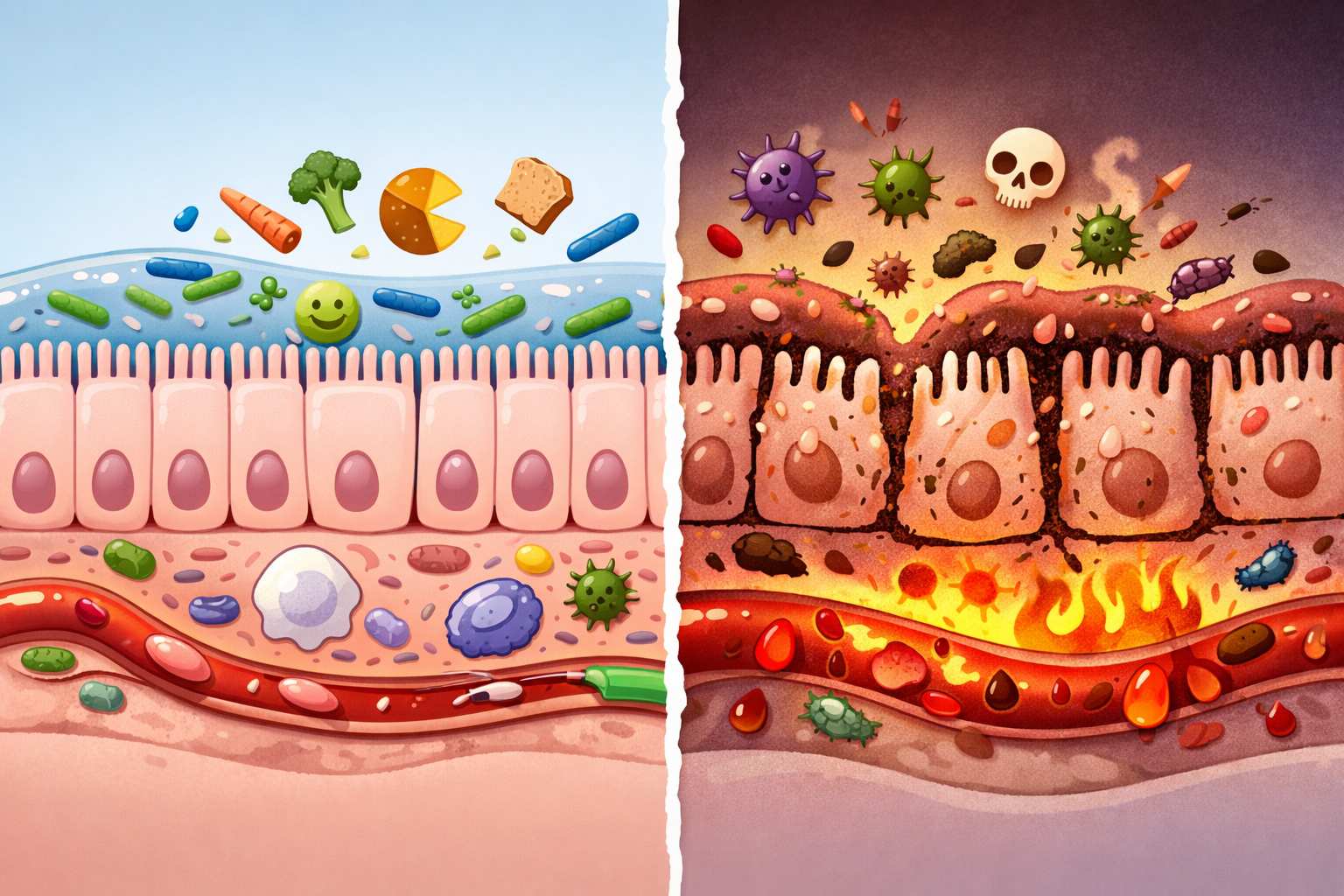

What Is Homocysteine?
Understanding Homocysteine: What It Is and Why It Matters
Homocysteine is a naturally occurring amino acid produced during the metabolism of methionine, an essential amino acid obtained from dietary protein. Although homocysteine is a normal intermediate in several metabolic pathways, elevated levels in the bloodstream are associated with increased health risks.
Homocysteine plays an important role in methylation, a biochemical process involved in DNA repair, detoxification, neurotransmitter production, and cellular metabolism. Because methylation influences inflammation, cardiovascular health, and neurological function, homocysteine has become an important biomarker in longevity science and preventative medicine.
When homocysteine levels rise above normal ranges, a condition known as hyperhomocysteinemia may occur. Elevated homocysteine has been associated with increased risk of cardiovascular disease, cognitive decline, and chronic inflammation. Monitoring this biomarker can provide insight into metabolic health and long-term healthspan.
For a broader overview of how biomarkers influence aging and healthy longevity, learn more in our complete guide to longevity.
Is Homocysteine Dangerous? Exploring Its Impact on Health
Homocysteine and Cardiovascular Disease
Elevated homocysteine levels are considered an independent risk factor for cardiovascular disease. High concentrations can damage the inner lining of blood vessels, contribute to oxidative stress, and promote the formation of blood clots. These mechanisms may accelerate the development of atherosclerosis, increasing the risk of heart attack and stroke.
Homocysteine is therefore commonly evaluated alongside other cardiovascular biomarkers such as cholesterol, inflammation markers, and metabolic indicators. Maintaining balanced levels may support vascular health and reduce long-term cardiovascular risk.
Homocysteine and Brain Health
Research also suggests a relationship between elevated homocysteine and neurological health. Higher levels have been linked to increased risk of cognitive decline, neurodegenerative disease, and reduced brain volume in aging populations.
One proposed mechanism involves increased oxidative stress and impaired blood flow to the brain. Because healthy methylation processes are required for neurotransmitter production and DNA repair, maintaining balanced homocysteine levels may support cognitive function and healthy aging.
While homocysteine is only one factor influencing brain health, monitoring it alongside other biomarkers provides useful insight into metabolic and neurological resilience.
How Is Homocysteine Measured and What Do Levels Mean?
Testing Homocysteine Levels
Homocysteine levels are measured using a simple blood test. This test evaluates the concentration of homocysteine circulating in the bloodstream and is commonly used as part of cardiovascular risk assessment or metabolic health screening.
Although laboratory reference ranges may vary slightly, typical homocysteine levels fall below approximately 15 micromoles per liter. Lower levels are generally associated with better cardiovascular and metabolic health.
Healthcare providers often interpret homocysteine results alongside other biomarkers, including vitamin B12, folate, inflammatory markers, and lipid profiles. This broader assessment helps determine whether elevated levels are related to nutritional deficiencies, genetic factors, kidney function, or chronic inflammation.
What High Homocysteine Levels May Indicate
Elevated homocysteine levels can arise from several underlying causes. One of the most common contributors is deficiency in key B-vitamins—particularly folate (B9), vitamin B6, and vitamin B12. These nutrients play a crucial role in converting homocysteine back into beneficial metabolic compounds.
Other contributing factors may include genetic variations affecting methylation pathways, reduced kidney function, poor diet quality, smoking, excessive alcohol intake, and chronic inflammatory conditions.
Because homocysteine reflects several aspects of metabolic health, identifying and addressing underlying causes can support improved cardiovascular health, reduced inflammation, and healthier aging.
Managing Homocysteine Levels
The Role of Nutrition
Dietary choices strongly influence homocysteine metabolism. Foods rich in B-vitamins help support the biochemical pathways responsible for converting homocysteine into other useful molecules.
Nutrient-dense foods that support healthy homocysteine levels include leafy green vegetables, legumes, eggs, fish, and fortified whole grains. These foods provide folate, vitamin B6, and vitamin B12, which are essential for efficient methylation and metabolic balance.
A balanced dietary pattern that emphasizes whole foods, adequate protein, and reduced intake of highly processed foods may help maintain healthy homocysteine levels while also supporting overall metabolic health and longevity.
Targeted Supplementation
In some cases, targeted supplementation may be recommended to support optimal homocysteine metabolism. Nutrients commonly used include folate, vitamin B6, vitamin B12, and sometimes betaine or choline, which participate in methylation pathways.
Supplementation may be particularly useful when dietary intake is insufficient or when genetic factors influence methylation efficiency. A healthcare professional can help determine whether supplementation is appropriate based on laboratory testing and individual health status.
Combining nutrient support with lifestyle practices such as regular exercise, stress management, and adequate sleep may further contribute to improved metabolic resilience and healthy aging.
References and Resources
The following sources provide authoritative information about homocysteine, methylation, and cardiovascular health:
Authoritative Sources on Homocysteine
-
CDC Nutrition and Heart Health
cdc.govInformation on nutrients and dietary patterns that influence cardiovascular health and metabolic biomarkers.
-
Mayo Clinic – Homocysteine Testing
mayoclinic.orgClinical guidance on measuring homocysteine and evaluating cardiovascular risk.
-
PubMed Central – Homocysteine Research
nih.govPeer-reviewed scientific research exploring the relationship between homocysteine, inflammation, and disease risk.
-
American Heart Association
heart.orgGuidance on cardiovascular risk factors and lifestyle strategies for maintaining heart health.
-
NHS – Homocysteine and Health
nhs.ukOverview of homocysteine testing and its role in preventative health screening.
-
WebMD – Homocysteine Overview
webmd.comAccessible explanation of homocysteine metabolism and health implications.
-
MedlinePlus – Homocysteine
medlineplus.govComprehensive medical overview and links to scientific research.

-
American Society for Nutrition
nutrition.orgResearch insights into nutrition, methylation pathways, and metabolic biomarkers.
Frequently Asked Questions
Frequently Asked Questions
What is homocysteine and why is it important?
Homocysteine is an amino acid produced during the metabolism of methionine. While normal levels are part of healthy metabolic processes, elevated levels are associated with increased risk of cardiovascular disease, inflammation, and cognitive decline.
Is homocysteine dangerous at high levels?
Yes. High homocysteine levels may damage blood vessels, promote clot formation, and increase cardiovascular risk. Persistently elevated levels may also contribute to neurological decline and metabolic dysfunction.
How are homocysteine levels tested?
Homocysteine levels are measured through a simple blood test. Healthcare providers often evaluate results alongside other biomarkers such as vitamin B12, folate, and inflammation markers.
Can lifestyle changes influence homocysteine levels?
Yes. Nutrient intake, particularly folate, vitamin B6, and vitamin B12, plays a key role in regulating homocysteine metabolism. A balanced diet, regular exercise, and healthy lifestyle habits can support optimal levels.
What is the best way to manage elevated homocysteine?
Management typically involves improving dietary intake of key nutrients, addressing underlying deficiencies, and supporting healthy methylation processes. Healthcare professionals may also recommend targeted supplementation based on individual test results.
Conclusion
Homocysteine is an important metabolic biomarker linked to cardiovascular health, inflammation, and neurological function. While normal levels are part of healthy metabolism, persistently elevated homocysteine may signal underlying nutritional or metabolic imbalances.
Monitoring homocysteine levels and addressing contributing factors—such as B-vitamin status, diet quality, and lifestyle habits—can support improved metabolic health and long-term healthspan. As part of a broader longevity strategy, maintaining balanced biomarkers contributes to healthier aging and reduced chronic disease risk.
Find out more information about “Homocysteine”
Search for more resources and information: