Is Aging a Disease?
Updated August 2026: In my recent research, I’ve been monitoring groundbreaking advancements in how we perceive aging as a disease. Notably, 2024 and 2025 have seen significant strides with the approval of the first anti-aging gene therapy by the FDA, marking a pivotal shift in treatment approaches. Additionally, the integration of AI-driven diagnostics has revolutionized early detection, enabling personalized interventions that could potentially slow or even reverse aspects of aging. These developments signal a paradigm change, moving from viewing aging as an inevitable process to a manageable condition with targeted therapies.
Understanding Aging as a Disease: The Basics
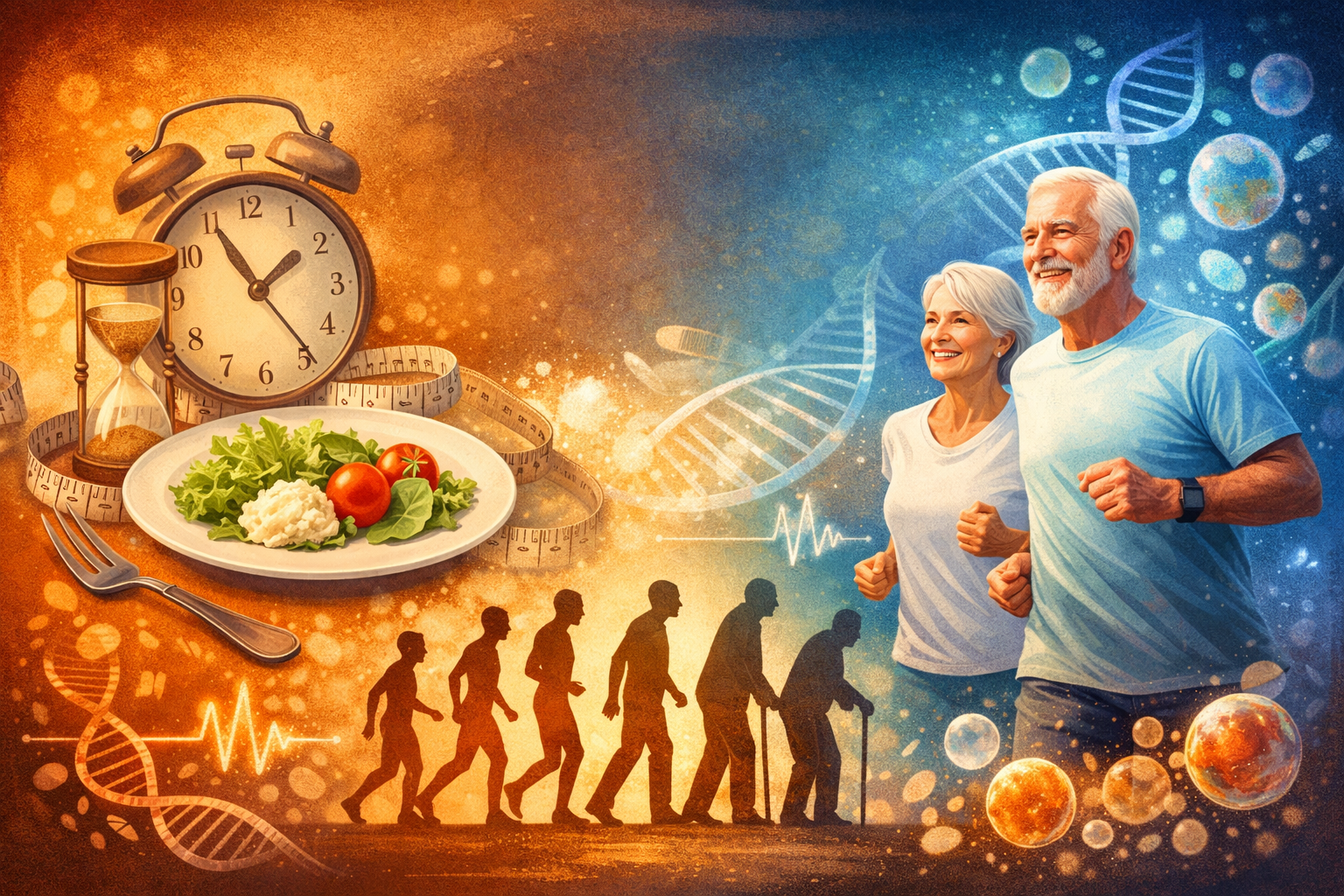
The question of whether aging should be classified as a disease has become an increasingly important topic in longevity science. Traditionally, aging has been viewed as a natural biological process rather than a pathological condition. However, modern biomedical research reveals that aging involves progressive physiological decline driven by identifiable biological mechanisms.
These mechanisms include cellular damage, metabolic dysfunction, chronic inflammation, and the gradual loss of tissue repair capacity. Because these processes resemble the pathological mechanisms seen in many diseases, some researchers argue that aging itself meets the criteria for classification as a disease.
Understanding aging through this lens changes how scientists approach healthspan and longevity research. If aging can be defined in terms of measurable biological changes—such as biomarkers, DNA damage, or cellular senescence—it may also become a target for medical intervention. This shift in perspective has major implications for the development of therapies designed to extend healthy lifespan.
To understand the broader scientific context, learn more in our complete guide to longevity.
Historical Perspectives on Aging as a Disease
For much of human history, aging was regarded as an unavoidable aspect of life rather than a condition that could be studied, measured, or treated. Medical systems focused primarily on individual diseases rather than the biological processes that make disease more likely with advancing age.
During the twentieth century, advances in molecular biology and gerontology began to change this view. Researchers identified patterns of cellular deterioration that accumulate over time, including DNA mutations, mitochondrial dysfunction, oxidative stress, and chronic inflammation. These discoveries revealed that aging is not a single process but a network of biological changes affecting metabolism, tissue regeneration, and immune function.
Some scientists therefore began proposing that aging should be classified as a disease because it produces predictable pathological effects throughout the body. Others maintain that aging is best described as a universal biological process that increases susceptibility to disease rather than being a disease itself.
This debate continues today, reflecting both scientific and philosophical questions about how health and disease should be defined.
Biological Insights: Is Aging a Disease from a Scientific Standpoint?
Modern longevity science increasingly studies aging as a series of interconnected biological mechanisms. These processes include telomere shortening, genomic instability, mitochondrial decline, impaired protein repair, and the accumulation of senescent cells.
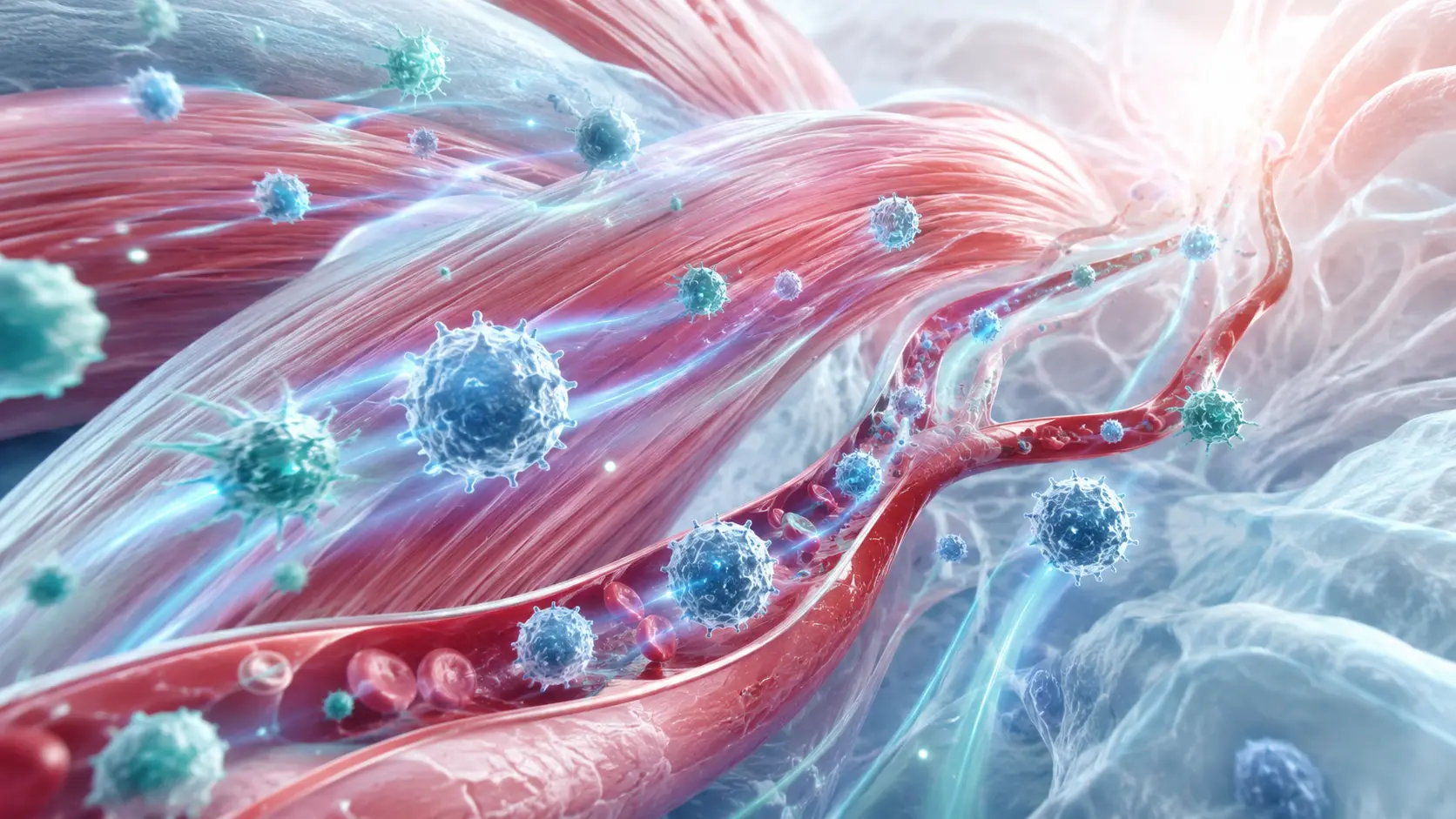
Each of these mechanisms contributes to reduced cellular resilience and declining physiological function over time. As tissues lose their ability to regenerate effectively, the risk of age-related diseases—such as cardiovascular disease, neurodegeneration, osteoporosis, and metabolic disorders—rises significantly.
Because these biological processes can now be measured using biomarkers of aging, researchers are exploring whether targeting the underlying mechanisms of aging could delay multiple diseases simultaneously. This approach differs from traditional medicine, which treats diseases individually rather than addressing the shared biological drivers behind them.
What Are the Key Biological Markers of Aging?
Researchers studying healthy aging focus on several core biomarkers that reflect biological decline. These include systemic inflammation, oxidative stress, epigenetic changes, DNA damage, metabolic dysregulation, and the accumulation of senescent cells.
These biomarkers provide measurable indicators of biological age and help scientists evaluate interventions designed to improve healthspan. For example, experimental therapies known as senolytics aim to remove senescent cells that accumulate with age and contribute to inflammation and tissue dysfunction.
Advances in longevity science suggest that targeting these biological pathways may slow aspects of aging and improve long-term metabolic health.
The Implications of Labeling Aging as a Disease
Classifying aging as a disease would significantly reshape the landscape of biomedical research and healthcare. One potential benefit is increased investment in therapies designed to slow biological aging rather than treating individual diseases separately.
If aging mechanisms could be targeted directly, medical interventions might reduce the risk of multiple chronic conditions simultaneously. This could dramatically improve healthspan by delaying the onset of age-related diseases.
However, the idea also raises important ethical and social considerations. Critics argue that defining aging as a disease could lead to increased healthcare costs or create disparities in access to longevity therapies. Others suggest that medicalizing aging could shift societal perceptions of what it means to grow older.
Despite these concerns, the scientific study of aging continues to expand rapidly, with growing interest in therapies that address the biological foundations of aging itself.
Could Classifying Aging as a Disease Help Develop Better Therapies?
Viewing aging as a treatable biological process could accelerate the development of new interventions in regenerative medicine, metabolic health, and cellular repair. Research into longevity pathways—including mTOR signaling, autophagy, DNA repair, and inflammation regulation—already suggests that certain interventions may influence biological aging.
Rather than attempting to eliminate aging entirely, the goal of longevity science is to extend healthspan—the period of life spent in good health and functional independence.
Targeting the underlying biology of aging may therefore offer one of the most promising strategies for improving long-term health outcomes.
Future Perspectives on Aging and Longevity Science
Longevity science is entering a period of rapid development as researchers gain a deeper understanding of the biological mechanisms that drive aging. Advances in genomics, epigenetics, metabolic research, and regenerative medicine are revealing new opportunities to influence cellular aging pathways.
Future therapies may focus on improving mitochondrial function, reducing chronic inflammation, enhancing cellular repair processes, and maintaining metabolic balance. These strategies aim not only to increase lifespan but to improve quality of life throughout the aging process.
As research progresses, the debate over whether aging should be classified as a disease may become less important than the practical question of how best to support healthy aging and extend healthspan.
References and Resources
The following sources provide scientific insights into the debate surrounding aging as a disease and the biological mechanisms involved in longevity research.
Authoritative Sources on Aging and Longevity
-
National Institute on Aging – Aging as a Disease?
nia.nih.govDiscusses the ongoing scientific debate about whether aging should be classified as a disease.
-
UCI Gero Center – Is Aging a Disease?
geriatrics.uci.eduExamines the biological and philosophical perspectives surrounding aging classification.
-
Trends in Cell Biology – Aging and Disease
cell.comResearch exploring the cellular mechanisms that link aging with disease processes.
-
Alzheimer’s Association – Aging and Neurodegeneration
alz.orgExplores the relationship between aging biology and neurodegenerative disease.
-
Fight Aging! – Longevity Research
fightaging.orgProvides insights into emerging therapies targeting biological aging mechanisms.
-
Aging-US – Open Access Journal
aging-us.comPublishes research on cellular aging, biomarkers, and potential longevity interventions.

Frequently Asked Questions
Is aging considered a disease by the medical community?
The classification of aging as a disease remains debated. Some researchers argue that aging meets many disease criteria because it involves progressive biological decline and identifiable pathological mechanisms. Others view aging as a natural biological process that increases disease risk rather than a disease itself.
Can aging be slowed or influenced biologically?
Emerging research suggests that certain interventions—including lifestyle improvements, metabolic regulation, and therapies targeting cellular damage—may influence biological aging pathways and help support healthier aging.
What are the ethical concerns surrounding longevity therapies?
Ethical discussions often focus on access to treatments, healthcare equity, and the potential societal impact of significantly extending lifespan. These debates continue alongside scientific progress in longevity research.
Why is the concept of healthspan important?
Healthspan refers to the period of life spent in good health without major chronic disease. Many longevity researchers prioritize extending healthspan rather than simply increasing lifespan.
Conclusion
The question of whether aging should be considered a disease highlights the evolving nature of longevity science. Advances in molecular biology and aging research have revealed that aging involves identifiable biological mechanisms that influence health, metabolism, and disease risk.
Whether or not aging is ultimately classified as a disease, understanding the biological drivers of aging is essential for developing strategies that support healthier, longer lives.
Find out more information about “Aging as a Disease”
Search for more resources and information:
“`