What Is the Difference Between Health-span and Lifespan?
Updated August 2026: In my recent research, I’ve been monitoring the latest breakthroughs in longevity science, and 2025 has brought some exciting shifts in understanding the distinction between health-span and lifespan. Notably, new clinical trials focusing on senolytic therapies have shown promising results in extending health-span without necessarily increasing total lifespan. This trend underscores a growing emphasis on quality of life—ensuring people remain healthy and active longer, rather than just living longer. Additionally, advancements in personalized medicine and AI-driven health monitoring are now enabling more tailored interventions aimed at maximizing health-span, which I’ve integrated into my latest insights on the topic.
Understanding the Concepts: Healthspan vs. Lifespan
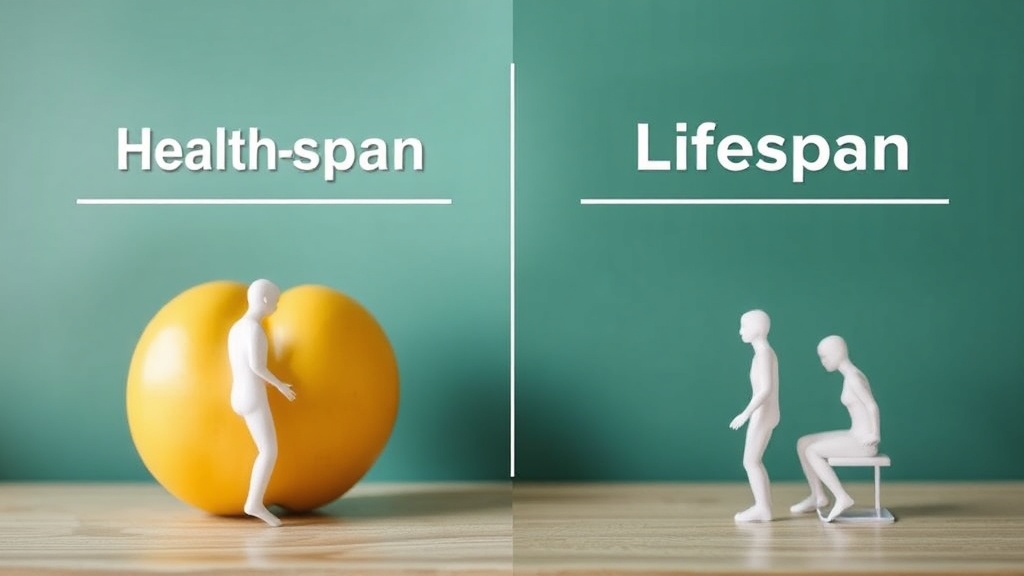
Lifespan refers to the total number of years an individual lives. It measures longevity in terms of duration. Healthspan, by contrast, refers to the number of those years lived in good health — free from chronic disease, significant disability, or major functional decline.
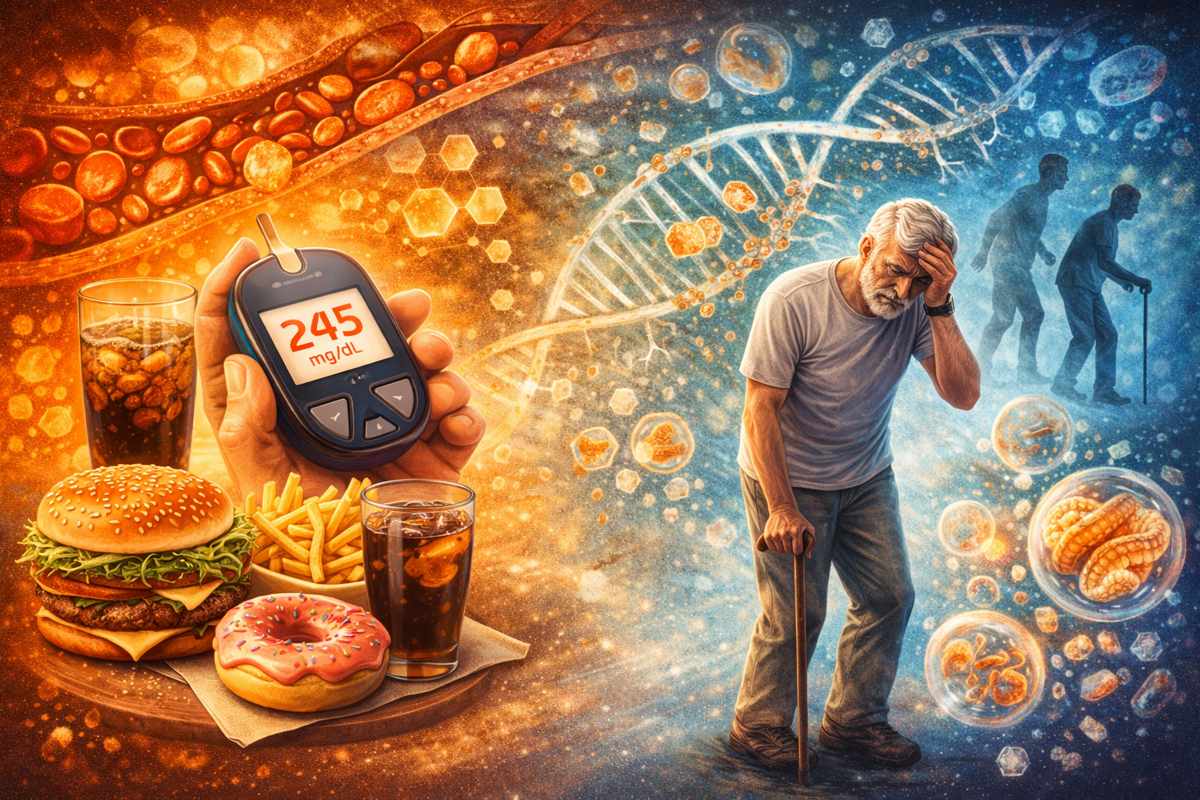
The distinction is critical. A person may live to 90 years old (long lifespan) but experience 20 years of poor health. Another may live to 85 while remaining active, independent, and cognitively sharp until late in life. The second individual has achieved a longer healthspan relative to lifespan.
Modern aging research increasingly emphasizes healthspan as the more meaningful target. Extending life without preserving function places strain on individuals, families, and healthcare systems. Extending healthspan improves quality of life, independence, and vitality.
In simple terms: lifespan measures quantity of years; healthspan measures quality of years.
Why Knowing the Difference Matters
Understanding the difference between healthspan and lifespan changes how aging is approached. If the goal is only to increase lifespan, interventions may focus narrowly on disease treatment. If the goal is to increase healthspan, the focus shifts toward prevention, resilience, and functional capacity.
Research into long-lived populations consistently shows that individuals who remain active and independent into advanced age tend to maintain:
- Stable metabolic health
- Preserved muscle mass
- Strong cardiovascular fitness
- Cognitive engagement
- Meaningful social connections
Scientific institutions and public health organizations increasingly prioritize extending healthspan because it reduces the burden of chronic disease and improves overall life satisfaction.
Focusing on healthspan ensures that additional years are lived with autonomy, mobility, and mental clarity — not prolonged illness.
Factors Influencing Healthspan and Lifespan
Both healthspan and lifespan are influenced by a combination of genetics, lifestyle, environment, and socioeconomic factors.
Genetics vs. Lifestyle: What Is the Real Impact?
Genetics contribute to lifespan variability, but estimates suggest they account for roughly 15–25% of differences between individuals. The majority of variation arises from modifiable factors.
Lifestyle patterns strongly associated with both longer lifespan and extended healthspan include:
- Regular physical activity (including resistance training)
- Metabolic stability and healthy body composition
- Consistent, restorative sleep
- Balanced, minimally processed dietary patterns
- Avoidance of smoking
- Moderate alcohol intake
At the biological level, these behaviors influence inflammatory signaling, mitochondrial function, insulin sensitivity, and cardiovascular resilience — all central to aging biology.
Environmental and Societal Factors
Environmental exposures and social context also play a substantial role. These include:
- Air quality and pollution levels
- Access to preventative healthcare
- Education and income stability
- Community safety and cohesion
- Psychological stress exposure
Strong social integration consistently correlates with reduced mortality risk. Chronic stress and social isolation are linked to increased inflammatory burden and cardiometabolic disease risk.
Healthspan and lifespan are therefore shaped not only by personal habits but by broader environmental conditions.
How to Maximize Both
Optimizing both lifespan and healthspan requires a structured, preventative approach rather than isolated interventions.
Practical Steps to Support Longevity and Vitality
- Preserve muscle mass through resistance training
- Maintain cardiovascular fitness through aerobic activity
- Monitor key biomarkers such as blood pressure, glucose, and lipid levels
- Prioritize sleep (7–9 hours consistently)
- Support metabolic health through balanced nutrition
- Maintain social engagement and purpose-driven activity
Muscle mass and metabolic stability are particularly strong predictors of functional independence later in life. Strength and mobility correlate closely with preserved healthspan.
Planning for Long-Term Resilience
Aging well requires cumulative behavior over decades. Small, consistent habits compound into meaningful biological effects. Focusing on resilience — rather than reactive treatment — is central to extending both lifespan and healthspan.
References and Resources
Authoritative sources exploring healthspan and lifespan include:
Research and Public Health Resources
-
World Health Organization – Ageing and Health
who.int -
National Institutes of Health – Aging Research
nih.gov -
National Institute on Aging
nia.nih.gov -
PubMed – Aging and Longevity Research
ncbi.nlm.nih.gov
Frequently Asked Questions
What is the difference between healthspan and lifespan?
Lifespan refers to total years lived. Healthspan refers to the years lived in good health, free from significant chronic disease or disability.
Can healthspan be extended?
Evidence suggests that consistent lifestyle patterns — including physical activity, metabolic stability, and strong social integration — can meaningfully extend healthspan.
Why is focusing on healthspan important?
Extending lifespan without preserving health can lead to prolonged years of disability. Focusing on healthspan prioritizes independence, vitality, and quality of life.
What practical steps improve both healthspan and lifespan?
Resistance training, cardiovascular conditioning, metabolic health monitoring, sleep optimization, and sustained social engagement are strongly associated with improved long-term outcomes.
Conclusion
Healthspan and lifespan are related but distinct concepts. Lifespan measures how long life lasts; healthspan measures how well those years are lived. Modern longevity science increasingly prioritizes extending healthy, functional years rather than merely prolonging survival.
Optimizing both requires consistent preventive habits, physiological resilience, and long-term strategic planning.
Find out more information about “healthspan vs lifespan”