Is Hiit Good for Longevity?
Updated June 2026: In my recent research, I’ve been closely monitoring the latest trends in exercise science, and 2024-2025 has brought some exciting developments regarding HIIT and longevity. New longitudinal studies from leading universities now suggest that incorporating HIIT into your routine not only boosts cardiovascular health but also significantly enhances cellular aging markers, potentially extending lifespan. Additionally, the latest wearable technology innovations allow individuals to precisely track HIIT intensity and recovery, making personalized longevity-focused workouts more accessible than ever before.
Understanding the Relationship Between HIIT and Longevity
HIIT can support longevity because it improves several of the health factors most closely linked to healthy aging. High-intensity interval training combines short bursts of hard effort with recovery periods, creating a time-efficient way to improve cardiovascular fitness, metabolic health, insulin sensitivity, and physical resilience. These effects are relevant to both lifespan and healthspan, especially when HIIT is used appropriately within a broader lifestyle plan.
The question is not simply whether HIIT is intense enough to be effective. It is whether that intensity can produce meaningful improvements in the biological systems that influence aging. In many cases, the answer is yes. HIIT can improve aerobic capacity, support mitochondrial function, and help maintain muscle and metabolic flexibility, all of which are important in longevity science. Learn more in our complete guide to longevity.
That said, HIIT is not a complete longevity strategy on its own. It works best when combined with other fundamentals such as strength training, moderate aerobic exercise, nutrient-dense nutrition, sleep, and recovery. Used in the right context, HIIT can be a valuable tool for promoting healthy aging and long-term vitality.
How HIIT Can Influence Aging and Life Span
Can HIIT support longevity? The scientific perspective
Research suggests that HIIT can positively influence several markers linked to longer life and better healthspan. It is associated with improvements in VO2 max, insulin sensitivity, blood pressure, body composition, and mitochondrial function. These changes matter because poor cardiovascular fitness and metabolic dysfunction are strongly associated with earlier mortality and age-related decline.
One of the most important effects of HIIT is its ability to improve cardiorespiratory fitness efficiently. Higher aerobic fitness is consistently associated with better long-term health outcomes, and HIIT can raise fitness levels in relatively short sessions. It may also help improve endothelial function, glucose handling, and the body’s ability to respond to physical stress.
These benefits help explain why HIIT is often discussed in the context of longevity. It can create strong physiological adaptations that support healthier aging, particularly for people who tolerate higher-intensity exercise well and recover properly between sessions.
How HIIT affects aging-related systems
HIIT influences several systems involved in aging, including the cardiovascular system, skeletal muscle, metabolism, and mitochondrial health. Short bursts of intense effort stimulate adaptation by challenging the body to recover, rebuild, and become more efficient. Over time, this can improve energy production, metabolic control, and exercise tolerance.
HIIT may also help reduce some of the risk factors associated with age-related disease, including poor insulin sensitivity, elevated blood pressure, excess body fat, and reduced aerobic capacity. Since these are closely tied to healthspan, improving them can contribute meaningfully to long-term wellbeing.
The key point is that HIIT can be effective because it is demanding enough to trigger adaptation. However, those benefits depend on programming, recovery, and individual fitness level. More intensity is not automatically better. The goal is targeted stress that improves resilience rather than excessive fatigue that undermines it.
HIIT and Long-Term Health
How HIIT can fit into a longevity-focused lifestyle
HIIT is often appealing because it is time-efficient, but its value goes beyond convenience. For many people, it provides a practical way to improve cardiovascular fitness, support body composition, and maintain performance as they age. These benefits can help preserve function and independence, which are central to healthy aging.
It may also support mental resilience. Intense exercise can improve mood, sharpen focus, and reinforce exercise consistency when used appropriately. A training method that feels effective and fits into real life is more likely to become sustainable, and sustainability is one of the most important factors in any longevity-related habit.
Still, HIIT should not be the only type of exercise in a long-term plan. Moderate aerobic work, strength training, mobility, and recovery are also essential. HIIT is most useful when it complements those foundations rather than replacing them.
Long-term benefits and limitations of HIIT
HIIT can support long-term health by improving fitness and key biomarkers efficiently, but it also has limitations. Because it places a higher demand on the body, it may not be appropriate every day, and it can increase injury or recovery problems if overused. This is especially relevant for older adults, beginners, or people with underlying health conditions.
For longevity, the objective is not maximum exhaustion. It is regular, repeatable training that improves health without creating chronic stress. HIIT can play a useful role in that plan, but it works best when balanced with lower-intensity exercise and adequate recovery.
When used intelligently, HIIT can contribute to a healthier, more resilient lifespan. When used excessively, it may become harder to sustain. That balance is what makes programming so important.
Scientific Insights: What Research Tells Us About HIIT and Longevity
Key findings supporting HIIT for healthy aging
Research on HIIT has shown improvements in cardiovascular function, glucose regulation, mitochondrial capacity, and physical performance. These effects are particularly relevant because they influence several of the pathways involved in aging, disease prevention, and recovery. Improvements in aerobic capacity alone may have major implications for long-term health, since fitness is one of the strongest predictors of mortality risk.
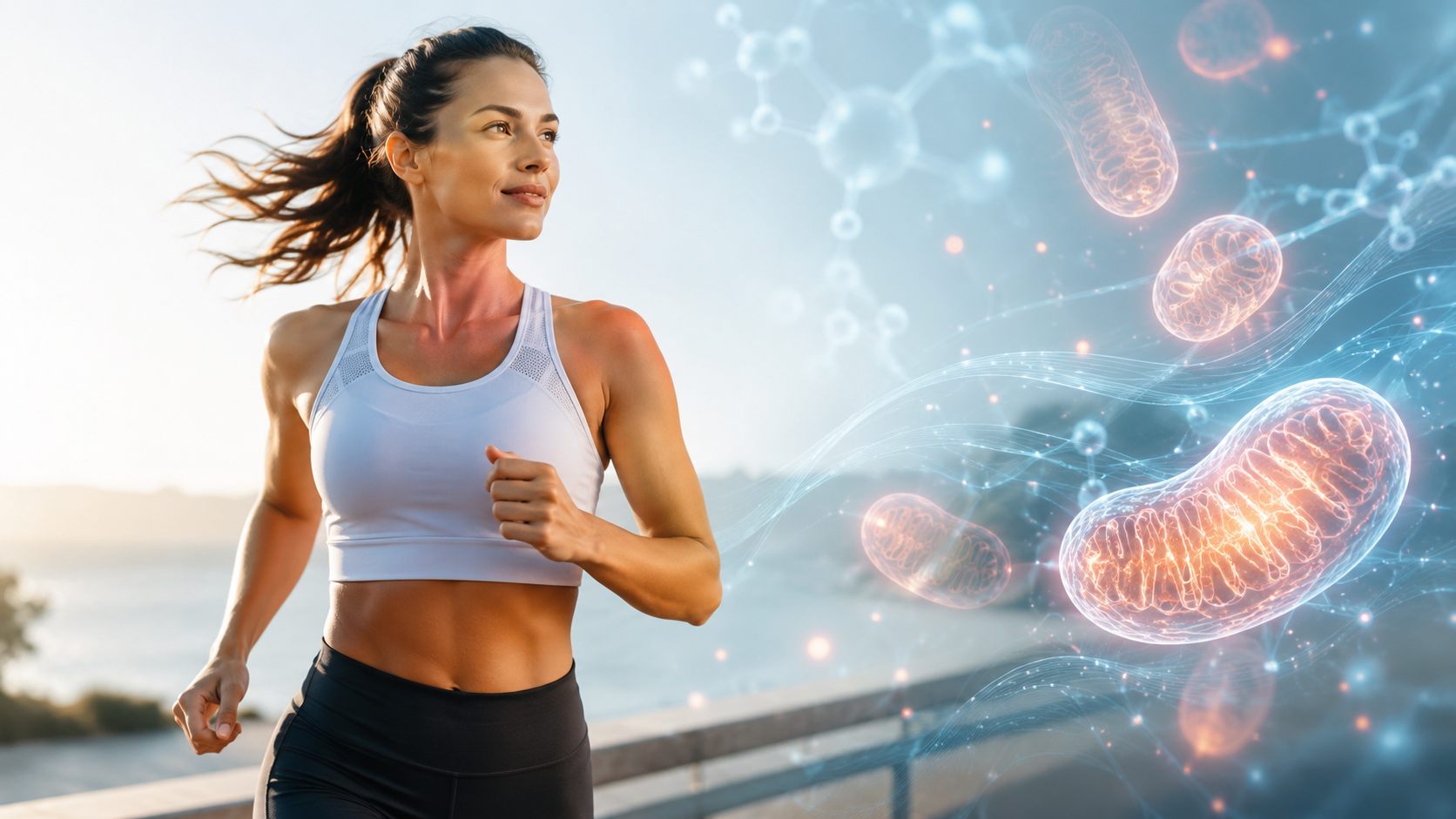
Studies have also suggested that HIIT may improve mitochondrial biogenesis and cellular energy production. Mitochondrial function is a major topic in longevity science because energy production, oxidative stress, and cellular efficiency all influence how the body ages over time.
These findings do not mean HIIT is a magic solution. They do suggest that it can be an effective tool for improving the biological and functional systems that matter most for healthy aging.
How HIIT may modulate aging processes
One reason HIIT is discussed in longevity research is its potential effect on cellular signaling related to metabolism and adaptation. Intense interval exercise can stimulate pathways involved in mitochondrial health, glucose transport, and exercise recovery. It may also help reduce some chronic disease risks by improving insulin sensitivity and supporting healthier body composition.
There is also growing interest in how exercise intensity affects inflammation, vascular health, and metabolic resilience. HIIT may contribute to healthier aging by improving these systems, especially when it raises overall fitness and complements other exercise modalities.
However, the broader picture remains important. Longevity is shaped by total lifestyle, not a single protocol. HIIT is best understood as one effective method within a larger framework of exercise, nutrition, sleep, stress management, and long-term consistency.
Practical Tips for Incorporating HIIT into Your Lifestyle for Greater Longevity
Starting with HIIT safely and effectively
A sensible starting point is to keep intervals short and recovery periods generous. For example, 20 to 30 seconds of hard effort followed by a longer period of easy recovery can help build tolerance without excessive strain. This makes HIIT more accessible and easier to sustain.
Warm-ups and cool-downs matter. Because HIIT is demanding, proper preparation helps reduce injury risk and improves workout quality. It is also wise to choose low-impact options such as cycling, rowing, incline walking, or an exercise bike when joint stress is a concern.
For longevity, progress should be gradual. The goal is to build fitness while preserving consistency, not to make every session as hard as possible.
Best practices for maximizing long-term benefits
HIIT works best when it is used strategically rather than excessively. For many people, one to three HIIT sessions per week is enough to gain benefits while leaving room for moderate aerobic work, resistance training, and recovery. This balance supports metabolism, cardiovascular function, muscle maintenance, and overall resilience.
Variety can also help. Cycling, running, rowing, swimming, and bodyweight circuits can all be used for interval training, depending on fitness level and injury history. Choosing forms of HIIT that are enjoyable and realistic increases the chances of long-term adherence.
Ultimately, the most effective longevity strategy is the one that can be maintained for years. HIIT can be a powerful part of that strategy, but only when it is sustainable, well-recovered, and integrated into a balanced lifestyle.
References and Resources
These resources provide useful background on HIIT, cardiovascular fitness, aging, metabolism, and the role of exercise in healthy longevity:
Authoritative Sources on HIIT Good for Longevity
- CDC – Physical Activity and Health
cdc.gov
Explains how physical activity supports cardiovascular health, metabolic function, and long-term disease prevention.
- NIH – High-Intensity Interval Training & Aging
nih.gov
Highlights how HIIT may influence aging-related processes, including mitochondrial function and physical performance.
- Healthline – Benefits of HIIT
healthline.com
Provides an accessible overview of HIIT and its potential benefits for fitness, metabolism, and healthy aging.
- Medical News Today – HIIT and Aging
medicalnewstoday.com
Summarizes research on how high-intensity exercise may affect aging, fitness, and disease risk.
- ACE Fitness – Should You Try HIIT?
acefitness.org
Offers practical advice on implementing HIIT safely and effectively as part of a balanced training plan.
- British Journal of Sports Medicine – HIIT and Aging
bjsm.bmj.com
Peer-reviewed research exploring how interval training affects older adults and aging-related physiology.
- NCBI – Exercise and Aging
nih.gov
Reviews how different forms of exercise, including interval-based training, influence age-related decline and healthspan.

Frequently Asked Questions
Frequently Asked Questions
HIIT can support longevity by improving cardiovascular fitness, insulin sensitivity, metabolic health, and mitochondrial function. These adaptations are closely linked to healthier aging and lower risk of chronic disease when HIIT is performed appropriately.
How often should I do HIIT for longevity benefits?
For many people, one to three HIIT sessions per week is enough to gain benefits while still allowing for recovery and other forms of exercise. The ideal frequency depends on fitness level, age, recovery capacity, and total training load.
Are there risks associated with HIIT for aging?
Yes. Because HIIT is demanding, it can increase fatigue, strain, or injury risk if introduced too aggressively or performed too often. Starting gradually, warming up properly, and using appropriate exercise selection are important for safety.
What are the most effective types of HIIT for longevity?
Low-impact options such as cycling, rowing, swimming, incline walking, or controlled bodyweight intervals often work well because they provide intensity with less joint stress. The best choice is one that can be performed safely and sustained consistently.
Conclusion
HIIT can be good for longevity when it is used intelligently as part of a balanced exercise routine. Its main value comes from improving fitness, metabolic health, cardiovascular function, and cellular energy systems that influence healthy aging. These effects can support both lifespan and healthspan.
However, HIIT works best when paired with moderation, recovery, and other foundational habits such as strength training, aerobic exercise, good nutrition, and sleep. Used in that context, it can be a highly effective and time-efficient tool for building long-term resilience and supporting a healthier, more active life.
Find out more information about “HIIT Good for Longevity”
Search for more resources and information: