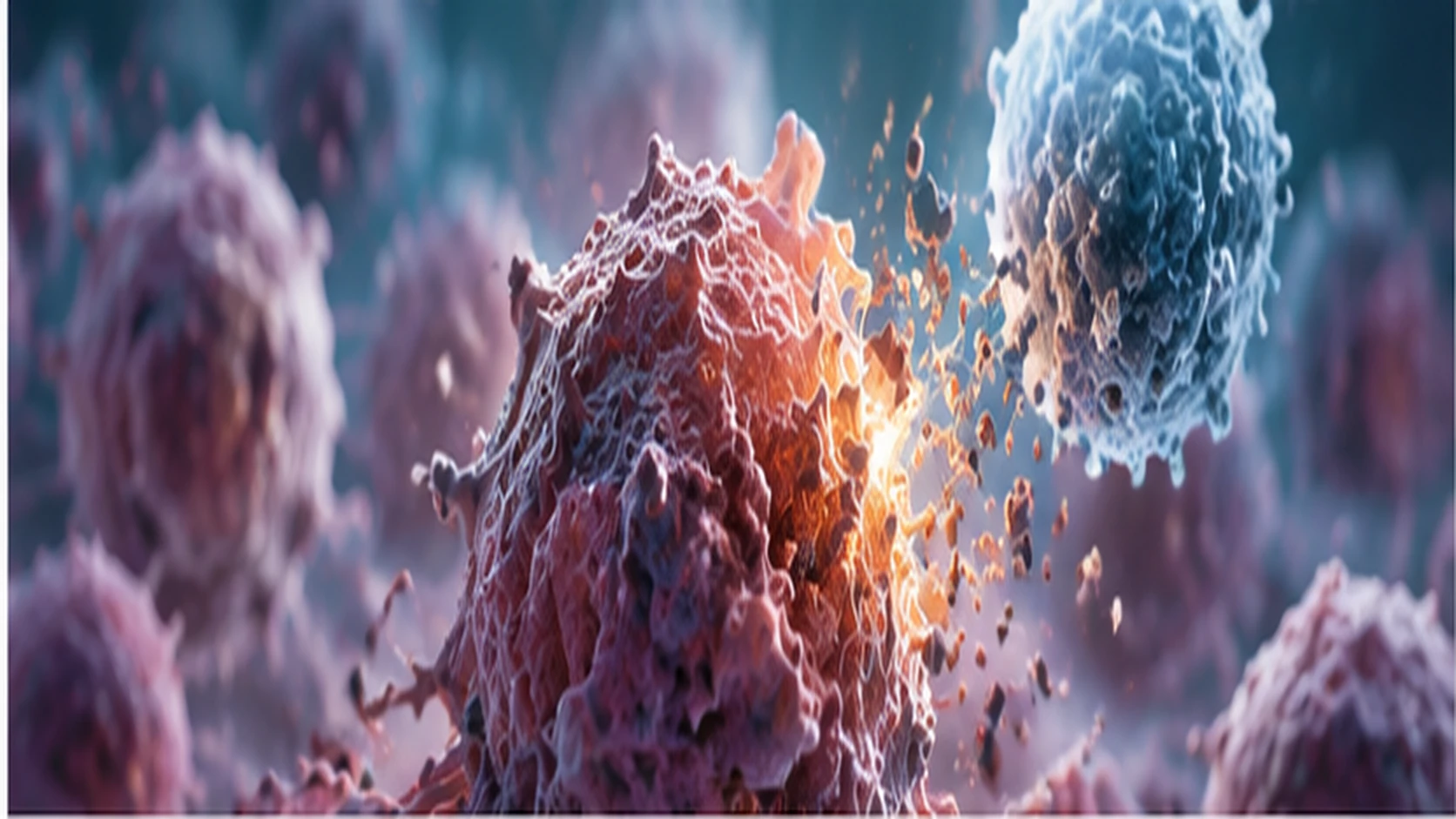

Does Sleep Deprivation Increase Inflammation?
Updated August 2026: I’ve been monitoring the latest research trends, and in my recent research, I’ve found that new studies from early 2024 reveal a stronger link between sleep deprivation and systemic inflammation than previously thought. Notably, a large-scale clinical trial published this year indicates that even moderate reductions in sleep duration can significantly elevate inflammatory markers like CRP and IL-6, which are associated with chronic diseases. Additionally, advancements in wearable technology now allow individuals to track their sleep quality and inflammation levels simultaneously, empowering people to take proactive steps to mitigate these risks. It’s clear that prioritizing restorative sleep has become a key focus in preventing inflammation-related health issues in 2025.
Introduction
Sleep deprivation increases inflammation, and this connection has major implications for metabolic health, immune function, and healthy aging. Sleep is not simply a period of rest. It is an active biological process that helps regulate immune signaling, repair tissues, balance hormones, and control inflammatory responses. When sleep becomes too short, fragmented, or chronically poor in quality, the body can shift toward a more inflammatory state.
This matters because chronic inflammation is linked to many of the conditions most relevant to longevity, including cardiovascular disease, type 2 diabetes, cognitive decline, and accelerated biological aging. Inflammation is useful in the short term when the body needs to respond to injury or infection, but when it remains elevated over time, it can contribute to cellular damage and long-term disease risk. Learn more in our complete guide to longevity.
For that reason, sleep should be viewed as a core lifestyle factor rather than a secondary health habit. Better sleep quality may help regulate inflammatory pathways, improve resilience, and support both healthspan and lifespan.
Understanding the Link Between Sleep Deprivation and Inflammation
What Is Inflammation, and Why Does It Matter?
Inflammation is part of the body’s normal defense system. It helps the immune system respond to infection, injury, and other biological stressors. In the short term, this response is essential for healing. The problem arises when inflammation becomes persistent or excessive, because chronic low-grade inflammation is associated with many age-related diseases and reduced long-term health.
In the context of sleep deprivation, inflammation matters because poor sleep can push the immune system toward a more activated state. When sleep is regularly disrupted, the body may produce higher levels of inflammatory compounds even in the absence of infection or injury. Over time, this can contribute to worse metabolic health, impaired recovery, and greater disease risk.
This is one reason sleep is so important in longevity science. It does not only influence energy and mood. It also helps regulate the inflammatory processes that shape healthy aging.
How Does Sleep Deprivation Affect Inflammatory Markers?
Sleep deprivation has been associated with higher levels of inflammatory markers such as cytokines and C-reactive protein, or CRP. These markers are commonly used to assess inflammatory activity in the body, and increases in them are linked with higher risks of cardiovascular disease, insulin resistance, and other chronic conditions.
Even short periods of poor sleep may trigger measurable inflammatory changes. When the body is sleep deprived, immune signaling can shift in a pro-inflammatory direction, increasing substances such as interleukin-6 and tumor necrosis factor-alpha. If sleep loss continues over time, these elevations may become more persistent and more harmful.
This means that sleep deprivation can influence inflammation both acutely and chronically. A few poor nights may create short-term stress on the system, while long-term sleep disruption may help sustain the type of inflammation associated with worse aging outcomes.
How Sleep Deprivation Increase Inflammation: The Scientific Perspective
What Does Research Say About Sleep Deprivation and Inflammation?
Research consistently suggests that sleep deprivation increases inflammation. Experimental studies have shown that even short-term sleep restriction can raise inflammatory cytokines, while observational research has linked chronic poor sleep with higher CRP and other inflammatory markers. These findings help explain why inadequate sleep is associated with a higher risk of chronic disease.
The scientific importance of this connection is that inflammation acts as a common pathway linking poor sleep to many health conditions. Sleep deprivation may not directly cause every disease, but it can create a biological environment that makes disease more likely. This is especially relevant for heart health, metabolic health, and brain aging.
As the evidence has grown, sleep has become increasingly recognized as a regulator of immune balance. Adequate sleep supports recovery and normal immune signaling, while sleep deprivation appears to weaken this regulation and increase inflammatory stress.
Mechanisms Behind Sleep Deprivation Increase Inflammation
The mechanisms behind this effect involve both the immune system and the body’s stress-response systems. Sleep loss can activate stress pathways that increase cortisol disruption, sympathetic nervous system activity, and pro-inflammatory immune signaling. These changes may make the body more reactive and less efficient at returning to baseline.
Circadian rhythm disruption also plays a role. The body’s internal clock helps coordinate immune activity, hormone release, and tissue repair. When sleep is shortened or mistimed, these rhythms can become less stable, which may further increase inflammatory signaling and reduce recovery capacity.
This helps explain why poor sleep is rarely an isolated issue. It affects multiple biological systems at the same time, including metabolism, mood regulation, immune balance, and cardiovascular function. The cumulative result can be a stronger inflammatory burden over time.
Practical Implications for Health and Longevity
Why Better Sleep Matters for Inflammation
Better sleep can be a practical way to reduce inflammatory strain on the body. When sleep improves, immune function often becomes more balanced, recovery improves, and the body is better able to regulate the inflammatory response. This is especially important for people who already have risk factors such as insulin resistance, obesity, chronic stress, or cardiovascular concerns.
Sleep should therefore be treated as a foundational part of an anti-inflammatory lifestyle. Diet and exercise are both essential, but they may not work as effectively when sleep remains poor. Consistently good sleep helps the body respond more effectively to other healthy lifestyle habits, making it easier to maintain better overall health.
From a healthy aging perspective, this matters because lower chronic inflammation is associated with better resilience, better biomarkers, and a reduced burden of disease over time.
Practical Tips to Reduce Inflammation Through Better Sleep
Improving sleep quality often starts with routine. Going to bed and waking up at similar times each day helps stabilize circadian rhythm and improve sleep consistency. A cool, dark, quiet bedroom can also support deeper and less interrupted sleep, which improves the restorative value of the night.
Other useful strategies include reducing caffeine later in the day, limiting alcohol close to bedtime, and creating a calmer evening routine with less screen exposure. Stress management is also important, because chronic stress can worsen both sleep disruption and inflammation at the same time.
These changes may seem simple, but they can have broad effects. Better sleep can improve energy, immune regulation, mood, metabolic function, and the inflammatory balance that supports long-term health.
Additional Factors Influencing Inflammation and Sleep
Lifestyle Factors That Interact With Sleep and Inflammation
Sleep does not act alone. Diet, exercise, stress, body composition, and overall lifestyle all influence inflammation, and these factors often interact with sleep quality. A nutrient-dense diet, regular physical activity, and better stress regulation can all help reduce inflammatory burden and may also improve sleep quality in the process.
Chronic stress is especially important because it can elevate inflammatory markers while also making sleep shallower and more fragmented. This creates a cycle in which poor sleep and stress reinforce each other, increasing inflammatory strain over time. Breaking that cycle often requires a broader lifestyle approach rather than focusing on only one factor.
That is why a holistic strategy tends to work best. Good sleep hygiene, anti-inflammatory nutrition, movement, and stress management can work together to support healthier immune function and better long-term wellbeing.
The Role of Sleep Duration and Quality
Both sleep duration and sleep quality influence inflammation. A person may spend enough time in bed but still experience poor recovery if sleep is highly fragmented or lacks enough restorative stages. On the other hand, consistently short sleep may create inflammatory stress even if sleep feels subjectively acceptable.
This means the goal should not be limited to sleeping more. The aim is to improve the overall quality of sleep, including sleep continuity, consistency, and restorative depth. When those factors improve, inflammatory balance often improves as well.
Better sleep quality can also support mood, immune function, metabolic health, and daily energy. These broader benefits make sleep one of the most practical and accessible ways to support both healthspan and long-term resilience.
References and Resources
These resources provide useful background on sleep deprivation, inflammation, immune function, and long-term health:
Authoritative Sources on Sleep Deprivation Increase Inflammation
- Sleep and Inflammation
SleepFoundation.org
Provides a practical overview of the relationship between sleep quality, sleep deprivation, and inflammatory processes.
- Sleep Loss and Immune Function
NCBI – PubMed Central
Examines how sleep deprivation affects immune signaling and inflammatory markers at a biological level.
- Healthline: Sleep Deprivation and Inflammation
Healthline.com
Summarizes the science and practical implications of poor sleep on inflammation and overall health.
- Science Daily: Sleep and Inflammation
ScienceDaily.com
Highlights research showing how sleep loss activates inflammatory pathways and immune responses.
- WebMD: Sleep and Inflammation
WebMD.com
Offers an accessible explanation of how poor sleep may worsen inflammation and health outcomes.
- MDPI – Nutrients Journal
MDPI.com
Explores the interaction between nutrition, sleep, and inflammatory pathways from a broader lifestyle perspective.
- JAMA Internal Medicine
JAMAI.org
Presents clinical evidence on how poor sleep is linked with long-term disease risk and inflammatory burden.

FAQ: Clarifying Common Questions
Frequently Asked Questions
Does sleep deprivation increase inflammation in everyone?
Sleep deprivation tends to increase inflammation in most people, although the size of the effect can vary. Genetics, stress, lifestyle, body composition, and pre-existing health conditions all influence the response.
Can improving sleep reduce inflammation?
Yes. Better sleep quality and more consistent sleep duration can help reduce inflammatory markers and improve immune balance. Sleep is one of the most effective natural tools for lowering chronic inflammatory stress.
How quickly does sleep deprivation impact inflammation?
Inflammatory changes can begin within just a few nights of poor sleep. Research shows that short-term sleep restriction may raise inflammatory cytokines and other markers relatively quickly.
Is chronic sleep deprivation linked to long-term inflammation?
Yes. Chronic sleep deprivation is associated with more persistent inflammation, which may increase the risk of cardiovascular disease, metabolic dysfunction, and other chronic conditions over time.
Does addressing sleep deprivation help reduce existing inflammation?
Improving sleep can help reduce existing inflammation, especially when sleep loss has been a major driver of stress on the body. The best results usually come when better sleep is combined with nutrition, exercise, and stress management.
Conclusion
Sleep deprivation increases inflammation by disrupting immune regulation, circadian rhythm, hormone balance, and recovery. These effects can raise inflammatory markers in the short term and contribute to more persistent inflammatory stress when poor sleep becomes chronic.
From a longevity and healthy aging perspective, sleep is one of the most important lifestyle factors to protect. Better sleep quality and consistency may help reduce inflammation, improve metabolic and cardiovascular health, and support stronger long-term resilience. Prioritizing sleep is therefore one of the most practical steps available for improving overall health outcomes.
Find out more information about “Sleep Deprivation Increase Inflammation”
Search for more resources and information: