How Does Sleep Clear Brain Toxins?
Updated August 2026: I’ve been monitoring the latest scientific breakthroughs, and in my recent research, I’ve come across compelling evidence that sleep’s role in clearing brain toxins is more nuanced than previously thought. New studies from 2024-2025 highlight the significance of specific sleep stages, particularly REM sleep, in facilitating the glymphatic system’s activity. Notably, recent advancements in imaging technology have allowed researchers to visualize toxin clearance in real time, confirming that deep sleep enhances this process significantly. These developments suggest that optimizing sleep quality could be even more crucial for brain health than earlier believed, especially in preventing neurodegenerative diseases.
Understanding Brain Toxins and Sleep’s Role
Sleep helps clear brain toxins by supporting one of the brain’s most important maintenance processes: waste removal. Throughout the day, normal brain activity produces metabolic byproducts that need to be cleared efficiently. If these waste products accumulate, they may interfere with cognitive function and, over time, contribute to brain aging and neurodegenerative risk.
This is why sleep matters for more than rest or energy. During sleep, especially in deeper stages, the brain shifts into a state that supports clearance of substances that build up during waking hours. This process is closely linked to the glymphatic system, which acts as a waste-disposal network for the brain. Learn more in our complete guide to longevity.
In the context of longevity science, this connection is especially important. Healthy aging depends not only on cardiovascular and metabolic health, but also on preserving cognitive resilience, mental clarity, and long-term brain function. Sleep appears to play a central role in that process by helping the brain manage waste, inflammation, and recovery.
The Glymphatic System: Your Brain’s Waste Disposal
What Is the Glymphatic System and How Does It Work?
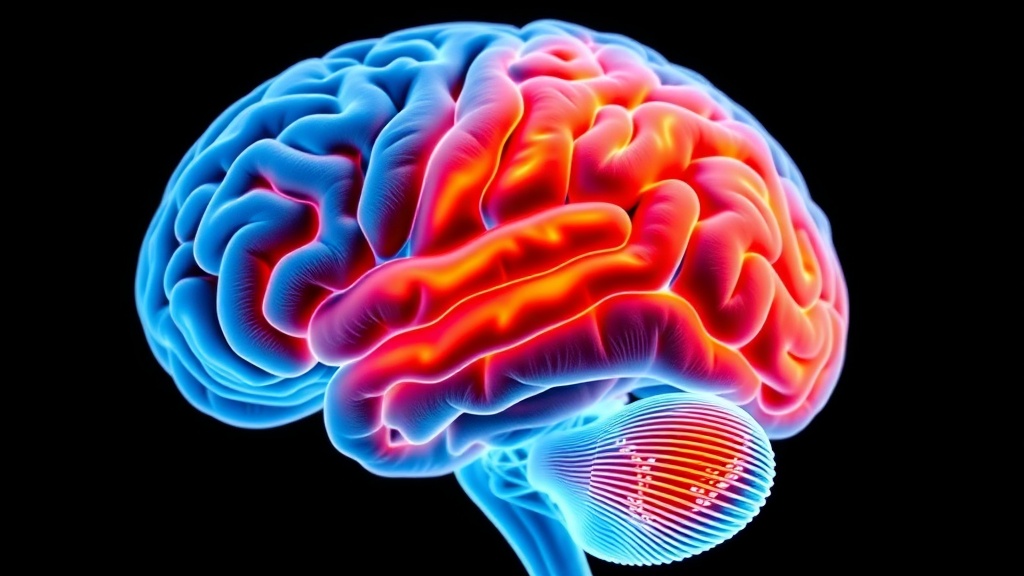
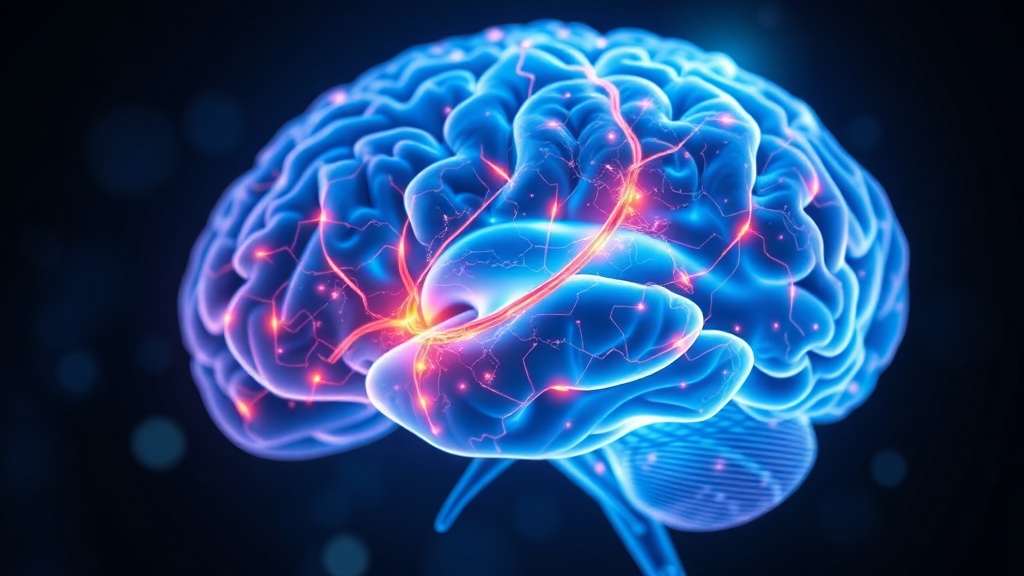
The glymphatic system is a brain-wide clearance network that helps remove waste products from brain tissue. It relies on the movement of cerebrospinal fluid through spaces surrounding brain cells, where it helps wash away metabolic waste and potentially harmful proteins. This system is often described as the brain’s waste-removal pathway because it performs a role similar to a cleansing and recycling process.
Researchers have linked the glymphatic system to the clearance of substances such as beta-amyloid and other waste products associated with neurodegeneration. This has made the system especially relevant in research on Alzheimer’s disease, brain aging, and sleep quality. The better this clearance process functions, the better the brain may be able to maintain a healthier internal environment.
Importantly, this process does not appear to run at full efficiency all the time. Sleep is when glymphatic activity becomes much more active, which helps explain why good sleep is so closely linked with mental clarity, recovery, and long-term brain health.
Why Is Sleep the Critical Time for Brain Detox?
Sleep is the key time for brain detoxification because the brain’s waste-clearance system becomes more active during sleep, especially during deep slow-wave sleep. Research suggests that the space between brain cells expands during sleep, allowing cerebrospinal fluid to circulate more effectively and remove waste products more efficiently.
This means sleep is not a passive shutdown period. It is an active biological state in which the brain performs maintenance that is difficult to carry out as efficiently while awake. When sleep is shortened, fragmented, or poor in quality, this clearance process may be reduced, which can leave the brain with a greater waste burden.
That is one reason poor sleep is often associated with brain fog, reduced focus, and impaired cognitive performance. Over time, repeated disruption of this overnight cleaning process may also have implications for healthy aging and long-term brain resilience.
How Sleep Enhances Toxin Clearance
What Happens During Deep Sleep?
Deep sleep is one of the most important stages for brain recovery and waste clearance. During this phase, brain activity patterns slow and become more synchronized, creating conditions that appear to support glymphatic function. This is one reason deep sleep is often associated with waking up mentally refreshed and cognitively clearer.
Deep sleep also supports broader restorative processes that matter for brain health, including immune regulation, hormone balance, and reduced physiological stress. These factors interact with toxin clearance because the brain ages more effectively when inflammation is lower, sleep is stable, and recovery processes are functioning well.
For this reason, improving deep sleep is often one of the most practical ways to support the brain’s natural maintenance systems. Sleep timing, sleep duration, and sleep continuity all matter because they influence how much time the brain spends in these restorative stages.
Does Sleep Quality Directly Impact Brain Toxin Removal?
Yes, sleep quality appears to directly influence how efficiently the brain clears waste. Poor sleep quality, frequent waking, short sleep duration, and sleep disorders can all reduce the effectiveness of overnight brain maintenance. Even when a person spends enough hours in bed, fragmented or shallow sleep may still limit the restorative benefits of sleep.
Good sleep quality supports not only glymphatic activity, but also brain plasticity, stress regulation, and cognitive performance. In contrast, poor sleep may leave the brain less able to manage waste, recover from daily stress, and maintain healthy function over time. This is why consistent, restorative sleep is so important for both short-term mental clarity and long-term brain aging.
In practical terms, better sleep tends to support clearer thinking, more stable mood, and better next-day concentration. These benefits likely reflect a combination of improved toxin clearance, better nervous system recovery, and stronger overall sleep architecture.
How Sleep Quality Supports Brain Health
Sleep, Cognitive Function, and Mental Clarity
One of the clearest signs that sleep matters for brain detoxification is the difference in cognitive function after good versus poor sleep. High-quality sleep is often associated with better memory, sharper focus, faster thinking, and improved mood regulation. These benefits suggest that overnight recovery is essential for keeping the brain functioning efficiently.
When sleep is poor, the opposite often happens. Brain fog, forgetfulness, slower reaction times, and reduced attention can all appear quickly. While many factors contribute to these symptoms, impaired recovery and less effective waste clearance are likely part of the explanation.
This relationship matters for healthy aging because repeated cognitive strain and poor recovery may gradually reduce resilience. Protecting sleep quality is therefore one of the more accessible ways to support long-term brain health and healthspan.
Sleep Disorders and Their Impact on Brain Toxins
Sleep disorders such as insomnia, sleep apnea, and highly fragmented sleep can interfere with the brain’s natural waste-removal processes. These conditions often reduce deep sleep, disrupt sleep continuity, and increase physiological stress, all of which may make glymphatic clearance less efficient.
Sleep apnea is especially important because repeated drops in oxygen and frequent nighttime arousals can significantly reduce sleep quality even when a person remains in bed for many hours. Over time, this kind of disruption may affect memory, concentration, mood, and broader brain health.
Persistent sleep problems should not be ignored. Addressing them may improve not only daily energy and cognition, but also the brain’s ability to recover, regulate inflammation, and maintain healthier long-term function.
Practical Tips to Maximize Brain Toxin Clearance During Sleep
Creating the Ideal Sleep Environment
A good sleep environment can improve the depth and continuity of sleep, which may help support brain toxin clearance. Bedrooms that are cool, dark, and quiet tend to promote more stable sleep. Blackout curtains, reduced noise, and minimizing overnight light exposure can all make a meaningful difference.
These environmental changes support better sleep architecture by helping the body remain asleep for longer and enter deeper, more restorative sleep stages. That matters because toxin clearance is most effective when sleep is uninterrupted and high in quality.
Simple improvements to the bedroom can therefore support more than comfort. They may also strengthen one of the brain’s most important recovery processes.
Sleep Timing and Routine
Regular sleep timing is another important factor. Going to bed and waking up at similar times each day helps regulate circadian rhythm, which supports better sleep quality and more stable sleep cycles. A predictable rhythm makes it easier for the brain and body to enter restorative sleep at the right times.
A calming pre-sleep routine can also help. Activities such as reading, gentle stretching, breathing exercises, or meditation may reduce stress and make it easier to fall asleep without fragmentation. Limiting caffeine late in the day and reducing screen exposure before bed may also support better sleep continuity.
These habits are valuable because they improve the consistency of sleep, and consistency is one of the biggest drivers of effective overnight brain recovery. For people interested in brain health, sleep routine is not a minor lifestyle detail. It is a practical tool for supporting cognitive resilience and healthy aging.
References and Resources
These resources provide useful background on the glymphatic system, sleep quality, brain waste clearance, and cognitive health:
Authoritative Sources on Does Sleep Clear Brain Toxins
- National Institute of Neurological Disorders and Stroke (NINDS)
NINDS.nih.gov
Provides information on brain health, nervous system function, and the broader biological processes that support cognitive resilience.
- Glymphatic System and Sleep: A Review
PubMed Central
Reviews the science behind the glymphatic system and its role in waste clearance during sleep.
- Sleep Foundation
SleepFoundation.org
Explains how sleep affects brain health and offers practical advice for improving sleep quality.
- How Sleep Cleans the Brain
Medical News Today
Provides an accessible overview of the relationship between sleep and brain waste removal.
- American Heart Association
Heart.org
Discusses how sleep quality supports brain health, cognitive function, and long-term wellbeing.
- BrainFacts.org
BrainFacts.org
Explores the neuroscience behind waste removal during sleep and why it matters for brain function.
- Psychology Today
PsychologyToday.com
Provides a readable summary of how sleep may support mental clarity by improving brain recovery and waste clearance.

Frequently Asked Questions
Frequently Asked Questions
Does sleep really clear brain toxins, or is it a myth?
Sleep does appear to help clear brain waste through the glymphatic system. This is supported by research showing that sleep, especially deep sleep, improves the movement of cerebrospinal fluid involved in waste removal.
How long does it take for sleep to effectively clear brain toxins?
A full night of sleep, usually around 7 to 9 hours for most adults, gives the brain more opportunity to move through restorative sleep stages. Short or fragmented sleep may reduce how effectively this process works.
Can improving sleep hygiene enhance the brain’s detoxification process?
Yes. Better sleep hygiene can improve sleep quality and continuity, which may help the brain spend more time in the restorative stages linked to stronger waste clearance and better recovery.
What are the signs that my brain isn’t clearing toxins effectively?
Brain fog, poor concentration, forgetfulness, and reduced mental sharpness are common signs of poor sleep and reduced brain recovery. These symptoms are not specific to toxin clearance alone, but they can reflect inadequate restorative sleep.
How does sleep facilitate brain detoxification?
Sleep supports brain detoxification by increasing glymphatic activity and improving the movement of cerebrospinal fluid through brain tissue. This helps remove metabolic waste that accumulates during waking hours.
Conclusion
Sleep helps clear brain toxins by supporting the glymphatic system, which becomes more active during sleep and helps remove waste products from brain tissue. This process is especially relevant to brain health, cognitive function, and healthy aging.
Better sleep quality, regular sleep timing, and a more supportive sleep environment may all improve the brain’s ability to recover overnight. For anyone interested in mental clarity, long-term brain resilience, and longevity, sleep remains one of the most practical and important habits to protect.
Find out more information about “Does Sleep Clear Brain Toxins”
Search for more resources and information: