
What Is the Most Promising Longevity Drug?
What Is the Most Promising Longevity Drug?
TL;DR: Rapamycin is currently the most scientifically compelling longevity drug candidate, based on consistent lifespan extension in animal models and a well-understood mechanism targeting the mTOR pathway. However, no drug has yet been proven to extend lifespan in healthy humans, and all current candidates involve meaningful trade-offs that require careful consideration.
What Is the Most Promising Longevity Drug?
Based on the current weight of evidence, rapamycin stands out as the most promising longevity drug from a biological standpoint. It has extended lifespan in multiple animal species, including mice, and it targets a central aging pathway — mTOR — with a well-established mechanism. That said, no drug has yet demonstrated lifespan extension in healthy humans in a controlled trial. The field is advancing, but important distinctions between animal data, early human data, and proven clinical benefit still matter considerably.
Other candidates — including metformin, NAD+ precursors, and senolytics — show meaningful biological rationale and some human safety data, but each comes with its own evidence gaps. Understanding what separates genuine promise from premature enthusiasm is the most useful thing anyone can do when navigating this topic.
What Makes a Drug Promising for Longevity?
The Core Criteria
A drug earns the label “promising” in longevity research when it meets several overlapping criteria. First, it should target a fundamental aging mechanism — not just a single disease endpoint. Pathways such as mTOR signalling, AMPK activation, cellular senescence, and NAD+ metabolism are considered central to the aging process itself, rather than downstream consequences of it.
Second, the drug should show reproducible effects across biological models, ideally with some translational evidence in humans. Animal lifespan data alone is not sufficient, as many interventions that work in mice have failed to translate. Third, the safety profile must be manageable relative to the expected benefit — a threshold that is particularly important when considering use in otherwise healthy people rather than those with an underlying disease.
The Gap Between Biomarkers and Lifespan
A recurring challenge in this field is that improving a biomarker — such as fasting glucose, inflammation markers, or even biological age scores — does not automatically mean a drug extends lifespan. Importantly, some interventions improve short-term markers while potentially activating pathways that conflict with long-term aging biology. This distinction is especially relevant when evaluating growth hormone, which can improve body composition and certain markers in the short term while potentially accelerating cellular aging through IGF-1 signalling.
As a result, the most credible longevity candidates are those with both mechanistic plausibility and at least some directional human evidence — not just those that move numbers on a lab panel. Learn more in our complete guide to longevity.
Rapamycin: The Leading Candidate
Why Rapamycin Leads the Field
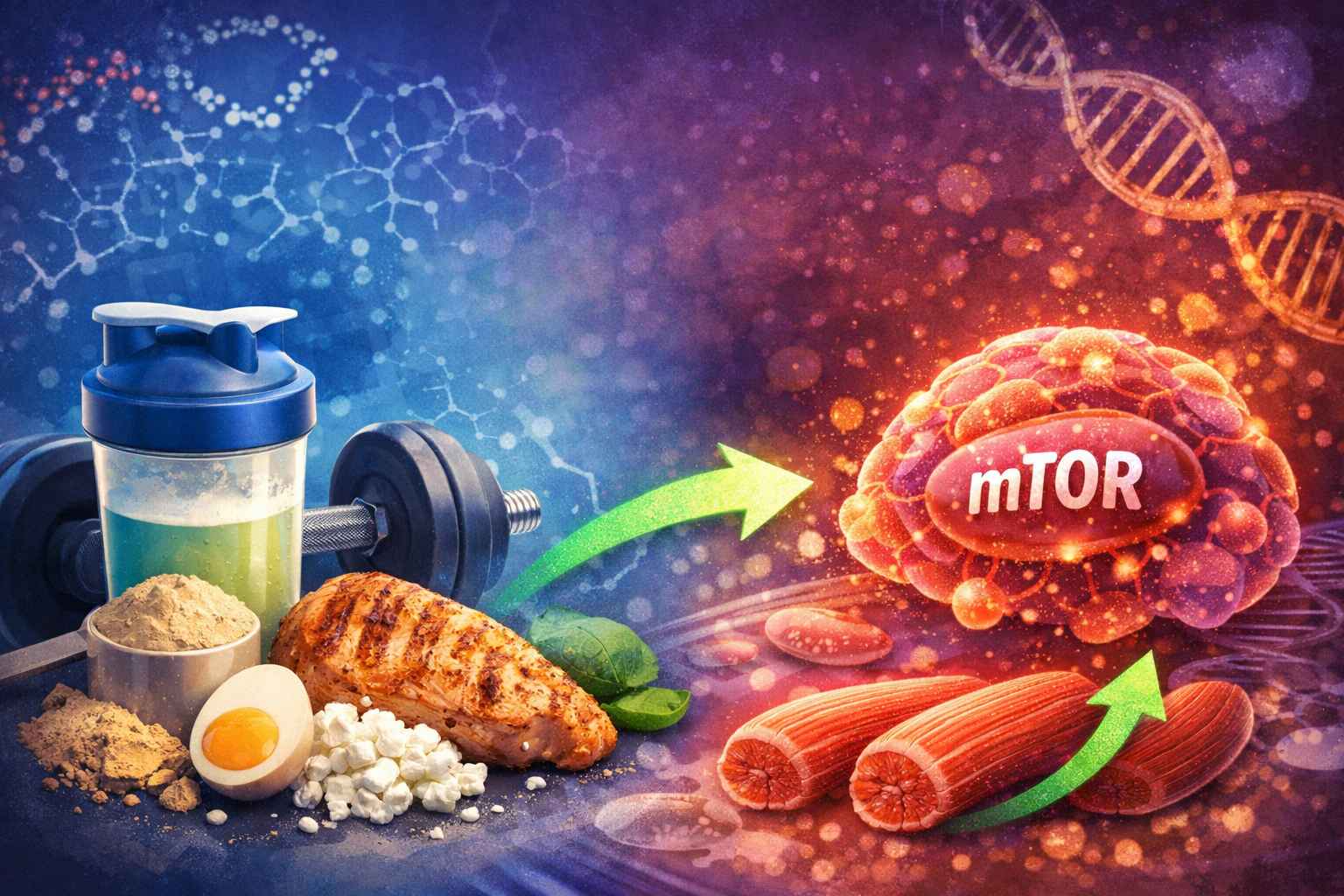
Rapamycin inhibits mTOR (mechanistic target of rapamycin), a signalling pathway that regulates cell growth, protein synthesis, and autophagy. When mTOR is suppressed, cells shift resources away from growth and toward maintenance and repair — a state associated with slower aging in multiple organisms.
In animal studies, rapamycin has extended lifespan in yeast, worms, flies, and mice, including when started late in life. This consistency across species is relatively rare and lends meaningful weight to its biological credentials. In human medicine, rapamycin is already used as an immunosuppressant in organ transplant patients and has a reasonably well-characterised safety profile at higher therapeutic doses.
Why Caution Is Still Warranted
However, the doses used in transplant medicine are considerably higher than the intermittent low-dose protocols being explored for longevity purposes. At immunosuppressive doses, rapamycin carries real risks: increased susceptibility to infection, impaired wound healing, metabolic effects, and potential impacts on insulin signalling.
At lower intermittent doses, some of these concerns appear more manageable, but long-term safety data in healthy adults taking rapamycin preventively simply does not yet exist. There are no completed randomised controlled trials confirming that rapamycin extends lifespan or meaningfully improves healthspan in healthy humans. For this reason, while rapamycin is scientifically the most compelling candidate, it remains an experimental intervention. It should not be used outside of medical supervision, and anyone considering it should weigh the genuine uncertainty carefully. For a deeper look at the evidence and risks, see our article on whether rapamycin is safe for humans.
Metformin: Established Medicine, Uncertain Longevity Drug
What the Evidence Shows
Metformin is one of the most widely used and well-studied drugs in the world, primarily as a first-line treatment for type 2 diabetes. It activates AMPK, which improves insulin sensitivity and has downstream effects on cellular energy metabolism. Observational data has suggested that diabetic patients taking metformin sometimes show better health outcomes — including lower rates of certain cancers and cardiovascular disease — compared to those on other treatments. This finding prompted genuine interest in whether metformin might benefit non-diabetic people as well.
The TAME (Targeting Aging with Metformin) trial is currently underway specifically to test whether metformin can delay the onset of age-related diseases in healthy older adults. This is a significant and well-designed trial, and its results will provide much more clarity than currently exists.
The Uncertainty for Healthy Non-Diabetics
In practice, the case for metformin as a longevity drug for healthy people remains uncertain. Some research suggests metformin may blunt certain exercise adaptations — including mitochondrial improvements — which is a meaningful concern given that exercise is one of the most reliably effective longevity interventions available. In contrast to drugs with novel mechanisms, metformin’s longevity effects, if real, are likely modest rather than transformative.
For people with metabolic risk factors or prediabetes, the benefit-risk calculation is more favourable. For healthy, active individuals with good metabolic function, the argument is considerably weaker. Our article on whether metformin extends lifespan in non-diabetics examines this question in more detail.
NAD+ Boosters: Interesting Biology, Limited Human Evidence
NAD+ (nicotinamide adenine dinucleotide) is a coenzyme essential to cellular energy metabolism, DNA repair, and sirtuin activation. NAD+ levels decline with age, and this decline is associated with reduced mitochondrial function and increased cellular stress. Compounds such as nicotinamide riboside (NR) and nicotinamide mononucleotide (NMN) can raise NAD+ levels and have shown benefits in animal models, including improvements in muscle function, metabolism, and lifespan in some studies.
In humans, both NR and NMN reliably raise blood NAD+ levels, and early trials suggest they are generally well tolerated. However, demonstrating that higher NAD+ levels translate into meaningful health or lifespan benefits in humans has proven difficult. Current evidence suggests these compounds are biologically interesting and low-risk, but direct evidence of longevity benefit in healthy humans remains limited.
NAD+ precursors are therefore best understood as a plausible supportive intervention with a reasonable safety profile, rather than a proven longevity drug. They may be most relevant in the context of age-related NAD+ decline, rather than as a standalone treatment.
How Drug-Based Longevity Compares to Lifestyle
A common framing in longevity discussions is that drugs represent a shortcut to what lifestyle achieves more slowly. In reality, the evidence does not fully support this framing — at least not yet.
Consistent exercise, particularly aerobic and resistance training, improves VO2 max, insulin sensitivity, inflammation, cardiovascular function, muscle mass, and cognitive health — all with strong, reproducible human evidence and no meaningful safety concern for most people. Good sleep quality supports HRV, hormonal regulation, and cellular repair in ways that no current drug reliably replicates. Dietary patterns that reduce chronic inflammation and support metabolic health have decades of epidemiological and clinical support.
In contrast, the most promising longevity drugs — rapamycin in particular — are experimental in healthy humans, carry real risks, and are not yet proven to outperform well-executed lifestyle habits in terms of overall health outcomes. This does not mean drugs are irrelevant. For people with specific disease risks or established conditions, pharmacological intervention may offer benefits that lifestyle alone cannot. Metformin in those with metabolic dysfunction, statins for those with elevated cardiovascular risk, and GLP-1 medications for significant obesity-related cardiometabolic risk all represent cases where drugs offer meaningful, evidence-backed benefit.
The sensible hierarchy is: lifestyle foundations first, disease-risk treatment where appropriate, and experimental longevity drugs only with medical oversight and a clear-eyed view of the uncertainty involved. For a direct comparison of these approaches, see our article on whether drug-based longevity is better than lifestyle-based longevity.
For a broader overview of which drugs are genuinely promising and which remain premature, the hub page on longevity drugs covers the full landscape of this fast-moving field.
References and Resources
Authoritative Sources
-
National Institute on Aging — Longevity Research
nia.nih.govComprehensive overview of aging mechanisms, funded research programmes, and drug development efforts including the TAME trial.
-
FDA Drug Approvals & Research
fda.govRegulatory information on approved drugs and the status of clinical trials relevant to longevity pharmacology.
-
Trends in Cell Biology — Aging & Longevity
cell.comPeer-reviewed reviews on cellular aging mechanisms and emerging pharmacological approaches.
-
Nature — Aging Research
nature.comHigh-quality peer-reviewed research on longevity biology, including mTOR, senescence, and drug interventions.
-
Aging-US — Open Access Journal
aging-us.comOpen-access journal publishing research on aging interventions, biomarkers, and longevity drug candidates.
-
Fight Aging!
fightaging.orgRegularly updated commentary and summaries of published longevity research, including drug pipeline developments.
-
Trends in Aging & Geriatrics
cell.comScholarly reviews on aging interventions, covering both pharmacological candidates and their biological rationale.

-
American Association for the Advancement of Science (AAAS)
aaas.orgNews and analysis covering scientific breakthroughs in aging research and drug development.
Frequently Asked Questions
Which drug is currently considered the most promising for longevity?
Rapamycin is widely regarded as the most scientifically compelling candidate, based on consistent lifespan extension in animal models and a well-characterised mechanism targeting the mTOR pathway. However, no drug has yet been proven to extend lifespan in healthy humans, and rapamycin carries real risks that require medical supervision.
Are longevity drug candidates safe for long-term use?
Safety varies significantly by drug and dose. Metformin has a well-established safety record in diabetic populations, though long-term data in healthy non-diabetics is more limited. Rapamycin at immunosuppressive doses carries meaningful risks; at lower intermittent doses these appear more manageable, but long-term data in healthy adults is lacking. None of these drugs should be taken preventively without medical guidance.
Can lifestyle changes be as effective as longevity drugs?
For most healthy people, lifestyle interventions — exercise, sleep, and diet — have stronger and more consistent evidence for improving healthspan than any current drug candidate. Drugs may offer additional benefit in specific contexts, particularly where disease risk is elevated, but they are not a substitute for lifestyle fundamentals.
How soon might longevity drugs become widely used?
That depends on clinical trial outcomes and regulatory decisions. The TAME trial for metformin and ongoing rapamycin studies may produce meaningful results within the next several years. Widespread clinical adoption, however, will require demonstration of clear benefit and acceptable safety in large human trials — a bar that has not yet been met for any drug specifically targeting aging in healthy people.
Conclusion
Of the current candidates, rapamycin has the strongest biological rationale and the most consistent preclinical evidence for longevity benefit. Metformin is more medically established but remains unproven as a longevity intervention for healthy non-diabetics. NAD+ precursors are biologically plausible and low-risk but lack direct human longevity evidence. All three are more accurately described as promising than proven.
The key takeaway is that drug-based longevity is a genuinely exciting area of research, but it remains early-stage for healthy human application. The most defensible approach is to treat lifestyle as the foundation — exercise, sleep, and nutrition remain the most reliably effective longevity tools available — and to view pharmacological interventions as adjuncts, applicable where disease risk justifies them and, in experimental cases, only under careful medical oversight.
Find out more information about the most promising longevity drugs
Search for more resources and information: