Autophagy for Longevity?
Autophagy for Aging: What It Is and Why It Matters
TL;DR: Autophagy is the body’s cellular recycling system, and it tends to decline with age. Supporting it through fasting, exercise, and a nutrient-dense diet may help reduce cellular damage and support healthier aging — but it works best as part of a broader longevity strategy, not as a standalone fix.
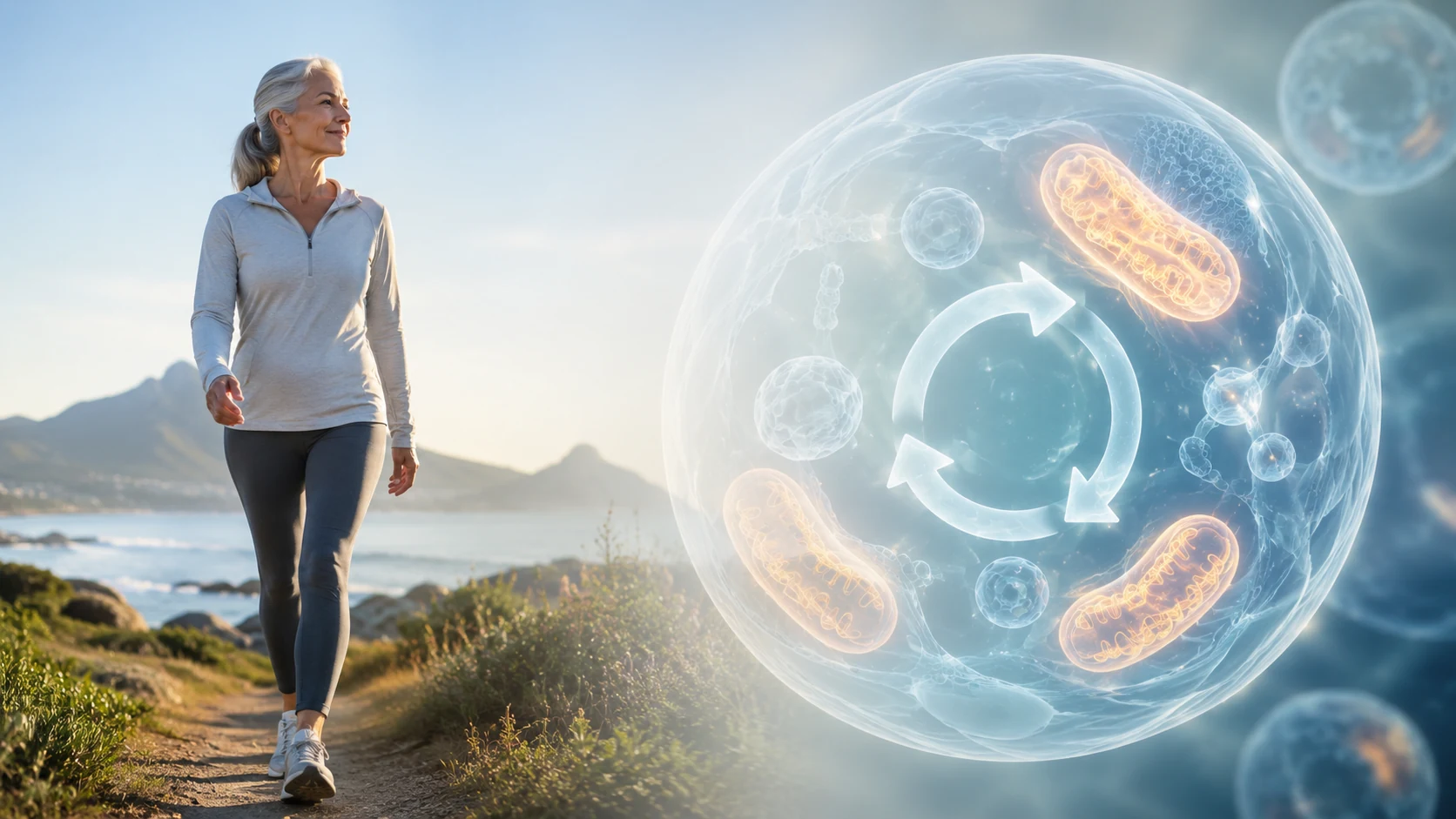
Autophagy is a normal biological process in which cells break down and recycle damaged components — worn-out proteins, dysfunctional organelles, and cellular debris. It is not simply “on” or “off.” It is a continuous process that ramps up under conditions of cellular stress, nutrient scarcity, or physical exertion. As this process tends to decline with age, supporting it through lifestyle choices is a reasonable and evidence-informed strategy for healthy aging.
That said, autophagy is one piece of a complex biological puzzle. It is not the single mechanism that determines how long or how well you live. Understanding what it does, how it is regulated, and where the evidence is strong versus limited is more useful than treating it as a magic switch.
For a broader view of how autophagy fits within fasting, AMPK, mTOR, and other longevity pathways, see our complete guide to autophagy for longevity.
How Autophagy Changes with Age
Why autophagy slows down as we get older
Research indicates that autophagic activity declines progressively with age. This slowdown is associated with an accumulation of damaged proteins, dysfunctional mitochondria, and senescent cells — all of which contribute to the cellular environment that underlies many age-related conditions.
Several mechanisms appear to drive this decline. The signalling pathways that trigger autophagy — including AMPK activation and mTOR suppression — become less responsive with age. Lysosomal function, which is essential for completing the recycling process, also tends to deteriorate. The result is a reduced capacity for cellular cleanup at precisely the time it is most needed.
Factors such as chronic inflammation, physical inactivity, excess caloric intake, and poor sleep quality can further suppress autophagy, compounding the effects of biological aging. This is why lifestyle choices that support autophagic activity are considered relevant to healthy aging strategies.
How Autophagy Supports Healthy Aging
Cellular repair and stress resilience
One of autophagy’s most important roles in aging is the clearance of misfolded and aggregated proteins. In neurodegenerative conditions such as Alzheimer’s and Parkinson’s disease, the accumulation of such proteins is a defining feature. Evidence from animal models suggests that maintaining autophagic function can reduce this accumulation, though direct evidence in humans remains more limited.
Autophagy also plays a role in mitophagy — the selective removal of damaged mitochondria. Because mitochondrial dysfunction is closely linked to metabolic decline, fatigue, and oxidative stress in older adults, maintaining mitophagic activity has clear biological relevance for healthspan.
Inflammation and immune function
Dysfunctional cells and cellular debris can trigger chronic low-grade inflammation, a process increasingly associated with aging and age-related disease. By clearing this debris, autophagy may help modulate inflammatory signalling. Research suggests that impaired autophagy is associated with elevated inflammatory markers, while interventions that upregulate autophagy — such as fasting — tend to reduce them. Whether this translates into measurable reductions in disease risk in humans requires further study.
Practical Ways to Support Autophagy
Fasting and caloric restriction
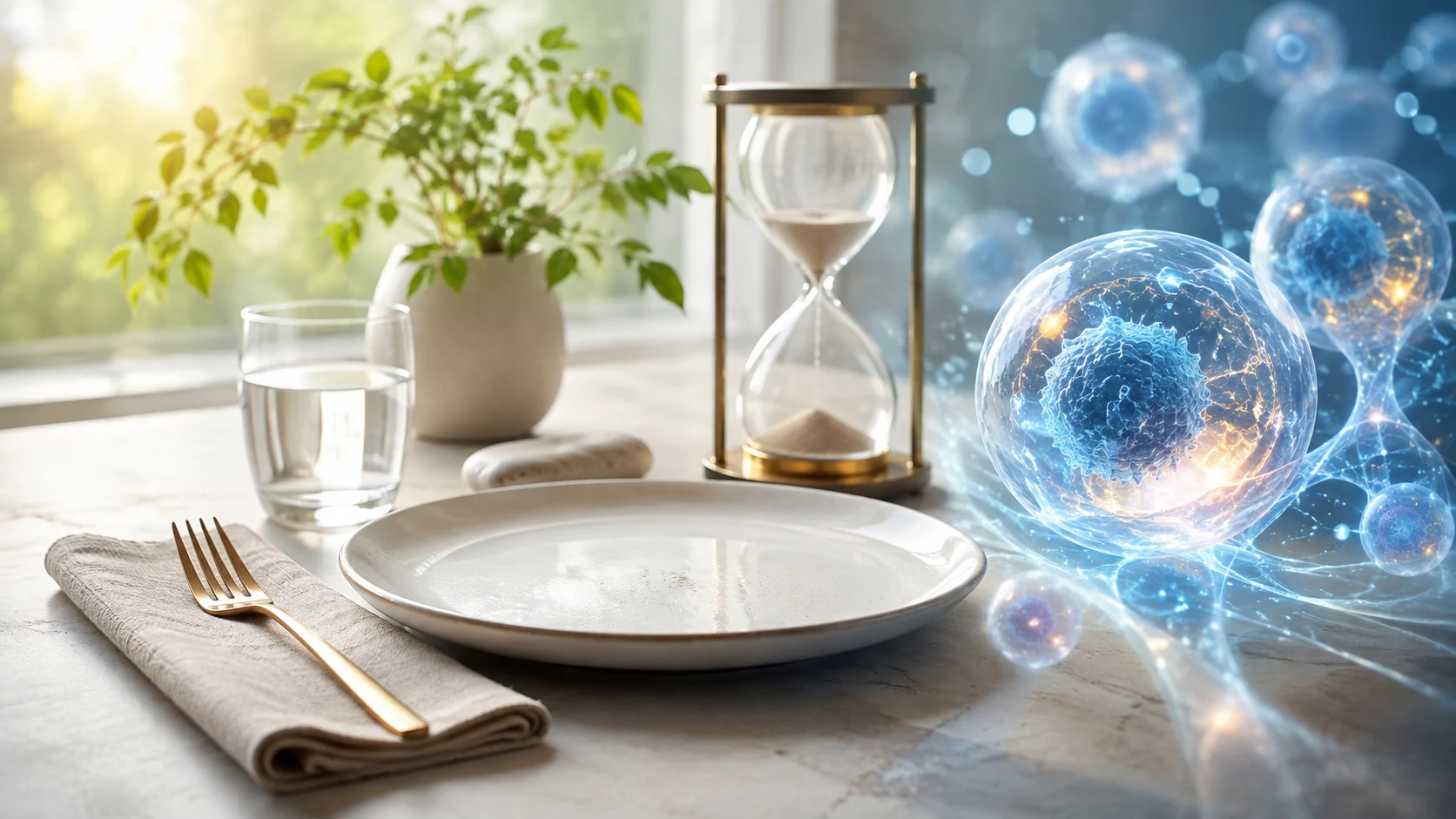
Fasting is one of the most well-studied autophagy inducers. When nutrients are scarce, AMPK is activated and mTOR is suppressed, creating the signalling conditions that promote autophagic activity. Evidence from human studies shows that autophagy markers increase during fasting, with meaningful changes typically observed after 16 to 24 hours without food.
Intermittent fasting protocols such as 16:8 fasting are commonly used to support autophagy, and current evidence suggests they can raise autophagic activity in a sustainable way. Longer fasts may produce a stronger autophagic response, but more fasting is not always better — there are trade-offs, particularly around muscle preservation, that matter especially for older adults.
For a detailed comparison of fasting durations and their effects on autophagy, see what is the optimal fasting duration for autophagy.
Exercise
Regular physical activity is another reliable way to stimulate autophagy. Both aerobic exercise and resistance training have been shown to upregulate autophagic pathways, likely through AMPK activation, mechanical stress on muscle tissue, and transient energy depletion. Exercise also supports mitophagy, helping maintain mitochondrial quality over time.
Importantly, exercise supports autophagy while simultaneously preserving — and building — muscle mass. This makes it a more balanced approach than aggressive fasting, particularly for older adults where sarcopenia is a genuine concern. The combination of fasting and exercise requires thoughtful timing to avoid undermining recovery and muscle protein synthesis.
Diet quality and nutrient timing
Diets high in processed foods, refined sugars, and excess calories tend to keep mTOR chronically elevated and suppress autophagy. A diet based on whole foods, with moderate protein distributed across meals, supports better metabolic signalling and avoids the chronic nutrient excess that inhibits cellular cleanup.
Protein intake warrants particular nuance here. Protein does activate mTOR and temporarily suppresses autophagy — but this is a normal and necessary physiological response that supports muscle repair and growth. The idea that protein is simply “bad” for autophagy is an oversimplification. Adequate protein intake remains essential for muscle preservation, especially in older adults. The goal is balance, not chronic mTOR suppression. Learn more in our complete guide to longevity.
Supplements and Autophagy: What the Evidence Shows
Several compounds have been studied for their potential to support autophagy through nutrient-sensing pathways. These include spermidine, resveratrol, berberine, and fisetin. Most current evidence is mechanistic or derived from animal studies. Human data is more limited, and none of these compounds has the same evidence base as fasting or exercise.
Spermidine has shown the most promising autophagy-related evidence in human observational studies, with higher dietary intake associated with reduced cardiovascular risk. Berberine and resveratrol activate AMPK, which can promote autophagy indirectly, though their bioavailability and clinical relevance in humans remain areas of active research. Rapamycin, an mTOR inhibitor, extends lifespan in animal models but carries significant risks when used chronically in humans and is not appropriate outside of medical supervision.
Supplements can complement a lifestyle that already includes fasting and exercise, but they should not be the foundation of an autophagy strategy. Their benefit profile is lower-confidence and more speculative than the lifestyle-based approaches covered above.
Limitations and What We Don’t Yet Know
While the biology of autophagy is well established, several important limitations apply when translating this into practical longevity recommendations.
First, most evidence linking autophagy to lifespan extension comes from animal models — worms, flies, mice. Human trials directly measuring autophagy and long-term health outcomes are limited. Autophagy is difficult to measure reliably in living humans, which complicates clinical research.
Second, more autophagy is not always better. Chronically suppressing mTOR or maintaining extended caloric restriction may impair muscle protein synthesis, immune function, and recovery — outcomes that matter significantly for long-term health and independence in older adults. The goal is appropriate autophagic activity, not maximum autophagic activity.
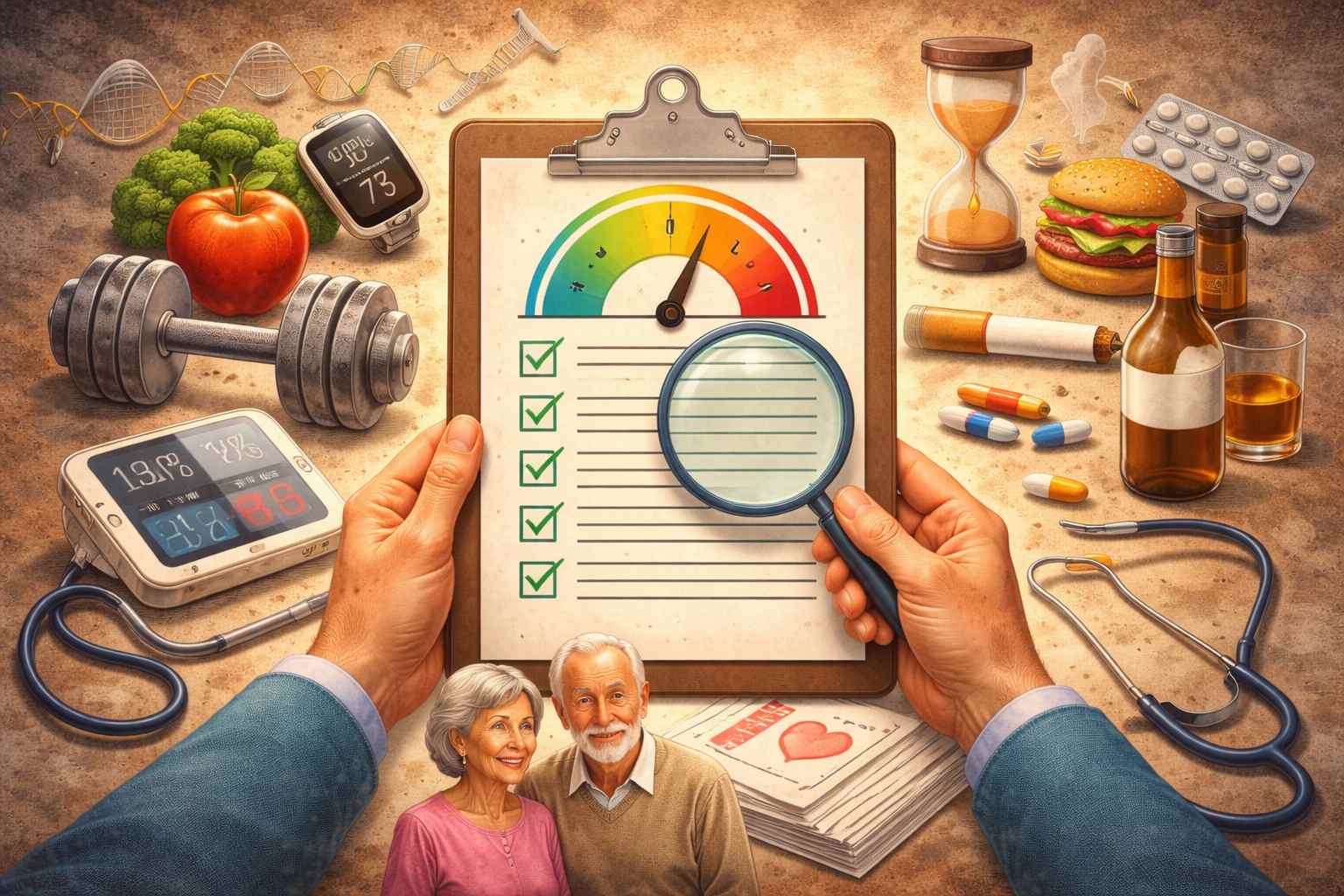
Third, context matters. The relevant question is not simply “how do I maximise autophagy?” but rather “how do I support cellular health across a range of important biological processes?” Autophagy is one of those processes — alongside cardiovascular fitness, muscle mass, metabolic health, sleep quality, and inflammation management.
References and Resources
Authoritative Sources on Autophagy and Aging
-
Autophagy in Aging and Disease
ncbi.nlm.nih.govA comprehensive review of how autophagy influences aging and age-related diseases, with detailed mechanistic context.
-
National Institute on Aging — Autophagy and Aging
nia.nih.govAn accessible overview from the NIA on how autophagy impacts aging and potential interventions to support cellular health.
-
Cell Biology of Autophagy
cell.comIn-depth scientific insights into autophagy mechanisms and their relevance to aging biology.
-
Medical News Today — Autophagy Explained
medicalnewstoday.comA clear, accessible explanation of autophagy, including its relevance to aging and practical health strategies.
-
Frontiers in Cell and Developmental Biology
frontiersin.orgResearch articles on autophagy’s role in aging and cellular stress responses.
-
Trends in Biochemical Sciences
cell.comA review of autophagy regulation and its implications for aging biology and intervention research.
-
Aging-US — Autophagy and Aging
aging-us.comFocused analysis of how autophagy influences aging trajectories, with discussion of potential interventions.
-
ResearchGate — Autophagy and Aging
researchgate.netAcademic papers exploring the mechanistic link between autophagy and biological aging.
-
Nature Aging Journal
nature.comPeer-reviewed studies on autophagy’s role in aging, representing some of the most current scientific evidence available.
Frequently Asked Questions
Is autophagy beneficial for aging?
Evidence suggests that maintaining autophagic activity supports cellular repair, reduces the accumulation of damaged proteins, and may help delay some aspects of age-related decline. It is not a cure for aging, but it is a biologically meaningful process that tends to become less efficient with age. Supporting it through fasting and exercise is a reasonable part of a broader healthy aging strategy.
Can autophagy be intentionally activated?
Yes. Intermittent fasting, caloric restriction, and regular exercise are the most evidence-supported methods for upregulating autophagy. These approaches work by activating AMPK and transiently suppressing mTOR — the key nutrient-sensing pathways that regulate autophagic activity. Even a 16-hour overnight fast combined with regular physical activity can meaningfully support this process.
Are supplements useful for autophagy and aging?
Some supplements — including spermidine, berberine, and resveratrol — have shown autophagy-activating properties in mechanistic and animal studies. Human evidence is more limited. These compounds may complement a lifestyle that already includes fasting and exercise, but they should not replace those foundations. Their confidence level is considerably lower than behavioural interventions.
How long does it take to see benefits from autophagy-focused strategies?
Autophagy markers can increase within hours of fasting and within a single bout of exercise. However, measurable improvements in health outcomes associated with better autophagic function — such as reduced inflammatory markers or improved metabolic health — typically develop over weeks and months of consistent practice. Long-term cellular and longevity effects are even harder to quantify in the short term.
Is promoting autophagy safe for older adults?
For most older adults, lifestyle-based approaches to supporting autophagy — such as moderate time-restricted eating and regular exercise — are considered safe and appropriate. However, aggressive or prolonged fasting carries risks in this population, particularly around muscle loss and nutritional adequacy. Anyone with underlying health conditions should consult a healthcare professional before making significant dietary changes.
Conclusion
Autophagy is a well-established biological process that plays a meaningful role in cellular repair, stress resilience, and healthy aging. Evidence supports the idea that it tends to decline with age and that lifestyle interventions — particularly fasting and exercise — can help maintain autophagic activity in ways that may reduce cellular damage and support healthspan.
What the evidence does not support is treating autophagy as a single key to longevity or maximising it at all times. Chronic mTOR suppression, aggressive caloric restriction, and excessive fasting all carry trade-offs, particularly around muscle preservation and overall nutritional status. A balanced approach — one that supports autophagy while also maintaining muscle mass, metabolic health, and cardiovascular fitness — is more likely to benefit long-term healthspan than any single-pathway strategy.
Autophagy is best understood as one important part of a broader longevity biology, not a standalone intervention. Supporting it through sustainable habits remains one of the more evidence-informed things you can do for healthy aging.
Find out more information about autophagy for aging
Search for more resources and information: