What Is the Best Liver Longevity Plan?
TL;DR: The best liver longevity plan is built on consistent, evidence-backed habits — limiting alcohol, reducing added sugar, maintaining a healthy weight, and staying active. Supplements like milk thistle, NAC, and berberine show some promise but are not established treatments and should not replace lifestyle as the foundation.
What a Liver Longevity Plan Actually Involves
A practical liver longevity plan focuses on reducing cumulative strain on the liver over time — not detoxing, cleansing, or reversing damage overnight. The liver is a resilient organ with significant regenerative capacity, but it is vulnerable to sustained insults: excess alcohol, high fructose intake, obesity, chronic inflammation, and certain medications. Over decades, these can accelerate age-related decline and increase the risk of conditions like non-alcoholic fatty liver disease (NAFLD).
The goal of a liver longevity plan is not to optimise a single biomarker but to keep the liver functioning well across a lifetime. That means addressing the most impactful risks first, building sustainable habits, and being realistic about what supplements can and cannot do.
For broader context on how the liver and kidneys age together — and where “detox” marketing diverges from how the body actually works — see our guide to liver, kidney, and detox longevity.
Nutrition: What the Evidence Supports
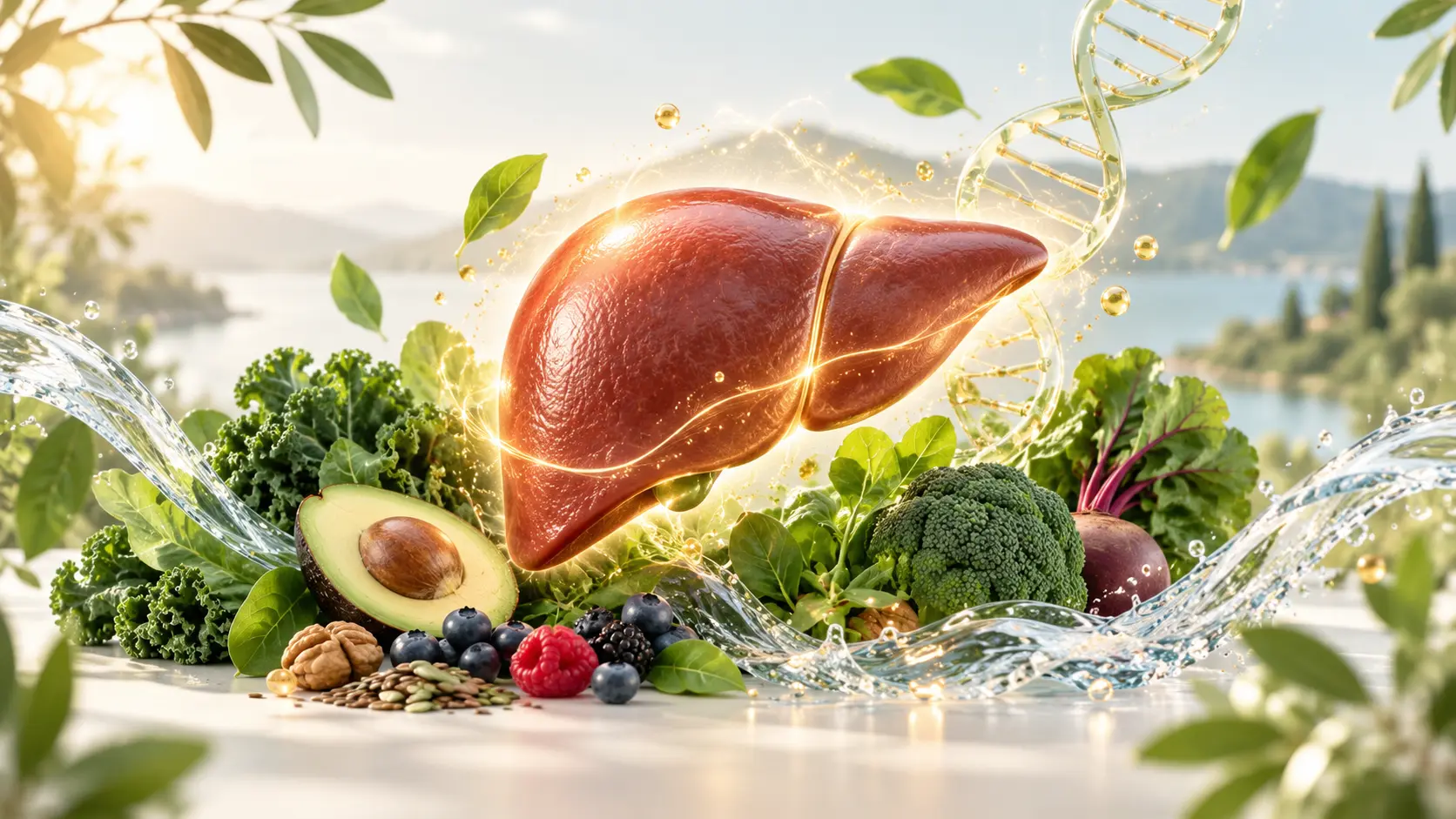
Diet is one of the most influential factors in long-term liver health. However, the evidence points clearly toward broad dietary patterns rather than specific superfoods.
A Mediterranean-style diet — rich in vegetables, legumes, whole grains, olive oil, and fish — is consistently associated with lower rates of fatty liver disease and better liver enzyme profiles. In contrast, diets high in added sugar, particularly fructose from ultra-processed foods and sweetened drinks, are linked to increased liver fat accumulation. Fructose is metabolised almost exclusively in the liver, and in excess, it promotes fat synthesis and inflammation.
Practically, this means:
- Prioritising whole, minimally processed foods
- Reducing added sugar and sweetened beverages
- Including fibre-rich foods, which support the gut-liver axis
- Using olive oil as a primary fat source
- Limiting trans fats and highly refined carbohydrates
Foods like garlic, cruciferous vegetables, and green tea contain compounds with antioxidant and anti-inflammatory properties. Research suggests these may support liver health, though the evidence in humans is generally preliminary rather than conclusive. They are nonetheless sensible additions to an already nutrient-dense diet.
Alcohol deserves specific mention. Even moderate alcohol consumption places a metabolic burden on the liver. For people focused on liver longevity, minimising intake is one of the most evidence-backed decisions available. There is no threshold below which alcohol is definitively “safe” for liver health over the long term. Learn more in our complete guide to longevity.
Lifestyle Habits That Protect the Liver
Beyond diet, several lifestyle factors have strong evidence behind them for liver protection.
Regular physical activity reduces liver fat independently of weight loss. Research indicates that both aerobic exercise and resistance training improve liver enzyme levels and reduce hepatic fat content. Even moderate activity — around 150 minutes per week — appears meaningful. In practice, consistency matters more than intensity.
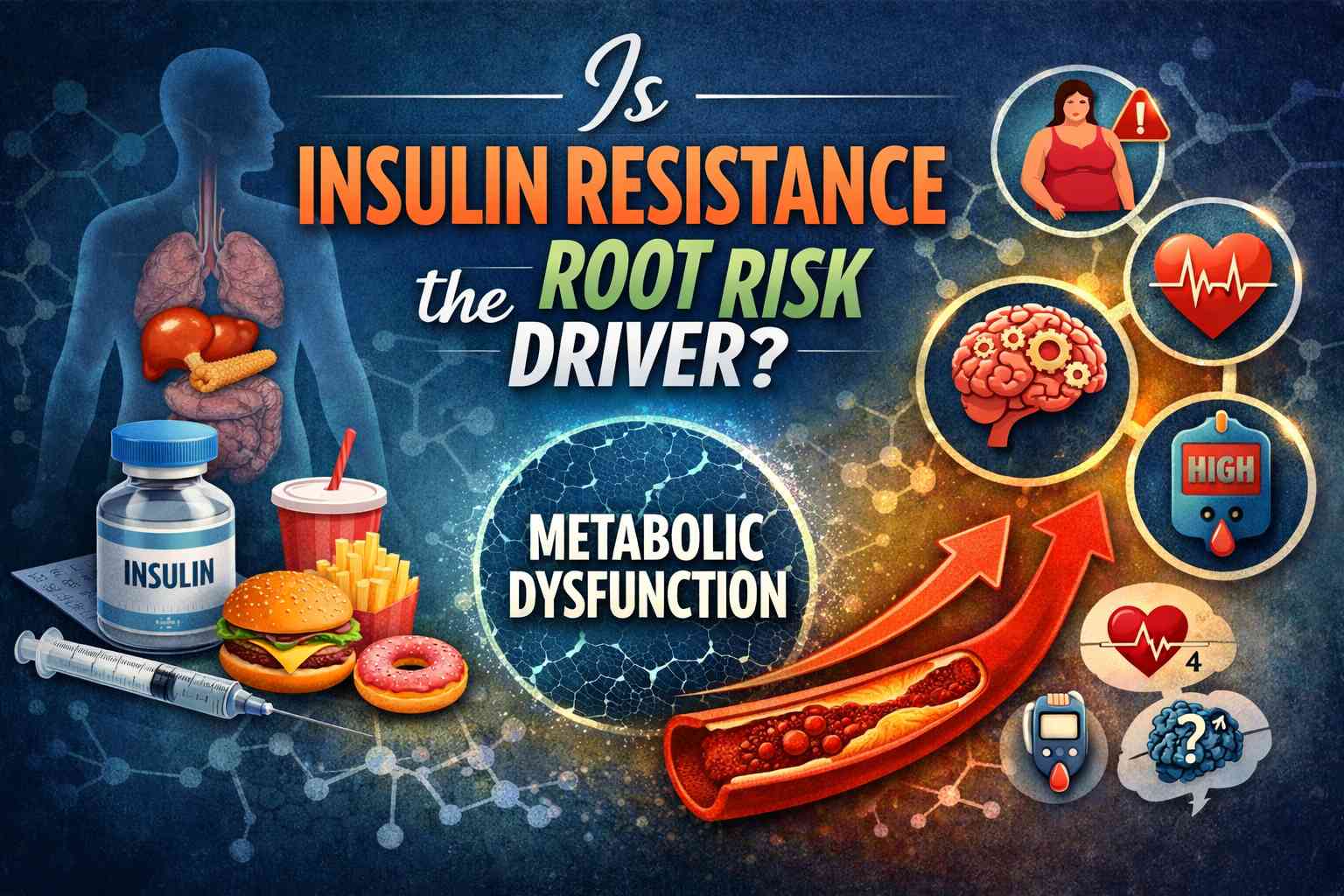
Maintaining a healthy body weight is among the most important factors for preventing NAFLD progression. Excess visceral fat drives insulin resistance, which in turn accelerates fat accumulation in the liver. Gradual, sustained weight loss — even 5–10% of body weight — is associated with measurable improvements in liver fat and inflammation markers.
Avoiding unnecessary hepatotoxic exposures is also relevant. Certain over-the-counter medications, including high-dose paracetamol (acetaminophen), can strain the liver when used chronically or in excess. Environmental toxin exposure — through pesticides, industrial chemicals, and smoking — contributes to oxidative stress in the liver over time. Where feasible, reducing these exposures is sensible, though it should be kept in proportion. The liver is well-equipped to handle normal daily exposures; the concern is cumulative, chronic overload.
Adequate sleep is increasingly recognised as relevant to metabolic liver health. Poor sleep is associated with insulin resistance and inflammatory markers that can affect liver function indirectly. That said, the direct liver-specific evidence in humans remains limited.
For more detail on how fasting and caloric restriction may affect liver health specifically, see our supporting article on whether fasting improves liver health.
Supplements: Useful, Limited, or Overhyped?
Several supplements are commonly associated with liver health. It is worth being clear about what the evidence actually supports.
Milk thistle (silymarin) is the most studied liver supplement. Some trials suggest it may reduce liver enzyme levels and have antioxidant effects, but the overall evidence is mixed and study quality varies. It is not an established treatment for liver disease and should not be framed as one. That said, it appears generally safe and may offer modest support as part of a broader plan.
NAC (N-acetylcysteine) supports glutathione production, one of the liver’s primary antioxidant defences. NAC has a well-established role in emergency medicine for paracetamol overdose. As a general liver supplement, however, human evidence for long-term benefit is limited. It is not without use, but expectations should be appropriately calibrated.
Berberine has shown promise in studies on NAFLD and insulin resistance, with some trials demonstrating reductions in liver fat and enzyme levels. However, most studies are small, short-term, and predominantly conducted in populations with existing metabolic disease. It should be considered a supplement with preliminary evidence — not a proven liver treatment.
Omega-3 fatty acids have a more established evidence base for reducing liver fat in people with NAFLD, particularly at higher doses. They are also broadly beneficial for cardiovascular and metabolic health, making them a reasonable inclusion for most people.
In all cases, supplements work best as additions to — not substitutes for — the lifestyle and dietary strategies described above. A well-functioning liver does not require supplemental support to do its job. Supplements become more relevant when addressing specific risk factors or existing impairment, ideally under medical guidance.
Monitoring and Practical Priorities
Knowing where to focus matters as much as knowing what to do. For most people without existing liver disease, the highest-impact priorities are:
- Minimising alcohol intake
- Reducing added sugar and ultra-processed food consumption
- Maintaining a healthy body weight through diet and exercise
- Staying regularly active
Periodic blood testing — including liver enzymes (ALT, AST, GGT) and metabolic markers such as fasting glucose and triglycerides — provides useful feedback on liver health over time. Elevated liver enzymes are often the first sign of developing strain and can motivate early lifestyle correction before disease progresses.
It is also worth noting that the liver has significant capacity for recovery. Early-stage fatty liver is frequently reversible through lifestyle change alone. However, more advanced fibrosis or cirrhosis is less amenable to reversal, which underscores the value of acting early rather than waiting for symptoms.
Frequently Asked Questions
What is the most effective way to support liver health long-term?
The most evidence-backed approach combines a nutrient-dense diet low in added sugar and alcohol, regular physical activity, and maintaining a healthy body weight. These lifestyle factors address the primary drivers of liver strain and have consistent support across the research literature.
Is liver longevity primarily about diet or lifestyle?
Both are important and interact closely. Diet affects what the liver processes; lifestyle factors like exercise, sleep, and toxin avoidance influence how well it handles that load. Neither alone is sufficient — the evidence supports an integrated approach.
Can supplements replace lifestyle changes for liver health?
No. Supplements such as milk thistle, NAC, and berberine may offer modest support in specific contexts, but they do not address the root causes of liver strain. Lifestyle changes — particularly alcohol reduction, weight management, and diet — have far stronger evidence behind them and should be the foundation of any liver longevity plan.
What is the role of natural remedies in a liver longevity plan?
Natural remedies like milk thistle and turmeric have antioxidant and anti-inflammatory properties, and some evidence supports their use as adjuncts to a healthy lifestyle. However, the human evidence for most is preliminary. They are best viewed as potentially useful additions, not primary interventions. Always consult a healthcare professional before starting new supplements, particularly if you have existing liver conditions or take medications.
How do I start implementing a liver longevity plan?
Begin with the highest-impact changes: reduce alcohol, cut back on added sugar and ultra-processed foods, and build consistent physical activity into your routine. These steps have the strongest evidence and do not require supplements or specialised protocols. From there, periodic health monitoring helps track progress and identify areas that need adjustment.
Conclusion
A well-constructed liver longevity plan is not complicated, but it does require consistency. The evidence points clearly toward lifestyle as the primary driver of long-term liver health — specifically alcohol reduction, dietary quality, weight management, and regular exercise. Supplements may play a supporting role for some people, but they are secondary to these foundations and should not be treated as liver treatments in their own right.
The liver is a robust and adaptable organ. Given the right conditions — reduced exposure to chronic stressors, adequate nutrition, and regular activity — it is well-equipped to function effectively across a long lifespan. Early action matters: intervening before disease develops is significantly more effective than attempting to reverse established damage.
For a deeper understanding of how the liver fits within the broader picture of organ aging and detoxification, see our guide to how alcohol accelerates liver aging.
Find out more information about the best liver longevity plan
Search for more resources and information: