
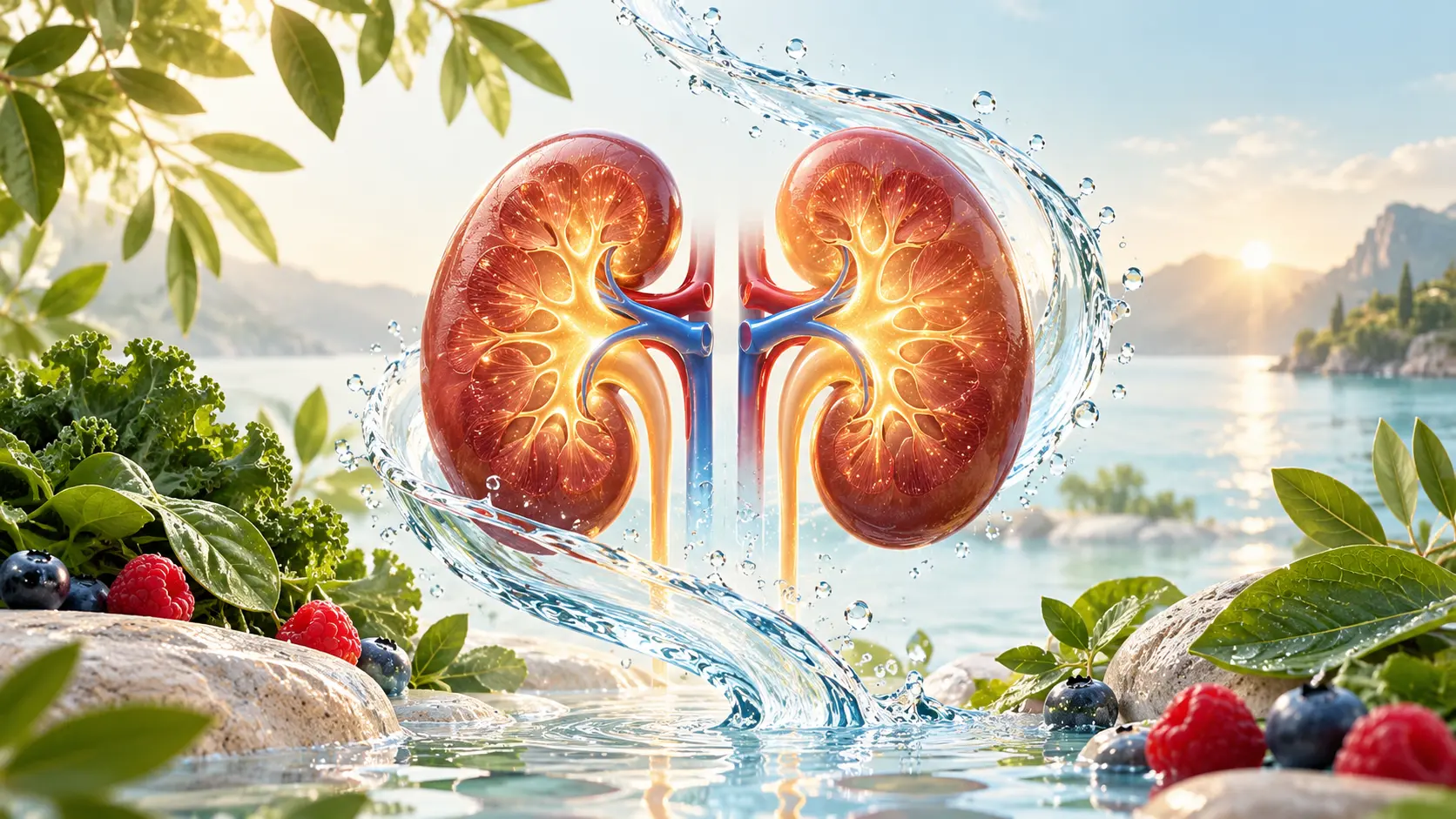
What Is the Best Kidney Longevity Plan?
TL;DR: The most effective kidney longevity plan combines blood pressure control, a balanced low-sodium diet, adequate hydration, regular exercise, and avoiding nephrotoxic substances. These evidence-backed habits can meaningfully slow age-related kidney decline — especially when started early and maintained consistently.
A practical kidney longevity plan centres on a small number of well-evidenced strategies: controlling blood pressure, eating a balanced diet low in sodium and ultra-processed foods, staying adequately hydrated, exercising regularly, and avoiding substances known to harm kidney tissue. These are not dramatic interventions — but the evidence consistently shows they make a real difference to how kidney function holds up over decades.
How Kidney Function Changes With Age
Kidney function declines gradually with age even in healthy individuals. Glomerular filtration rate (GFR) — the key measure of how effectively the kidneys filter blood — typically begins to fall from around the fourth decade of life. By later adulthood, this decline is measurable in most people, though it does not necessarily progress to chronic kidney disease (CKD).
Importantly, age-related decline and disease-driven decline are not the same thing. Normal aging reduces reserve capacity and filtration efficiency gradually. CKD, by contrast, involves structural damage — often driven by hypertension, diabetes, or chronic inflammation — and carries a much steeper functional decline. Understanding this distinction matters, because the strategies that protect against CKD are largely the same ones that slow normal age-related decline.
For a broader look at how the kidneys age and what this means for long-term health, see our article on whether kidney function declines with age.
The Core Pillars of Kidney Longevity
Blood Pressure: The Single Biggest Modifiable Factor
Sustained high blood pressure is one of the most damaging forces on kidney tissue over time. Hypertension damages the small blood vessels within the kidneys, progressively impairing filtration and accelerating functional decline. Evidence strongly supports blood pressure control as the most impactful modifiable factor for kidney longevity — particularly for people already showing early signs of reduced function.
Target blood pressure thresholds vary by individual risk, but guidelines from major nephrology organisations consistently point to tight control — typically below 130/80 mmHg — as meaningful protection against kidney deterioration. Diet, exercise, and medication all play a role here, and the approach should be guided by a healthcare provider. Learn more in our article on how blood pressure affects kidney aging.
Avoiding Nephrotoxic Substances
Several common substances place direct strain on kidney tissue. NSAIDs (such as ibuprofen and naproxen), when used frequently or at high doses, can reduce blood flow to the kidneys and, over time, contribute to structural damage. This risk is particularly relevant in older adults and those with existing kidney disease.
Smoking is also a well-established risk factor for accelerated kidney decline, in part through its effects on blood pressure and vascular function. Reducing or eliminating these exposures is a straightforward protective step with strong evidence behind it.
Nutrition, Hydration, and Dietary Patterns
Diet: What the Evidence Supports
A balanced diet low in sodium, ultra-processed foods, and added sugars supports kidney health through several mechanisms — primarily by reducing blood pressure burden and limiting metabolic strain. Research suggests that dietary patterns emphasising vegetables, fruits, whole grains, legumes, and lean protein are associated with better kidney outcomes over time.
Sodium restriction is particularly well-supported. High salt intake raises blood pressure and increases urinary protein excretion — both of which accelerate kidney damage. Practical targets of under 2,000–2,300 mg of sodium per day are widely recommended by kidney health organisations.
Plant-based dietary patterns have shown promise in observational studies for slowing CKD progression, partly because plant protein generates less acid load and less nitrogenous waste than animal protein. However, people with existing kidney disease — particularly those with reduced GFR — may need individually tailored protein and potassium guidance from a dietitian, as blanket recommendations do not apply to everyone.
Protein Intake: Context Matters
For people with healthy kidneys, moderate-to-high protein intake does not appear to cause kidney damage. However, in those with existing CKD, high protein consumption can increase the filtration burden on already-compromised nephrons. This is an important nuance: protein restriction advice applies primarily in the context of diagnosed kidney disease, not as a general longevity precaution for healthy individuals.
Similarly, creatine supplementation — often flagged as a kidney concern — is generally considered safe in people with healthy kidney function. The concern is more relevant for individuals with pre-existing kidney conditions. For a fuller look at this, see our article on whether creatine harms the kidneys.
Hydration: Useful, Not a Cure-All
Adequate hydration supports kidney function by maintaining urine flow, diluting waste products, and reducing the risk of kidney stones. For most people, drinking enough water to produce pale yellow urine is a reasonable practical target — roughly 1.5 to 2.5 litres per day depending on body size, climate, and activity level.
That said, hydration is not a treatment for kidney disease, and overhydration is not beneficial. The evidence supports adequate fluid intake as one component of a broader kidney longevity strategy — not as a standalone intervention with dramatic effects. For more detail on this topic, see our article on whether hydration improves kidney longevity.
Exercise, Blood Pressure, and Metabolic Health
Regular moderate exercise supports kidney longevity indirectly through its effects on blood pressure, insulin sensitivity, weight, and cardiovascular function — all of which influence how the kidneys age. Research consistently associates physical activity with reduced risk of CKD progression and better kidney function across age groups.
In practice, the goal is consistency rather than intensity. A combination of aerobic activity — such as brisk walking, cycling, or swimming — and resistance training offers the broadest metabolic benefits. For people with existing kidney disease, exercise intensity and type may need to be adjusted in consultation with a healthcare provider, as very strenuous activity can temporarily affect creatinine levels and hydration balance.
Metabolic health is closely tied to kidney longevity. Type 2 diabetes is one of the leading causes of CKD globally, and blood sugar control is as important as blood pressure management in preserving kidney function. Lifestyle strategies that improve insulin sensitivity — exercise, reduced processed carbohydrate intake, adequate sleep, and maintaining a healthy weight — therefore serve a dual protective purpose.

What the Evidence Actually Supports
The most robustly supported kidney longevity strategies are not exotic. They are: controlling blood pressure, managing blood sugar, eating a diet low in sodium and ultra-processed foods, staying adequately hydrated, exercising consistently, not smoking, and avoiding unnecessary nephrotoxic medication use.
Early detection matters considerably. Routine monitoring of GFR and urinary protein — standard in most health checks — allows early signs of decline to be identified and addressed before significant damage occurs. This is particularly valuable for people with diabetes, hypertension, or a family history of kidney disease.
Stress management and sleep quality are often underemphasised but relevant, particularly through their effects on blood pressure and inflammation. Chronic stress activates hormonal pathways that raise blood pressure and contribute to systemic inflammation — both of which accumulate as kidney strain over time.
There are no established supplements with strong human evidence for improving kidney longevity in healthy individuals. Some antioxidant compounds show preliminary interest in research, but these findings have not translated into clinical recommendations. The focus should remain on lifestyle fundamentals. Learn more in our complete guide to longevity at longevityinsights.co.uk/what-is-longevity/.
For a broader perspective on how the kidneys, liver, and the body’s genuine detoxification systems work together — and where “detox” marketing claims diverge from biology — see our hub on liver, kidney, and detox longevity.
References and Resources
Authoritative Sources on Kidney Longevity
-
National Kidney Foundation
kidney.orgComprehensive guidelines on kidney health, CKD prevention, and lifestyle management across all stages of kidney function.
-
CDC Kidney Health Resources
cdc.govPopulation-level data on chronic kidney disease risk factors, prevention strategies, and the importance of early detection.
-
PubMed / National Institutes of Health
nih.govPeer-reviewed research on kidney aging, dietary interventions, blood pressure management, and CKD progression.
Frequently Asked Questions
What is the best way to start a kidney longevity plan?
Begin with a baseline health check that includes GFR and urinary protein measurement. From there, focus on the core modifiable factors: blood pressure control, a low-sodium balanced diet, adequate hydration, and regular exercise. Working with a healthcare provider ensures recommendations are tailored to your current kidney function and risk profile.
Can most people meaningfully protect their kidney function long-term?
For the majority of people without existing kidney disease, the evidence strongly supports that lifestyle habits can slow age-related kidney decline and significantly reduce the risk of developing CKD. Genetics and prior health conditions influence individual outcomes, but the core strategies — blood pressure control, diet, exercise, and avoiding nephrotoxins — are effective for most people.
How important is diet for kidney longevity?
Diet is one of the most influential modifiable factors. Reducing sodium intake directly lowers blood pressure and urinary protein excretion — both of which protect the kidneys. A diet rich in whole foods, vegetables, and lean protein, while limiting ultra-processed foods and added sugars, supports kidney health through multiple mechanisms. People with existing CKD may require specific guidance on protein and potassium intake from a dietitian.
What role does blood pressure management play in kidney longevity?
Blood pressure control is the most impactful single modifiable factor for kidney longevity. Sustained hypertension damages the microvasculature within the kidneys, accelerating functional decline and increasing CKD risk. Achieving and maintaining blood pressure below 130/80 mmHg — through lifestyle and medication where needed — is a central goal of any kidney longevity strategy.
Conclusion
A practical kidney longevity plan does not require dramatic interventions. The evidence consistently points to the same core strategies: controlling blood pressure and blood sugar, following a balanced low-sodium diet, staying adequately hydrated, exercising regularly, not smoking, and avoiding unnecessary nephrotoxic medication. Early monitoring allows problems to be caught and addressed before they progress. These habits, applied consistently over time, represent the best-evidenced approach to protecting kidney function across a lifetime.
Find out more information about kidney longevity
Search for more resources and information: