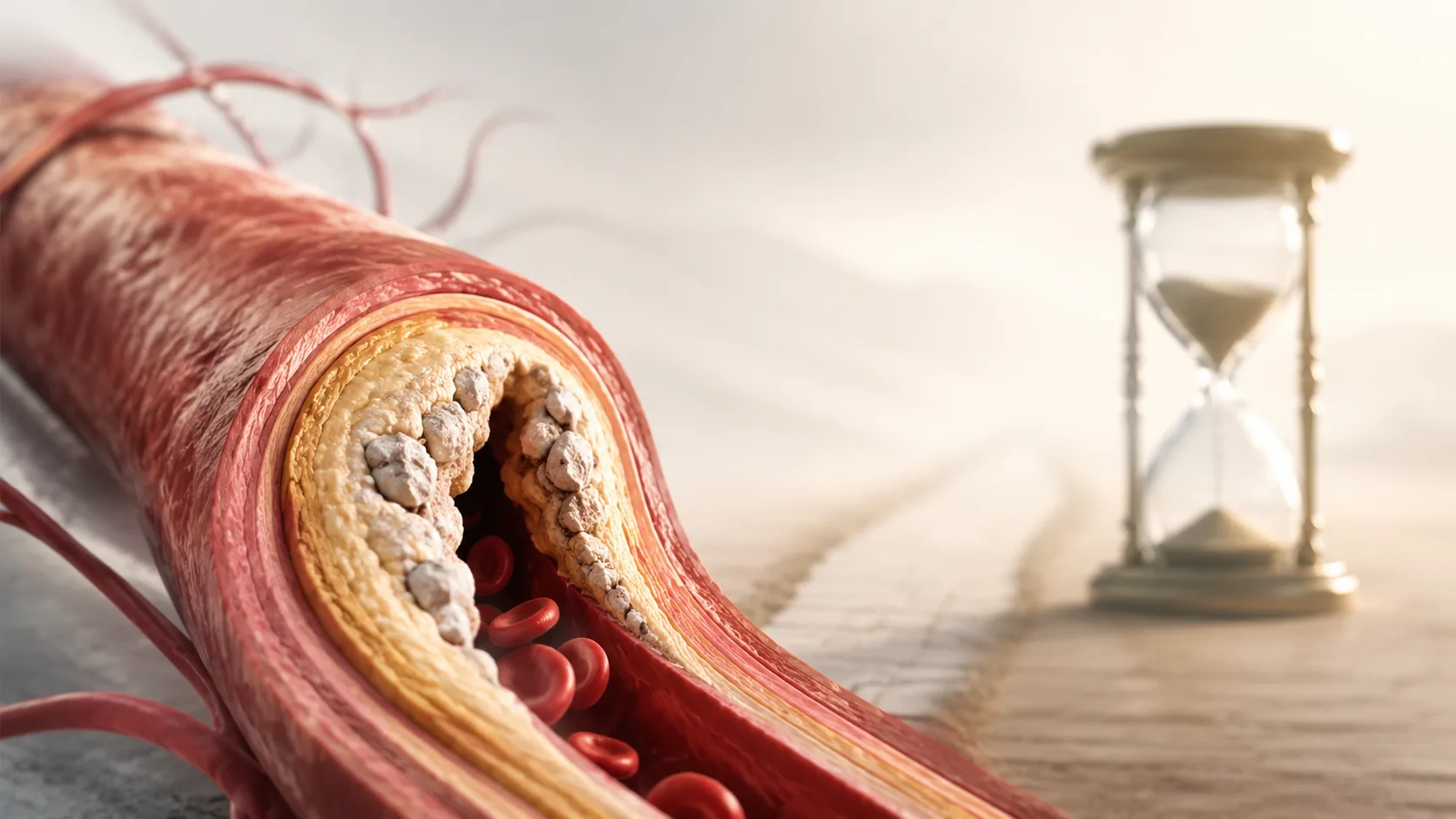
Does Alcohol Accelerate Liver Aging?
Does Alcohol Accelerate Liver Aging?
TL;DR: Yes — alcohol accelerates liver aging through inflammation, fat accumulation, oxidative stress, and scarring. Heavy or prolonged drinking substantially increases the risk of serious liver disease, while even moderate consumption carries some cumulative risk over time. Reducing or eliminating alcohol is one of the most effective steps for protecting long-term liver health.
Does Alcohol Accelerate Liver Aging?
Yes, alcohol accelerates liver aging — and the evidence for this is well established. The liver processes virtually all ingested alcohol, and during that process it is exposed to toxic byproducts, oxidative stress, and inflammatory signals that, over time, damage liver cells and impair the organ’s ability to repair itself. The more alcohol consumed, and the longer the exposure, the greater the cumulative harm.
This effect is most pronounced with heavy or chronic drinking, but research suggests that even moderate, long-term consumption contributes to changes in liver structure and function. Understanding how this happens — and what it means in practice — is important for anyone thinking about alcohol’s role in healthy aging. For a broader look at how the liver ages and what genuinely supports its function, see our guide to liver and kidney longevity.
How the Liver Ages Normally
Even without alcohol, the liver undergoes natural changes with age. Its regenerative capacity gradually declines, blood flow through the organ decreases, and the liver becomes less efficient at metabolising drugs, toxins, and certain nutrients. These changes are gradual and, in most people, do not cause clinical liver disease on their own.
However, lifestyle factors — particularly alcohol consumption — can significantly accelerate this process. The liver is remarkably resilient, but that resilience has limits. Repeated insults from alcohol push the liver toward dysfunction faster than normal aging alone would. This distinction between natural age-related decline and alcohol-driven damage is important: the former is largely unavoidable, while the latter is modifiable.
How Alcohol Damages the Liver
Fat Accumulation and Alcoholic Fatty Liver
One of the earliest signs of alcohol-related liver strain is the accumulation of fat within liver cells — a condition called alcoholic steatosis, or fatty liver. This occurs because alcohol disrupts normal fat metabolism, causing fat to build up rather than be processed efficiently. In many cases, this stage is reversible with abstinence. However, if drinking continues, it can progress to more serious conditions.
Inflammation and Alcoholic Hepatitis
Beyond fat accumulation, alcohol promotes chronic liver inflammation. The liver’s immune cells respond to alcohol and its byproducts by releasing inflammatory signals, which over time damage surrounding tissue. This inflammatory state is a key driver of accelerated liver aging — chronic inflammation is one of the central mechanisms behind cellular senescence and organ dysfunction more broadly. In severe cases, this manifests as alcoholic hepatitis, which can be life-threatening.
Oxidative Stress
When the liver metabolises alcohol, it produces acetaldehyde — a toxic intermediate that damages DNA, disrupts mitochondrial function, and generates reactive oxygen species (free radicals). As a result, oxidative stress increases significantly in heavy drinkers. This damages liver cells directly and impairs the organ’s ability to regenerate. Antioxidant defences can be partially overwhelmed, particularly with sustained heavy drinking.
Fibrosis and Cirrhosis
Over time, repeated inflammation and cellular damage trigger the liver’s wound-healing response, leading to fibrosis — the accumulation of scar tissue. Unlike healthy liver tissue, scar tissue cannot perform normal liver functions. If fibrosis progresses extensively, it becomes cirrhosis: a serious, largely irreversible condition in which the liver’s architecture is permanently disrupted. Cirrhosis substantially increases the risk of liver failure and liver cancer. This represents the end stage of alcohol-accelerated liver aging.
Does Moderate Drinking Still Matter?
The Evidence on Lower-Level Consumption
The liver harms associated with alcohol are clearly dose-dependent — the more consumed over time, the greater the risk. That said, current evidence indicates that no level of alcohol consumption is entirely without risk to the liver. Even moderate drinking, sustained over decades, is associated with some degree of cumulative liver strain, including low-level fat accumulation and subtle changes in liver enzymes.
For most people with otherwise healthy livers, light or moderate drinking is unlikely to cause clinically significant liver disease on its own. However, individual factors — including genetics, body weight, metabolic health, and concurrent use of medications — influence how the liver responds to alcohol. In people who already have fatty liver disease, metabolic dysfunction, or other liver conditions, even moderate alcohol intake can meaningfully worsen outcomes.
The Cumulative Nature of Risk
One important nuance is that alcohol’s effects on the liver are cumulative. Decades of moderate drinking can produce changes that would not be apparent after a few years. This means that assessing risk based only on current intake, without considering lifetime exposure, likely underestimates harm. In practice, reducing alcohol intake at any stage carries benefit — earlier is better, but later reduction still matters.
For related context on how dietary factors like fructose affect liver aging in similar ways, see our article on whether fructose accelerates liver aging.
What Reducing or Stopping Alcohol Actually Does
Reducing or eliminating alcohol is one of the most evidence-backed interventions for liver health. At the fatty liver stage, abstinence can lead to meaningful reversal — fat deposits often clear within weeks to months of stopping alcohol. Inflammation also tends to reduce significantly once the primary trigger is removed.
At the fibrosis stage, recovery is more limited. Some regression of fibrosis is possible, particularly in earlier stages, but advanced fibrosis and cirrhosis are largely irreversible. This makes early reduction important — the liver has a greater capacity to recover when damage has not yet become structural.
In practical terms, the most effective strategy is straightforward: reduce alcohol intake as much as possible, particularly if liver function tests are abnormal, if metabolic risk factors are present (such as obesity or insulin resistance), or if there is a family history of liver disease. For people with existing liver conditions, abstinence is generally the appropriate goal, ideally alongside medical supervision.
Learn more in our complete guide to longevity. For a practical overview of evidence-based liver protection strategies, see our article on the best liver longevity plan.
References and Resources

Authoritative Sources
-
World Health Organization – Alcohol Facts
who.intComprehensive overview of alcohol’s health impacts, including its role in liver disease and accelerated liver aging.
-
CDC – Liver Disease Statistics
cdc.govData on liver disease prevalence and the contribution of alcohol to liver damage and aging.
-
NIH – Alcohol Damage to the Liver
nih.govResearch summaries on the mechanisms through which alcohol causes liver damage and accelerates aging processes.
-
Healthline – Alcohol and Liver Health
healthline.comAccessible overview of how alcohol affects liver function and aging, with practical context.
-
Medical News Today – Liver Damage from Alcohol
medicalnewstoday.comDetailed coverage of alcohol-related liver damage and the biological processes that underlie accelerated aging.
-
WebMD – Liver Damage Slideshow
webmd.comVisual guide to the stages of liver damage, including those driven by chronic alcohol consumption.
-
NIAID – Alcohol and Liver Disease
niaid.nih.govExpert research on how alcohol influences liver disease progression and organ aging.
FAQ
Does alcohol really accelerate liver aging?
Yes. Alcohol promotes inflammation, fat accumulation, oxidative stress, and scarring in the liver — all of which accelerate the organ’s aging. The effect is most significant with heavy or long-term drinking, but cumulative risk exists at lower levels of consumption too.
Can I drink alcohol without speeding up liver aging?
Light to moderate drinking is unlikely to cause significant liver disease in people with otherwise healthy livers, but it is not entirely without risk. Individual factors such as genetics, body weight, and pre-existing liver conditions all influence how much harm any given level of alcohol causes. There is no threshold that is completely risk-free.
What are the signs that alcohol may be affecting my liver?
Persistent fatigue, upper abdominal discomfort, jaundice (yellowing of the skin or eyes), and elevated liver enzymes on blood tests can all indicate liver stress or damage. Many people with early alcohol-related liver changes have no symptoms at all, which is why regular blood tests are useful for those who drink regularly.
How can I slow down alcohol-related liver aging?
Reducing or eliminating alcohol is the most effective step. Supporting measures include maintaining a healthy weight, eating a diet low in ultra-processed foods and added sugars, exercising regularly, and avoiding other liver stressors such as unnecessary medications or environmental toxins. These changes are most effective when alcohol reduction is the foundation.
Does quitting alcohol reverse liver aging?
At the fatty liver stage, abstinence can result in significant recovery — fat deposits often clear within weeks to months. Some early fibrosis may also regress. However, advanced fibrosis and cirrhosis are largely irreversible, which underlines the importance of acting before damage becomes structural. Stopping alcohol at any stage halts further harm and gives the liver the best conditions for whatever recovery is possible.
Conclusion
Alcohol accelerates liver aging through well-understood biological mechanisms: toxic byproducts, oxidative stress, chronic inflammation, and progressive scarring. The evidence is clearest for heavy and prolonged drinking, but cumulative risk exists across the spectrum of consumption. The liver is resilient, and early-stage damage is often reversible — but that resilience has limits, and advanced disease is not.
Practically speaking, reducing alcohol intake is one of the highest-impact choices for long-term liver health. It does not require supplements, detox protocols, or special products. The liver is already the body’s primary detoxification organ — the most effective way to support it is to reduce the burden placed on it.
Find out more information about alcohol and liver aging
Search for more resources and information: