
Does Exercise Improve Stem Cell Function?
Does Exercise Improve Stem Cell Function?
TL;DR: Research suggests that regular exercise — both aerobic and resistance training — can support stem cell activity, particularly in muscle, brain, and cardiovascular tissue. The effect is most clearly seen in reducing age-related decline rather than dramatically reversing it, and moderate-intensity exercise appears to produce the best results.
Yes, evidence indicates that exercise can improve stem cell function, particularly by activating muscle stem cells, promoting circulating stem cell levels in the blood, and improving the cellular environment in which stem cells operate. This effect is meaningful for healthy aging, though it is more accurate to describe it as preserving and supporting regenerative capacity than dramatically restoring it.
What Stem Cells Do and Why Exercise Matters
The Role of Stem Cells in Tissue Repair
Stem cells are the body’s primary repair cells. They are capable of dividing and differentiating into specialised cell types — including muscle fibres, neurons, and cardiovascular cells — to replace damaged or aging tissue. As a result, their function has a direct bearing on recovery, physical resilience, and the pace of biological aging.
With age, stem cell populations tend to decline in both number and responsiveness. This contributes to slower recovery from injury, reduced muscle maintenance, and diminished tissue regeneration more broadly. Understanding what drives this decline — and what might slow it — is a key question in longevity research. For a deeper look at how this process unfolds, see our article on how stem cells decline with age.
Why Exercise Is Relevant
Exercise is one of the most well-established interventions for healthy aging, and its effects extend to the cellular level. In particular, physical activity influences several biological pathways — including inflammation, growth factor signalling, and oxidative stress — that directly affect how stem cells behave. This makes exercise one of the few accessible, low-risk tools that may help maintain regenerative capacity over time.
How Exercise Influences Stem Cell Function
Muscle Stem Cell Activation
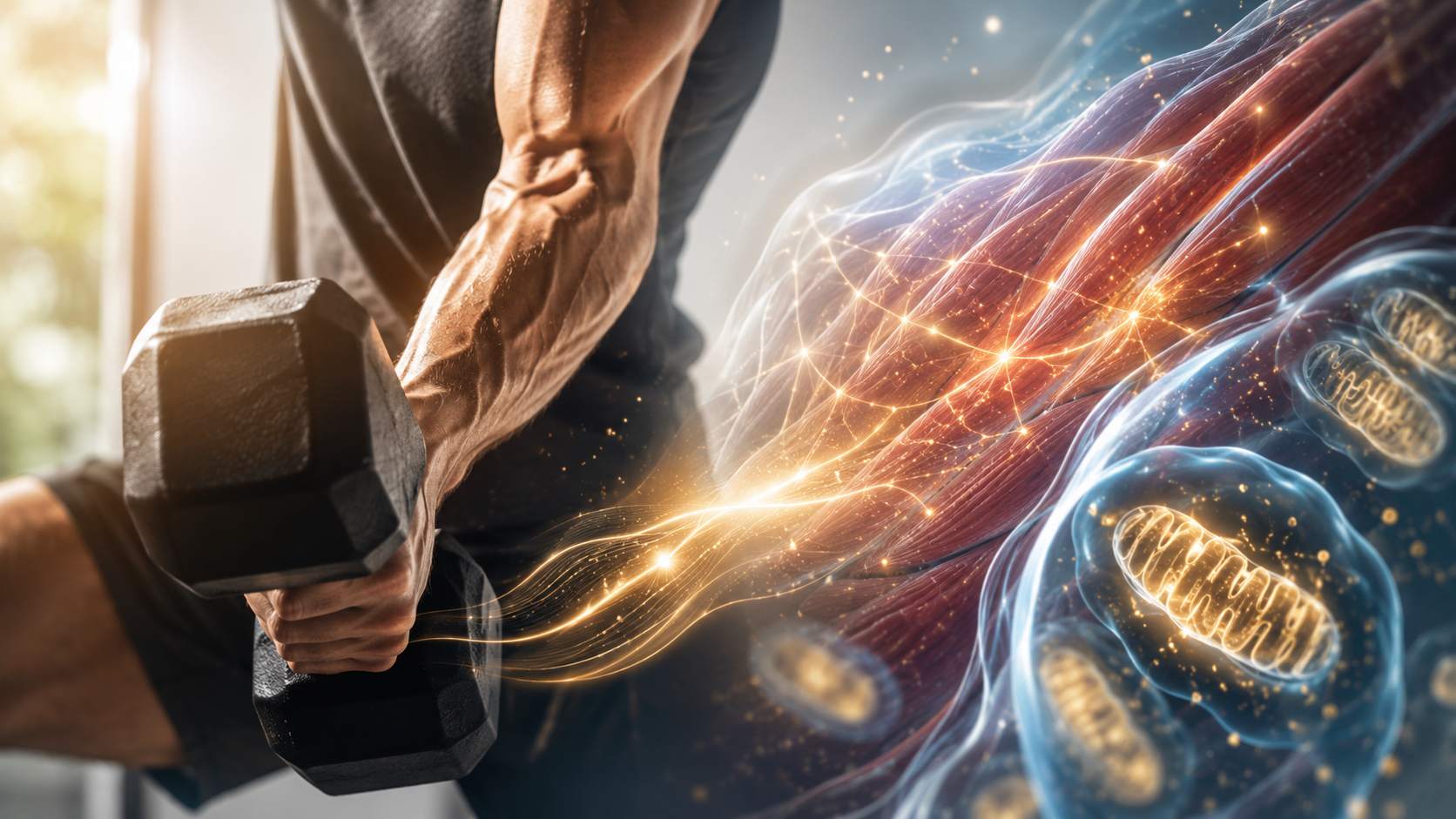
The most clearly established connection is in skeletal muscle. Exercise — particularly resistance training — activates satellite cells, which are the stem cells responsible for repairing and rebuilding muscle fibres. When muscle fibres are stressed during physical activity, satellite cells are recruited to the site of damage, proliferate, and fuse with existing fibres to facilitate repair and growth.
In older adults, this activation response tends to be blunted. However, research suggests that consistent exercise training can partially restore satellite cell responsiveness, helping to maintain muscle mass and recovery capacity with age. This is one reason why exercise remains a central recommendation for preserving muscle health in older populations.
Growth Factors and the Stem Cell Environment
Exercise stimulates the release of growth factors including VEGF (vascular endothelial growth factor) and IGF-1 (insulin-like growth factor 1). These signalling molecules promote stem cell proliferation and support the formation of new blood vessels, which improves nutrient delivery to tissues. As a result, the local environment — known as the stem cell niche — becomes more favourable for repair and regeneration.
Importantly, exercise also reduces chronic low-grade inflammation, which is one of the primary drivers of stem cell dysfunction in aging tissue. By lowering inflammatory signalling, regular physical activity helps preserve the quality of the stem cell microenvironment. This connects closely to the broader question of how inflammation affects regenerative capacity, which is explored in our article on whether inflammation impairs stem cell function.
Neural and Cardiovascular Effects
Evidence also indicates that aerobic exercise supports neural stem cell activity in the hippocampus, a brain region involved in memory and learning. This effect appears to be mediated partly through BDNF (brain-derived neurotrophic factor), which is released during aerobic activity and promotes the survival and differentiation of new neurons.
In the cardiovascular system, exercise has been shown to mobilise endothelial progenitor cells — stem-like cells that help maintain and repair blood vessel walls — and to increase their circulating levels in the bloodstream. This may contribute to improved vascular health and reduced cardiovascular risk over time.
Can Exercise Slow Age-Related Stem Cell Decline?
Research in both animal models and older human adults suggests that sustained physical activity can slow the functional decline of several stem cell populations. Studies have found that regularly active older individuals tend to maintain higher satellite cell numbers and better regenerative responses compared to sedentary peers. That said, exercise does not halt the aging process, and it would be an overstatement to claim it fully reverses age-related stem cell loss. The more accurate conclusion is that it meaningfully slows decline and preserves functional capacity for longer.
What the Evidence Shows
Aerobic Exercise and Circulating Stem Cells
Several studies have found that acute bouts of aerobic exercise increase the number of circulating stem and progenitor cells in the blood. This mobilisation appears to reflect the body’s repair signalling response to exercise-induced stress. Over time, regular aerobic training appears to sustain higher baseline levels of these cells, potentially improving the body’s capacity for ongoing tissue maintenance.
Resistance Training and Muscle Regeneration
Resistance exercise has the strongest body of evidence for direct stem cell activation. Studies consistently show that strength training activates satellite cells in muscle tissue, and that this response remains functional — though reduced — in older adults who train regularly. Progressive resistance training is therefore considered an effective strategy for maintaining muscle regenerative capacity with age.
Limitations and Nuance
Much of the detailed mechanistic evidence comes from animal studies or small human trials. While the directional findings are consistent, the magnitude of benefit in humans — particularly older adults — is less certain. Exercise is clearly beneficial for tissue repair and healthy aging overall, but it should not be presented as a complete solution to stem cell aging. Other factors, including sleep quality, diet, and systemic inflammation, also play significant roles. Learn more in our complete guide to longevity.
Additionally, very high-intensity exercise without adequate recovery can temporarily increase systemic stress and inflammation, which may blunt rather than support regenerative responses. This suggests that intensity and recovery management matter, not just exercise volume.
Practical Implications
What Types of Exercise Are Most Effective?
Current evidence supports a combination of aerobic and resistance training as the most effective approach for maintaining stem cell function. Aerobic exercise — such as brisk walking, cycling, or swimming — supports cardiovascular progenitor cells, neural stem cell activity, and growth factor signalling. Resistance training directly activates muscle satellite cells and supports muscle mass over time.
In practice, current public health guidelines suggest at least 150 minutes of moderate aerobic activity per week, combined with resistance training on two or more days. This framework aligns with what the evidence supports for stem cell-related benefits, and is sustainable for most adults.
Intensity and Recovery
Moderate-intensity exercise appears to produce the most consistent regenerative benefits. Very high-intensity training can be effective when properly periodised, but chronic overtraining — without adequate recovery — may elevate inflammatory markers and temporarily suppress immune and regenerative function. For most people, consistent moderate exercise is more beneficial than sporadic intense efforts.
Supporting Factors
Exercise works best within a broader healthy lifestyle. Sleep quality, nutritional adequacy, and stress management all influence the stem cell niche and systemic inflammation levels. Antioxidant-rich foods may help counteract oxidative stress generated during exercise, and adequate protein intake supports muscle repair. These factors do not replace exercise, but they amplify its effects on tissue regeneration and overall resilience. For comparison, the potential role of fasting in this area is explored separately in our article on whether fasting improves stem cell regeneration.
Frequently Asked Questions
Frequently Asked Questions
Does exercise genuinely improve stem cell function?
Research supports this, particularly for muscle satellite cells and circulating progenitor cells. Exercise activates stem cells involved in tissue repair, improves the stem cell microenvironment by reducing inflammation, and promotes growth factor signalling. The effect is most evident in muscle tissue and is relevant to healthy aging and recovery.
What types of exercise are best for supporting stem cell health?
A combination of aerobic exercise and resistance training offers the most comprehensive benefit. Aerobic activity supports cardiovascular and neural stem cell function, while resistance training directly activates muscle stem cells. Variety and consistency matter more than any single exercise modality.
Can exercise slow age-related decline in stem cell function?
Evidence suggests it can, particularly in muscle tissue. Regularly active older adults tend to maintain better satellite cell responsiveness and regenerative capacity than sedentary peers. However, exercise slows decline rather than fully reversing it — it is one important factor among several.
Are there lifestyle factors that enhance the effect of exercise on stem cells?
Yes. Adequate sleep, good nutrition, and effective stress management all support the stem cell environment. Reducing chronic inflammation through diet and lifestyle choices makes the tissue environment more favourable for stem cell activity, and compounds the benefits of regular exercise.
Does high-intensity exercise have any negative effects on stem cell function?
Very intense exercise without adequate recovery can temporarily elevate inflammation and stress hormones, which may blunt regenerative responses. Moderate-intensity exercise, consistently performed, is generally more effective for long-term stem cell health than chronic high-intensity training without recovery.
References and Resources
Authoritative Sources on Exercise and Stem Cell Function
-
Exercise and Stem Cells: A Review of the Evidence
ncbi.nlm.nih.govA comprehensive review examining how physical activity influences stem cell proliferation, differentiation, and tissue regeneration across multiple tissue types.
-
Exercise Promotes Brain Stem Cell Function
nih.govDiscusses how regular aerobic activity enhances neural stem cell activity in the hippocampus, supporting cognitive health and neuroplasticity.

-
Exercise and Cardiovascular Stem Cells
ahajournals.orgResearch examining how exercise mobilises endothelial progenitor cells and supports cardiovascular repair mechanisms.
-
Exercise, Inflammation, and Stem Cell Microenvironment
frontiersin.orgReviews how exercise modulates inflammation and improves the stem cell niche, supporting regenerative processes across aging tissue.
-
Effects of Exercise on Stem Cells in Aging
pubmed.ncbi.nlm.nih.govHighlights evidence that exercise can slow age-related decline in stem cell responsiveness, with implications for muscle maintenance and longevity.
-
Exercise and Aging: Cellular Perspectives
thelancet.comExamines how physical activity influences cellular aging processes, including effects on stem cell populations and tissue maintenance.
Conclusion
The evidence supports a clear connection between regular physical activity and improved stem cell function, particularly in muscle, brain, and cardiovascular tissue. Exercise activates repair-oriented stem cells, improves their microenvironment, and helps slow the functional decline that occurs with age. That said, the effect is one of preservation and support rather than dramatic reversal — and it works best as part of a broader approach to healthy aging that includes good nutrition, sleep, and stress management.
For most people, a consistent combination of moderate aerobic exercise and resistance training represents the most practical and evidence-backed strategy for maintaining regenerative capacity over time. It does not require extreme effort or specialist interventions — it requires consistency.
Find out more about exercise and stem cell function
Search for more resources and information: