Does Inflammation Impair Stem Cells?
Does Inflammation Impair Stem Cells?
TL;DR: Chronic inflammation disrupts stem cell survival, proliferation, and differentiation by creating a hostile tissue environment. Managing systemic inflammation through lifestyle choices and, where necessary, medical intervention is one of the most practical ways to support the body’s regenerative capacity as it ages.
Does Inflammation Impair Stem Cells?
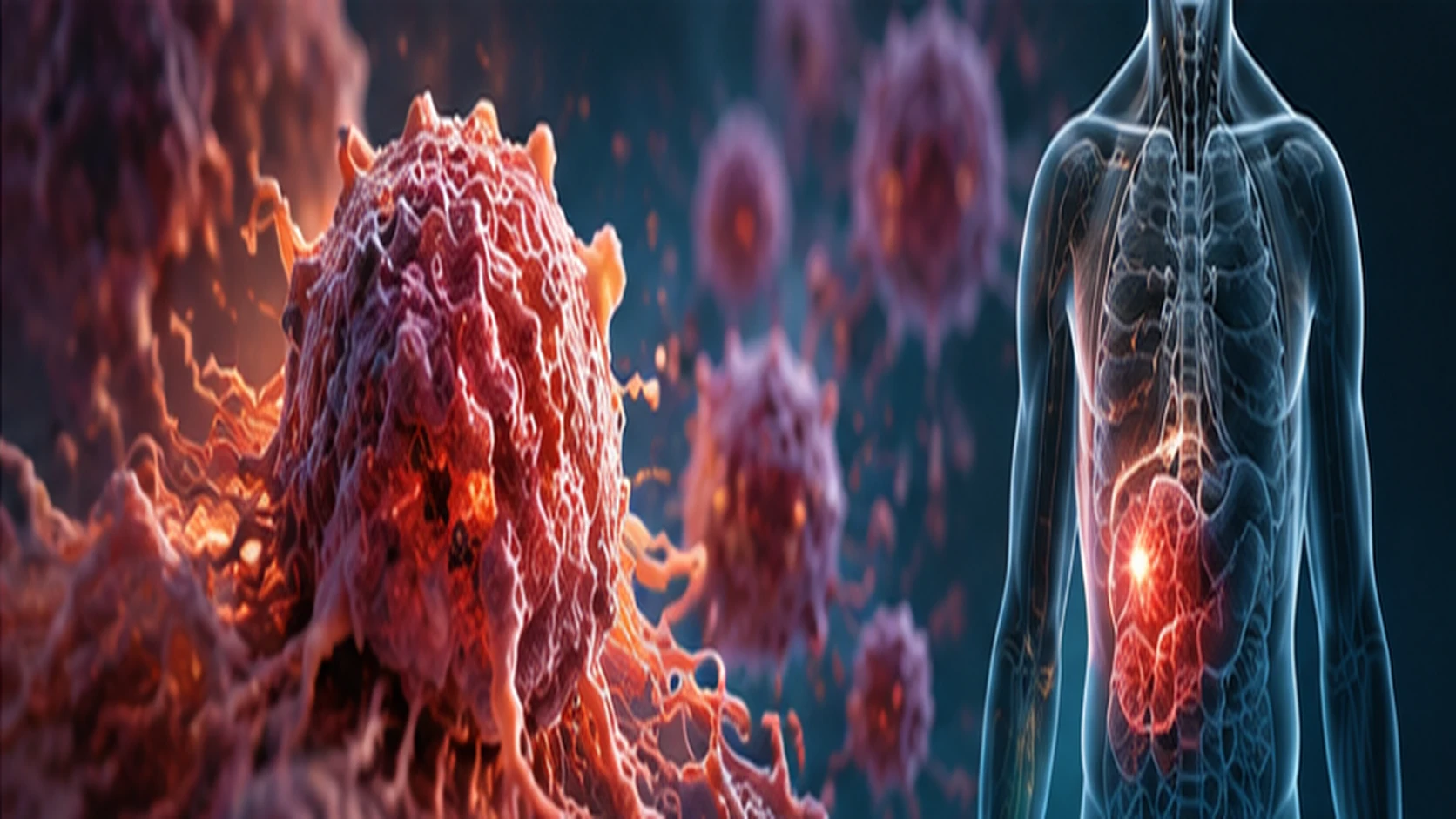
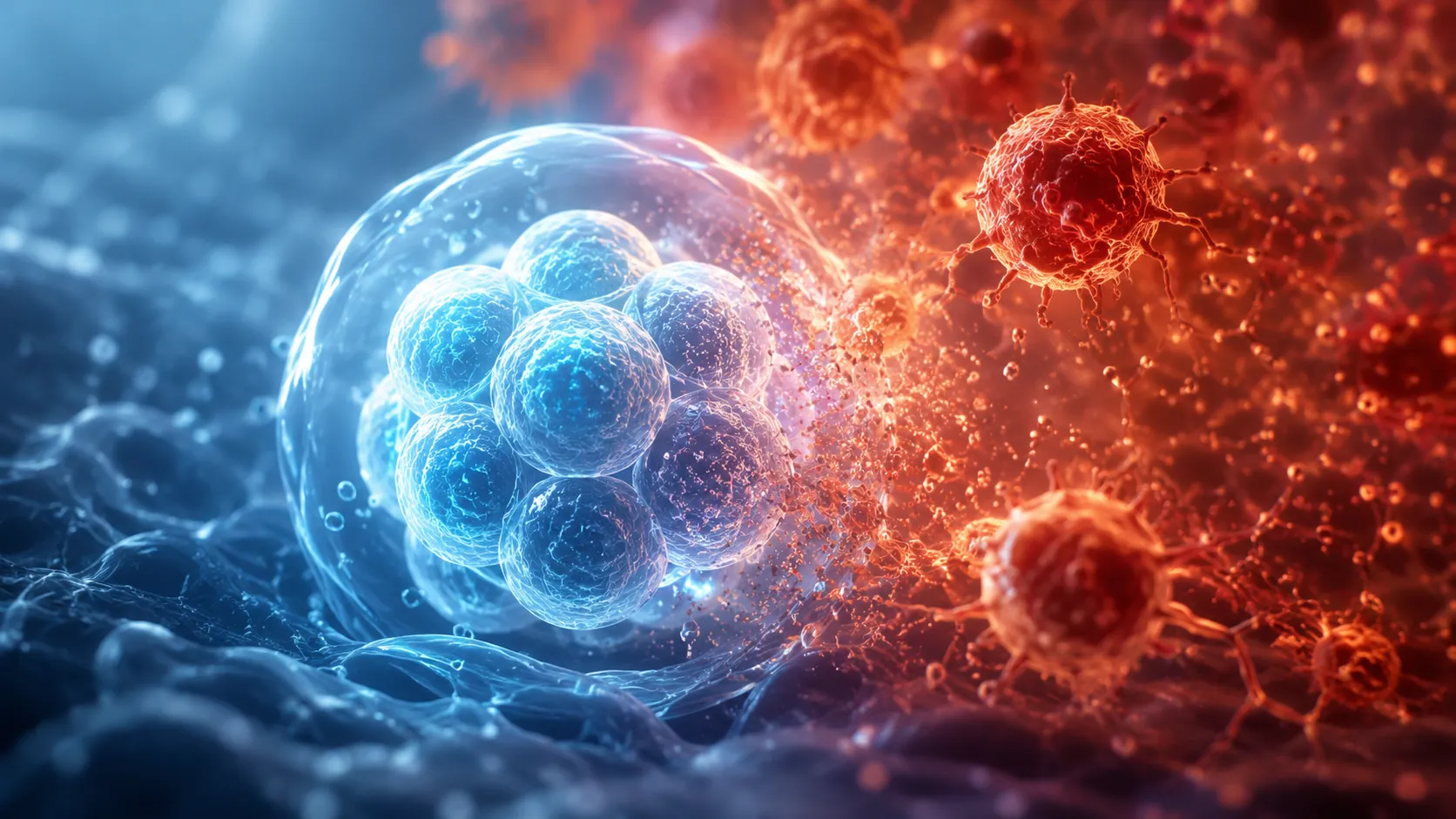
Yes — chronic or uncontrolled inflammation does impair stem cells. Research consistently shows that pro-inflammatory signalling molecules interfere with stem cell survival, self-renewal, and their ability to develop into specialised tissue cells. Acute, short-lived inflammation is a normal part of healing and can actually recruit stem cells to sites of injury. However, when inflammation becomes persistent, it shifts from a repair signal to a damaging one, degrading the environment that stem cells depend on to function.
This distinction matters for anyone thinking about regenerative health. It also helps explain why age-related tissue decline is not simply a story of stem cells wearing out in isolation — the inflammatory environment around them plays an equally important role. As part of the broader picture of stem cells and regenerative medicine for longevity, understanding how inflammation affects this system is essential.
How Inflammation Disrupts Stem Cell Function
The Role of Inflammatory Cytokines
The primary mechanism involves pro-inflammatory cytokines — signalling proteins that include TNF-alpha, IL-1beta, and IL-6. In moderate amounts, these molecules coordinate immune responses and help initiate tissue repair. In excess, however, they create a cellular environment that stem cells struggle to survive in.
Specifically, elevated levels of these cytokines can trigger apoptosis (programmed cell death) in stem cells, reduce their rate of self-renewal, and impair their ability to differentiate into the right cell types. As a result, damaged tissue receives fewer functional replacement cells, and the repair process stalls or becomes incomplete.
Chronic inflammation also increases oxidative stress in tissues. This generates reactive oxygen species that can damage stem cell DNA and mitochondria, further reducing regenerative output. Over time, these cumulative effects contribute to the kind of tissue decline associated with ageing.
NF-κB and Inflammatory Signalling Pathways
At a molecular level, much of this damage is mediated through the NF-κB signalling pathway, which becomes chronically activated under sustained inflammatory conditions. Research suggests that persistent NF-κB activation pushes stem cells towards a more dormant or dysfunctional state. In contrast, pathways associated with tissue repair — including those regulated by AMPK and certain growth factors — tend to be suppressed in a high-inflammation environment.
This also connects to the concept of “inflammageing” — the low-grade, chronic inflammation that gradually accumulates with age and is now considered a key driver of age-related functional decline across multiple organ systems.
Which Tissues Are Most Affected?
The impact of inflammation on stem cells is not uniform — it varies by tissue type and the nature of the inflammatory signal.
Bone marrow and blood: Chronic inflammation has been shown to impair haematopoietic stem cells (HSCs), which are responsible for producing blood and immune cells. Evidence from both animal models and human studies indicates that sustained inflammatory conditions reduce HSC function and can bias their output towards inflammatory immune cells rather than balanced blood cell renewal.
Skeletal muscle: Muscle satellite cells — the stem cells responsible for muscle repair — are sensitive to the inflammatory environment. In people with chronic inflammatory conditions, muscle regeneration following injury or exercise tends to be slower and less complete. This is relevant to age-related muscle loss, or sarcopenia, which involves both stem cell decline and a worsening inflammatory background.
Neural tissue: Neural stem cells, which support limited brain repair and neurogenesis, are also negatively affected by chronic neuroinflammation. Elevated inflammatory markers in brain tissue — increasingly observed in ageing — are associated with reduced new neuron formation and impaired cognitive repair capacity.
Gut and epithelial tissue: Intestinal stem cells, which have a high turnover rate, are particularly vulnerable during conditions of chronic gut inflammation such as inflammatory bowel disease. Inflammation in this context can exhaust stem cell pools and compromise the gut barrier over time.
Understanding how stem cells decline with age requires recognising that inflammation is one of the key accelerants of that decline, not just a parallel phenomenon. For a closer look at that process, see our article on how stem cells decline with age.
Strategies to Reduce Inflammation and Support Stem Cell Health
Lifestyle as the Foundation
The most evidence-supported approach to reducing chronic inflammation remains lifestyle modification. Several factors consistently associated with lower systemic inflammation include:
Regular physical activity: Moderate aerobic and resistance exercise reduces circulating inflammatory markers over time. Evidence also suggests that exercise influences stem cell behaviour directly — particularly in muscle and bone — by improving the local tissue environment. For more detail, see our article on whether exercise improves stem cell function.
Diet: Diets high in refined sugars, processed foods, and trans fats are associated with elevated inflammatory markers, including CRP and IL-6. In contrast, dietary patterns emphasising vegetables, oily fish, legumes, and whole grains are linked to lower systemic inflammation. Specific compounds — including omega-3 fatty acids and curcumin — have demonstrated anti-inflammatory effects in research settings, though the clinical magnitude of these effects varies.
Sleep: Poor or insufficient sleep is a consistent driver of elevated inflammatory cytokines. Even short-term sleep restriction raises IL-6 and TNF-alpha levels. Prioritising sleep quality is therefore relevant not just to general health but to the inflammatory environment in which stem cells operate.
Stress management: Chronic psychological stress activates the HPA axis and promotes low-grade inflammation through cortisol dysregulation. Evidence supports practices such as mindfulness, social connection, and structured recovery time as meaningful tools for reducing stress-driven inflammation.
Medical and Pharmacological Approaches
In cases where inflammation is driven by an underlying condition — such as autoimmune disease, chronic infection, or metabolic dysfunction — targeted medical management is appropriate. NSAIDs, corticosteroids, and biologic agents targeting specific cytokines (such as TNF inhibitors) can reduce inflammatory burden. However, these interventions carry their own trade-offs, and their use should be guided by clinical need rather than general longevity aims.
Some researchers are also investigating whether anti-inflammatory preconditioning of stem cells prior to therapeutic use could improve their survival and function after transplantation. This remains an active but early-stage area of research.
Learn more in our complete guide to longevity.
Emerging Research and Future Directions
Several emerging approaches aim to more precisely counteract inflammation’s effects on stem cells:
Cytokine inhibitors and senolytics: Senescent cells — aged, dysfunctional cells that accumulate with age — are a major source of chronic inflammatory signalling via the senescence-associated secretory phenotype (SASP). Research into senolytic compounds (which selectively clear senescent cells) suggests that reducing this source of inflammation may help restore a more favourable environment for stem cell activity. Human evidence remains limited, however, and this area is still maturing.
Stem cell preconditioning: Laboratory studies have explored exposing stem cells to mild stressors or anti-inflammatory agents before use in therapy, with the aim of making them more resilient to inflamed tissue environments. Results in animal models are promising, but clinical translation is still underway.
Gene editing approaches: Techniques such as CRISPR are being explored to enhance the inflammatory tolerance of therapeutic stem cells. This is a longer-term direction that remains largely preclinical.
Overall, the most practical and immediately applicable insight from this research is that reducing chronic inflammation through lifestyle remains the most accessible lever for supporting stem cell health in everyday life. Advanced interventions may have a future role, but they are not yet ready for broad clinical use.
FAQs About Inflammation and Stem Cell Health
Frequently Asked Questions
Does inflammation always impair stem cells?
Not always. Short-term, acute inflammation is a normal part of the healing process and can actively recruit stem cells to sites of injury. The problem arises with chronic or unresolved inflammation, which creates a persistently hostile environment that reduces stem cell survival, self-renewal, and differentiation. In practice, the duration and intensity of inflammation are more important than its presence alone.
Can reducing inflammation improve stem cell function?
Current evidence suggests yes. Studies in both animal models and humans indicate that lowering chronic inflammatory markers — through lifestyle changes, dietary improvement, or targeted medical treatment — can restore a more supportive environment for stem cell activity. The effect is likely most significant when inflammation is the primary limiting factor in a given tissue.
What are the most practical ways to prevent inflammation from impairing stem cells?
Regular exercise, a diet low in ultra-processed foods, adequate sleep, and stress management are the most evidence-supported approaches to reducing systemic inflammation. These are also among the most accessible. For inflammation linked to an underlying medical condition, professional guidance is appropriate.
Are there specific conditions where inflammation severely impairs stem cells?
Yes. Autoimmune diseases, chronic infections, metabolic syndrome, and inflammatory disorders such as inflammatory bowel disease are associated with significant impairment of stem cell function in the relevant tissues. In these conditions, controlling inflammation is particularly important for supporting tissue repair and regenerative capacity.

Is inflammageing the same as chronic inflammation?
They are related but not identical. Inflammageing refers specifically to the low-grade, sterile, chronic inflammation that accumulates as a feature of ageing itself — even in the absence of infection or injury. It is thought to arise partly from senescent cells, gut barrier changes, and immune system dysregulation. This background inflammatory state is one reason why stem cell function tends to decline with age, independent of any specific disease.
Conclusion
Chronic inflammation impairs stem cells through multiple mechanisms — reducing their survival, limiting their ability to self-renew, and disrupting the tissue environments they depend on. This is not a minor side effect of ageing; it is one of the core reasons why regenerative capacity declines over time.
Importantly, this also means that supporting stem cell health does not require advanced or expensive interventions. Addressing the inflammatory environment through consistent lifestyle habits — exercise, diet, sleep, and stress management — is a credible and accessible strategy for preserving regenerative function. Emerging therapies targeting senescence and cytokine signalling may add to this in future, but the lifestyle foundation remains the most evidence-supported starting point.
Understanding this connection is a meaningful step toward thinking about ageing not just in terms of cell loss, but in terms of the environment those cells live in.
Find out more information about “Inflammation Impair Stem Cells”
Search for more resources and information: