
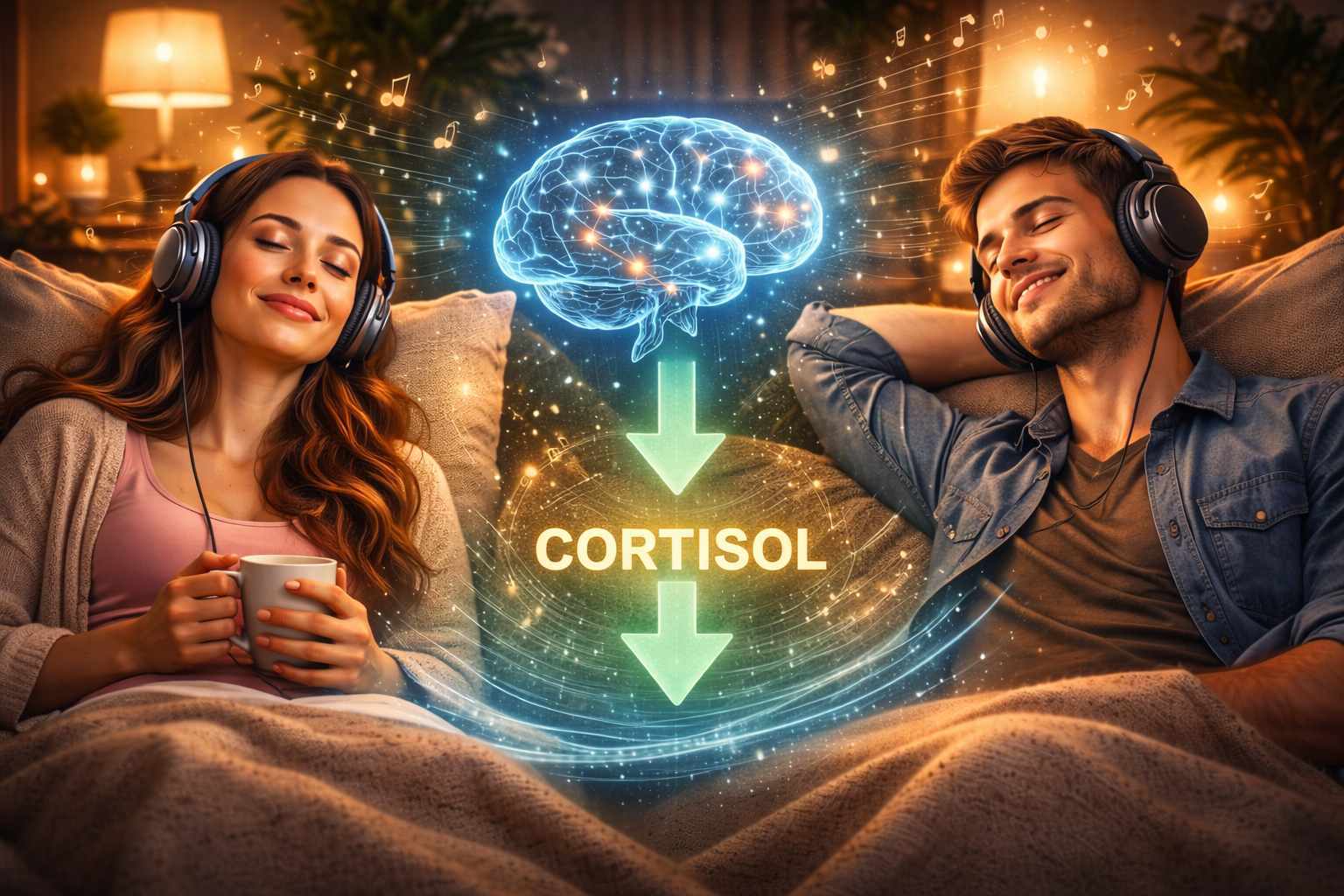
Does Music Reduce Cortisol Levels?
Introduction: Does Music Reduce Cortisol Levels?
TL;DR: Yes, music can reduce cortisol levels in many situations, especially when it is calming, familiar, and used intentionally during stress. It is not a cure-all, but research suggests music can be a simple, low-cost tool to support relaxation, recovery, and healthier stress regulation.
Yes, music can reduce cortisol levels, especially when it helps the body shift out of a stress response and into a calmer state. Research suggests that relaxing or enjoyable music may lower cortisol, heart rate, and perceived stress in many people, particularly before or during stressful events. The effect is not identical for everyone, but music appears to be a useful and practical stress-management tool.
This matters because cortisol is the body’s main stress hormone. In the short term, cortisol helps with energy, alertness, and survival. Over time, however, chronically elevated cortisol may contribute to poor sleep, anxiety, impaired recovery, worse metabolic health, and accelerated aging.
That is why music is more than entertainment. Used well, it may help regulate stress physiology and support mental and physical health. Learn more in our complete guide to longevity.
How Music Affects Stress Hormones: The Science Behind It
Can Listening to Music Actually Lower Cortisol?
Research suggests that it can. In many studies, people who listen to calming music before surgery, during medical procedures, or after stressful tasks show lower cortisol or lower perceived stress than control groups. The effect is often strongest when the music feels soothing, familiar, or emotionally supportive.
One likely reason is that music can activate the parasympathetic nervous system, which helps the body recover after stress. When that system becomes more active, breathing slows, heart rate may drop, muscle tension can ease, and cortisol output may fall.
Music does not always lower cortisol in every context, but the overall pattern suggests it can be helpful when the goal is relaxation and emotional regulation.
What Does Research Say About Music and Cortisol?
Clinical and psychology research generally supports the idea that music can help reduce stress hormones, especially in high-stress environments. Music interventions have been studied in hospitals, therapy settings, exam situations, and everyday stress management. Evidence indicates that music may lower cortisol most reliably when it is paired with rest, relaxation, or supportive routines.
The effect can also depend on expectation and preference. Music that feels calming to one person may feel irritating or overstimulating to another. That is one reason personal choice matters so much in real-world use.
Music also seems to influence brain regions involved in emotion, attention, reward, and threat detection. These include networks linked to the amygdala, prefrontal cortex, and autonomic nervous system. When music changes how stress is perceived, cortisol regulation may improve as well.
How Different Types of Music May Influence Cortisol
Does Relaxing Music Help Reduce Cortisol?
In many cases, yes. Slow, gentle, predictable music often appears most useful for lowering stress. Classical music, ambient music, acoustic music, instrumental tracks, and nature-based soundscapes are commonly used in studies and relaxation settings because they can encourage slower breathing and lower physiological arousal.
Tempo matters. Music with a slower rhythm may help the body settle, especially when listened to in a quiet setting. Lyrics are not necessarily a problem, but highly stimulating or emotionally intense lyrics may be less calming for some people.
Can Upbeat or Fast Music Affect Cortisol Levels?
It can, but the effect may vary. Fast or highly energetic music may increase arousal in the short term, which is not always the same as reducing cortisol. In some situations, upbeat music may feel motivating and improve mood, but it may not be the best option when the goal is immediate relaxation.
That does not mean upbeat music is harmful. It may help some people by shifting attention away from stress, improving mood, or increasing motivation to exercise. Since exercise itself can improve long-term stress resilience, energizing music may still be helpful depending on the context.
Music Preferences and Their Role in Cortisol Reduction
Personal preference is one of the most important variables. Music that feels safe, familiar, emotionally meaningful, or enjoyable may lower stress more effectively than music that is technically “relaxing” but feels dull or unpleasant.
This is why cortisol management with music is often more successful when playlists are personalized. The best stress-reducing music is usually music that helps the listener feel calmer, more grounded, and less mentally overloaded.
Practical Ways to Use Music for Cortisol Management
Creating Your Own Stress-Relief Playlists
A practical starting point is to build a playlist specifically for stress reduction. The most effective playlists usually include tracks that feel emotionally safe, steady, and calming. Instrumental music, slow-tempo songs, gentle piano, ambient textures, and familiar calming tracks often work well.
It also helps to keep the playlist easy to access. Having a prepared playlist reduces friction, which makes it more likely that music will become a consistent part of a stress-management routine.
Timing and Environment for Listening
Music is often most effective when used proactively rather than only after stress becomes overwhelming. Listening before a stressful meeting, during a break, before bed, or after a difficult day may help lower physiological arousal and improve recovery.
The environment matters too. A quiet setting, headphones, comfortable posture, and fewer distractions may make the effect stronger. Music can also work well during other calming practices such as stretching, journaling, breathing exercises, or quiet walking.
Incorporating Music Into a Broader Stress Strategy
Music works best when combined with other healthy stress-management habits. Breathing exercises, mindfulness, better sleep, regular exercise, and social connection all help regulate cortisol over time. Music can strengthen these routines by making them more enjoyable and easier to repeat.
Exercise is especially relevant because it supports mood, recovery, endurance, and metabolic health. Research suggests exercise also supports mitochondrial function and pathways such as AMPK and PGC-1α, which are linked to energy metabolism, resilience, and healthy aging. Music can support that process by improving adherence and making movement feel easier or more rewarding.
Used this way, music becomes part of a broader strategy for stress regulation, healthspan, and long-term wellbeing.
Frequently Asked Questions
Frequently Asked Questions
Does music reduce cortisol levels for everyone?
Not always. Music often helps reduce cortisol, but the response varies between individuals. Personal preference, stress level, listening context, and the type of music all influence the effect.
How quickly can music lower cortisol levels?
Some people may feel calmer within minutes, and studies often use sessions lasting around 15 to 30 minutes. The best results usually come from regular use rather than one-off listening.
Can music therapy be used to treat high cortisol levels?
Music therapy may help as part of a broader stress-management plan, especially in clinical or mental health settings. It should be viewed as supportive rather than a replacement for medical care when stress is severe or persistent.
Does listening to music before stressful events help reduce cortisol?
It often can. Listening to calming or familiar music before a stressful event may help reduce anticipatory stress, promote relaxation, and improve emotional control.
Is there scientific evidence that music reduces cortisol?
Yes. Research in clinical and experimental settings suggests music can lower cortisol in many situations, especially when the music is calming and used intentionally to support relaxation.
References and Resources
These resources provide useful background on stress physiology, cortisol regulation, music interventions, and how music may support relaxation and recovery.

Authoritative Sources on Music Reduce Cortisol Levels
-
Music and Stress Reduction
NCBI / PubMed CentralExplores how music therapy and music listening may reduce stress and support lower cortisol levels.
-
Music and Cortisol in Clinical Settings
Frontiers in PsychologyReviews clinical evidence on how music interventions may influence cortisol and stress responses.
-
Music Therapy and Stress Hormones
American Speech-Language-Hearing AssociationHighlights how music-based interventions may help relaxation and stress hormone regulation.
-
Music’s Effects on Stress and Cortisol
New England Journal of MedicineProvides broader discussion of how music may influence stress physiology in both healthy and clinical populations.
-
Music and Mood Regulation
Psychology TodayDiscusses how music can influence mood, calm the mind, and support stress reduction in everyday life.
-
Stress and the Brain
American Psychological AssociationProvides background on stress, cortisol, and how behavioral interventions may improve stress responses.
-
Music and Stress Hormones
Science DailySummarizes findings on how music interventions may affect cortisol and perceived stress.
Conclusion
Music can reduce cortisol levels in many situations, particularly when it helps the body relax and recover from stress. The strongest effects are often seen with calming, familiar, or personally meaningful music used intentionally during stressful periods or as part of a daily recovery routine.
The most useful takeaway is practical: music is a simple, accessible tool that can support stress regulation, mood, and overall wellbeing. When combined with sleep, exercise, and other healthy habits, it may become a valuable part of a long-term strategy for better mental and physical health.
Find out more information about “Music Reduce Cortisol Levels”
Search for more resources and information: