Does Fiber Lower Apob?
Understanding ApoB and Why Fiber Matters
TL;DR: Soluble fiber can help lower ApoB modestly by reducing LDL particle burden and improving cholesterol clearance. It works best as part of a broader ApoB-lowering plan that also addresses saturated fat, body weight, insulin resistance, and overall diet quality.
Yes, fiber can help lower ApoB, especially soluble fiber from foods such as oats, barley, beans, lentils, fruit, psyllium, and some seeds. The effect is usually modest rather than dramatic, but it is practical, low-risk, and directly relevant for long-term cardiovascular prevention.
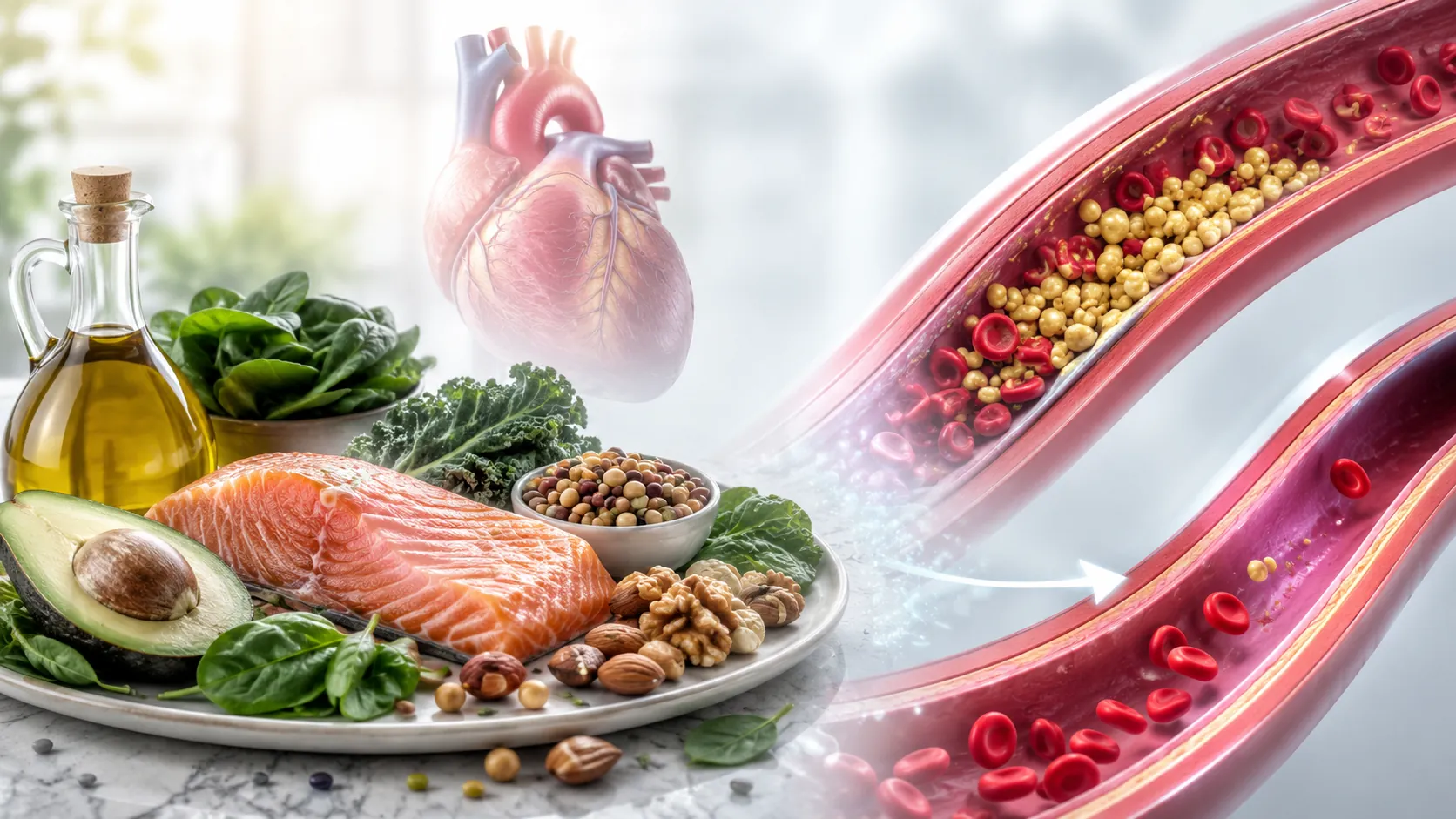
ApoB, or apolipoprotein B, is found on the surface of atherogenic lipoproteins, including LDL, VLDL, IDL, and Lp(a). Because each of these particles carries one ApoB molecule, ApoB helps estimate the number of particles that can enter the artery wall and contribute to plaque formation.
Fiber matters because it can reduce cholesterol absorption, increase bile acid excretion, improve gut metabolism, support insulin sensitivity, and help with appetite regulation. These effects can reduce the number of ApoB-containing particles over time, particularly when fiber replaces refined carbohydrates or high-saturated-fat foods.
For the broader strategy, see the best ApoB optimization plan. Learn more in our complete guide to longevity.
How Fiber Influences Lipid Profiles
Dietary fiber improves lipid profiles most clearly through soluble fiber. Soluble fiber forms a gel-like substance in the gut, which can bind bile acids and reduce the reabsorption of cholesterol-related compounds. The liver then uses more cholesterol to make new bile acids, which may lower LDL-C and ApoB-containing particles.
This does not mean fiber works like a drug. It usually produces gradual, moderate improvements rather than rapid changes. However, because ApoB reflects atherogenic particle number, even modest improvements may be useful when combined with other interventions such as reducing saturated fat, losing excess weight, improving insulin sensitivity, and increasing physical activity.
Fiber may also help indirectly. Higher-fiber diets tend to improve satiety, support healthier body composition, reduce post-meal glucose spikes, and improve gut microbiome function. These metabolic benefits are relevant because insulin resistance can raise ApoB by increasing VLDL production. For more detail, read how insulin resistance can raise ApoB.
Can Fiber Directly Reduce ApoB Levels?
Fiber does not directly “block ApoB” in the way some lipid-lowering medications reduce ApoB production or increase LDL receptor activity. Instead, it lowers ApoB indirectly by improving cholesterol handling, reducing LDL-C, and supporting better cardiometabolic health.
The strongest case is for soluble fiber, particularly psyllium and beta-glucan from oats and barley. These fibers have the most consistent evidence for lowering LDL-C, and reductions in LDL-C often correspond with reductions in ApoB, especially when particle number falls rather than only cholesterol content changing.
Fiber is therefore best seen as a foundational dietary tool rather than a standalone fix. It is especially useful when ApoB is mildly elevated or when a person’s diet is low in plant foods and high in refined carbohydrates or saturated fat.
Fiber Supplements and ApoB
Fiber supplements can be useful when food intake alone is not enough. Psyllium husk is the most practical option because it is easy to dose and has evidence for improving LDL-related markers.
Supplements should be introduced gradually to reduce bloating or digestive discomfort. They should also be taken with enough water and separated from some medications or supplements, as fiber can affect absorption in certain cases.
Types of Fiber and Their Impact on ApoB
Soluble Fiber and ApoB
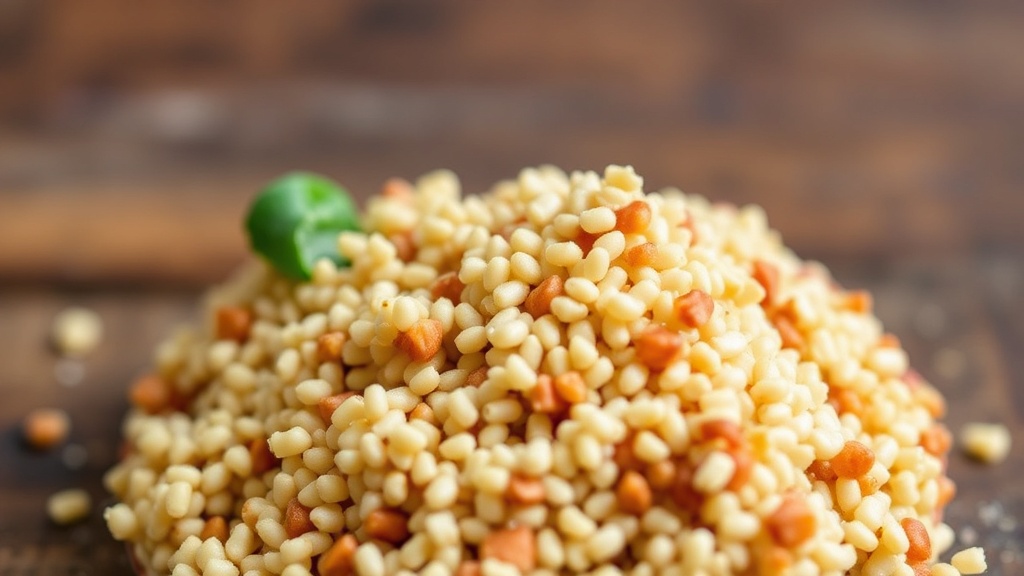
Soluble fiber is the main type linked to LDL-C and ApoB improvement. Good sources include oats, barley, beans, lentils, apples, citrus fruit, chia seeds, flaxseed, and psyllium.
For ApoB management, the most useful pattern is not simply “eat more fiber” but “replace lower-quality foods with soluble-fiber-rich foods.” For example, replacing refined breakfast cereal with oats or replacing a low-fiber lunch with beans, vegetables, and olive oil is likely to be more effective than adding a small amount of fiber without changing the rest of the diet.
Insoluble Fiber and Indirect Benefits
Insoluble fiber, found in whole grains, vegetables, nuts, seeds, and wheat bran, has less direct effect on LDL-C and ApoB. However, it supports bowel regularity, satiety, body weight control, and overall diet quality.
That indirect effect still matters. Weight loss and improved insulin sensitivity can lower ApoB in many people. Fiber helps make those changes easier to maintain because high-fiber meals are generally more filling and less energy-dense.
Practical Tips for Using Fiber to Manage ApoB
Increase Fiber Gradually
A practical target is to build toward roughly 25–30 grams of total fiber per day, with an emphasis on soluble fiber. Some people may benefit from higher intakes, but increasing too quickly can cause bloating, gas, or changes in bowel habits.
Start by adding one high-fiber habit at a time: oats at breakfast, beans or lentils at lunch, vegetables with two meals, chia or flaxseed in yoghurt, or psyllium mixed with water. Consistency matters more than occasional high-fiber meals.
Prioritise Foods That Also Support ApoB
The best fiber sources for ApoB are those that improve the overall dietary pattern. Useful options include:
- Oats and barley for beta-glucan
- Beans, lentils, and chickpeas for soluble fiber and plant protein
- Vegetables for volume, micronutrients, and metabolic health
- Fruit such as apples, berries, and citrus for soluble fiber and polyphenols
- Psyllium husk as a targeted soluble fiber supplement
If saturated fat intake is high, fiber alone may not be enough. Replacing butter, cream, fatty processed meats, and coconut oil with olive oil, nuts, seeds, avocado, and oily fish can make fiber’s lipid-lowering effect more meaningful. For a deeper look, see whether saturated fat raises ApoB.
Track ApoB, Not Just LDL-C
If the goal is ApoB reduction, test ApoB directly. LDL-C and non-HDL-C are useful, but ApoB gives a clearer view of atherogenic particle number. Retesting after 8–12 weeks of consistent dietary change can show whether fiber and other adjustments are working.
If ApoB remains high despite a high-fiber diet, consider other drivers: genetics, insulin resistance, thyroid status, high saturated fat intake, excess body fat, low physical activity, alcohol intake, and medication needs.
References and Resources
These resources provide further reading on fiber, cholesterol, lipoproteins, and ApoB-related cardiovascular risk.
Authoritative Sources on Fiber and ApoB
-
Centers for Disease Control and Prevention (CDC) – Cholesterol
cdc.govProvides an overview of cholesterol, cardiovascular risk, and lifestyle strategies for improving lipid health.
-
Nutrients Journal – Dietary Fiber and Lipoproteins
ncbi.nlm.nih.govA review discussing how dietary fiber can influence cholesterol metabolism and lipoprotein markers.
-
American Heart Association – Dietary Fats
heart.orgExplains how dietary fat quality affects lipid levels and cardiovascular risk.
-
Mayo Clinic – Cholesterol and Heart Disease
mayoclinic.orgPractical guidance on cholesterol management, including dietary approaches that support healthier lipid levels.
-
Harvard T.H. Chan School of Public Health – Fiber
hsph.harvard.eduClear explanation of fiber types, food sources, and health benefits.
-
WebMD – Fiber and Cholesterol
webmd.comPatient-friendly overview of how fiber can support healthier cholesterol levels.
Frequently Asked Questions
Frequently Asked Questions
Does fiber lower ApoB?
Yes, fiber can help lower ApoB modestly, mainly through soluble fiber’s effects on LDL-C, bile acid excretion, cholesterol absorption, and metabolic health. It is most effective when used consistently as part of a broader ApoB-lowering diet.
What type of fiber is best for ApoB?
Soluble fiber is the most relevant type for ApoB and LDL-related markers. Good sources include oats, barley, beans, lentils, apples, citrus fruit, chia seeds, flaxseed, and psyllium husk.
How much fiber should I eat to support lower ApoB?
A practical starting target is 25–30 grams of total fiber per day, with regular soluble fiber intake. Increase gradually and drink enough water to reduce digestive discomfort.
Is fiber enough if ApoB is high?
Fiber may help, but it may not be enough on its own if ApoB is significantly elevated. Saturated fat intake, insulin resistance, weight, genetics, exercise, and medication needs may also need to be addressed.
Can psyllium lower ApoB?
Psyllium can lower LDL-related markers and may help reduce ApoB in some people. It works best when taken consistently and combined with a heart-healthy diet rather than used as a substitute for broader lifestyle changes.
Conclusion
Fiber can help lower ApoB, especially when the focus is on soluble fiber from foods such as oats, barley, legumes, fruit, and psyllium. The effect is usually moderate, but it is meaningful because ApoB reflects the number of atherogenic particles involved in plaque formation and long-term cardiovascular risk.
The practical takeaway is simple: use fiber as a foundation, not a standalone cure. Combine higher soluble fiber intake with lower saturated fat, better insulin sensitivity, regular exercise, healthy body composition, and direct ApoB testing to see whether the strategy is working.
Find out more information about “Fiber Lower ApoB”
Search for more resources and information: