
Does Chronic Inflammation Shorten Lifespan?
TL;DR: Chronic low-grade inflammation is consistently associated with higher rates of cardiovascular disease, neurodegeneration, and earlier death — making it a meaningful risk factor for reduced lifespan. It is one contributor among several, and lifestyle choices including diet, exercise, sleep, and stress management have the strongest current evidence for keeping it in check.
Does Chronic Inflammation Shorten Lifespan?
Research strongly suggests that chronic low-grade inflammation is associated with a shorter lifespan and reduced healthspan. Unlike acute inflammation — the body’s short-term response to infection or injury — chronic inflammation persists silently over months and years, gradually damaging tissues and contributing to the development of serious age-related diseases. It is not a single cause of aging, but evidence consistently places it as a meaningful contributing factor.
Epidemiological studies have found that elevated inflammatory markers, such as C-reactive protein (CRP) and interleukin-6 (IL-6), are associated with higher all-cause mortality. However, it is important to note that association is not the same as direct causation. Chronic inflammation appears to accelerate biological aging rather than act as an independent switch — it is one piece of a more complex picture involving genetics, metabolic health, and cumulative lifestyle exposures.
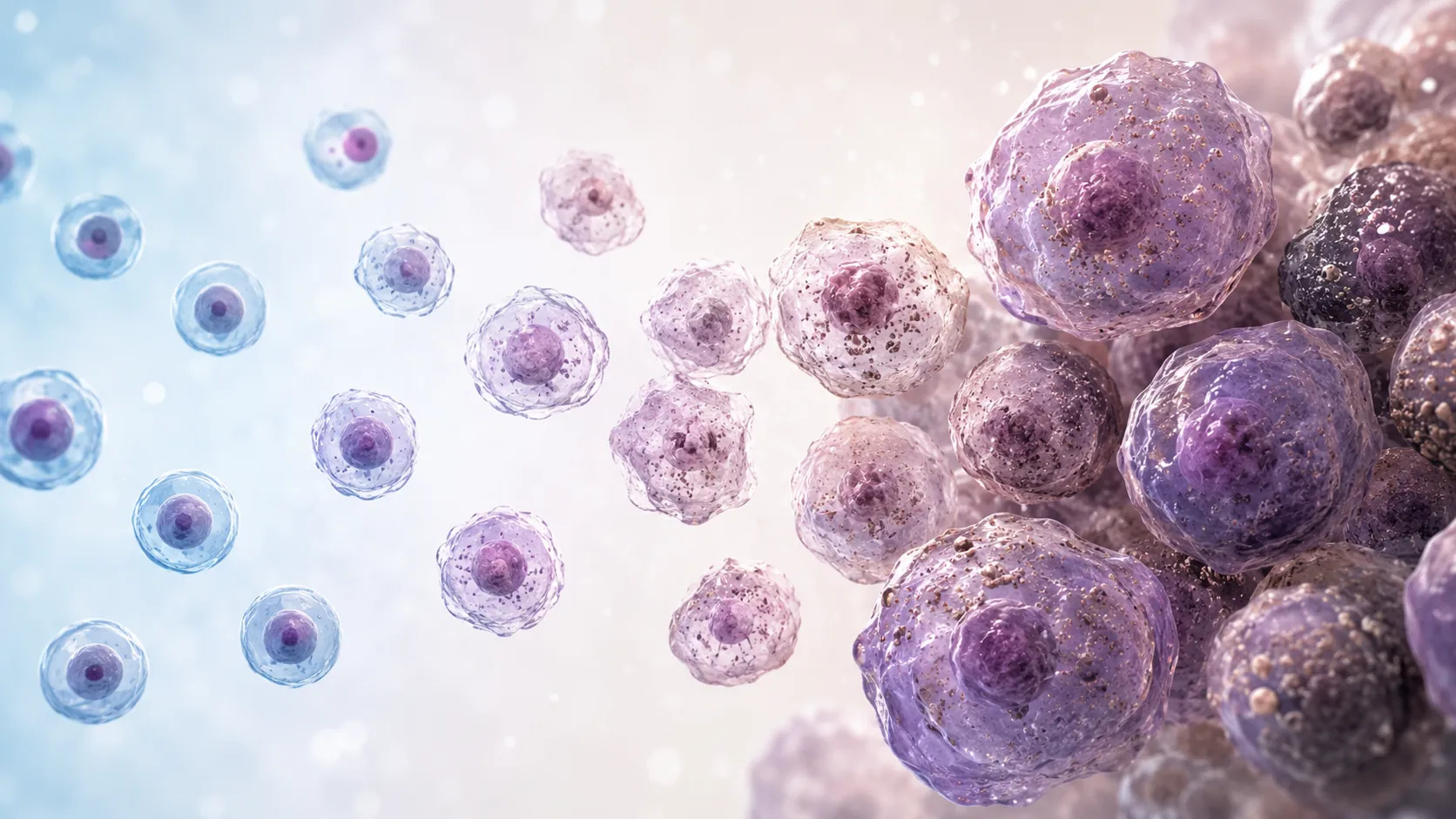
This process is so central to aging biology that researchers have given it a name: inflammaging — the gradual, low-grade inflammatory state that tends to develop as the immune system ages. For a broader view of how inflammation fits within immune aging overall, see our guide to immune aging and chronic inflammation.
How Chronic Inflammation Damages the Body Over Time
Chronic inflammation contributes to shortened lifespan primarily through its cumulative effects on the cardiovascular system, the brain, and cellular aging processes.
Cardiovascular damage is one of the most well-established pathways. Persistent inflammation promotes endothelial dysfunction — impairing the inner lining of blood vessels — and contributes to the development and instability of arterial plaques. Elevated CRP and IL-6 are associated with increased cardiovascular risk in large prospective studies, though a single elevated reading must be interpreted alongside other risk factors rather than in isolation.
Neurodegeneration is another significant pathway. Neuroinflammation — chronic immune activation within the brain — is implicated in the progression of conditions such as Alzheimer’s disease. As a result, systemic inflammation may not only damage peripheral tissues but also compromise long-term cognitive health.
At the cellular level, chronic inflammation accelerates several hallmarks of aging. It promotes oxidative stress, shortens telomeres, impairs mitochondrial function, and disrupts the body’s ability to clear damaged cells through autophagy. In this way, inflammation and biological aging reinforce each other — a cycle sometimes described as the inflammaging loop.
Importantly, inflammaging does not develop in isolation. It is closely linked to immunosenescence — the gradual decline in immune function with age — as well as to persistent viral infections such as CMV, gut dysbiosis, metabolic dysfunction, and accumulated cellular stress. Learn more about how these processes connect in our article on whether elevated CRP predicts early death.
Key Drivers of Chronic Low-Grade Inflammation
Diet and Metabolic Health
Diet is one of the most consistent drivers of systemic inflammation. Diets high in ultra-processed foods, refined sugars, and industrial seed oils promote pro-inflammatory signalling, partly by disrupting insulin sensitivity and the gut microbiome. In contrast, dietary patterns rich in whole foods, vegetables, oily fish, and fibre are associated with lower inflammatory markers across multiple study populations.
Excess visceral fat is particularly relevant. Adipose tissue — especially around the abdomen — is metabolically active and releases pro-inflammatory cytokines including tumour necrosis factor-alpha (TNF-α) and IL-6, contributing to a chronic low-grade inflammatory state even in the absence of diagnosed disease.
Sleep Deprivation and Chronic Stress
Poor sleep and chronic psychological stress are both well-established drivers of elevated inflammation. Sleep deprivation activates the hypothalamic-pituitary-adrenal (HPA) axis and disrupts circadian immune regulation, resulting in measurably higher inflammatory markers. Similarly, prolonged psychological stress sustains elevated cortisol, which over time impairs immune regulation rather than suppressing it.
Environmental Exposures
Long-term exposure to air pollution, cigarette smoke, and certain industrial chemicals is associated with elevated inflammatory markers and accelerated biological aging. These exposures appear to activate innate immune pathways, contributing to systemic rather than localised inflammation. Reducing exposure where possible is a reasonable and evidence-consistent step.
Persistent Infections and Gut Dysbiosis
Chronic viral infections — particularly cytomegalovirus (CMV) — are thought to contribute to inflammaging by maintaining persistent immune activation over decades. Similarly, gut dysbiosis, or an imbalanced gut microbiome, may impair mucosal immune regulation and increase intestinal permeability, allowing bacterial products to enter circulation and drive low-grade inflammation. Both areas are active in current research, and the evidence is promising though still developing. For more on this, see our article on whether gut dysbiosis impairs immunity.
Practical Strategies to Reduce Chronic Inflammation
Anti-Inflammatory Nutrition
The most consistent dietary evidence supports patterns rather than individual foods. A Mediterranean-style diet — emphasising vegetables, legumes, whole grains, oily fish, olive oil, and nuts — is associated with lower CRP and IL-6 levels in multiple studies. Omega-3 fatty acids, found in fatty fish and algae-based supplements, have anti-inflammatory effects supported by reasonably robust evidence, particularly for cardiovascular inflammation markers.
In contrast, reducing ultra-processed foods, refined carbohydrates, and excessive alcohol intake lowers the dietary drivers of inflammation. These changes also support insulin sensitivity and a healthier gut microbiome, both of which independently influence inflammatory tone.
Exercise
Regular moderate exercise is one of the most reliably anti-inflammatory lifestyle interventions available. Consistent physical activity lowers circulating IL-6 at rest, improves immune surveillance, and supports metabolic health — all mechanisms relevant to inflammaging. Both aerobic exercise and resistance training show benefit, though very high-intensity training without adequate recovery may transiently increase inflammation in some individuals.
Sleep Quality
Prioritising consistent, adequate sleep — generally seven to nine hours for most adults — is a direct lever for reducing inflammatory signalling. Evidence indicates that even short-term sleep restriction measurably elevates markers such as CRP and IL-6, while restoring sleep quality improves them. Sleep is not simply rest; it is a period of active immune regulation and tissue repair.
Stress Management
Chronic psychological stress sustains low-grade inflammation through HPA axis dysregulation and sympathetic nervous system activation. Practices such as mindfulness meditation, regular physical activity, social connection, and nature exposure have evidence behind their ability to lower stress-related inflammatory signalling. These are not fringe interventions — stress reduction is a mechanistically sound component of any inflammation management approach.
Limitations and Nuance
It is worth being clear about what current evidence does and does not support. Lifestyle changes can measurably reduce inflammatory markers and are associated with better long-term health outcomes — but no intervention has been proven to reverse inflammaging entirely or guarantee a longer life. Genetics, pre-existing conditions, and cumulative history all matter. The evidence base for specific supplements (such as vitamin C, zinc, selenium, or curcumin) as anti-inflammatory agents in otherwise healthy adults is weaker than for the foundational lifestyle factors described above.
Overall, chronic inflammation is best understood as a modifiable risk factor — one that can be meaningfully reduced through consistent habits, but not one that operates in isolation from the rest of aging biology. Learn more in our complete guide to longevity.
References and Resources
The following sources provide authoritative background on chronic inflammation, inflammaging, and their relationship to lifespan and disease risk.
Authoritative Sources on Chronic Inflammation and Lifespan
-
CDC — Inflammation and Chronic Disease
cdc.govAn overview of how chronic inflammation contributes to major chronic diseases, including cardiovascular disease and diabetes.
-
National Center for Biotechnology Information — Inflammation and Aging
nih.govA peer-reviewed article examining the mechanisms linking chronic inflammation to biological aging and potential intervention targets.
-
WHO — Healthy Living and Chronic Diseases
who.intGlobal guidance on lifestyle factors that reduce chronic disease risk, including inflammatory conditions.
-
Healthline — Inflammation and Diet
healthline.comAn accessible summary of dietary patterns and specific foods associated with lower inflammatory markers.
-
WebMD — Understanding Inflammation
webmd.comA clear overview of what inflammation is, how it affects the body, and evidence-based approaches to managing it.
-
NIH — Inflammation and Longevity
nih.govResearch findings on the relationship between inflammatory signalling and lifespan outcomes in human populations.
-
American Academy of Family Physicians — Managing Chronic Inflammation
aafp.orgClinical guidance on identifying and addressing chronic inflammation in a primary care context.

-
The Lancet — Inflammation as a Longevity Target
thelancet.comA peer-reviewed analysis of inflammation’s role in aging and the therapeutic strategies currently under investigation for extending healthspan.
Frequently Asked Questions
Does chronic inflammation truly shorten lifespan?
The evidence consistently associates chronic low-grade inflammation with higher rates of cardiovascular disease, neurodegeneration, and all-cause mortality. However, it functions as one contributing risk factor among several — including genetics, metabolic health, and lifestyle — rather than as a single determinant of lifespan. The association is strong and biologically plausible, but it would be an overstatement to say inflammation alone determines how long a person lives.
Can reducing chronic inflammation help extend lifespan?
Reducing chronic inflammation through diet, exercise, sleep, and stress management is associated with better long-term health outcomes and lower disease risk. Whether this directly translates to a longer lifespan is harder to prove in controlled human studies, but the mechanistic and epidemiological evidence supports these interventions as meaningful steps toward healthier aging.
What lifestyle changes are most effective for reducing chronic inflammation?
The strongest evidence supports four areas: an anti-inflammatory dietary pattern (such as a Mediterranean-style diet), regular moderate exercise, consistent adequate sleep, and chronic stress reduction. These are not isolated tactics — they work together to lower circulating inflammatory markers and support the immune regulation that declines with age.
Is there a definitive answer on whether chronic inflammation shortens lifespan?
Current evidence strongly suggests that chronic inflammation contributes to shortened lifespan by accelerating biological aging and increasing the risk of fatal diseases. That said, the relationship is probabilistic rather than deterministic — not everyone with elevated inflammatory markers will die early, and other factors also shape longevity. What the evidence does support clearly is that lower systemic inflammation is consistently associated with better health outcomes across multiple populations.
Conclusion
Chronic low-grade inflammation is a well-established contributor to accelerated biological aging and increased disease risk. Through its effects on the cardiovascular system, the brain, and cellular function, persistent inflammation creates cumulative damage that is associated with earlier death in large-scale studies. Importantly, it does not act in isolation — it is linked to immunosenescence, gut dysbiosis, persistent viral infections, poor metabolic health, and lifestyle factors that compound over time.
The most practical implication is that chronic inflammation is, to a meaningful degree, modifiable. Diet quality, regular exercise, sleep, and stress management all have genuine evidence behind their ability to reduce inflammatory markers and support healthier aging. No supplement or single intervention has been shown to reverse inflammaging, but the cumulative effect of consistent healthy habits is both biologically plausible and supported by current research.
Understanding chronic inflammation as a risk factor — rather than an inevitable fate — is the most useful framing. It is one of several levers worth addressing in any serious approach to longevity and healthspan.
Find out more information about chronic inflammation and lifespan
Search for more resources and information: