Does Hiit Disrupt Sleep?
Does HIIT Disrupt Sleep?
TL;DR: HIIT can disrupt sleep if it is too intense, too late in the evening, or poorly recovered from. For most people, HIIT is compatible with good sleep when scheduled earlier in the day and balanced with proper recovery.
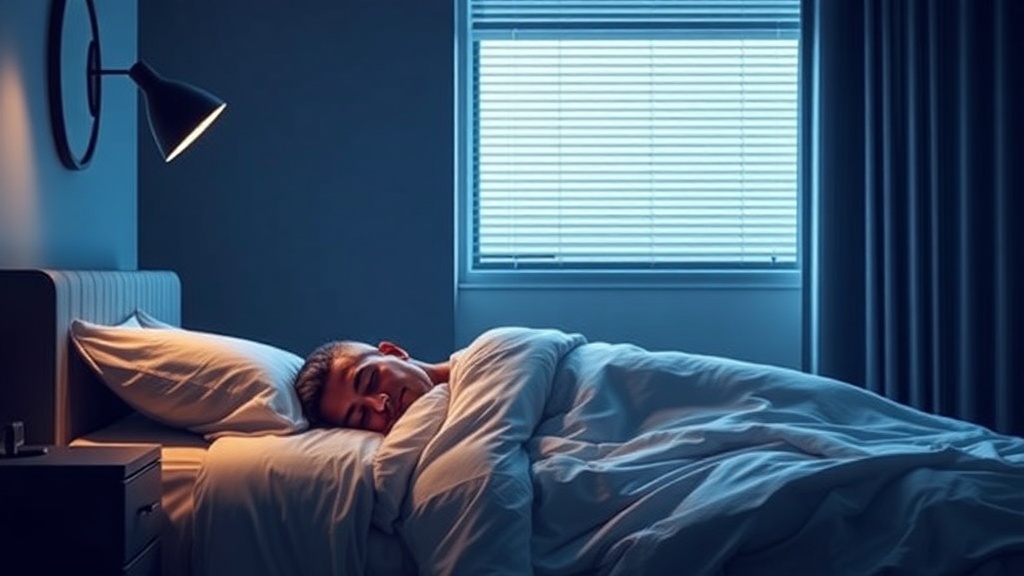
HIIT can disrupt sleep in some people, but it is not automatically bad for sleep. The main issue is timing and intensity: high-intensity interval training raises heart rate, body temperature, adrenaline, and nervous system arousal, which can make it harder to fall asleep if performed too close to bedtime.
When HIIT is done earlier in the day, it may support better fitness, metabolic health, and sleep quality. The goal is not to avoid HIIT entirely, but to place it intelligently within a sleep-friendly routine.
For broader sleep guidance, see our guide to the best sleep protocol for longevity. Learn more in our complete guide to longevity.
Does Doing HIIT Really Disrupt Sleep?
HIIT may disrupt sleep when the session is very intense, performed late at night, or added on top of high stress, poor recovery, or insufficient food intake. In these situations, the body may remain too stimulated to transition easily into sleep.
However, HIIT does not affect everyone the same way. Some people tolerate evening exercise well, while others notice lighter sleep, delayed sleep onset, or waking during the night after late high-intensity sessions.
Why HIIT Can Leave the Body Too Alert
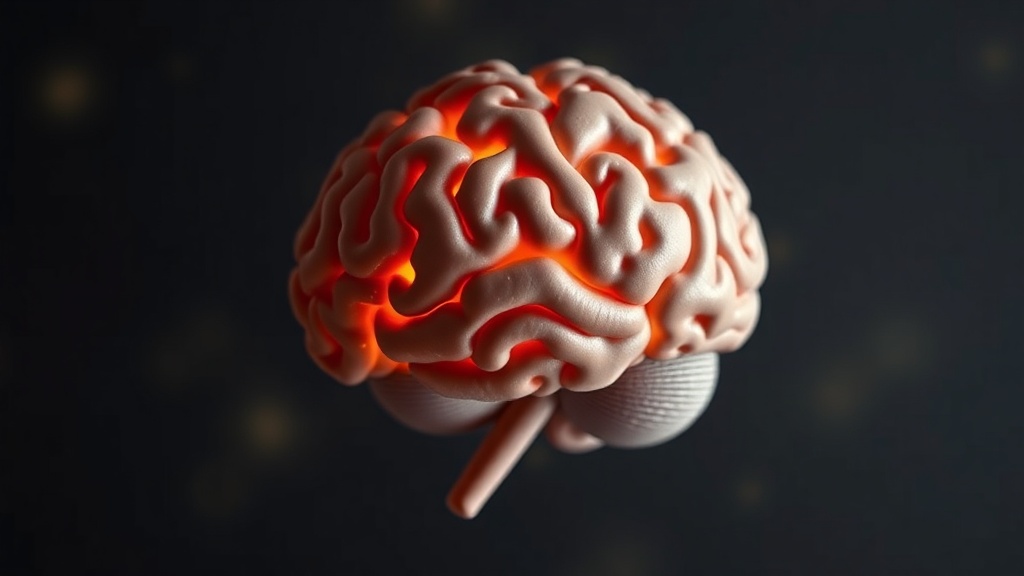
HIIT activates the sympathetic nervous system, which is the “fight or flight” branch of the nervous system. This can temporarily increase adrenaline, cortisol, breathing rate, heart rate, and body temperature.
These effects are useful during training, but they can interfere with sleep if the body has not had enough time to cool down and return to a calmer state before bed.
How Timing and Intensity of HIIT Affect Sleep
The closer HIIT is performed to bedtime, the more likely it is to affect sleep in sensitive individuals. A hard session within one to two hours of bed may make it harder to fall asleep, especially if it involves maximal sprints, heavy circuits, or highly competitive effort.
Finishing HIIT at least 3–4 hours before bed is often a useful starting point. Some people may need a longer gap, while others may tolerate evening sessions if the intensity is controlled.
How Does Workout Intensity Play a Role?
The harder the session, the greater the recovery demand. Very intense HIIT can create more nervous system arousal, muscle damage, and post-exercise heat production than moderate exercise.
If sleep worsens after HIIT, the issue may not be HIIT itself but the dose. Shorter intervals, fewer rounds, longer rest periods, or lower intensity may preserve the fitness benefits while reducing sleep disruption.
For comparison, regular moderate exercise often improves sleep quality. See our related article on whether exercise improves sleep quality.
Practical Tips to Minimize HIIT’s Impact on Sleep
Timing Is Everything
Schedule HIIT earlier in the day whenever possible, especially if sleep is already fragile. Morning, lunchtime, or early evening sessions usually give the body more time to downshift before bed.
If evening is the only available time, keep the session shorter and avoid all-out efforts. A proper cool-down can also help the nervous system transition toward recovery.
Adjust Workout Intensity and Duration
HIIT does not need to be maximal to be effective. For sleep-sensitive people, a slightly lower intensity session may be more sustainable than repeatedly pushing to exhaustion.
Useful adjustments include reducing total intervals, extending recovery periods, avoiding late-night sprint work, and limiting HIIT frequency to allow better recovery.
Cool Down Properly
A short cool-down can help lower heart rate and body temperature. Gentle walking, relaxed cycling, stretching, and slow breathing may make it easier to shift from training mode into rest mode.
Support Recovery Outside the Workout
Poor recovery can make HIIT more likely to interfere with sleep. Adequate nutrition, hydration, rest days, and a consistent sleep schedule all help the body adapt to training.
Bedroom environment also matters. If HIIT raises body temperature late in the day, a cool sleep environment may help. See whether a cold bedroom temperature improves sleep.
When to Avoid HIIT for Better Sleep
Signs That Your HIIT Routine Is Affecting Your Sleep
HIIT may be affecting sleep if it regularly leads to difficulty falling asleep, waking during the night, elevated resting heart rate, lower HRV, morning fatigue, irritability, or poor workout recovery.
If these signs appear, reduce HIIT frequency, move sessions earlier, lower intensity, or replace some sessions with walking, zone 2 cardio, mobility work, or strength training at a manageable pace.
When Extra Caution Makes Sense
People with insomnia, high stress, overtraining symptoms, shift work, poor recovery, or cardiovascular concerns may need to be more careful with intense evening exercise. In these cases, lower-intensity exercise may be a better sleep-supportive option.
HIIT can be valuable for fitness and metabolic health, but it should not come at the cost of consistently poor sleep. Sleep is a core recovery signal, not an optional extra.
References and Resources
The following resources provide further context on physical activity, HIIT, sleep quality, training recovery, and exercise timing.
Authoritative Sources on HIIT and Sleep
-
CDC – Physical Activity and Health
cdc.govProvides general guidance on the health benefits of physical activity and how exercise supports overall wellbeing.
-
NIH – Exercise and Sleep: A Review
nih.govReviews how different exercise patterns may affect sleep quality and recovery.
-
Healthline – Exercise & Sleep
healthline.comOffers practical advice on exercise timing and sleep quality.
-
ACE Fitness – HIIT and Sleep
acefitness.orgDiscusses how to structure high-intensity training without compromising sleep.
-
Sleep Foundation – Physical Activity & Sleep
sleepfoundation.orgExplains the relationship between physical activity, sleep quality, and exercise timing.
-
Science Daily – Exercise and Sleep Quality
sciencedaily.comSummarizes research on exercise intensity, timing, and sleep outcomes.
-
NCAA – Sleep & Athletic Performance
ncaa.orgExplains the importance of sleep for recovery, performance, and intense training adaptation.

-
Medical News Today – Exercise and Sleep
medicalnewstoday.comProvides accessible information on how exercise may influence sleep quality.
FAQ: Your Questions About HIIT and Sleep
Frequently Asked Questions
Does doing HIIT late in the day always disrupt sleep?
No. Late HIIT does not disrupt sleep for everyone, but it can for people who are sensitive to evening stimulation, high body temperature, or elevated heart rate before bed.
Can I do HIIT without disrupting my sleep cycle?
Yes. HIIT is less likely to disrupt sleep when it is done earlier in the day, kept to an appropriate intensity, and supported with proper cool-down and recovery.
What strategies can I use to avoid HIIT disrupting my sleep?
Finish HIIT at least 3–4 hours before bed, reduce intensity if needed, cool down properly, avoid overtraining, and monitor whether your sleep improves when you adjust timing.
Is HIIT disrupting sleep a myth or a real concern?
It is a real concern for some people, but not a universal rule. HIIT can improve fitness and health, but late or excessive high-intensity training may interfere with sleep in sensitive individuals.
Does the body adapt over time to HIIT?
Often, yes. As fitness improves, the same HIIT session may feel less stressful. However, recovery still matters, and poor sleep is a sign that training load or timing may need adjusting.
Conclusion
HIIT can disrupt sleep, but mainly when it is too intense, too late, or poorly recovered from. It is not inherently bad for sleep, and many people can use HIIT successfully without sleep problems.
The most practical approach is to schedule HIIT earlier in the day, moderate the intensity when needed, cool down properly, and monitor how sleep responds. If sleep becomes lighter or harder to initiate, adjust the session timing or replace late HIIT with gentler movement.
For longevity and healthspan, HIIT can be useful, but it should support—not undermine—recovery and sleep quality.
Find out more information about “does HIIT disrupt sleep”
Search for more resources and information: