Is Psychological Flexibility Linked to Healthspan?
Psychological Flexibility and Healthspan
TL;DR: Psychological flexibility may support healthspan by helping people manage stress, adapt to change, and maintain healthier behaviors over time. Evidence suggests it is linked to better mental health and may indirectly support healthier aging, but it is one part of a broader longevity picture.
Yes, psychological flexibility may help support healthspan. It is the ability to stay aware of thoughts and emotions without being dominated by them, while still acting in line with long-term values and goals. This matters for healthy aging because better stress regulation, stronger resilience, and more consistent health habits can all influence mental well-being, metabolism, cardiovascular health, and overall quality of life.
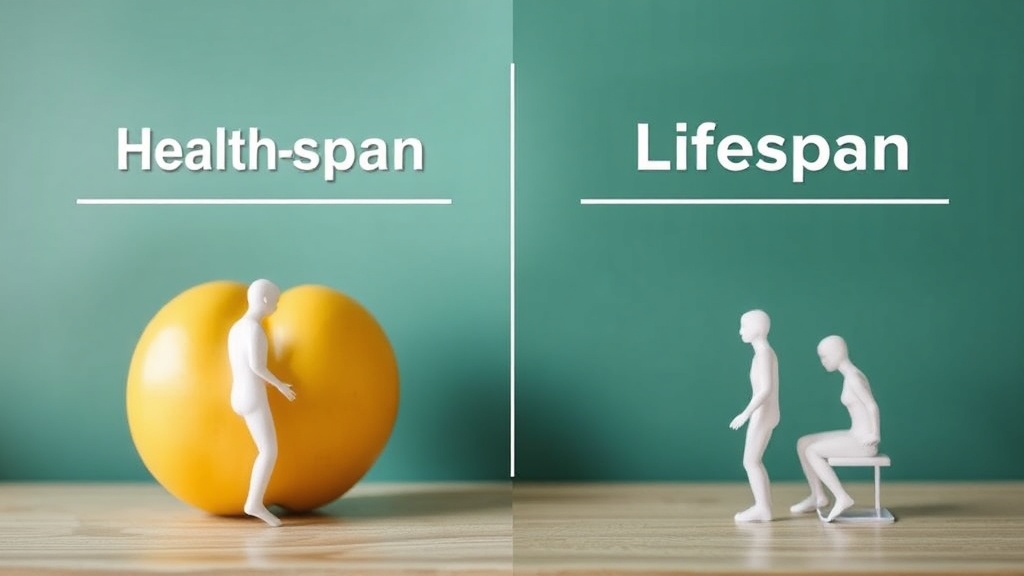
Healthspan refers to the years lived in relatively good health, not simply lifespan. Psychological flexibility does not directly guarantee longevity, but it may improve how people respond to stress, setbacks, illness, and behavior change. That makes it a useful concept within a broader healthy aging strategy that also includes exercise, sleep, nutrition, social connection, and regular biomarker monitoring.
In practical terms, psychologically flexible people are often better able to recover from disruption, tolerate discomfort, and make decisions that support long-term health instead of short-term relief. That pattern may help protect both mental and physical function over time.
How Psychological Flexibility May Support Healthy Aging
Stress regulation and the mind-body connection
One of the clearest ways psychological flexibility may support healthspan is through stress regulation. Chronic psychological stress is associated with worse metabolic health, poorer sleep, higher blood pressure, low mood, and reduced quality of life. When a person can notice difficult thoughts and feelings without becoming stuck in them, stress may become easier to manage.
This does not mean stress disappears. It means the response to stress may become less rigid and less overwhelming. Over time, that may help reduce the wear and tear associated with persistent emotional strain. Since chronic stress can affect inflammation, behavior, and recovery, improving psychological flexibility may indirectly support healthier aging.
Emotional regulation and daily decision-making
Psychological flexibility is closely related to emotional regulation. People who can pause, reflect, and respond intentionally are often better able to avoid destructive patterns such as rumination, avoidance, emotional eating, or giving up when routines are disrupted.
That matters because healthspan is shaped by repeated daily behaviors. A flexible mindset can make it easier to stay active, maintain routines, return to exercise after a setback, and make better long-term choices. These habits influence endurance, metabolism, body composition, and other biomarkers associated with healthy aging.
Resilience, function, and quality of life
Healthy aging is not only about avoiding disease. It is also about maintaining function, independence, and a sense of purpose. Psychological flexibility may help people adjust to pain, uncertainty, changing roles, and physical limitations without losing engagement in life.
That resilience can be especially important with age, when change becomes more common. A more flexible response may support mental health, social connection, and consistent self-care, all of which contribute to healthspan even when life does not go to plan.
Learn more in our complete guide to longevity.
What the Research Suggests
Evidence from behavioral and clinical psychology
Research suggests that higher psychological flexibility is associated with better mental health, lower experiential avoidance, and improved coping across many populations. This is one reason it is a central idea in Acceptance and Commitment Therapy, often called ACT. Evidence indicates that interventions designed to improve psychological flexibility can help reduce stress, anxiety, and depressive symptoms, which may indirectly support better long-term health.
That does not mean researchers have proven a direct, single pathway from psychological flexibility to longer life. The better-supported claim is that psychological flexibility appears to improve emotional functioning and behavior, both of which influence health over time.
Why this may matter for healthspan
The link to healthspan is biologically plausible, even if it is not simple. Chronic distress can affect sleep, appetite, blood pressure, immune signaling, and metabolic function. It can also reduce adherence to healthy behaviors such as exercise, medication use, and social engagement. By improving adaptability and reducing rigid stress responses, psychological flexibility may help lower some of these risks.
For example, a person with greater flexibility may be more likely to resume exercise after illness, stick with rehabilitation, or accept temporary discomfort while pursuing meaningful habits. Those behavior patterns can influence endurance, metabolic health, and overall resilience with age.
Important limitations and nuance
Psychological flexibility should not be treated as a magic solution. Healthspan is shaped by many factors, including genetics, socioeconomic conditions, sleep, diet, exercise, access to care, and chronic disease risk. Mental adaptability is best viewed as one supportive factor within a wider healthy aging framework.
It is also important to avoid overstating the evidence. Studies often show associations, and some intervention trials show improved well-being, but not every study measures hard aging outcomes directly. A balanced conclusion is that psychological flexibility is promising, useful, and relevant to healthspan, but not a standalone determinant of longevity.
Practical Ways to Improve Psychological Flexibility
Use mindfulness to notice without reacting
Mindfulness can help build psychological flexibility by training attention. The goal is not to empty the mind, but to notice thoughts, sensations, and emotions without automatically reacting to them. Even a few minutes of daily practice may help create more space between a trigger and a response.
Simple options include breath awareness, body scans, or brief check-ins during stressful moments. Consistency matters more than duration. A short daily practice is often more realistic and sustainable than occasional long sessions.
Challenge rigid thinking patterns
Cognitive flexibility can be strengthened by learning to question all-or-nothing thinking. For example, missing one workout does not mean a routine has failed. A setback at work does not mean progress has stopped. Reframing situations in a more accurate and less extreme way can reduce stress and improve follow-through.
Helpful strategies include writing down automatic thoughts, identifying whether they are rigid or exaggerated, and replacing them with more balanced alternatives. Over time, this can support better decision-making and more stable health habits.
Practice acceptance alongside action
Acceptance does not mean resignation. It means recognizing discomfort, uncertainty, or frustration without letting it control behavior. This is important because many health-supporting actions involve some short-term discomfort, whether that is exercising when motivation is low, changing diet, or facing a difficult medical conversation.
A useful question is: what action fits my values, even if this moment is uncomfortable? That approach can improve resilience and make healthy behaviors more durable over time.
Build flexibility through real-life behavior
Psychological flexibility improves with practice, not just theory. Useful steps include trying new routines, tolerating minor uncertainty, having difficult but necessary conversations, and returning to meaningful habits after setbacks. These real-world actions help translate insight into lasting change.
When needed, structured support such as ACT-based therapy or coaching may also help. This can be especially useful for people dealing with chronic stress, anxiety, pain, or major life transitions that affect health behaviors and quality of life.
References and Resources
The following resources provide useful background on psychological flexibility, stress, resilience, and healthy aging. They can help answer broader questions about how mental adaptability may relate to healthspan and long-term well-being.
Authoritative Sources on psychological flexibility and healthspan
-
Acceptance and Commitment Therapy (ACT) and Aging
ncbi.nlm.nih.govDiscusses how ACT may improve psychological flexibility and why that can matter for coping, resilience, and aging-related well-being.
-
Why Mental Flexibility Is Key to Long-Term Well-Being
psychologytoday.comProvides an accessible overview of why mental adaptability may support long-term well-being and better responses to stress.
-
Stress, Resilience, and Aging
ncbi.nlm.nih.govExplores the relationship between stress, resilience, and aging, including why adaptive coping may matter for healthier aging.
-
Psychological Flexibility and Its Role in Health
ama-assn.orgExamines how psychological flexibility may support overall health, coping, and behavior change.
-
American Psychological Association: Flexibility in Psychology
apa.orgProvides a broader overview of psychological flexibility and why it is relevant to mental health and adaptive functioning.
-
Healthline: Psychological Flexibility and Aging
healthline.comSummarizes psychological flexibility in clear language and explains why it may matter for coping and healthy aging.

-
Mental Flexibility and Healthy Aging
psychologytoday.comFocuses on practical ways to improve mental flexibility and why that may benefit quality of life with age.
Frequently Asked Questions
Is psychological flexibility important for healthy aging?
Yes. Psychological flexibility may support healthy aging by improving stress management, emotional regulation, resilience, and consistency with healthy behaviors. It is not the only factor in healthspan, but it appears to be a useful one.
How can I improve psychological flexibility?
Common approaches include mindfulness, cognitive reframing, acceptance-based strategies, journaling, and therapy approaches such as ACT. The goal is to respond to thoughts and emotions more effectively rather than avoid them.
Is psychological flexibility proven to extend lifespan?
Not directly. Current evidence more strongly supports a link between psychological flexibility and better mental health, coping, and health behaviors. Those effects may help support healthspan, but they do not prove a direct increase in lifespan on their own.
What practical step can I start with today?
Start with a brief daily pause. Spend a few minutes noticing thoughts and feelings without reacting, then choose one action that supports your long-term health, such as walking, preparing a healthy meal, or keeping a sleep routine.
Conclusion
Psychological flexibility is linked to healthspan in a meaningful but nuanced way. Evidence suggests that people who adapt better to stress, regulate emotions more effectively, and stay engaged with valued behaviors may be better positioned for healthier aging. That link likely works through improved resilience, healthier habits, and better management of life’s inevitable challenges.
It is best understood as one part of a larger longevity strategy rather than a standalone solution. Combined with regular exercise, good sleep, sound nutrition, social connection, and attention to key biomarkers, psychological flexibility may help protect both well-being and function as people age.
Find out more information about “Psychological Flexibility Linked to Healthspan”
Search for more resources and information: