
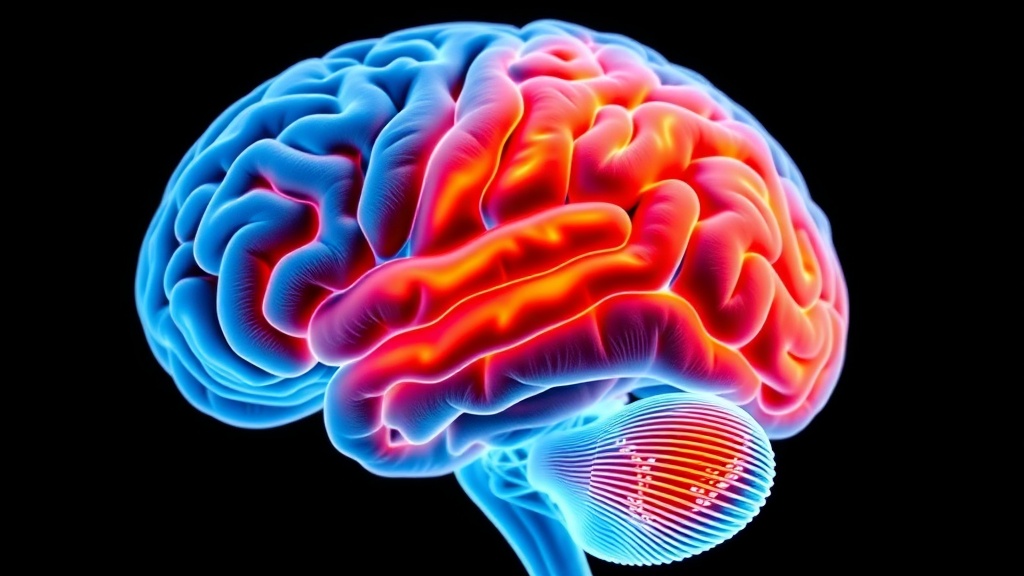
How Does Brain Volume Change With Age?
Understanding Brain Volume and Its Significance
Yes, brain volume changes with age. Some degree of brain shrinkage is a normal part of aging, and it tends to affect certain regions more than others, including areas involved in memory, attention, and executive function. However, the rate and impact vary widely depending on genetics, cardiovascular health, sleep, physical activity, and other lifestyle factors.
TL;DR: Brain volume usually decreases gradually with age, but the amount of loss differs from person to person. Healthy habits such as exercise, good sleep, cardiovascular risk control, and mental engagement may help slow age-related brain atrophy.
Brain volume refers to the size of brain tissue, including grey matter and white matter. It is often used as one marker of brain health because changes in volume can reflect aging, vascular health, neurodegeneration, and overall resilience. Learn more in our complete guide to longevity.
Importantly, some volume loss is expected with aging and does not automatically mean dementia or severe cognitive decline. The more useful question is whether the rate of change is within the normal range or is being accelerated by disease, poor metabolic health, or other modifiable factors.
What Happens to Brain Volume Over Time?
Research suggests that brain volume gradually declines across adulthood, with more noticeable changes often appearing later in life. This decline is not uniform. Some brain regions are more vulnerable than others, and changes in the hippocampus, frontal lobes, and white matter are especially relevant to aging and cognition.
The brain also changes in ways that are not captured by size alone. Aging affects synaptic density, blood flow, inflammation, myelin integrity, and network efficiency. That is why brain health cannot be judged by volume alone, even though brain atrophy is an important part of the picture.
Why Does Brain Volume Shrink as We Age?
Brain volume decreases with age because of several overlapping processes. These may include loss of neurons in some areas, reduced synaptic connections, changes in myelin, lower vascular efficiency, and cumulative biological stress over time.
This does not mean the aging brain stops adapting. Neuroplasticity continues throughout life, and the brain can still form new connections. That is one reason lifestyle factors such as exercise, learning, sleep, and cardiovascular health remain important even in later decades.
Does Brain Volume Change With Age?
Yes, brain volume changes with age in a broadly predictable pattern, but the pace differs between individuals. Research indicates that shrinkage tends to accelerate in later adulthood and may become more pronounced when metabolic disease, vascular disease, chronic stress, poor sleep, or neurodegenerative disorders are present.
That variation matters. Two people of the same age can show very different patterns of brain aging depending on blood pressure, glucose control, physical fitness, inflammation, and lifetime habits.
What Is Brain Atrophy and How Does It Relate?
Brain atrophy is the gradual loss of brain cells, connections, or tissue volume. It can happen as part of normal aging, but it can also be accelerated by conditions such as Alzheimer’s disease, stroke, hypertension, diabetes, traumatic brain injury, and chronic inflammation.
Some regional atrophy is especially relevant to memory and reasoning. For example, changes in the hippocampus are often linked with memory performance, while frontal lobe changes may affect planning, attention, and decision-making.
How Does Brain Volume Decrease Over the Years?
Brain volume usually decreases gradually rather than suddenly. In many people, the decline is modest in early adulthood and becomes more noticeable after midlife. White matter changes, small vessel disease, and reduced cerebral blood flow can all contribute to this process.
Not every reduction in brain volume leads to obvious symptoms. The brain often compensates well, especially when cognitive reserve is strong. Education, mental stimulation, social engagement, and physical fitness may all help preserve function despite structural aging.
The Process of Brain Atrophy Over Time
Which Parts of the Brain Are Most Affected?
Age-related atrophy often affects the frontal lobes, hippocampus, and white matter pathways. These areas are involved in memory, processing speed, planning, and executive function. Some decline in these regions is considered part of normal aging, but more rapid change may suggest disease or higher risk.
White matter integrity is also important because it affects communication between brain regions. Declining white matter health can influence attention, reaction time, and overall cognitive efficiency.
Does Faster Brain Atrophy Always Mean Cognitive Decline?
Not always. Structural brain changes and cognitive performance do not match perfectly in every person. Some people maintain strong cognitive function despite measurable brain volume loss, partly because of cognitive reserve and adaptive neural strategies.
However, faster or more severe atrophy does raise concern, especially when combined with worsening memory, confusion, loss of executive function, or changes in daily functioning. That is why context matters more than a single scan result.
Factors That Influence Brain Volume Decline
Genetics and Brain Aging
Genetics influence brain aging, but they do not determine everything. Some gene variants are associated with greater risk of neurodegenerative disease or faster structural decline. Family history can therefore provide useful context, especially when cognitive symptoms appear early or progress quickly.
Even so, genetics interact with lifestyle. Research suggests that exercise, blood pressure control, good sleep, and better metabolic health may help reduce risk even in people with higher inherited vulnerability.
Health Conditions and Their Impact
Cardiovascular and metabolic health strongly affect the brain. High blood pressure, diabetes, obesity, smoking, insulin resistance, and chronic inflammation can all contribute to faster brain atrophy and poorer cognition over time.
This is one reason brain aging is closely linked to the rest of the body. The brain depends on healthy blood flow, nutrient delivery, oxygenation, and metabolic stability. Problems in those systems can accelerate tissue loss and cognitive decline.
Sleep disorders, depression, alcohol misuse, and physical inactivity may also worsen brain aging. Addressing these factors can be an important part of protecting long-term brain health.
Can Lifestyle Choices Mitigate Brain Volume Loss?
The Role of Mental Stimulation and Physical Activity
Evidence indicates that regular physical activity is one of the most promising ways to support brain health with age. Aerobic exercise may improve blood flow, metabolic health, and neuroplasticity, while resistance training supports overall function and healthy aging more broadly.
Mental stimulation also matters. Learning, reading, problem-solving, and social interaction may help preserve cognitive reserve and support function even when some structural changes occur.
Diet, Sleep, and Stress Management
Diet quality, sleep, and stress regulation all influence brain aging. Diets rich in minimally processed foods, healthy fats, fibre, polyphenols, and key micronutrients are generally associated with better brain health. Good sleep supports memory consolidation, waste clearance, and recovery.
Chronic stress may worsen brain aging through inflammation, poor sleep, and hormonal strain. Stress management, regular movement, and recovery habits can therefore play a practical role in protecting cognitive health.
None of these habits guarantee zero brain volume loss, but they may help slow the rate of decline and improve healthspan. The goal is not to stop aging completely, but to make brain aging healthier and more resilient.
References and Resources
These resources provide useful background on brain aging, brain atrophy, cognition, and modifiable risk factors.
Authoritative Sources on Brain Volume and Aging
-
National Institute on Aging: Brain Aging
nia.nih.govProvides an overview of how the brain changes with age and what habits may support healthier cognitive aging.
-
Neuroimaging Studies on Brain Volume and Aging
ncbi.nlm.nih.govReviews neuroimaging evidence on brain structure, aging, and atrophy patterns across adulthood.
-
American Psychological Association: Brain and Aging
apa.orgOffers practical advice on brain health, cognition, and aging-related changes in function.
-
Johns Hopkins Medicine: Brain Atrophy
hopkinsmedicine.orgExplains brain atrophy, its causes, and how it relates to aging and neurological disease.
-
Alzheimer’s Association: Science and Brain Aging
alz.orgProvides research updates on neurodegeneration, dementia risk, and structural brain changes.
-
NIH: Aging and Brain Health
nih.govCovers recent research on brain structure, cognition, and aging-related health factors.
-
Scientific American: How the Brain Ages
scientificamerican.comA readable explanation of the biology of brain aging and what influences long-term cognitive health.

-
WHO: Dementia and Brain Health
who.intProvides a global perspective on dementia risk, prevention, and brain health across the lifespan.
Frequently Asked Questions
Frequently Asked Questions
Does brain volume decrease significantly with age?
Some decrease is normal with age, but the amount varies. In healthy aging, the decline is usually gradual, while faster or more severe atrophy may suggest vascular disease, neurodegeneration, or other health problems.
How can I tell if my brain volume is declining?
Brain volume is usually assessed with imaging such as MRI rather than by symptoms alone. Memory problems, slower thinking, or concentration difficulties may prompt evaluation, but only imaging and clinical assessment can show structural change more directly.
Can lifestyle changes prevent brain volume loss?
They may not prevent all loss, but they can help slow it. Regular exercise, good sleep, better cardiovascular health, mental stimulation, and a healthy diet are all linked with better brain aging outcomes.
Does brain volume loss always lead to cognitive decline?
No. Some people maintain strong cognitive function despite measurable brain shrinkage. Cognitive reserve, education, social engagement, and overall health can help preserve function even when structural changes occur.
How does brain volume change with age affect memory?
Memory can be affected when age-related changes involve areas such as the hippocampus. However, memory performance depends on more than volume alone, and healthy habits may help preserve function even when some shrinkage occurs.
Conclusion
Brain volume does change with age, and some shrinkage is a normal part of getting older. The key issue is not whether any loss occurs, but how fast it happens and whether other risk factors are accelerating the process.
Genetics matter, but so do everyday habits. Physical activity, sleep, diet, mental stimulation, and control of vascular and metabolic health may all help support brain structure, cognition, and healthspan over time. While brain aging cannot be stopped entirely, it can often be influenced in meaningful ways.
Find out more information about “Does Brain Volume Change With Age”
Search for more resources and information: