Does Dance Improve Hrv and Autonomic Balance?
Introduction
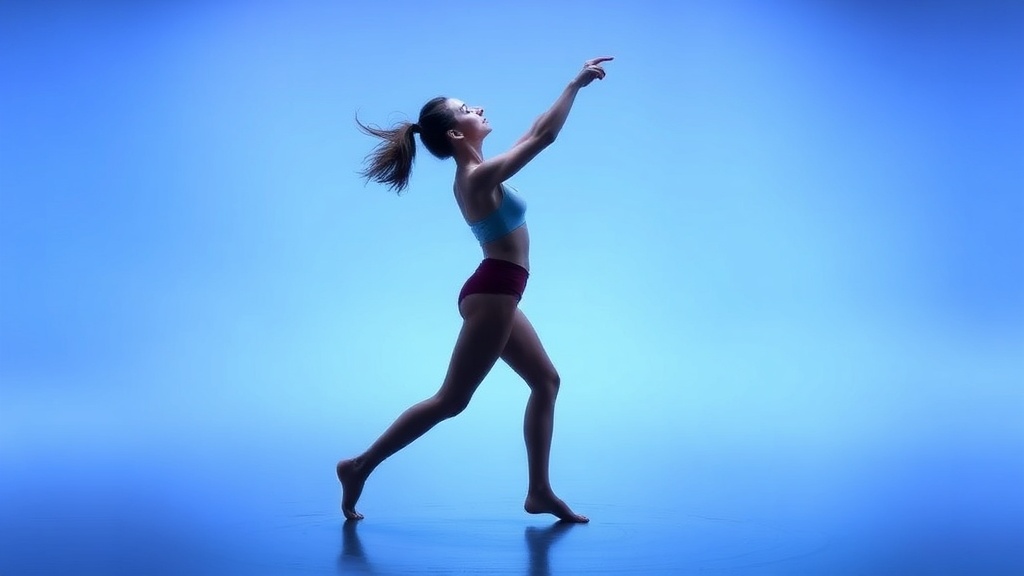
Dance may improve HRV and autonomic balance, especially when it is practiced regularly at a moderate, enjoyable intensity. Research suggests that dance can reduce stress, support parasympathetic activity, and improve nervous system flexibility, although results vary by dance style, fitness level, and overall health.
TL;DR: Dance can support heart rate variability (HRV) and autonomic balance by combining aerobic movement, rhythm, coordination, and emotional engagement. The best results usually come from consistent, enjoyable dance sessions that improve fitness while helping the body shift out of chronic stress mode.
That matters because HRV is often used as a marker of how well the body adapts to stress and recovery. A healthier autonomic balance means the sympathetic and parasympathetic branches of the nervous system are working in better coordination rather than remaining stuck in a fight-or-flight pattern.
Dance is particularly interesting because it combines exercise, music, coordination, and emotional expression. Unlike repetitive workouts, it can engage the brain and body at the same time, which may support stress resilience, cardiovascular health, mood, and long-term healthspan. Learn more in our complete guide to longevity.
Understanding HRV and Autonomic Balance
What is HRV and Why Does It Matter?
Heart rate variability, or HRV, refers to the natural variation in time between heartbeats. A higher HRV generally reflects a more adaptable nervous system, while persistently low HRV may be associated with stress, poor recovery, illness, or reduced cardiovascular resilience.
HRV matters because it offers a practical window into recovery status and autonomic function. It is not simply a fitness metric. It also reflects how the body responds to sleep, exercise, emotional strain, inflammation, and overall lifestyle. In healthy aging, better HRV is often associated with stronger resilience and more flexible stress regulation.
What is Autonomic Balance?
The autonomic nervous system regulates involuntary functions such as heart rate, breathing, blood pressure, and digestion. It includes the sympathetic branch, which supports alertness and fight-or-flight responses, and the parasympathetic branch, which supports rest, recovery, and digestion.
Autonomic balance does not mean one branch is always dominant. It means the nervous system can shift appropriately between activation and recovery. Chronic stress, poor sleep, low fitness, and illness can push that balance in the wrong direction. Activities that improve autonomic regulation may help the body recover more efficiently and maintain better cardiovascular and metabolic health.
The Impact of Dance on HRV and Autonomic Balance
Can Dancing Enhance HRV?
Dance may improve HRV by combining moderate cardiovascular exercise with rhythm, enjoyment, and stress reduction. Research suggests that regular movement improves vagal tone and recovery capacity, both of which are closely tied to HRV. When dance is enjoyable rather than exhausting, it may be especially supportive of nervous system regulation.
Dance can also promote adherence more effectively than many formal exercise routines. That matters because long-term consistency often has a bigger effect on HRV than short bursts of intense effort. A sustainable activity that supports endurance, mood, and recovery is more likely to improve autonomic health over time.
How Does Dance Influence Autonomic Balance?
Dance may influence autonomic balance through several pathways. It raises heart rate enough to improve cardiovascular conditioning, but it can also reduce psychological stress through music, coordination, social connection, and emotional expression. That combination may help the body move more easily between activation and recovery.
Rhythmic movement and breathing patterns may also support parasympathetic regulation, especially in slower dance styles or sessions that end in a relaxed state rather than exhaustion. In practice, the greatest benefit often comes from dance that is challenging enough to improve fitness but not so intense that it keeps the nervous system in a prolonged stress state.
Practical Tips and Real-World Application
How to Use Dance to Support HRV
The simplest approach is to choose a dance style that feels enjoyable and sustainable. Moderate-intensity styles that involve continuous movement, coordination, and rhythm may be particularly helpful. Examples include social dance, dance-based fitness classes, freestyle movement at home, or structured styles such as salsa, ballroom, or contemporary dance.
For many people, three to five sessions per week of 15 to 40 minutes can be a realistic starting point. The goal is not perfection or performance. It is consistent movement that improves endurance, reduces stress, and leaves the body feeling more regulated rather than depleted.
Practical Tips for Better Autonomic Results
Dance is more likely to improve HRV and autonomic balance when it is paired with good recovery habits. Sleep, hydration, nutrition, and stress management all influence how the nervous system responds to exercise. If recovery is poor, even enjoyable dance sessions may not raise HRV in a meaningful way.
It can also help to finish dance sessions with a short cooldown, slower breathing, or gentle stretching. That encourages a shift toward parasympathetic recovery rather than stopping abruptly in a stimulated state. Over time, that pattern may support better autonomic flexibility and a healthier resting profile.
How to Track Progress
Wearables and HRV apps can make it easier to notice patterns. Instead of focusing on one reading, it is better to track trends over time. If regular dance is followed by better sleep, improved mood, lower resting heart rate, or gradually better HRV averages, that suggests the routine is supporting recovery and autonomic health.
It is also worth paying attention to subjective signs: calmer mood, reduced tension, better emotional regulation, and improved stamina. These practical outcomes matter, especially because HRV is only one part of the broader picture of healthy aging and exercise recovery.
Scientific Evidence Supporting Dance and Autonomic Health
Research on Dance and Heart Rate Variability
Evidence suggests that dance can improve cardiovascular fitness, mood, and stress regulation, all of which may contribute to better HRV. Some studies have reported improvements in autonomic function after dance-based interventions, especially in older adults and clinical populations. These effects may reflect both the physical demands of dance and its emotional and social components.
That said, HRV responses are not identical across all dance programs. Intensity, session duration, dance style, training status, and baseline health all matter. A gentle, enjoyable routine may benefit autonomic balance differently than a highly competitive or exhausting class.
Why Dance May Work So Well
Dance is unusual because it blends exercise with rhythm, memory, coordination, and often social interaction. This can create benefits that extend beyond standard aerobic activity. The nervous system is not just responding to physical workload. It is also responding to enjoyment, novelty, and emotional engagement.
That broader effect may help explain why dance is often associated with benefits for mood, cognition, balance, and stress recovery as well as cardiovascular function. In the context of healthy aging, that makes it a useful option for people who want movement that supports both body and brain.
FAQs about Dance Improve HRV and Autonomic Balance
Frequently Asked Questions
Dance may benefit people of all ages, but it can be especially useful for adults looking to improve recovery, reduce stress, and maintain cardiovascular health with age. The best style is usually the one that feels enjoyable and sustainable enough to practice consistently.
Can I see measurable improvements in HRV from dancing regularly?
Possibly. Some people see gradual improvements in HRV with consistent dance practice, particularly when dance improves fitness and reduces stress. Results are usually easier to detect when dance is combined with adequate sleep, good recovery, and regular measurement over time.
Is it necessary to dance intensely to see benefits for HRV and autonomic balance?
No. Moderate, enjoyable dance is often more helpful than overly intense sessions that leave the body overstimulated or poorly recovered. The goal is to build fitness and resilience without creating unnecessary stress load.
How long should I dance to see improvements in HRV and autonomic balance?
Even 15 to 20 minutes several times per week may help, especially for beginners. The most important factor is consistency. Benefits are more likely when dance becomes a regular part of a broader healthy lifestyle rather than an occasional burst of exercise.
References and Resources
Throughout research on Dance Improve HRV and Autonomic Balance, the following resources are often useful for understanding the relationship between movement, stress regulation, and cardiovascular recovery:
Authoritative Sources on Dance Improve HRV and Autonomic Balance
- Dance and Heart Rate Variability: A Review
ncbi.nlm.nih.gov
Reviews how dance interventions may affect HRV and autonomic regulation across different groups and settings.
- Dance Moves for Heart Health
heart.org
Discusses cardiovascular benefits of dance and its value as an enjoyable form of physical activity.

- Dance and Emotional Regulation: Neural and Physiological Perspectives
frontiersin.org
Explores how dance influences mood, emotional regulation, and physiological stress responses.
- Healing Arts and Nervous System Health
ahrq.gov
Provides broader context on how expressive movement and arts-based practices may support stress regulation and well-being.
- Stress and Anxiety Management
psychiatry.org
Summarizes how movement and behavioral strategies can help regulate stress and support autonomic health.
- The Therapeutic Power of Dance
psychologytoday.com
Discusses how dance may support emotional regulation and stress relief through movement.
- Physical Activity and Heart Rate Variability
thelancet.com
Examines how physical activity influences HRV and autonomic nervous system regulation.
Conclusion
Dance may improve HRV and autonomic balance by combining physical activity with rhythm, coordination, enjoyment, and emotional expression. That combination can support cardiovascular fitness, reduce stress, and help the nervous system become more flexible and resilient.
For best results, dance should be practiced consistently and at an intensity that supports recovery rather than exhaustion. As part of a broader healthy lifestyle, it can be a practical and enjoyable way to support nervous system health, emotional well-being, and healthy aging.
Find out more information about “Dance Improve HRV and Autonomic Balance”
Search for more resources and information: