Does Fasting Improve Immune Reset?
TL;DR: Fasting — particularly extended fasting of 48–72 hours — appears to promote immune cell renewal and reduce chronic inflammation through mechanisms including autophagy and hematopoietic stem cell activation. However, most strong evidence comes from animal studies or small human trials, and fasting is best viewed as one supportive tool for immune health, not a standalone reset protocol.
Does Fasting Trigger Immune Reset?
The short answer is: fasting appears to support meaningful immune renewal, but the evidence is stronger in some contexts than others. Research suggests that periods of calorie restriction or complete fasting can prompt the body to clear out old, dysfunctional immune cells and stimulate the production of new ones — a process that has been described in the scientific literature as a form of immune regeneration. That said, the extent of this effect in healthy humans, and how it translates to long-term immune aging, remains an active area of investigation.
This article focuses specifically on the biological mechanisms by which fasting may influence immune function, what the current evidence supports, and what that means practically. For a broader view of how lifestyle factors interact with immune aging, see our guide on immune aging and chronic inflammation.
What Immune Reset Actually Means
Clearing Out the Old to Make Way for the New
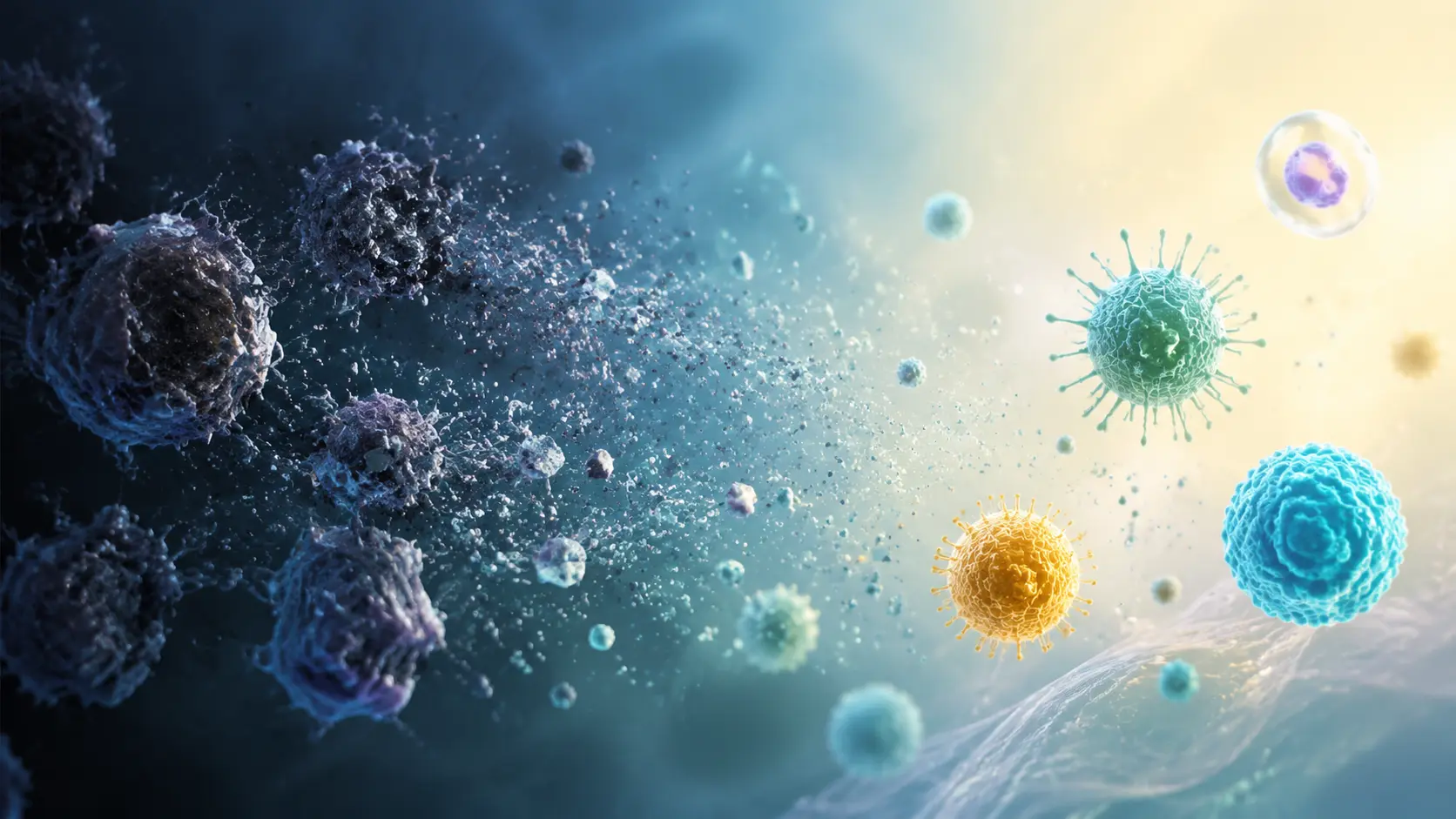
The immune system is not static. Over time — particularly with age — it accumulates dysfunctional, exhausted, and senescent immune cells that respond poorly to new threats and contribute to chronic low-grade inflammation, a process known as inflammaging. An “immune reset” refers broadly to the clearance of these old or damaged cells and their replacement with more functional ones.
This renewal process depends on several mechanisms, including autophagy (the cellular degradation and recycling of damaged components) and hematopoiesis (the production of new blood and immune cells from stem cells in the bone marrow). Both processes can be influenced by nutritional status and fasting. As a result, fasting has attracted genuine scientific interest as a potential lever for immune rejuvenation — particularly in the context of aging and immunosenescence.
It is worth noting that “immune reset” is not a clinical term with a standardised definition. In practice, it describes a spectrum of cellular renewal processes rather than a single, discrete event.
How Fasting Influences Immune Function
Autophagy: Cellular Housekeeping Under Caloric Restriction
When food intake drops, the body shifts energy priorities. One important consequence is the upregulation of autophagy — a process by which cells break down and recycle their own damaged or redundant components. In immune cells, autophagy helps eliminate dysfunctional organelles, misfolded proteins, and intracellular pathogens. This effectively clears out cellular debris that would otherwise impair immune cell performance.
Importantly, autophagy also plays a role in regulating inflammation. By degrading inflammasome components and limiting the release of pro-inflammatory signals, it contributes to reducing the low-grade chronic inflammation associated with immune aging. Research suggests that impaired autophagy is linked to accelerated immunosenescence, making its activation through fasting potentially relevant for healthy immune aging.
Hematopoietic Stem Cell Regeneration
A widely cited 2014 study published in Cell Stem Cell (Cheng et al.) found that cycles of prolonged fasting — typically 48 to 72 hours — caused a significant reduction in circulating white blood cells, followed by robust regeneration driven by hematopoietic stem cell (HSC) activation upon refeeding. The researchers proposed that fasting creates a signal of metabolic stress that prompts the body to eliminate older, less functional immune cells and replace them with newly generated ones.
This study was conducted partly in mice and partly in cancer patients undergoing chemotherapy, so extrapolating findings to healthy adults requires caution. That said, the mechanism — HSC activation triggered by reduced IGF-1 (insulin-like growth factor 1) signalling during fasting — is biologically plausible and consistent with broader evidence on caloric restriction and immune aging.
Reduction in Chronic Inflammation
Fasting also appears to lower markers of systemic inflammation. Evidence from intermittent fasting studies indicates reductions in CRP (C-reactive protein), IL-6, and other pro-inflammatory cytokines. This matters because chronic low-grade inflammation is a key driver of immune dysfunction in older adults. By reducing the inflammatory background noise, fasting may allow the immune system to function more accurately — responding appropriately to genuine threats rather than remaining in a state of non-specific activation.
You can read more about how chronic inflammation relates to immune decline in our article on whether chronic inflammation shortens lifespan.
What the Evidence Currently Shows
Strength of Current Evidence
The evidence base for fasting and immune reset is genuinely promising but uneven. Key findings include:
- Animal studies consistently show that caloric restriction and periodic fasting extend healthspan, reduce inflammaging, and support immune cell renewal. These findings are robust across multiple species.
- The 2014 Cheng et al. study provided the most direct human-relevant evidence, showing immune cell regeneration following prolonged fasting cycles. However, the human arm of the study was small and conducted in a clinical (chemotherapy) context.
- Intermittent fasting trials in healthy adults show modest reductions in inflammatory markers and improvements in metabolic parameters. Direct evidence of immune cell regeneration in this population is more limited.
- Calorie restriction research — including the CALERIE trial — demonstrates that sustained modest calorie restriction in non-obese adults can reduce inflammatory markers and influence immune parameters, though effects on immune aging biomarkers are still being characterised.
Overall, human evidence supports fasting as a useful tool for reducing chronic inflammation and potentially supporting immune cell turnover. However, evidence that short-term intermittent fasting produces the same degree of immune regeneration seen in prolonged fasting studies is limited. The mechanisms are better established than the clinical outcomes.
Calorie Restriction vs. Prolonged Fasting: An Important Distinction
It is worth distinguishing between intermittent fasting (e.g., 16:8 daily time-restricted eating), periodic prolonged fasting (48–72 hour fasts), and sustained calorie restriction. These approaches activate overlapping but not identical mechanisms. Autophagy induction, for example, becomes more pronounced with longer fasting durations. The HSC regeneration described by Cheng et al. was specifically associated with multi-day fasting rather than shorter eating windows. For more on this distinction, see our article on whether calorie restriction improves immune aging.
Practical Considerations for Fasting and Immune Health
Who May Benefit and How to Approach It
For most healthy adults, incorporating structured fasting — whether time-restricted eating or occasional longer fasts — appears safe and may offer meaningful support for immune regulation. In practice, the most relevant considerations are:
- Duration matters: Longer fasts (48–72 hours) appear to activate more pronounced immune renewal mechanisms, but they carry greater physiological demands and are not appropriate for everyone.
- Refeeding quality: Evidence suggests that the nutritional quality of meals after fasting influences whether the benefits of immune cell renewal are realised. Adequate protein, micronutrients (including zinc, selenium, and vitamin C), and anti-inflammatory fats support the generation of healthy new immune cells.
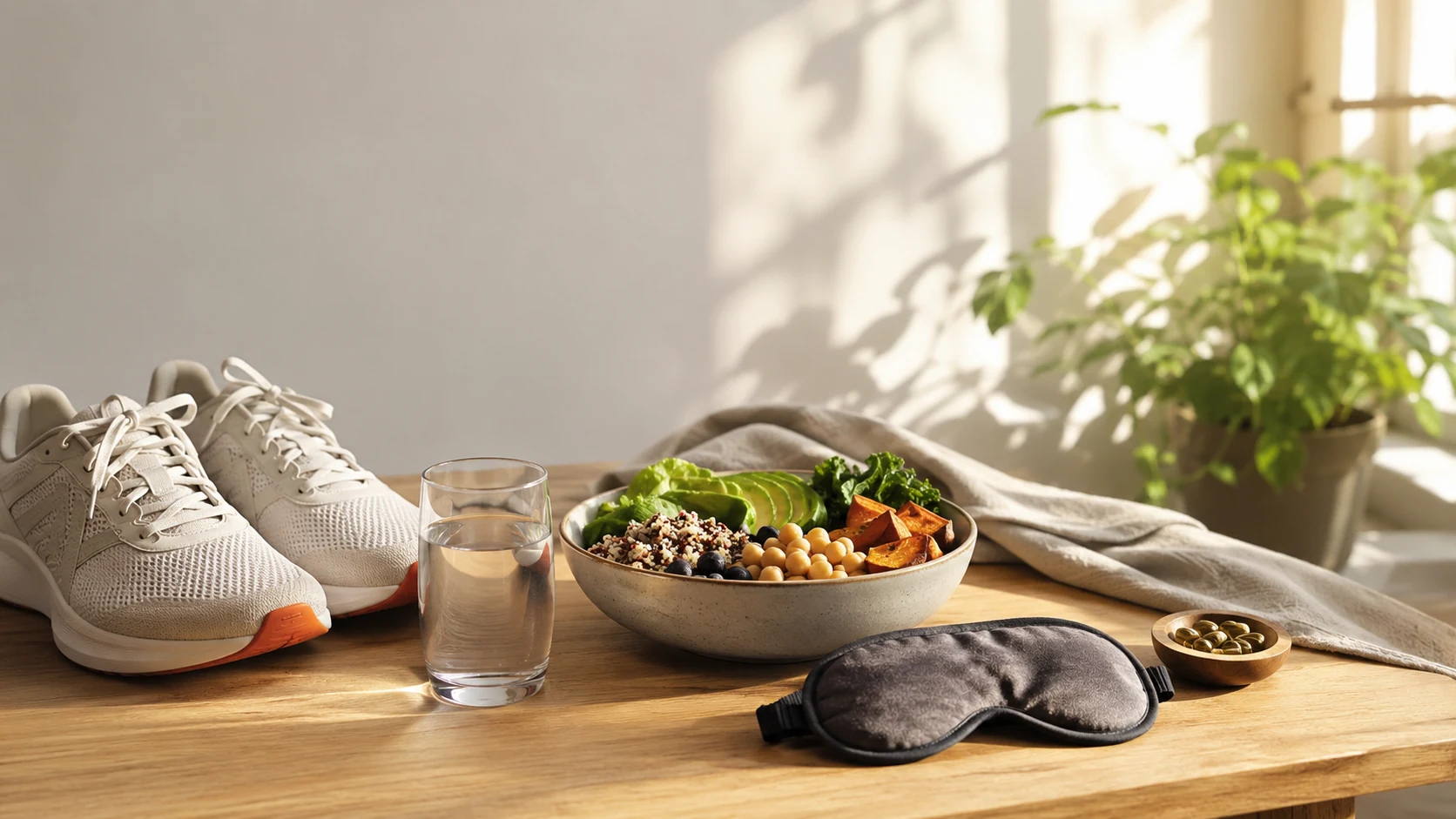
- Context and consistency: Fasting is unlikely to meaningfully support immune health when applied sporadically in a context of poor overall diet, chronic stress, inadequate sleep, or sedentary behaviour. It functions best as part of a coherent lifestyle approach.
- Who should exercise caution: Prolonged fasting is not appropriate for individuals who are immunocompromised, underweight, pregnant, managing eating disorders, or taking medications that require food intake. Medical guidance is advisable before undertaking fasts longer than 24 hours.
Fasting Alongside Other Immune-Support Strategies
Fasting does not act in isolation. Sleep quality is closely linked to immune memory consolidation and inflammatory regulation. Regular moderate exercise improves immune surveillance. Together, these lifestyle factors appear to have complementary effects on immune aging — fasting being one component rather than a singular solution. Learn more in our complete guide to longevity.
References and Resources
Authoritative Sources on Fasting and Immune Reset
-
NIH: Fasting Boosts Immune System
nih.govOverview of research on how fasting induces immune regeneration through cellular mechanisms.
-
Autophagy and Immune Health During Fasting
sciencedirect.comA detailed review of autophagy’s role in immune cell renewal during fasting periods.
-
Healthline: Fasting and Immune System Benefits
healthline.comAn accessible overview of how fasting influences immune health and practical considerations.
-
NCBI: Fasting, Autophagy, and Immune Rejuvenation
ncbi.nlm.nih.govA scientific paper discussing cellular mechanisms behind fasting-induced immune regeneration.
-
Medical News Today: How Fasting Affects Immunity
medicalnewstoday.comA balanced overview of recent findings and practical considerations for fasting and immune health.
-
WHO: Healthy Diet and Immune Function
who.intContext on how diet quality supports immune function — relevant to the refeeding phase after fasting.
-
The Lancet: Fasting and Immune System Research
thelancet.comA review of clinical evidence examining fasting’s impact on immune parameters.

Frequently Asked Questions
Does fasting genuinely improve immune reset?
Evidence suggests fasting can support immune cell renewal — particularly through autophagy and hematopoietic stem cell activation during prolonged fasts. The most compelling evidence comes from animal studies and small human trials, including a notable 2014 study showing immune cell regeneration following multi-day fasting. Effects from shorter intermittent fasting protocols on immune renewal are less clearly established, though reductions in inflammatory markers have been observed.
What types of fasting are most relevant for immune reset?
Prolonged fasting of 48–72 hours appears to activate the most pronounced immune renewal mechanisms, including hematopoietic stem cell regeneration. Intermittent fasting (such as 16:8 time-restricted eating) may reduce chronic inflammation and support metabolic health but has less direct evidence for immune cell regeneration. Starting with shorter protocols and progressing gradually is advisable, particularly for those new to fasting.
Can fasting be harmful to the immune system?
Prolonged or poorly managed fasting can impair immune function, particularly if it leads to nutrient deficiencies or excessive physiological stress. Key risks include inadequate protein and micronutrient intake during refeeding, which can compromise the quality of newly generated immune cells. Fasting is generally not appropriate for immunocompromised individuals, those who are underweight, or people with certain medical conditions. Consulting a healthcare professional before undertaking fasts longer than 24 hours is sensible.
How long does someone need to fast to see immune benefits?
The strongest evidence for immune cell regeneration involves fasting durations of 48–72 hours. Shorter fasts may reduce inflammatory markers but are less likely to trigger the same degree of stem cell-driven immune renewal. That said, individual responses vary, and even modest calorie restriction over sustained periods has been shown to influence immune aging parameters in some trials.
Conclusion
Fasting — particularly prolonged fasting of 48 hours or more — appears to support immune renewal through two well-characterised mechanisms: autophagy-driven cellular clearance and hematopoietic stem cell activation. The evidence is most compelling from animal models and targeted human studies, with broader human data still developing. In practical terms, fasting is a legitimate and evidence-informed strategy for supporting immune regulation and reducing chronic inflammation, but it is best approached as one component of a wider lifestyle — alongside quality sleep, regular exercise, and a nutrient-dense diet. It should not be framed as a cure or a guaranteed reversal of immune aging. For those considering fasting protocols specifically for immune or longevity benefits, the quality of refeeding nutrition matters as much as the fast itself.
Find out more information about fasting and immune reset
Search for more resources and information: