Why Do Telomeres Shorten With Age?
Updated September 2026: In my recent research, I’ve been monitoring the latest breakthroughs in telomere biology, and 2025 has brought some exciting developments. Scientists are now exploring how new gene-editing techniques, like CRISPR-based approaches, could potentially slow or even reverse telomere shortening, opening doors for age-related disease interventions. Additionally, recent clinical trials suggest that lifestyle factors such as intermittent fasting and tailored exercise programs might have a more significant impact on telomere preservation than previously thought, sparking a wave of interest in personalized aging strategies.
Understanding Telomeres and Aging
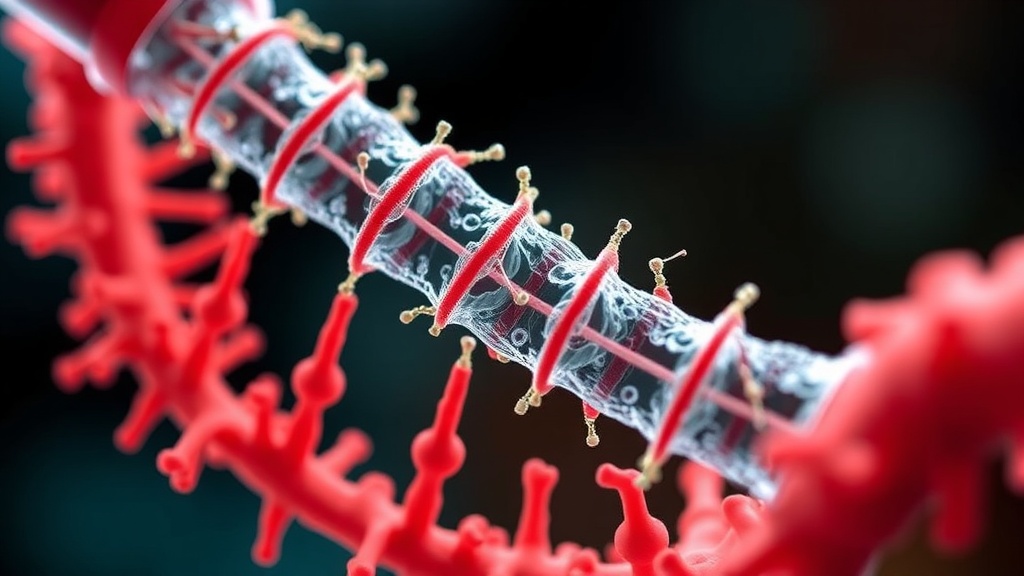
Telomeres are protective structures located at the ends of chromosomes. They function like the plastic tips on shoelaces, preventing chromosomes from fraying, sticking together, or losing important genetic information. These protective caps are essential for maintaining genomic stability and supporting healthy cellular function.
Telomeres consist of repeated DNA sequences that gradually shorten each time a cell divides. Because most human cells divide thousands of times throughout life, telomere length progressively decreases over time. This shortening process is closely associated with biological aging and declining cellular function.
When telomeres become critically short, cells can enter a state known as cellular senescence or undergo programmed cell death. These mechanisms help prevent damaged cells from dividing uncontrollably, but they also contribute to tissue aging and reduced regenerative capacity.
Understanding telomere biology is a central topic in longevity science because telomere shortening is linked to inflammation, metabolic health, and the progression of many age-related diseases. For a broader overview of how cellular aging influences lifespan and healthspan, learn more in our complete guide to longevity.
Do Telomeres Shorten With Age: The Core Question
Yes, telomeres naturally shorten with age. Each time a cell divides, a small portion of telomeric DNA cannot be fully replicated. This phenomenon, known as the “end-replication problem,” leads to the gradual loss of telomere length over time.
As telomeres shorten, they eventually reach a critical threshold where cells can no longer divide effectively. At this stage, cells enter senescence or undergo apoptosis, both of which are protective biological mechanisms that prevent genomic instability and uncontrolled growth.
Although telomere shortening is a normal part of aging, the rate at which it occurs can vary significantly among individuals. Factors such as chronic inflammation, oxidative stress, metabolic health, and lifestyle choices all influence how quickly telomeres erode.
Researchers consider telomere length one of several biomarkers of biological aging, helping scientists understand how cellular processes contribute to longevity and healthspan.
The Biological Mechanisms Behind Telomere Shortening
How Do Telomeres Shorten During Cell Division?
During cell division, DNA must be copied so that each new cell receives a complete set of genetic instructions. However, the enzyme responsible for copying DNA—DNA polymerase—cannot fully replicate the very ends of chromosomes. This limitation results in a small portion of telomeric DNA being lost with every cell division.
Over time, repeated divisions lead to progressively shorter telomeres. This gradual shortening acts as a biological safeguard by limiting the number of times a cell can replicate. Without this mechanism, damaged cells could continue dividing indefinitely, increasing the risk of cancer.
When telomeres become too short, cells lose their ability to divide normally. This contributes to the aging of tissues and organs as the body’s regenerative capacity declines.
What Causes Accelerated Telomere Shortening?
While telomeres naturally shorten as cells divide, several factors can accelerate this process. Chronic inflammation, oxidative stress, and environmental toxins all increase the rate of cellular damage, which can lead to faster telomere erosion.
Lifestyle factors also play a significant role. Smoking, poor nutrition, lack of physical activity, and prolonged psychological stress have all been associated with shorter telomeres. These conditions increase oxidative damage and metabolic stress, both of which affect telomere stability.
Reducing inflammation and supporting metabolic health may therefore help slow telomere shortening and support healthier aging.
Lifestyle Factors That Influence Telomere Length
Research suggests that lifestyle habits can influence the rate at which telomeres shorten. Regular physical activity, for example, has been associated with longer telomeres and improved metabolic health. Exercise supports mitochondrial function, reduces inflammation, and improves circulation, all of which contribute to cellular resilience.
Stress management is another important factor. Chronic psychological stress increases cortisol levels and oxidative stress, both of which can accelerate telomere erosion. Practices such as meditation, mindfulness, and adequate sleep may help reduce stress-related cellular damage.
Diet also plays a role in telomere health. Nutrient-dense diets rich in antioxidants, healthy fats, and plant-based compounds can reduce oxidative stress and support metabolic balance. Foods such as fruits, vegetables, nuts, and omega-3 fatty acids provide compounds that help protect cellular structures from damage.
Together, these lifestyle factors influence the biological processes that determine how rapidly telomeres shorten over time.
Can Diet Impact Telomere Shortening?
Yes, diet can influence telomere dynamics. Diets rich in antioxidants and anti-inflammatory nutrients appear to support telomere stability by reducing oxidative damage to DNA.
High consumption of processed foods, refined sugars, and unhealthy fats has been linked to increased inflammation and metabolic dysfunction, both of which may accelerate telomere shortening. In contrast, diets emphasizing whole foods and healthy fats support metabolic efficiency and cellular repair systems.
Nutritional strategies that promote metabolic balance and reduce chronic inflammation may therefore contribute to healthier telomere maintenance.
Can We Prevent or Slow Down Telomere Shortening?
Are There Ways to Protect Telomeres?
Although telomere shortening is a natural biological process, certain strategies may help slow the rate at which it occurs. Maintaining overall metabolic health appears to be one of the most effective approaches.
Regular physical activity, adequate sleep, stress reduction, and a balanced diet all support the cellular systems responsible for DNA repair and inflammation control. These factors help maintain a healthier internal environment that may reduce telomere damage.
Scientists are also studying telomerase, an enzyme that can extend telomeres in certain cell types. While telomerase activity plays an important role in stem cells and immune cells, its therapeutic manipulation remains an active area of research within longevity science.
References and Resources
The following resources provide further insight into the relationship between telomeres, aging, and longevity science:
Authoritative Sources on Telomeres and Aging
-
NIH: Telomeres and Aging
nih.govExplains the biological role of telomeres and their connection to aging and disease risk.
-
Science Daily: Telomere Research
sciencedaily.comDiscusses recent scientific findings on telomere dynamics and longevity research.
-
Nature: Telomeres and Aging
nature.comA scientific overview of the molecular mechanisms involved in telomere shortening.
-
Trends in Cell Biology: Telomere Dynamics
cell.comExplores how telomeres function as biomarkers of aging and cellular health.
Frequently Asked Questions
Why do telomeres shorten with age?
Telomeres shorten because DNA replication cannot fully copy the ends of chromosomes during cell division. Over time, repeated cell divisions lead to progressively shorter telomeres.
Can lifestyle affect telomere length?
Yes. Factors such as diet, exercise, stress levels, sleep quality, and exposure to toxins can influence the rate at which telomeres shorten.
Do short telomeres cause aging?
Short telomeres are strongly associated with biological aging because they limit cellular replication and contribute to tissue degeneration over time.
Can telomeres be lengthened?
Some cells use the enzyme telomerase to maintain telomere length, particularly stem cells and immune cells. Scientists are studying ways to safely influence telomerase activity for therapeutic purposes.
Conclusion
Telomeres naturally shorten with age due to the biological limitations of DNA replication and the cumulative effects of cellular stress. As telomeres erode, cells gradually lose their ability to divide, contributing to the aging process and increased vulnerability to disease.
While telomere shortening cannot be completely prevented, lifestyle factors that reduce inflammation, oxidative stress, and metabolic dysfunction may help slow the rate at which telomeres decline. Maintaining healthy habits therefore supports cellular resilience and may promote a longer healthspan.

Find out more information about “Do Telomeres Shorten With Age”
Search for more resources and information:
“`