
What Is Autophagy?
Updated July 2026: In my recent research, I’ve been monitoring the groundbreaking advancements in autophagy research, especially the latest insights from 2024 and 2025. Notably, new studies have revealed that specific autophagy pathways can be selectively boosted through personalized fasting protocols and targeted nutrient modulation, opening exciting possibilities for longevity and disease prevention. Additionally, the emergence of AI-driven biomarkers now allows scientists to measure autophagic activity more precisely in real-time, significantly accelerating the development of autophagy-based therapies. These recent developments are transforming how we understand autophagy’s role in aging, neurodegenerative diseases, and metabolic health, making the topic more relevant than ever.
Understanding Autophagy: The Basics
Autophagy is a fundamental biological process that allows cells to clean out damaged components and recycle them for energy and repair. The term comes from the Greek words meaning “self-eating,” reflecting how cells break down worn-out structures and reuse their building blocks.
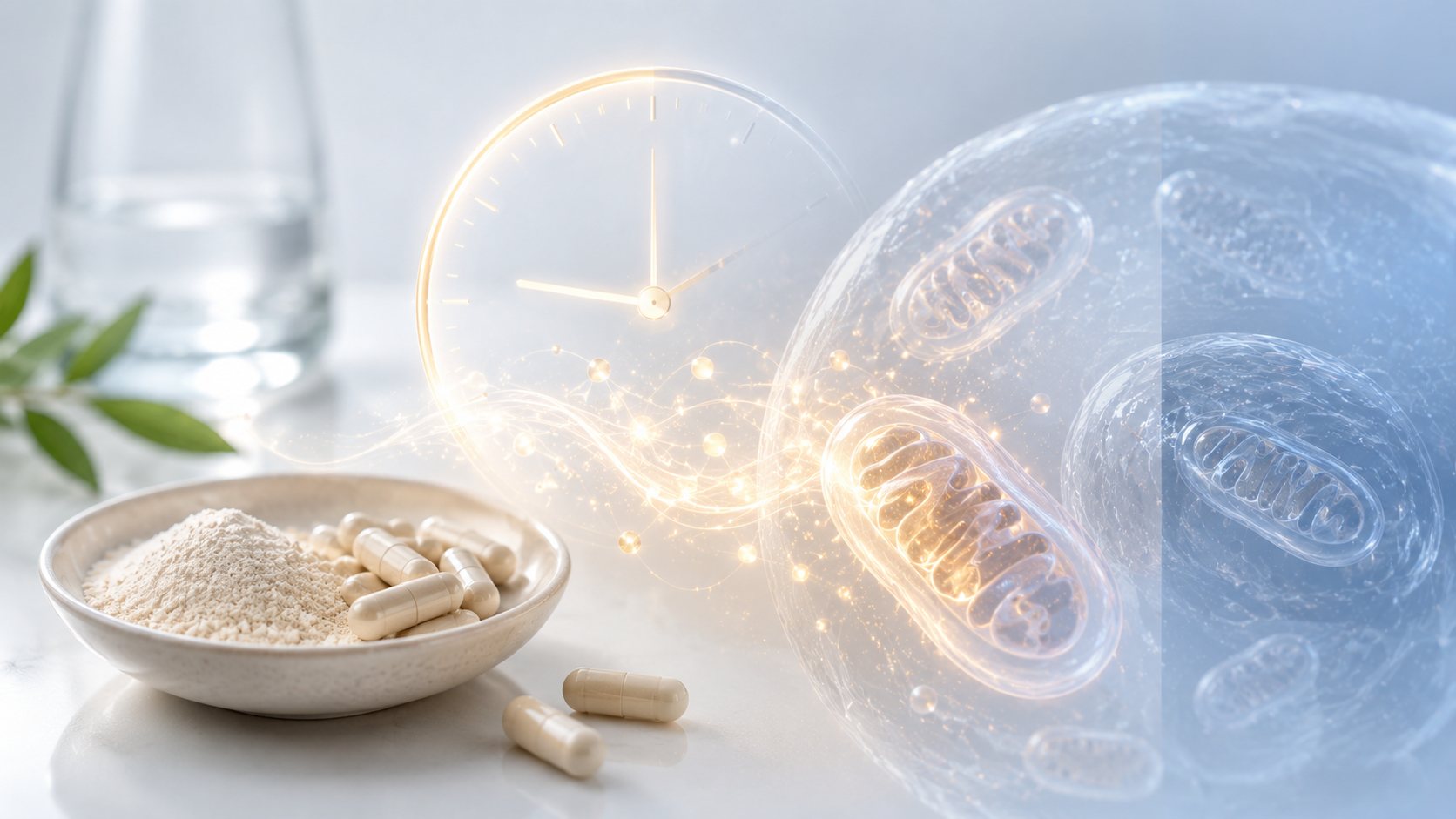
This cellular recycling system plays a vital role in maintaining cellular health. By removing dysfunctional proteins, damaged mitochondria, and other cellular debris, autophagy helps preserve normal metabolic function and supports healthy aging.
Autophagy is especially important during periods of stress, such as fasting, exercise, or nutrient scarcity. During these states, the body activates repair pathways that allow cells to maintain balance and adapt to changing energy demands. These processes are closely connected with longevity science, as efficient cellular repair mechanisms are associated with improved healthspan and resilience against age-related disease.
For a broader overview of the science of aging and lifespan research, learn more in our complete guide to longevity.
Autophagy and Health: Exploring Its Benefits
Can Autophagy Support Healthy Aging and Disease Prevention?
Autophagy plays a crucial role in maintaining cellular integrity as the body ages. By clearing away damaged proteins and dysfunctional mitochondria, it reduces cellular stress and helps regulate inflammation—two key factors linked with aging and chronic disease.
Research suggests that strong autophagic activity may contribute to improved metabolic health and reduced risk of conditions such as neurodegenerative disorders, cardiovascular disease, and metabolic dysfunction. Efficient cellular recycling also helps maintain healthy biomarkers associated with longevity and optimal physiological function.
Several longevity-focused lifestyle interventions—particularly calorie restriction and intermittent fasting—have been linked with increased autophagy in both laboratory and human studies. These metabolic shifts encourage the body to transition from energy storage to cellular repair and regeneration.
Is Autophagy a Natural Defense Mechanism?
Autophagy functions as a built-in cellular quality control system. When cells detect stress, damage, or excess protein buildup, autophagy pathways activate to restore balance and prevent further dysfunction.
This process supports immune resilience, metabolic efficiency, and cellular longevity. By eliminating potentially harmful cellular debris, autophagy helps reduce inflammation and oxidative stress—two biological drivers strongly associated with aging.
As a result, maintaining healthy autophagy is considered an important component of strategies aimed at improving healthspan and promoting long-term vitality.
How Does Autophagy Work in the Body?
What Are the Key Steps in Autophagy?
Autophagy occurs through a carefully regulated multi-step process inside the cell:
1. Detection of damaged structures: Cells identify dysfunctional proteins, organelles, or debris that need to be removed.
2. Formation of the autophagosome: A specialized membrane forms around the unwanted material, creating a vesicle known as an autophagosome.
3. Fusion with lysosomes: The autophagosome merges with a lysosome, which contains powerful digestive enzymes.
4. Breakdown and recycling: Enzymes degrade the enclosed material into basic molecules such as amino acids and fatty acids. These components are then reused by the cell to support metabolism and repair.
This continuous recycling process allows cells to maintain efficiency and adapt to environmental stressors.
Is Autophagy Active During Fasting?
Autophagy is strongly influenced by the body’s energy status. When nutrient availability is low—such as during fasting—the body activates cellular repair pathways to conserve resources and improve metabolic efficiency.
During fasting states, insulin levels fall and cellular signaling pathways such as AMPK increase, encouraging the body to break down damaged cellular components and recycle them. This metabolic shift is one reason fasting protocols are frequently discussed within longevity science and healthy aging research.
Exercise may also stimulate autophagy, particularly in muscle tissue, helping remove damaged mitochondria and supporting improved energy metabolism.
Can Autophagy Be Induced Naturally?
Which Lifestyle Habits Promote Autophagy?
Several lifestyle strategies have been associated with increased autophagy activity:
Intermittent fasting or calorie restriction: Periods without food encourage cellular repair pathways and metabolic flexibility.
Regular physical activity: Exercise promotes mitochondrial turnover and cellular renewal.
Balanced nutrition: Diets rich in whole foods help regulate inflammation and support metabolic health.
Healthy sleep patterns: Adequate sleep helps regulate hormones and cellular repair processes.
These lifestyle factors influence key longevity biomarkers including inflammation, metabolic efficiency, and mitochondrial function.
Do Supplements Enhance Autophagy?
Researchers have investigated several compounds that may influence autophagy-related pathways. Substances such as spermidine, resveratrol, and rapamycin have been studied for their potential ability to activate cellular repair mechanisms.
While promising results have emerged in laboratory and animal studies, the role of supplements in stimulating autophagy in humans remains an evolving area of research. Lifestyle factors such as diet, exercise, and metabolic health currently remain the most reliable and well-studied influences on autophagic activity.
Frequently Asked Questions About Autophagy
Frequently Asked Questions
What is autophagy?
Autophagy is a natural cellular process in which the body breaks down damaged or unnecessary cellular components and recycles them. This system supports cellular maintenance, metabolic efficiency, and healthy aging.
How can autophagy be measured in the body?
Autophagy is typically measured using specialized laboratory biomarkers and imaging techniques used in research settings. While there is no simple at-home test, fasting, exercise, and calorie restriction are known triggers that activate autophagy pathways.
Can lifestyle influence autophagy?
Yes. Lifestyle factors such as intermittent fasting, regular physical activity, adequate sleep, and balanced nutrition can support cellular repair processes associated with autophagy and improved metabolic health.
Are there risks to stimulating autophagy?
Moderate lifestyle strategies that support autophagy are generally considered safe for healthy individuals. However, extreme fasting, restrictive diets, or experimental therapies should only be undertaken under medical supervision.
References and Resources
The following sources provide authoritative information on autophagy, cellular repair, and their relationship with aging and longevity science.
Authoritative Sources on Autophagy
-
Autophagy: A Review of Molecular Mechanisms and Implications for Health and Disease
ncbi.nlm.nih.govA comprehensive scientific review explaining how autophagy functions at the molecular level and its role in disease prevention and cellular maintenance.
-
Fasting Activates Autophagy and May Promote Longevity
nia.nih.govThis resource explains how fasting activates cellular repair pathways and how autophagy may support healthy aging.

-
Autophagy in Disease and Development: Perspectives from Model Organisms
cell.comAn exploration of how autophagy influences development, cellular health, and disease processes.
-
Autophagy: Johns Hopkins Medicine
hopkinsmedicine.orgA clear overview of autophagy and how lifestyle factors influence cellular repair processes.
-
Autophagy as a Therapeutic Target
pubmed.ncbi.nlm.nih.govA scientific article discussing how modulating autophagy could influence disease treatment and longevity research.
-
Autophagy and Longevity
sciencedaily.comA summary of research exploring links between autophagy activity and extended lifespan.
-
Autophagy in Cell Biology
frontiersin.orgA detailed scientific review describing the cellular mechanisms of autophagy and its implications for health.
Conclusion
Autophagy is a vital cellular process that supports repair, metabolic balance, and healthy aging. By removing damaged cellular components and recycling useful molecules, this biological system helps maintain cellular integrity and resilience.
Scientific research increasingly links efficient autophagy with improved healthspan, reduced inflammation, and protection against age-related disease. Lifestyle strategies such as fasting, exercise, and balanced nutrition may support these natural cellular repair pathways.
Understanding how autophagy functions provides valuable insight into the broader science of longevity and how everyday lifestyle choices influence long-term health.
Find out more information about “Autophagy”
Search for more resources and information: