Does Red Yeast Rice Lower Ldl?
Does Red Yeast Rice Lower LDL?
TL;DR: Red yeast rice can meaningfully lower LDL cholesterol in many people, primarily because it contains monacolin K — a compound that works similarly to prescription statins. However, potency varies significantly between products, and it carries some of the same risks as statin medications.
Yes, red yeast rice does lower LDL cholesterol — and the mechanism is well understood. It contains naturally occurring compounds called monacolins, particularly monacolin K, which inhibit HMG-CoA reductase, the same liver enzyme targeted by prescription statin drugs. Clinical evidence supports meaningful LDL reductions in many users, though results depend heavily on product quality and individual response.
How Red Yeast Rice Works to Lower LDL
The Mechanism: Monacolins and HMG-CoA Reductase Inhibition
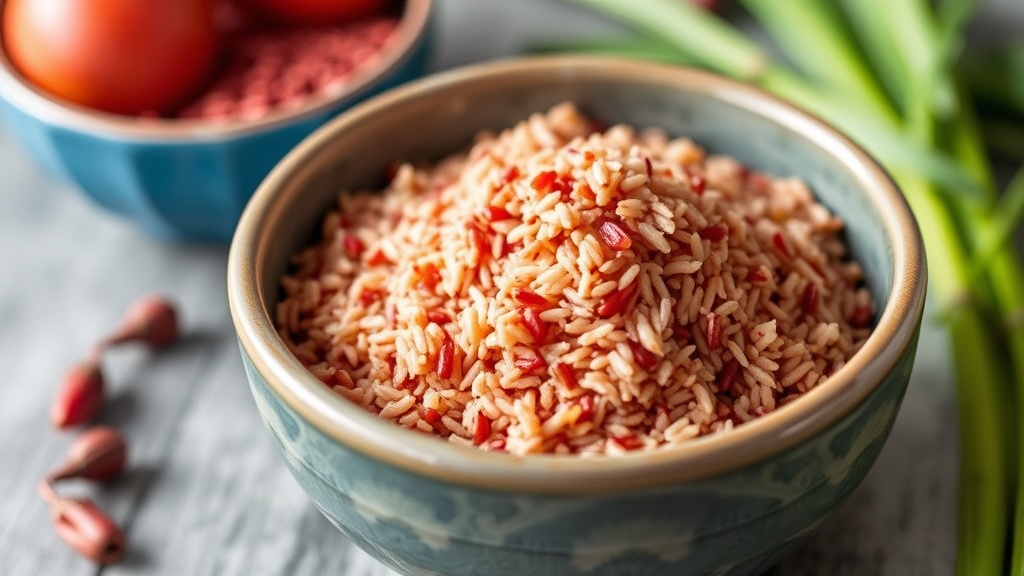
Red yeast rice is produced by fermenting white rice with the mould Monascus purpureus. This fermentation process generates a family of compounds called monacolins. The most pharmacologically active of these is monacolin K, which is chemically identical to lovastatin — a prescription statin medication.
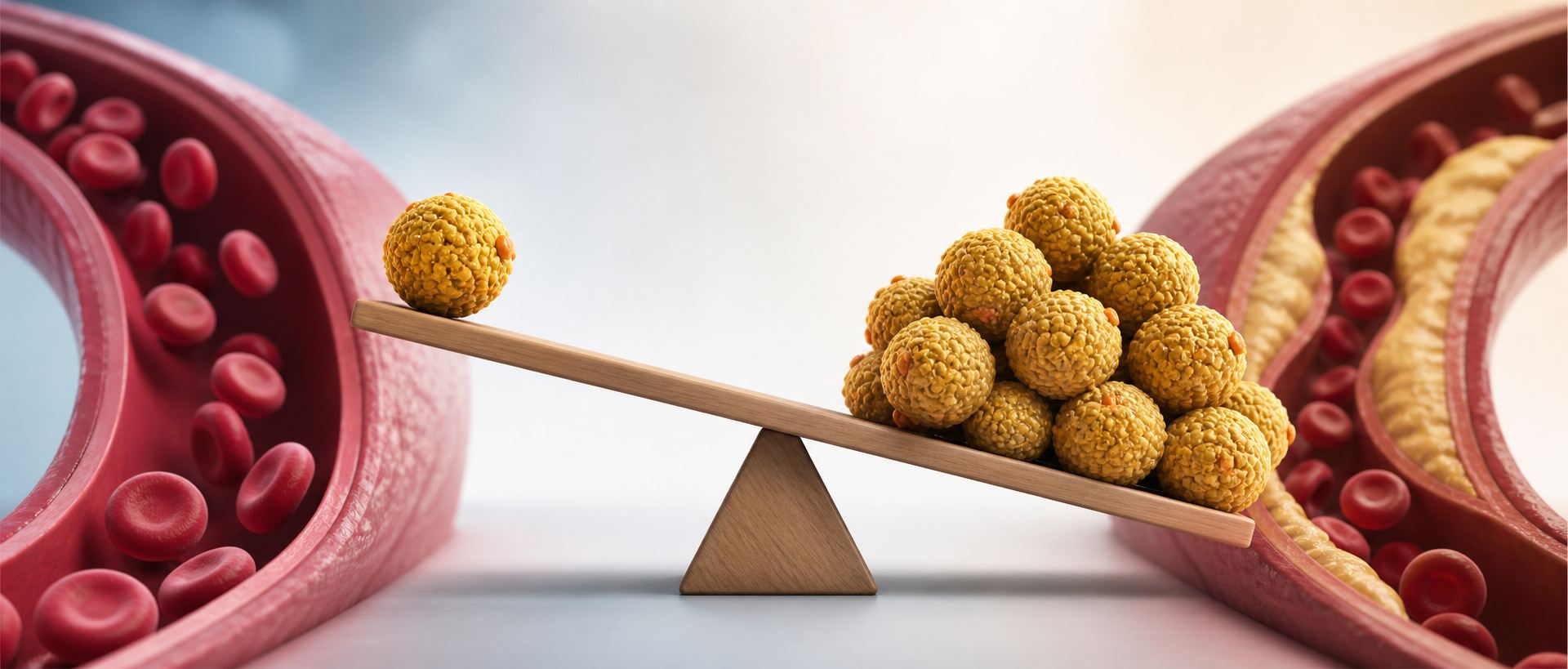
Monacolin K inhibits HMG-CoA reductase, the rate-limiting enzyme in cholesterol synthesis in the liver. When this enzyme is blocked, the liver produces less cholesterol internally, responds by upregulating LDL receptors, and clears more LDL from the bloodstream. The result is a reduction in circulating LDL cholesterol — the same basic mechanism that makes statin drugs effective.
Because the active compound is chemically identical to a pharmaceutical agent, red yeast rice occupies an unusual position: it is marketed as a dietary supplement but acts, at least in part, like a prescription drug. This distinction matters both for efficacy and safety.
Is It a True Alternative to Statins?
Red yeast rice is not a direct replacement for prescription statins in most clinical contexts. Standardised statin medications are formulated at precise doses, whereas the monacolin content of red yeast rice supplements varies considerably between brands and batches. Some products contain meaningful levels of monacolin K; others contain very little. Without standardisation, consistent and predictable LDL reduction is harder to guarantee.
For people with mildly elevated LDL or those seeking a dietary adjunct to lifestyle changes, red yeast rice may offer a relevant effect. For those with high cardiovascular risk or significantly elevated LDL, prescription therapy remains the more reliable option. You can explore where red yeast rice fits within a broader cardiometabolic strategy in our guide to the best ApoB optimisation plan.
What the Clinical Evidence Shows
LDL Reductions Observed in Trials
Multiple randomised controlled trials and meta-analyses have examined red yeast rice supplementation and its effect on LDL cholesterol. Research suggests that standardised preparations can reduce LDL by approximately 15–30% compared to placebo over 8–12 weeks of consistent use. These reductions are clinically meaningful and comparable to low-dose statin therapy in some studies.
A frequently cited meta-analysis published in the American Journal of Cardiology pooled results from several trials and found significant reductions in total cholesterol, LDL, and triglycerides, with improvements in HDL in some studies. The evidence base is strongest for Chinese red yeast rice preparations that have been studied in clinical settings with known monacolin content.
It is worth noting, however, that regulatory changes in several countries — including the US and EU — have led to restrictions on high-monacolin red yeast rice products, on the basis that they are effectively delivering an unlicensed drug. Products sold in compliance with these regulations may contain lower monacolin levels, which could limit their LDL-lowering effect.
Effects Beyond LDL
Some preparations of red yeast rice also contain sterols, isoflavones, and unsaturated fatty acids that may contribute additional cardiovascular benefits. However, the primary driver of LDL reduction in well-studied formulations is monacolin K. The contribution of other components to overall cardiometabolic outcomes remains less clearly established in human trials.
If LDL reduction is the primary goal, it is also worth understanding how red yeast rice compares to other approaches. Our article on whether berberine lowers LDL covers a distinct but complementary mechanism that some people combine with dietary interventions.
Risks, Side Effects, and Quality Concerns
Side Effects Mirror Those of Statins
Because monacolin K is pharmacologically equivalent to lovastatin, red yeast rice carries a similar side effect profile to statin medications. The most commonly reported adverse effects include:
- Myopathy (muscle soreness, weakness, or pain)
- Elevated liver enzymes
- Digestive discomfort
- Headache
In rare cases, rhabdomyolysis — severe muscle breakdown — has been reported, as it has with prescription statins. The risk is generally low at typical doses but increases with higher monacolin intake, concurrent use of other medications metabolised by the same liver enzymes (particularly CYP3A4), or pre-existing liver or kidney conditions.
Periodic monitoring of liver function and muscle symptoms is advisable for anyone using red yeast rice regularly, particularly at higher doses or over long durations.
Quality Control Is a Significant Variable
Unlike prescription statins, red yeast rice supplements are not subject to the same pharmaceutical manufacturing standards. This creates two main concerns:
Variable monacolin content: Independent laboratory testing has found wide variation between products. Some contain therapeutic levels of monacolin K; others contain negligible amounts. Without knowing monacolin content, estimating efficacy is difficult.
Citrinin contamination: Some red yeast rice products contain citrinin, a mycotoxin produced during fermentation that is potentially nephrotoxic (harmful to the kidneys). Reputable manufacturers test for and eliminate citrinin, but not all products on the market do so. Choosing a supplement that has been third-party tested for both monacolin content and citrinin absence is important.
Practical Considerations
Who Might Benefit
Red yeast rice may be a reasonable option for adults with mildly to moderately elevated LDL who prefer a dietary supplement approach, particularly those who have experienced side effects with prescription statins. Some evidence suggests that individuals who are statin-intolerant tolerate red yeast rice better, though this is not universal — and because the active compound is chemically the same, cross-intolerance can occur.
It is best considered as one part of a broader strategy. Dietary changes — including reducing saturated fat intake, increasing soluble fibre, and managing body weight — can meaningfully lower LDL independently. Our article on whether fibre lowers ApoB covers how dietary fibre supports cardiometabolic health through a complementary mechanism.
Practical Guidance for Use
If considering red yeast rice supplementation:
- Choose a product with documented monacolin K content and third-party testing for citrinin
- Begin at a lower dose and assess tolerance before increasing
- Monitor lipid levels after 8–12 weeks of consistent use
- Discuss with a healthcare provider, especially if taking other medications, or if you have liver, kidney, or muscle conditions
- Do not combine with prescription statins without medical supervision
Red yeast rice works best as part of a comprehensive approach to cardiometabolic health — not as a standalone solution. Learn more in our complete guide to longevity.
References and Resources
Authoritative Sources on Red Yeast Rice and LDL Cholesterol
-
FDA Dietary Supplement Guidelines
fda.govProvides regulatory context on supplement quality, including red yeast rice products and their monacolin content.
-
Meta-Analysis on Red Yeast Rice and Cholesterol
ncbi.nlm.nih.govSummarises clinical trial data supporting red yeast rice efficacy in LDL reduction.
-
WebMD on Red Yeast Rice
webmd.comProvides an accessible overview of uses, side effects, and precautions related to red yeast rice supplementation.
-
Mayo Clinic Supplement Guide
mayoclinic.orgCovers supplement safety and efficacy in clinical context, including red yeast rice.
-
Healthline on Red Yeast Rice
healthline.comExamines benefits, risks, and best practices for using red yeast rice supplements.
-
Research on Monacolins and Cholesterol Synthesis
ncbi.nlm.nih.govProvides detailed biochemical analysis of how monacolins influence hepatic cholesterol synthesis.
-
American Heart Association on Natural Supplements
ahajournals.orgDiscusses the role of natural supplements in cholesterol management within a cardiovascular risk framework.
Frequently Asked Questions
Does red yeast rice effectively lower LDL cholesterol?
Yes. Clinical evidence supports that red yeast rice — particularly preparations with meaningful monacolin K content — can reduce LDL cholesterol by approximately 15–30% in many individuals. Results vary depending on product quality, dose, and individual metabolic response. A healthcare provider can help determine whether it is appropriate for your specific lipid profile.
Are there side effects associated with red yeast rice?
Red yeast rice can produce side effects similar to statin medications, including muscle soreness, digestive discomfort, and elevated liver enzymes. Because its active compound is pharmacologically identical to lovastatin, these risks are real, not theoretical. Starting at a lower dose, choosing a quality-tested product, and monitoring for symptoms reduces risk. Medical supervision is advisable, particularly for long-term use or in those on other medications.
Can red yeast rice replace statins in cholesterol management?
For most people with significant cardiovascular risk or substantially elevated LDL, red yeast rice is unlikely to match the potency or reliability of prescription statins. It may be a useful option for those with mild to moderate LDL elevation, statin intolerance, or as a complement to dietary changes. Switching from a prescribed statin should always be discussed with a doctor.
How long does it take to see results with red yeast rice?
Research suggests that meaningful LDL reductions typically become measurable after 8–12 weeks of consistent use. Some individuals may see changes earlier. Regular lipid testing is the most reliable way to track response. Combining supplementation with dietary improvements — such as reducing saturated fat and increasing soluble fibre — may accelerate results.
Is red yeast rice safe for long-term use?
Many people tolerate red yeast rice well over extended periods when using a high-quality, citrinin-free product at appropriate doses. However, because it functions similarly to a statin drug, periodic liver function monitoring is reasonable. Long-term safety data in large populations is more limited than for prescription statins, so ongoing medical review is sensible.
Conclusion
Red yeast rice can lower LDL cholesterol, and the evidence for this is reasonably well established. Its active compound, monacolin K, inhibits the same enzyme as prescription statins, producing comparable effects at therapeutic doses. Clinical trials suggest LDL reductions of 15–30% are achievable with standardised preparations.
The key limitations are product variability and a side effect profile that mirrors low-dose statin therapy. Choosing a third-party tested product with documented monacolin K content and no citrinin contamination is essential. It is most appropriate for individuals with mild to moderate LDL elevation or those who cannot tolerate conventional statin medications — and works best as part of a broader cardiometabolic strategy rather than in isolation.
For those managing LDL as part of a wider effort to reduce cardiovascular risk and support healthy aging, understanding where red yeast rice fits within the full range of available tools is important. Explore the full picture in our guide to the best ApoB optimisation plan.
Find out more information about red yeast rice and LDL cholesterol
Search for more resources and information: