Does Sleep Strengthen Immune Function?
Understanding the Link Between Sleep and Immune Function
TL;DR: Yes, sleep strengthens immune function. Consistent, high-quality sleep helps the body regulate inflammation, support immune cells, and respond more effectively to infections, while poor sleep can weaken those defenses.
Yes, sleep strengthens immune function. Good sleep helps regulate immune cells, supports the release of signaling molecules involved in immune defense, and helps the body respond appropriately to infections and inflammation. Poor or insufficient sleep can reduce these protective responses and may increase vulnerability to illness.
Sleep is not just restorative for energy and mood. It is also a core part of healthy aging, metabolism, and recovery. During sleep, the body carries out repair processes that help maintain immune balance, support tissue recovery, and regulate biomarkers linked to inflammation and long-term healthspan. Learn more in our complete guide to longevity.
This makes sleep one of the most practical lifestyle factors for supporting immune resilience. Alongside exercise, nutrition, and stress management, adequate sleep helps create the internal conditions the immune system needs to work well.
How Sleep Quality Affects Immunity
Sleep quality matters as much as sleep duration. Fragmented, shallow, or irregular sleep can interfere with the body’s ability to regulate immune activity, even if total time in bed seems adequate. Restorative sleep supports communication between the nervous, endocrine, and immune systems, which helps the body mount a balanced defense when needed.
###
Can Poor Sleep Suppress Immune Responses?
Yes, poor sleep can suppress immune responses. Evidence indicates that sleep deprivation and disrupted sleep can reduce the activity of important immune cells, including natural killer cells and T-cells. These cells help the body identify and respond to viruses, infected cells, and other threats.
Poor sleep can also raise stress-related hormones and disrupt circadian rhythms. Over time, that combination may contribute to chronic low-grade inflammation, which is associated with aging, poorer metabolic health, and reduced immune efficiency.
###
How Does Sleep Impact Specific Immune Markers?
Sleep affects immune markers such as cytokines, which help coordinate inflammation and immune signaling. During healthy sleep, the body appears better able to regulate these signals in a way that supports recovery and defense. When sleep is restricted, this balance can be disrupted, which may impair the response to infection and prolong recovery.
Sleep also appears to support the formation of immune memory, which is part of how the body responds more effectively after exposure to pathogens or vaccines. In simple terms, sleep helps the immune system not only react, but also adapt.
Scientific Evidence Supporting Sleep and Immune Health
Research consistently suggests that adequate sleep supports immune health, while short sleep and poor sleep quality are linked with weaker immune performance. Studies have found that people who sleep less are more likely to develop common infections after viral exposure, and sleep loss has also been associated with reduced antibody responses in some settings.
###
What Do Experts Say About Sleep and Immunity?
Sleep specialists and immunology researchers generally describe sleep as a foundational part of immune regulation. During deeper stages of sleep, the body carries out processes that support recovery, communication between immune cells, and appropriate inflammatory control. This is one reason sleep is often considered a pillar of healthspan alongside exercise, nutrition, and metabolic health.
Rather than acting like a quick boost, sleep supports immune function through ongoing regulation. A single good night helps, but the bigger effect comes from consistent, high-quality sleep over time.
###
Research on Sleep Deprivation and Increased Infection Risk
Evidence indicates that sleep deprivation is linked with a higher risk of infections such as the common cold. Some well-known research has found that people sleeping fewer than 6 hours per night were substantially more likely to develop a cold after controlled viral exposure than those sleeping 7 hours or more. While individual risk depends on many factors, the overall direction of the evidence is clear: inadequate sleep can make the immune system less effective.
This does not mean sleep alone prevents illness. It means sleep improves the body’s ability to respond well, recover efficiently, and maintain a healthier inflammatory balance over time.
Practical Tips to Improve Sleep for Better Immune Support
Improving sleep is one of the simplest ways to support immune function naturally. The goal is not perfection, but a repeatable routine that improves sleep quality and consistency.
###
Establish a Consistent Sleep Schedule
Going to bed and waking at similar times each day helps reinforce circadian rhythms. A more stable sleep-wake cycle can improve sleep quality, hormone regulation, and recovery. Consistency is often more helpful than trying to catch up with irregular long sleeps on weekends.
###
Create a Sleep-Friendly Environment
A dark, cool, and quiet bedroom usually supports better sleep. Reducing noise, excess heat, and light exposure can make it easier to stay asleep and move through deeper sleep stages. Comfortable bedding and a supportive mattress can also reduce nighttime awakenings.
###
Limit Screen Time Before Bed
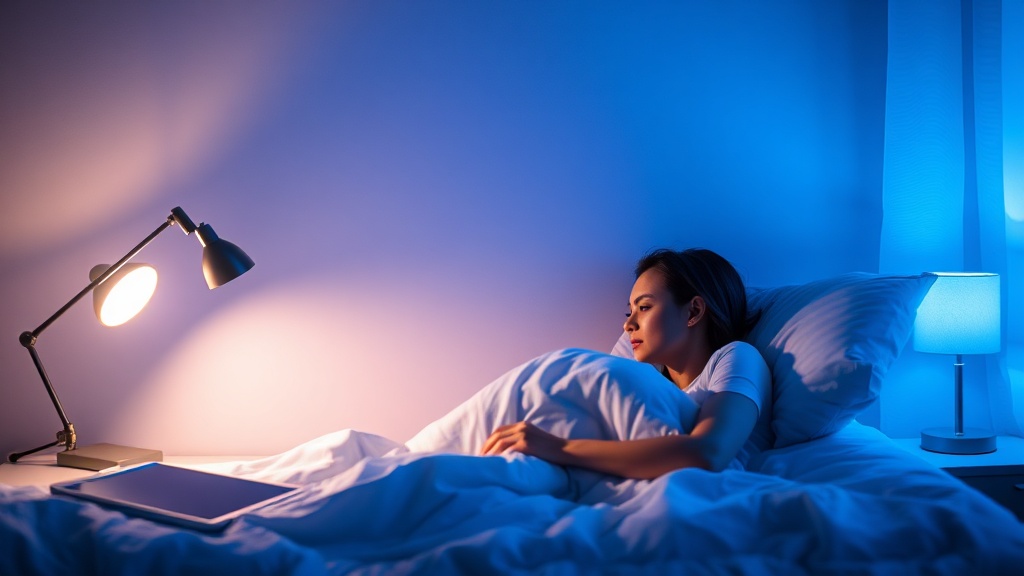
Evening light exposure, especially from phones, tablets, and bright indoor lighting, can delay melatonin release and make it harder to fall asleep. Limiting screen use in the hour before bed may help improve sleep onset and overall sleep quality.
###
Incorporate Relaxation Techniques
Stress can interfere with both sleep and immune regulation. Simple practices such as slow breathing, mindfulness, light stretching, or reading can help reduce physiological arousal before bed. Lowering stress supports better sleep, which in turn supports immune balance.
###
Support Sleep With Daytime Habits
Daytime behavior also matters. Regular exercise can improve sleep quality, though intense exercise very late in the evening may not suit everyone. Morning daylight exposure helps anchor circadian rhythms, and limiting excess caffeine later in the day can reduce sleep disruption. These habits also support broader aspects of metabolism, endurance, and healthy aging.
Frequently Asked Questions
Frequently Asked Questions
Does sleep really strengthen immune function?
Yes. Sleep supports immune cell activity, inflammatory regulation, and recovery. Consistent, good-quality sleep helps the immune system respond more effectively to infections and other stressors.
Can lack of sleep make me more vulnerable to illness?
Yes. Insufficient sleep is associated with a higher risk of infections and weaker immune responses. Even short-term sleep loss can impair how well the body defends itself.
What are some ways to improve sleep to support immunity?
Useful strategies include keeping a regular sleep schedule, making the bedroom dark and cool, limiting screen exposure before bed, managing stress, and avoiding too much caffeine late in the day.
Is there scientific proof that sleep deprivation harms immunity?
Yes. Research suggests that sleep deprivation can reduce immune cell function, disrupt cytokine signaling, and increase susceptibility to common infections. The evidence supports sleep as an important part of immune health.
References and Resources
The following resources offer useful background on how sleep affects immune function, inflammation, and overall health:
Authoritative Sources on sleep and immune function
-
Centers for Disease Control and Prevention: How Sleep Affects Immunity
cdc.govAn overview of how sleep supports immune function and why inadequate sleep can make it harder for the body to resist illness.
-
Nature Reviews Immunology: Sleep and Immune Function
nature.comA scientific review explaining the biological links between sleep, immune regulation, and inflammatory control.

-
Healthy Eating: Sleep and Immunity
healthyeating.sfgate.comA practical article discussing sleep, immunity, and everyday habits that may help improve sleep quality.
-
Sleep Foundation: Why Do We Need Sleep?
sleepfoundation.orgA clear explanation of sleep stages and why sleep is essential for recovery, cognitive health, and immune support.
-
NCBI: Sleep and Immune Function
nih.govA scientific review describing how sleep deprivation can alter immune responses and increase disease susceptibility.
-
JAMA Internal Medicine: Sleep and Immune Function
jamanetwork.comResearch exploring how sleep duration and sleep quality relate to immune resilience and health outcomes.
-
WebMD: Why Do We Need Sleep?
webmd.comAn accessible overview of why sleep matters for recovery, immune health, and general well-being.
Conclusion
Sleep does strengthen immune function. Good-quality sleep helps regulate inflammation, supports immune signaling, and improves the body’s ability to respond to infections and recover from stress. Poor sleep does the opposite, weakening these protective processes over time.
For most people, improving sleep is one of the most practical ways to support immunity and long-term healthspan. A consistent schedule, a better sleep environment, and simple stress-reduction habits can all make a meaningful difference.
Find out more information about “sleep and immune function”
Search for more resources and information: