
Does Gut Health Affect Insulin Resistance?
Introduction
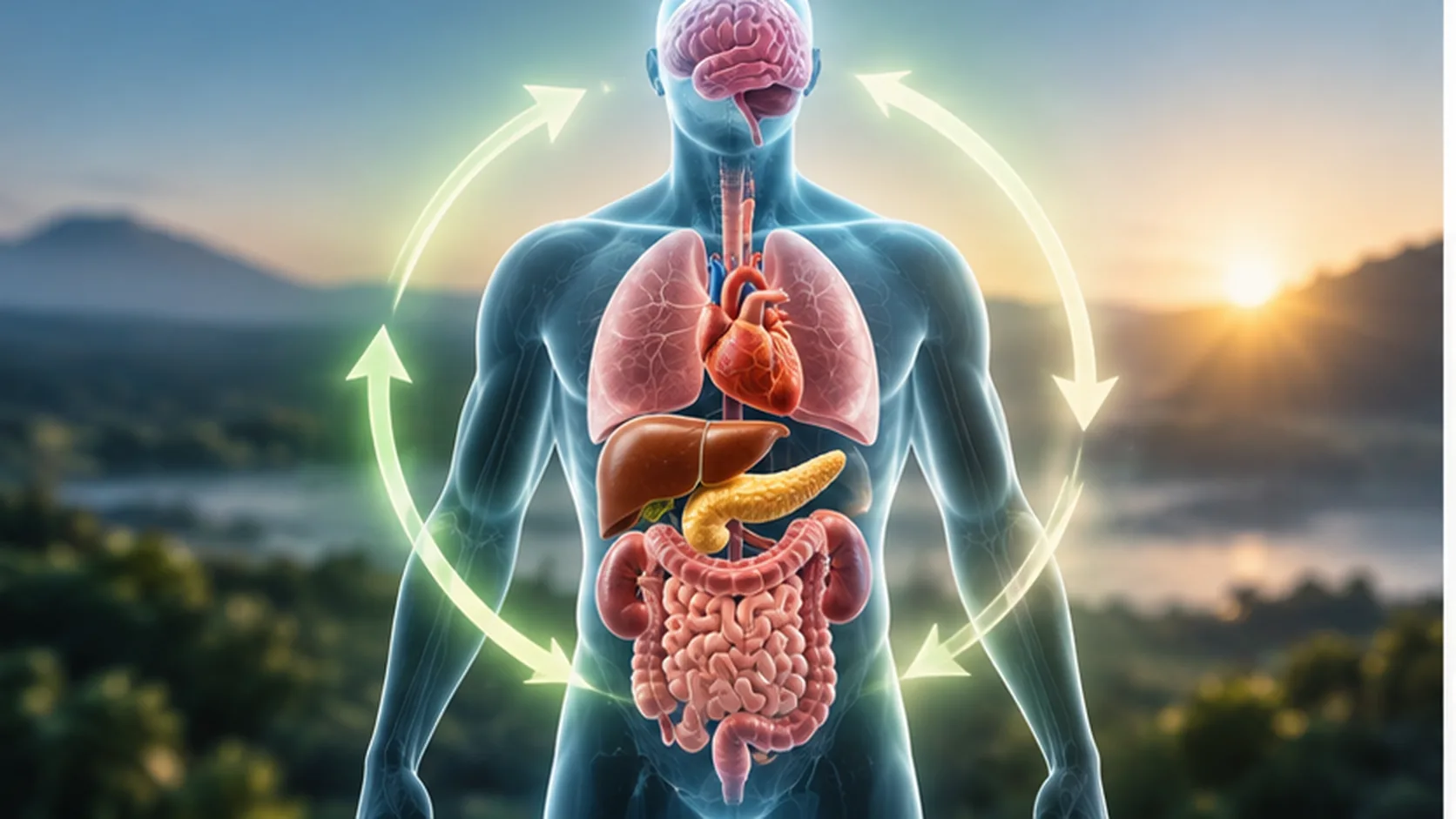
Gut health affects insulin resistance in ways that are increasingly supported by modern research. The gut is not only involved in digestion. It also plays a central role in inflammation, immune signaling, metabolism, nutrient absorption, and blood sugar regulation. Because of this, changes in the gut microbiome and gut barrier can influence how effectively the body responds to insulin.
This connection matters for both short-term metabolic health and long-term healthy aging. Insulin resistance is linked to elevated blood sugar, increased inflammation, excess fat storage, and higher risk of type 2 diabetes and cardiovascular disease. When gut health is compromised, these risks may increase. When gut health improves, insulin sensitivity may also improve, especially when supported by diet, exercise, sleep, and other lifestyle factors. Learn more in our complete guide to longevity.
Understanding how gut health affects insulin resistance offers a more complete view of metabolic health. It shifts the focus away from blood sugar alone and toward the broader biological systems that influence healthspan, inflammation, and long-term resilience.
Understanding the Link Between Gut Health and Insulin Resistance
The connection between gut health and insulin resistance is driven by several overlapping mechanisms. These include microbiome composition, gut permeability, chronic inflammation, and the production of metabolites such as short-chain fatty acids. When the gut microbiota becomes imbalanced, a state known as dysbiosis, the result can be higher inflammatory signaling and poorer metabolic control.
This matters because inflammation is one of the major drivers of insulin resistance. When the immune system is persistently activated, insulin signaling can become less efficient. The pancreas may continue producing insulin, but the body’s cells become less responsive to it. Over time, this can contribute to higher fasting insulin, rising blood glucose, and broader metabolic dysfunction.
A healthier gut environment may help reduce this problem. A more balanced microbiome can support better immune regulation, stronger gut barrier integrity, and healthier metabolic responses. This is one reason gut health is increasingly being discussed in relation to insulin resistance, obesity, inflammation, and longevity science.
How does gut microbiome composition impact insulin sensitivity?
The composition of the gut microbiome can influence insulin sensitivity by shaping inflammation, metabolism, and energy regulation. Certain beneficial bacteria help ferment dietary fiber into short-chain fatty acids such as butyrate, acetate, and propionate. These compounds support gut lining health, improve immune balance, and may help improve insulin signaling.
By contrast, dysbiosis may encourage higher intestinal permeability and increased exposure to inflammatory compounds such as lipopolysaccharides. When these compounds enter circulation, they may contribute to low-grade chronic inflammation, which is strongly linked to insulin resistance. This helps explain why gut microbiota is increasingly viewed as a key part of metabolic health rather than a side issue.
A balanced gut microbiome does not guarantee perfect insulin sensitivity, but it appears to support the internal environment needed for better glucose control, lower inflammation, and healthier metabolism over time.
How Gut Microbiota Influences Insulin Sensitivity
Can improving gut health reduce insulin resistance?
Improving gut health may help reduce insulin resistance, particularly when gut dysfunction is part of the broader metabolic picture. A healthier gut microbiome can support lower inflammation, better gut barrier function, improved satiety signaling, and healthier responses to carbohydrates and energy intake. These effects can contribute to better insulin sensitivity over time.
This does not mean gut health is the only factor that matters. Insulin resistance is shaped by diet quality, physical activity, body composition, sleep, stress, genetics, and overall metabolic status. However, gut health may amplify or undermine many of these factors. When the microbiome is supported through consistent lifestyle changes, it can become a meaningful part of a broader strategy for improving metabolic health.
This is especially relevant for healthy aging. Insulin resistance, chronic inflammation, and microbiome imbalance are all associated with poorer healthspan. Supporting gut health may therefore help not only with blood sugar control, but also with the broader biological processes involved in aging well.
What role do inflammation and gut permeability play?
Inflammation and gut permeability are two of the most important links between gut health and insulin resistance. When the gut lining becomes compromised, substances that are normally kept within the digestive tract may cross into the bloodstream more easily. This can activate the immune system and increase inflammatory signaling.
Higher inflammation can interfere with insulin signaling pathways, making cells less responsive to insulin. This process is sometimes called metabolic inflammation, and it is a key feature of insulin resistance. Gut barrier health is therefore not only about digestion. It is also about how effectively the body manages immune activation and glucose metabolism.
Supporting gut barrier integrity through diet, sleep, stress reduction, and microbiome-friendly habits may help reduce these inflammatory signals. That is one reason gut health is increasingly seen as foundational to long-term metabolic stability.
Practical Ways to Improve Gut Health to Support Insulin Resistance Management
Diet is one of the most effective ways to support both gut health and insulin sensitivity. A varied intake of fiber-rich foods such as vegetables, legumes, fruit, nuts, seeds, and whole grains helps nourish beneficial gut bacteria. Fermented foods such as yogurt, kefir, kimchi, sauerkraut, and other cultured foods may also help support a healthier microbial environment.
Reducing ultra-processed foods, excess sugar, and highly refined carbohydrates may also help. These foods can worsen dysbiosis, encourage inflammation, and make blood sugar harder to control. A dietary pattern built around minimally processed foods, fiber, and nutrient density is often one of the strongest foundations for improving gut health and metabolic resilience.
Sleep, exercise, and stress management also matter. Physical activity can improve insulin sensitivity directly while also supporting microbiome health. Good sleep and lower chronic stress help regulate hormones, immune function, and inflammatory pathways that influence both the gut and glucose metabolism.
Supplements and lifestyle habits that may support the gut microbiome
Some people may benefit from probiotics, prebiotics, or targeted gut-supportive supplements, although results vary depending on the individual and the underlying issue. Prebiotic foods such as onions, garlic, leeks, asparagus, oats, and legumes can help nourish beneficial bacteria. Probiotic foods may be more useful than supplements for some people, while others may respond better to a more personalized approach.
Lifestyle habits remain the foundation. Regular exercise, consistent sleep timing, lower alcohol intake, careful antibiotic use, and good stress regulation can all support a healthier microbiome and better insulin sensitivity. These habits also help reduce chronic inflammation, which is one of the main processes connecting poor gut health to insulin resistance.
A sustainable routine tends to be more effective than short-term extremes. Small improvements made consistently often produce more meaningful changes in gut health and metabolism than highly restrictive interventions that are hard to maintain.
Key Takeaways for Long-Term Metabolic Health
Gut health affects insulin resistance through inflammation, microbiome composition, gut barrier function, and metabolic signaling. This makes the digestive system an important part of the broader picture of blood sugar control, rather than a separate issue. For many people, improving gut health may support better insulin sensitivity, especially when combined with exercise, weight management, sleep quality, and an anti-inflammatory diet.
This is also important for long-term healthy aging. Insulin resistance, chronic inflammation, and dysbiosis are all associated with poorer metabolic health and lower healthspan. Supporting the gut may therefore help improve not only daily blood sugar regulation but also the long-term biological environment linked to healthy aging.
The most practical approach is to focus on foundations: more fiber, more plant diversity, fewer processed foods, better sleep, regular movement, and lower chronic stress. These changes support both the gut and the metabolic system at the same time.
References and Resources
These resources provide useful background on gut microbiota, inflammation, insulin resistance, and metabolic health:
Authoritative Sources on Gut Health Affect Insulin Resistance
-
NIH – Gut Health and Disease
nih.govProvides an overview of gut health and how digestive balance can influence wider health outcomes, including metabolic function.
-
Harvard T.H. Chan School of Public Health – Gut Microbiome & Health
hsph.harvard.eduExplains how the microbiome influences inflammation, metabolism, and broader health.
-
NCBI – Gut Microbiota and Metabolic Disease
ncbi.nlm.nih.govDiscusses the mechanisms by which gut bacteria may influence insulin resistance and metabolic dysfunction.
-
Frontiers in Endocrinology – Gut Microbiota and Insulin Resistance
frontiersin.orgReviews current evidence on how microbiome modulation may influence insulin sensitivity.
-
WebMD – Gut Bacteria and Weight
webmd.comOffers a user-friendly summary of how gut bacteria may influence body weight and insulin resistance.
-
Medical News Today – Gut Microbiome and Diabetes
medicalnewstoday.comSummarizes research on how microbiome balance may affect diabetes risk and insulin sensitivity.
-
British Nutrition Foundation – Gut Health
nutrition.org.ukProvides practical dietary guidance for supporting gut health and better metabolic outcomes.

-
The Lancet – Microbiome and Metabolism
thelancet.comA broader review of microbiome function in metabolic disease and insulin resistance.
Frequently Asked Questions
Frequently Asked Questions
Does gut health really affect insulin resistance?
Yes. Gut health can affect insulin resistance through inflammation, microbiome balance, gut permeability, and metabolic signaling. A healthier gut environment may support better insulin sensitivity.
Can gut microbiota influence the development of type 2 diabetes?
It can contribute. Dysbiosis and chronic inflammation may worsen insulin resistance, which is a major risk factor for type 2 diabetes. Gut health is not the only factor, but it is an important one.
What are some practical ways to support gut health to improve insulin sensitivity?
Useful strategies include eating more fiber-rich plant foods, including fermented foods, reducing processed foods, exercising regularly, sleeping well, and managing chronic stress.
How long does it take to see improvements in insulin resistance after improving gut health?
Some people notice changes within a few weeks, but more meaningful metabolic improvements often take longer. Consistency matters, and long-term changes in diet and lifestyle usually produce the best results.
Conclusion
Gut health affects insulin resistance through several important pathways, including inflammation, microbiome diversity, gut barrier integrity, and metabolic signaling. That makes gut health a meaningful part of the broader strategy for preventing and managing insulin resistance.
Improving gut health is not a cure-all, but it can be a powerful support for better blood sugar control, lower inflammatory burden, and healthier aging. By focusing on food quality, sleep, exercise, stress management, and microbiome-supportive habits, it is possible to build a stronger metabolic foundation over time.
Find out more information about “Gut Health Affect Insulin Resistance”
Search for more resources and information: