Does Chronic Constipation Increase Inflammation?
TL;DR: Chronic constipation can contribute to low-grade systemic inflammation by disrupting the gut microbiome, increasing intestinal permeability, and promoting bacterial overgrowth. Addressing constipation through diet, hydration, and exercise is a practical and evidence-supported way to reduce this inflammatory burden.
The Link Between Chronic Constipation and Inflammation
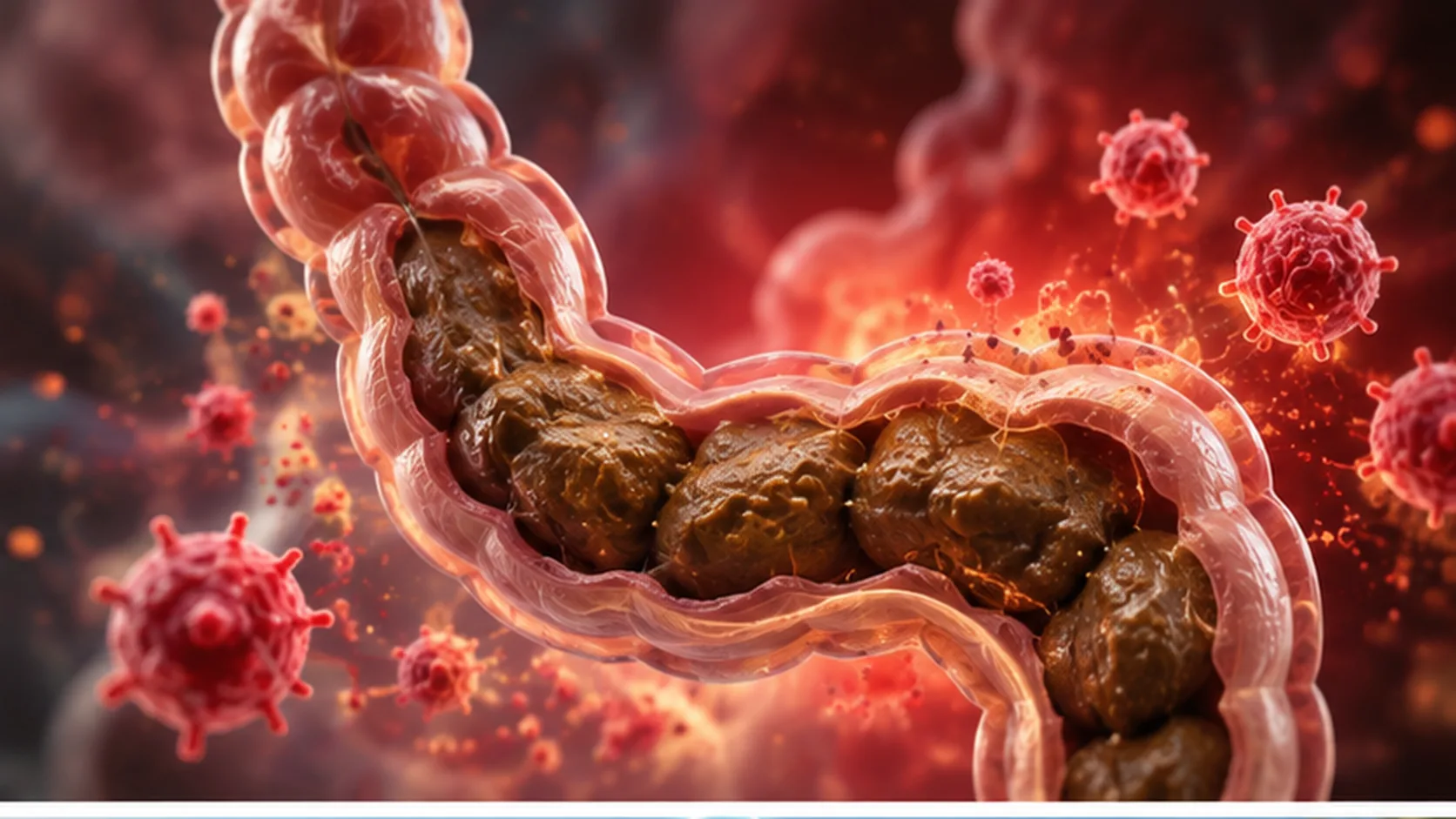
Chronic constipation can increase systemic inflammation. When stool remains in the colon for extended periods, it creates conditions that favour bacterial overgrowth and the accumulation of potentially harmful metabolites. These can compromise the gut barrier and trigger inflammatory signalling that extends beyond the digestive tract.
This is not merely a comfort issue. Prolonged, unmanaged constipation represents a clinical condition with measurable downstream effects on gut barrier function and immune activity. That said, it is important to distinguish chronic constipation as a clinical problem from occasional bowel irregularity, which is common and does not carry the same implications. For broader context on how the gut changes with age, see our article on how gut motility changes with age.
The gut is one of many organ systems that declines in function over time. For a full overview of how individual organs age, visit the organ-specific aging hub. Learn more in our complete guide to longevity at longevityinsights.co.uk/what-is-longevity/.
How Constipation Drives Inflammatory Processes
Bacterial Overgrowth and Gut Barrier Integrity
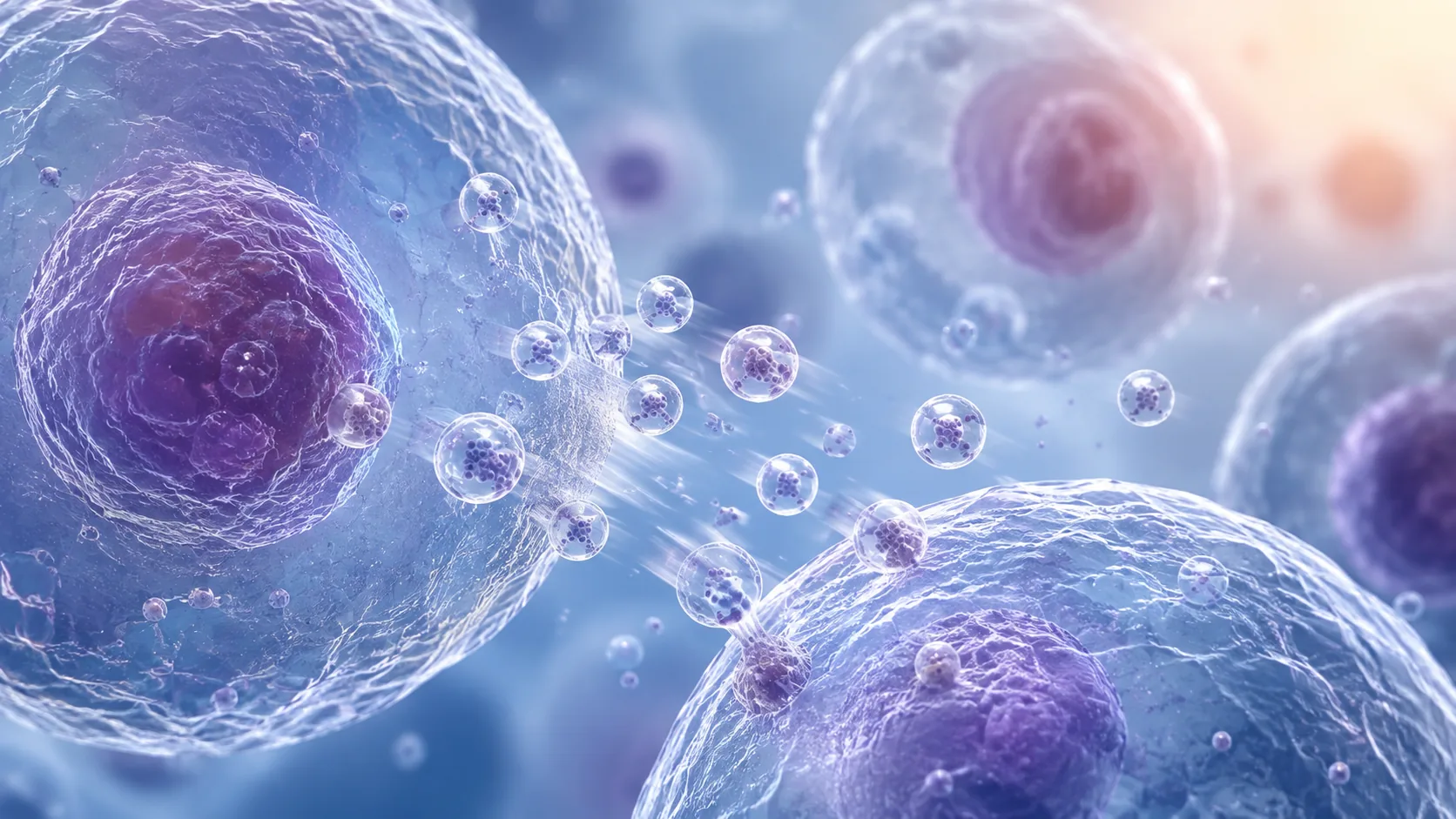
In chronic constipation, slowed transit time allows colonic bacteria to proliferate beyond their normal populations. As a result, fermentation of stagnant stool produces excess lipopolysaccharides (LPS) and other bacterial by-products. These compounds can cross a weakened gut epithelium — a phenomenon often described as increased intestinal permeability — and enter systemic circulation.
Once in the bloodstream, these molecules can activate immune cells and stimulate the release of pro-inflammatory cytokines such as interleukin-6 (IL-6) and tumour necrosis factor-alpha (TNF-α). This creates a state of low-grade, chronic inflammation that may affect tissues and systems well beyond the gut itself. Importantly, this mechanism is biologically plausible and supported by experimental data, though the clinical magnitude in individual cases varies.
The Gut Microbiome Connection
Gut microbiome composition is sensitive to transit time. In constipation, the microbiome tends to shift toward less favourable bacterial populations, with reduced diversity and lower levels of short-chain fatty acid (SCFA)-producing species. SCFAs — particularly butyrate — play a key role in maintaining gut barrier integrity and modulating mucosal immune responses.
A reduction in SCFA production therefore weakens the gut’s natural anti-inflammatory defences. Evidence suggests that restoring microbial balance through dietary fibre and, in some cases, probiotics can help support barrier function and reduce this inflammatory signalling. However, the relationship is bidirectional: existing inflammation in the gut can also impair motility, perpetuating the constipation itself.
What the Research Shows
Inflammatory Markers and Constipation
Research suggests an association between chronic constipation and elevated systemic inflammatory markers, including C-reactive protein (CRP) and certain cytokines. Studies in gastroenterology journals have observed that individuals with chronic functional constipation show measurable differences in gut permeability and immune activation compared to those with normal bowel function.
That said, the evidence base is not uniform. Much of the mechanistic data comes from animal models or small human studies. Larger, well-controlled human trials are still needed to fully establish the causal direction and clinical significance of this relationship. Current evidence supports the connection as real and clinically relevant, but it would be premature to characterise it as definitively proven at the population level.
Constipation, Aging, and Long-Term Health
In older adults, the relationship between constipation and inflammation may be more clinically significant. Gut motility naturally declines with age, and the gut microbiome becomes less diverse over time. These changes can compound one another — slower transit promotes dysbiosis, dysbiosis impairs barrier integrity, and a compromised barrier sustains inflammatory signalling. Over years, this low-grade inflammation may contribute to the broader picture of inflammaging, the chronic, subclinical inflammatory state associated with biological aging and age-related disease risk.
Chronic constipation in this context is not simply a quality-of-life issue. In older populations, it is a clinically actionable condition with potential systemic relevance.
Practical Strategies to Reduce Inflammation Linked to Constipation
Dietary Approaches
Increasing dietary fibre is the most evidence-supported first step. Both soluble fibre (found in oats, legumes, and fruit) and insoluble fibre (found in vegetables and wholegrains) contribute to improved transit time and support a more diverse microbiome. Soluble fibre in particular serves as a substrate for SCFA-producing bacteria, helping to reinforce gut barrier function.
In addition, an anti-inflammatory dietary pattern — emphasising vegetables, fruit, fatty fish, olive oil, and minimising processed foods and refined sugars — may help reduce the inflammatory burden independently of its effects on bowel habit. Adequate hydration is also essential, as dehydration directly contributes to harder stools and slower transit.
Exercise and Physical Activity
Regular physical activity stimulates gut motility through both mechanical and neurological mechanisms. Evidence indicates that even moderate exercise — such as brisk walking — can reduce transit time and support more consistent bowel function. Exercise also has direct anti-inflammatory effects, partly through modulation of immune cell activity and reduction of visceral adiposity, a key driver of systemic inflammation.
Probiotics and Gut Microbiome Support
Certain probiotic strains have been shown in clinical trials to improve stool frequency and consistency in chronic constipation. Some evidence also suggests that specific strains can modestly reduce markers of gut permeability and inflammation. However, the evidence remains heterogeneous — probiotic effects are strain-specific and results vary between individuals. Probiotics should be viewed as a useful adjunct to dietary and lifestyle change, not a standalone solution.
When to Seek Medical Advice
Chronic constipation that does not respond to lifestyle modification warrants medical evaluation. A clinician can assess whether an underlying cause — such as hypothyroidism, medication side effects, or structural bowel issues — is contributing, and recommend appropriate treatment. Self-managing persistent constipation without assessment is not advisable, particularly if symptoms are long-standing or accompanied by other signs such as blood in stool, unexplained weight loss, or significant abdominal pain.
References and Resources
Authoritative Sources
-
American Gastroenterological Association
gastro.orgClinical guidelines on digestive health, including the assessment and management of chronic constipation.
-
National Institutes of Health
nih.govResearch updates on gut microbiome health, inflammation, and digestive disorders.
-
PubMed Central
ncbi.nlm.nih.govPeer-reviewed literature on gut permeability, microbiome dysbiosis, and systemic inflammatory responses.
-
Medscape Gastroenterology
medscape.comClinical insights and current research on digestive disorders and inflammation management.
-
World Health Organization
who.intGlobal health guidance on chronic disease prevention and the role of gut health.
-
WebMD Digestive Disorders
webmd.comAccessible explanations of constipation, its causes, and its impact on broader health.
-
Healthline Gut Health Articles
healthline.comPractical guidance on diet, lifestyle, and gut health management.

-
Mayo Clinic: Constipation
mayoclinic.orgTrusted clinical resource covering causes, treatments, and the systemic health implications of chronic constipation.
Frequently Asked Questions
Does chronic constipation increase inflammation?
Yes. Chronic constipation can contribute to low-grade systemic inflammation. Prolonged stool retention promotes bacterial overgrowth and compromises gut barrier integrity, allowing inflammatory compounds to enter the bloodstream and trigger immune responses. Addressing constipation early helps limit this effect.
Can inflammation worsen constipation?
It can. Gut inflammation can impair the nerve signalling and smooth muscle function that drive normal bowel motility. This creates a reinforcing cycle in which constipation drives inflammation and inflammation further slows the gut. Anti-inflammatory dietary strategies and regular movement can help break this cycle.
What lifestyle changes can help reduce inflammation caused by constipation?
Increasing dietary fibre, maintaining adequate hydration, and engaging in regular physical activity are the most evidence-supported approaches. These changes promote consistent bowel movements, support a healthier microbiome, and reduce inflammatory signalling. A diet rich in vegetables, wholegrains, and anti-inflammatory foods is particularly beneficial.
Is it possible to reverse inflammation caused by chronic constipation?
Resolving chronic constipation through dietary and lifestyle changes can significantly reduce the associated inflammatory burden. Research suggests that improving gut transit, restoring microbial balance, and strengthening gut barrier function can lower inflammatory markers. However, results depend on the underlying cause and how long the condition has persisted. Medical evaluation is advisable for persistent cases.
Conclusion
Chronic constipation is more than a digestive inconvenience. Evidence indicates it can contribute to systemic low-grade inflammation through gut barrier disruption, microbiome imbalance, and the translocation of bacterial by-products into the bloodstream. In older adults, this effect may compound age-related changes in gut motility and immune function, potentially contributing to the broader pattern of inflammaging.
The practical implications are clear. Managing chronic constipation through adequate fibre intake, hydration, physical activity, and — where appropriate — medical treatment is a meaningful step toward reducing inflammatory load and supporting long-term gut health. These are accessible, evidence-supported interventions with benefits that extend well beyond bowel regularity.
Find out more information about chronic constipation and inflammation
Search for more resources and information: