How Should You Build an Autophagy Strategy for Longevity?
How Should You Build an Autophagy Strategy for Longevity?
TL;DR: Autophagy is the body’s cellular recycling process, helping clear damaged components and support cellular maintenance. A good longevity strategy should support autophagy through fasting, exercise, metabolic health, and nutrient timing, but not at the expense of muscle, recovery, protein intake, or overall resilience. The goal is balance, not extreme fasting or constant mTOR suppression.
An autophagy strategy for longevity should use fasting, exercise, nutrition, and recovery to support cellular maintenance without weakening the body. Autophagy matters because it helps cells break down and recycle damaged proteins, organelles, and waste products that may accumulate with aging.
However, autophagy is not a magic switch or a guaranteed shortcut to longer life. Human longevity depends on a broader system that includes muscle mass, metabolic health, cardiovascular fitness, sleep, inflammation control, nutrition, and disease prevention. Learn more in our complete guide to longevity.
The best approach is to use autophagy-supporting habits in a sustainable way: regular exercise, overnight fasting, occasional longer fasting where appropriate, nutrient-dense meals, adequate protein, and enough recovery to maintain strength and function.
What Autophagy Is
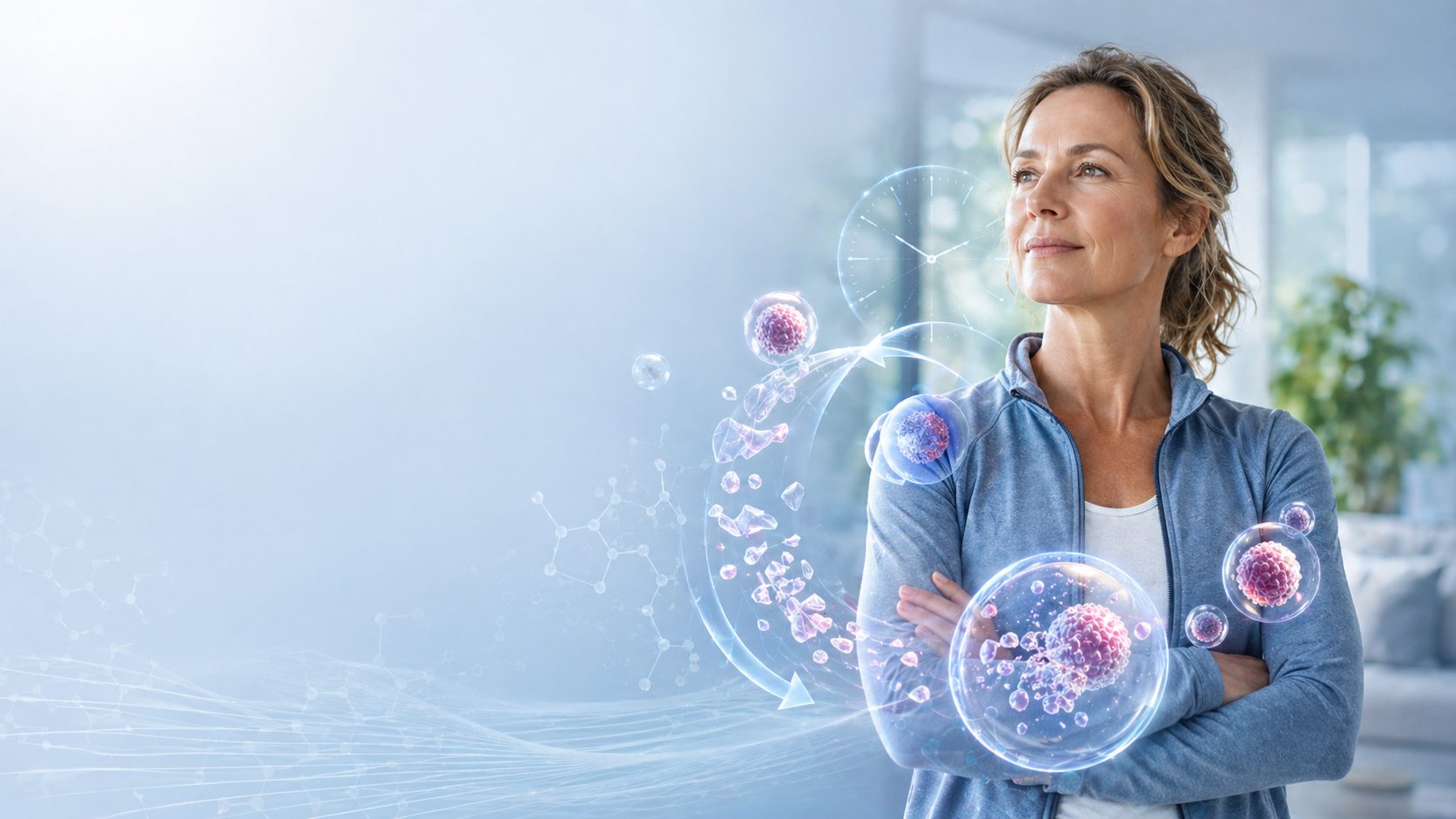
Autophagy means “self-eating,” but in biology it refers to cellular recycling. Cells use autophagy to remove damaged parts, recycle amino acids, respond to nutrient stress, and maintain cellular quality control.
This process is especially relevant to aging because cellular damage, impaired repair, mitochondrial dysfunction, inflammation, and metabolic stress are all connected to age-related decline.
Why Autophagy Matters for Healthy Aging
Autophagy and Cellular Maintenance
Autophagy helps the body maintain cleaner, more functional cells. It supports the removal of damaged proteins and organelles, including mitochondria, which are central to energy production and metabolic health.
Research suggests that autophagy is involved in many aging-related pathways, but most direct lifespan evidence comes from animal and cellular studies. Human evidence is still limited, especially for specific fasting schedules or supplement protocols.
Autophagy Is Not the Whole Longevity Strategy
Autophagy should be seen as one part of a larger longevity framework. A strategy that maximises fasting but causes muscle loss, poor sleep, low energy, impaired training, or nutrient deficiency is not a good longevity plan.
The aim is to create periods of cellular cleanup while still supporting muscle growth, immune function, hormone health, and recovery.
AMPK, mTOR, and the Repair-Growth Balance
Two important pathways often discussed with autophagy are AMPK and mTOR. AMPK is associated with low-energy states, metabolic stress, and cellular maintenance. mTOR is associated with growth, protein synthesis, and nutrient abundance.
For longevity, neither pathway should be “on” or “off” all the time. The body needs both cleanup and rebuilding. This is why a balanced strategy alternates between periods that support autophagy and periods that support protein intake, strength, and tissue repair.
The Main Drivers of Autophagy
Fasting and Nutrient Timing
Fasting is one of the most discussed ways to stimulate autophagy because nutrient scarcity encourages cells to recycle internal components. Overnight fasting, 16:8 time-restricted eating, and occasional longer fasts may all influence autophagy to different degrees.
The exact fasting duration needed to meaningfully activate autophagy in humans is not fully settled. It depends on factors such as calorie intake, glycogen stores, exercise, protein intake, body composition, and metabolic health.
For more detail, read about the optimal fasting duration for autophagy, whether 16:8 fasting activates autophagy, and whether a 24-hour fast activates autophagy.
Exercise and Energy Stress
Exercise can stimulate autophagy in several tissues because it creates energy demand, mechanical stress, and metabolic adaptation. Aerobic training, resistance training, and high-intensity exercise may all contribute, but they also serve different longevity goals.
A practical strategy should not use exercise only as an autophagy tool. Exercise also supports VO2 max, insulin sensitivity, muscle mass, balance, cardiovascular health, and healthy aging.
For a focused explanation, see whether exercise activates autophagy.
Protein Intake and mTOR Signalling
Protein and essential amino acids stimulate mTOR, which can temporarily reduce autophagy signalling. This is not automatically bad. mTOR is needed for muscle protein synthesis, tissue repair, immune function, and healthy adaptation to training.
The longevity challenge is not to avoid protein. It is to time nutrition intelligently so the body has periods of repair and rebuilding as well as periods of cellular cleanup.
For more nuance, see whether protein intake blocks autophagy and how to balance autophagy and muscle growth.
Supplements and Nutrient Compounds
Some compounds are discussed for their potential effects on autophagy, AMPK, or cellular stress pathways. These include spermidine, fisetin, resveratrol, berberine, and NAD+-related compounds.
These may be interesting, but they should not replace foundational habits. Human evidence varies, and many claims are stronger in cell or animal models than in long-term human outcome data.
Useful next reads include whether spermidine activates autophagy, whether fisetin activates autophagy, whether resveratrol activates AMPK, and whether berberine activates AMPK.
Drug-Based Longevity Interventions
Metformin and rapamycin are often discussed in longevity circles because they influence metabolic and nutrient-sensing pathways. Rapamycin inhibits mTOR, while metformin can influence AMPK-related pathways and glucose metabolism.
These are not casual wellness tools. They are medications with potential benefits, risks, side effects, and important unknowns in healthy humans. Any use should be medically supervised.
For more detail, see whether metformin is a longevity drug, whether rapamycin extends lifespan, and whether rapamycin is safe for humans.
How to Balance Autophagy, Muscle, and Recovery
Avoid Extreme Fasting as a Default Strategy
Long fasts may increase autophagy-related signalling, but they can also increase the risk of low energy, poor training performance, nutrient gaps, sleep disruption, and muscle loss if used too aggressively.
For most people, a safer starting point is a consistent overnight fasting window, good meal quality, regular exercise, and occasional longer fasting only when appropriate.
Protect Muscle Mass
Muscle is a major longevity asset. It supports glucose control, mobility, bone health, metabolic rate, independence, and resilience with age. Any autophagy strategy that sacrifices muscle is incomplete.
Resistance training and adequate protein intake are essential. Periods of fasting should be balanced with feeding periods that support muscle protein synthesis and recovery.
Use Exercise as a Dual-Purpose Tool
Exercise is one of the best ways to support both autophagy and broader longevity. It creates cellular stress that encourages adaptation while also improving cardiovascular fitness, insulin sensitivity, strength, mitochondrial function, and body composition.
A balanced weekly plan might include resistance training, moderate aerobic exercise, and some higher-intensity work depending on fitness level and recovery capacity.
Monitor the Right Signals
Autophagy is difficult to measure directly in everyday life. Ketones, glucose, HRV, body weight, energy, sleep, strength, and inflammatory markers may provide indirect clues, but none proves that autophagy is “working.”
Better practical markers include stable energy, healthy body composition, good sleep, maintained or improved strength, normal bloodwork, and a fasting routine that does not create stress or obsession.
Frequently Asked Questions
How quickly does autophagy start during fasting?
Autophagy is always happening at some level, but fasting may increase it as nutrient availability falls. The exact timing varies by person and is difficult to measure directly in humans.
Is autophagy the key to longevity?
Autophagy is important, but it is not the only key to longevity. Healthy aging also depends on muscle mass, cardiovascular fitness, metabolic health, sleep, nutrition, inflammation control, and disease prevention.
Can too much autophagy be harmful?
Excessive fasting, under-eating, or constant nutrient restriction can increase the risk of muscle loss, poor recovery, low energy, and nutrient deficiency. The goal is balanced cellular maintenance, not constant deprivation.
Does protein block autophagy?
Protein can reduce autophagy signalling temporarily by activating mTOR, but this is not automatically negative. Protein is essential for muscle, immune function, and recovery, especially with age.
Should healthy people build an autophagy strategy?
Healthy people may benefit from habits that naturally support autophagy, such as exercise, overnight fasting, and good metabolic health. Extreme fasting or drug-based strategies are not necessary for most people.
Should people on medication fast for autophagy?
Anyone taking medication, especially for diabetes, blood pressure, kidney disease, or heart disease, should seek medical guidance before fasting. Fasting can alter glucose, hydration, electrolytes, and medication effects.
References and Resources
The following resources provide useful background on autophagy, aging, fasting, exercise, nutrient sensing, and the cellular pathways involved in healthy aging.
Authoritative Sources on Autophagy and Longevity
-
Autophagy in Ageing and Disease
ncbi.nlm.nih.govA scientific review explaining how autophagy relates to aging, cellular maintenance, and age-related disease.
-
Nutrition and Autophagy
nutrition.org.ukDiscusses diet, nutrient timing, and fasting-related ideas connected to autophagy.
-
Exercise-Induced Autophagy
cell.comExplores how exercise can influence autophagy and cellular adaptation.
-
Autophagy and Aging: A New Perspective
aging-us.comProvides additional context on autophagy, cellular aging, and possible intervention pathways.
-
Nutritional Interventions for Autophagy
ncbi.nlm.nih.govReviews nutritional and dietary factors that may influence autophagy-related pathways.
-
Cellular Autophagy and Longevity
frontiersin.orgExplores cellular mechanisms behind autophagy and how they may relate to aging biology.
-
Autophagy and Aging: What You Need to Know
medicalnewstoday.comA plain-English overview of autophagy and common questions about fasting and aging.
-
Aging Research Organizations
agingresearch.orgProvides updates and educational resources related to aging research and longevity science.
Conclusion
An autophagy strategy for longevity should be built around balance. Autophagy supports cellular cleanup and maintenance, but healthy aging also requires muscle, strength, protein intake, metabolic health, sleep, and recovery.
The most practical foundation is regular exercise, a nutrient-dense diet, sensible meal timing, overnight fasting, and occasional deeper autophagy-promoting interventions only when appropriate. Supplements and drugs may influence related pathways, but they should be treated with caution and proper medical context.
The goal is not to maximise autophagy at all times. The goal is to create a sustainable rhythm of cellular maintenance and rebuilding that supports long-term healthspan.
Find out more information about “how to build an autophagy strategy for longevity”
Search for more resources and information:
- 🔍 Search “How Should You Build an Autophagy Strategy for Longevity” on Google
- 🔍 Search “How Should You Build an Autophagy Strategy for Longevity” on Yahoo
- 🔍 Search “How Should You Build an Autophagy Strategy for Longevity” on DuckDuckGo
- 📄 More about “how to build an autophagy strategy for longevity” on this site