
How Does Oxidative Stress Contribute to Aging?
Updated July 2026: In my recent research, I’ve been monitoring the latest breakthroughs in oxidative stress and aging, and 2024-2025 has brought some exciting developments. Notably, new studies have demonstrated that targeted antioxidant therapies, especially those focusing on mitochondria-specific antioxidants, are showing promising results in slowing age-related cellular damage. Additionally, cutting-edge research published this year highlights the role of gene editing technologies like CRISPR in upregulating natural antioxidant defenses, potentially offering a revolutionary approach to mitigating oxidative stress’s impact on aging. These advancements suggest that our understanding of oxidative stress as a key player in aging is evolving rapidly, opening doors for innovative interventions.
Understanding Oxidative Stress and Its Role in Aging
Oxidative stress is widely recognized as one of the biological processes that influences how the body ages. It occurs when the balance between free radicals and antioxidant defenses shifts in favor of the free radicals, allowing oxidative damage to accumulate within cells.
Free radicals are unstable molecules produced during normal metabolism. Under healthy conditions, the body neutralizes them using antioxidants. When this balance becomes disrupted, oxidative stress can damage important cellular components such as DNA, proteins, and lipids.
Over time, this damage contributes to the gradual decline in cellular function associated with aging. Many researchers believe oxidative stress plays a significant role in the development of age-related diseases and the deterioration of tissues throughout the body.
Understanding how oxidative stress affects aging provides valuable insight into strategies that may help protect long-term health and support healthy aging. Learn more in our complete guide to longevity.
The Biological Mechanisms Behind Oxidative Stress
How oxidative stress affects cellular function
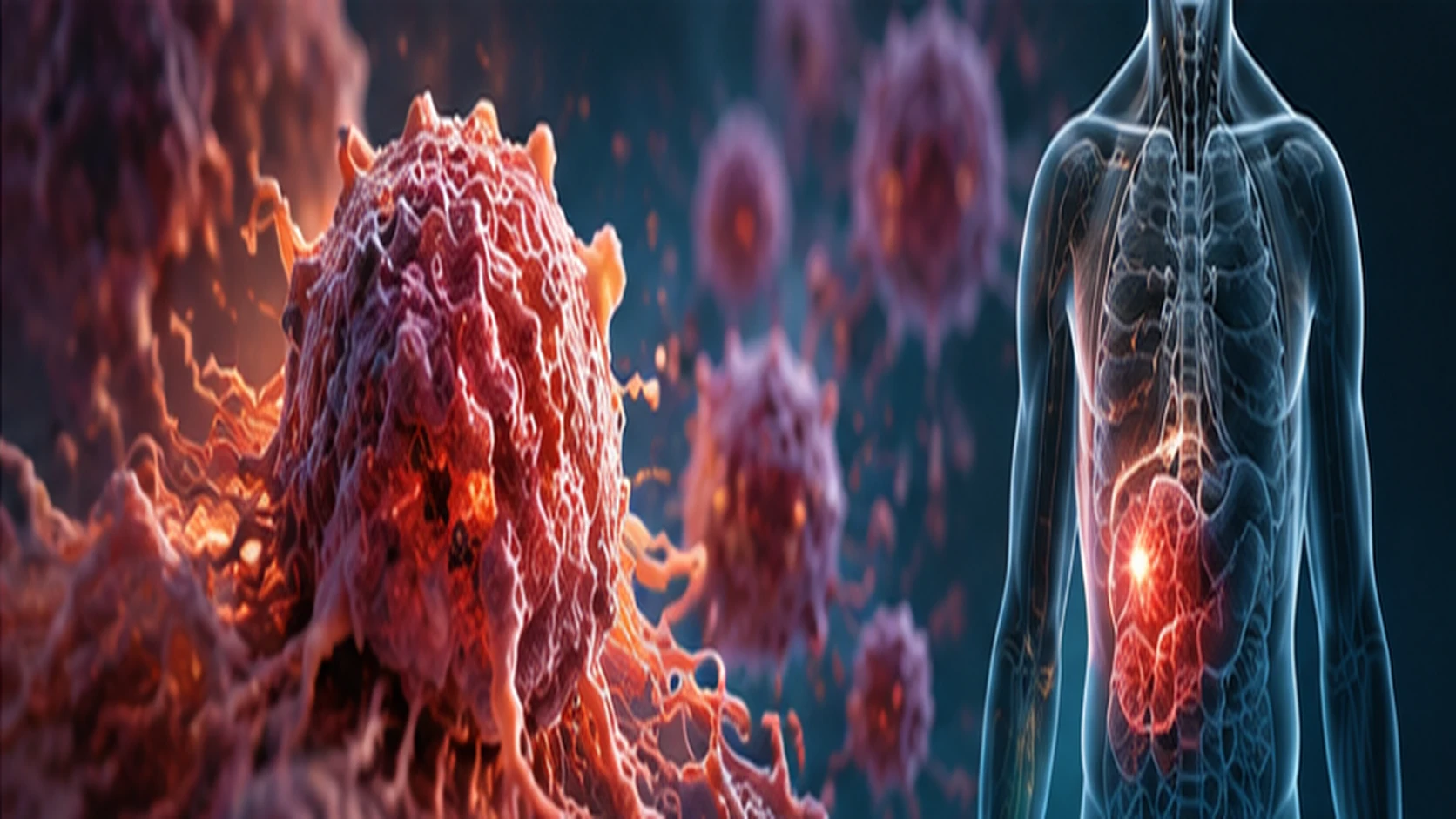
At the cellular level, oxidative stress interferes with critical biological processes. Free radicals react with molecules inside the cell, damaging DNA, disrupting proteins, and weakening cell membranes.
This damage can impair the ability of cells to repair themselves, regulate metabolism, and maintain structural stability. Over time, these disruptions contribute to reduced cellular efficiency and increased vulnerability to disease.
Although the body naturally produces free radicals during metabolic processes, environmental factors can significantly increase oxidative stress. These factors include:
- Air pollution and environmental toxins
- Smoking
- Poor dietary habits
- Chronic psychological stress
- Excessive exposure to ultraviolet radiation
When antioxidant defenses are unable to neutralize these reactive molecules, oxidative damage accumulates and accelerates cellular aging.
The role of free radicals in aging
Free radicals contribute to aging by altering cellular structures and interfering with essential biological functions. One of the most significant effects is the damage they cause to DNA.
DNA mutations can disrupt normal cellular processes and increase the risk of diseases associated with aging. Free radicals also weaken cell membranes and proteins, reducing the stability and resilience of tissues.
As oxidative damage accumulates over time, cells may enter a state known as cellular senescence, where they stop dividing and begin releasing inflammatory signals. This process contributes to tissue degeneration and is linked to many age-related conditions.
Long-term effects of oxidative damage
Chronic oxidative stress can have widespread effects throughout the body. Over time it contributes to the deterioration of tissues and organs and interferes with the body’s ability to regenerate damaged cells.
Research has linked oxidative stress to several age-related diseases, including:
- Cardiovascular disease
- Neurodegenerative disorders
- Metabolic conditions such as diabetes
- Certain types of cancer
Oxidative stress may also accelerate the shortening of telomeres, the protective caps on chromosomes that help maintain genomic stability. Shortened telomeres are strongly associated with cellular aging and reduced regenerative capacity.
How Oxidative Stress Contributes to the Aging Process
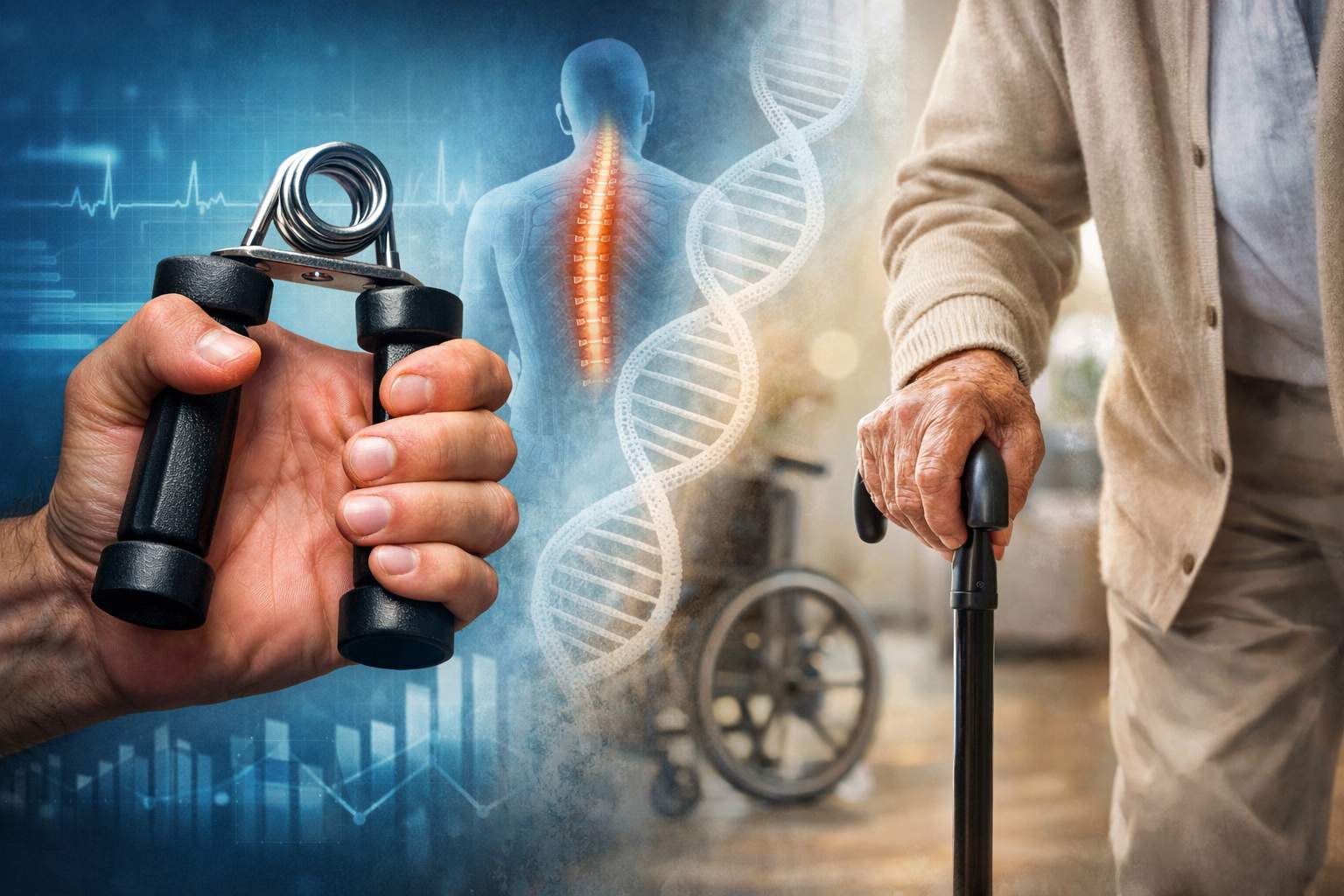
Many scientists believe oxidative stress is one of the key biological mechanisms behind aging. As oxidative damage accumulates in cells, tissues gradually lose their ability to function efficiently.
This decline manifests as common signs of aging such as:
- Loss of skin elasticity
- Reduced muscle strength
- Declining organ function
- Increased susceptibility to chronic disease
The body possesses natural antioxidant defenses that help limit oxidative damage. However, these systems can become less effective with age, allowing free radicals to cause greater harm.
For this reason, many longevity researchers focus on strategies that strengthen antioxidant defenses and reduce exposure to oxidative stressors.
Practical Strategies to Reduce Oxidative Stress
Diet and nutrition
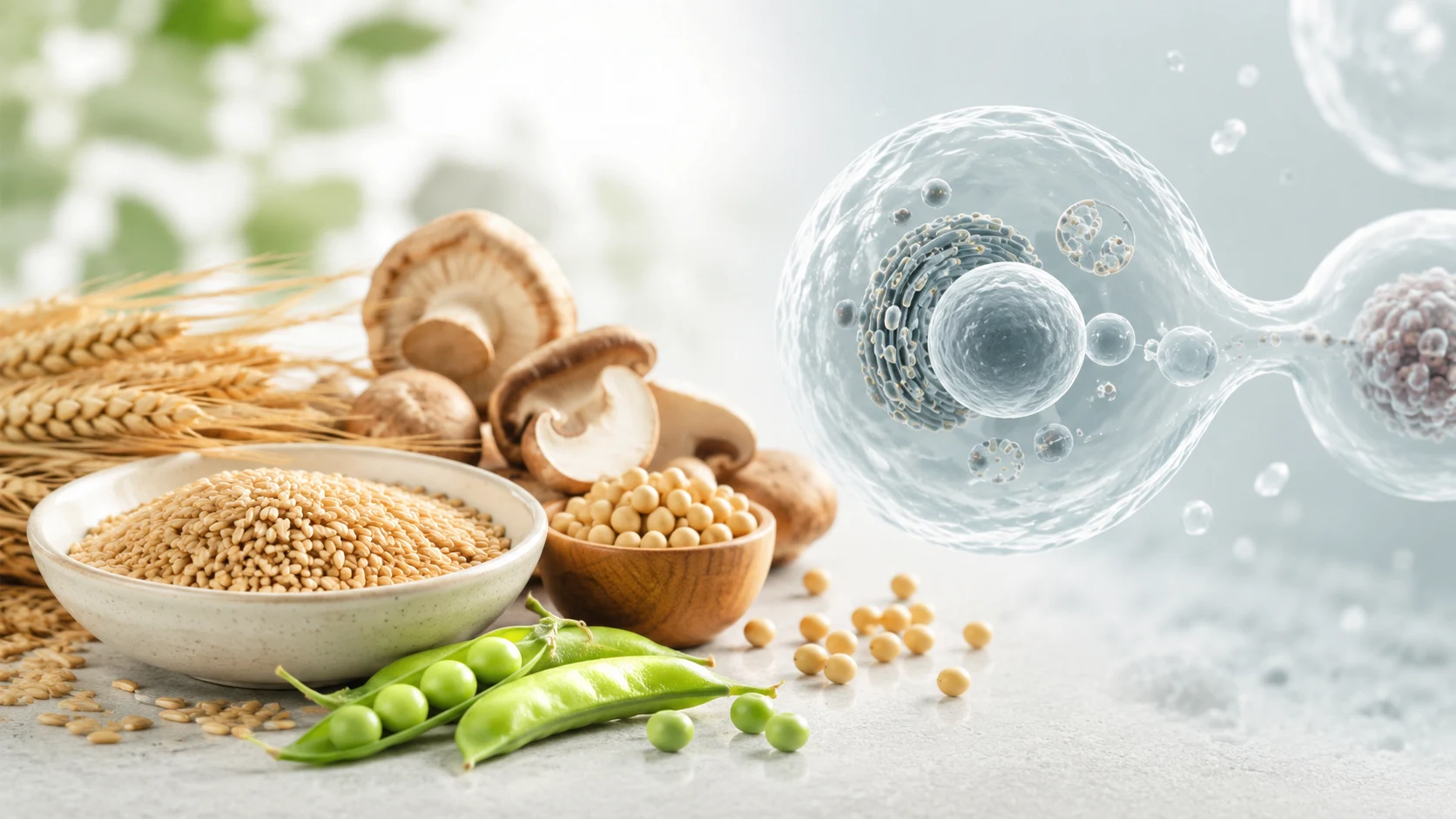
Diet plays an important role in regulating oxidative stress. Many whole foods contain natural antioxidants that help neutralize free radicals.
Foods particularly rich in antioxidants include:
- Berries
- Leafy green vegetables
- Nuts and seeds
- Fatty fish
- Colorful fruits and vegetables
At the same time, reducing processed foods, excess sugar, and trans fats can help minimize oxidative damage.
Lifestyle factors that influence oxidative balance
Several lifestyle habits can help reduce oxidative stress and support healthy aging:
- Regular physical activity
- Adequate sleep
- Stress management
- Avoiding tobacco exposure
- Limiting environmental toxin exposure
These habits support metabolic balance and improve the body’s ability to defend against oxidative damage.
Role of supplements and antioxidants
Some nutritional supplements are studied for their potential to support antioxidant defenses. These include compounds such as vitamin C, vitamin E, coenzyme Q10, and polyphenols found in plant foods.
Although supplements may provide additional support in certain cases, most experts emphasize that dietary patterns and lifestyle habits remain the foundation for managing oxidative stress.
References and Resources
The following resources provide scientific insights into oxidative stress and its role in aging.
Authoritative Sources on Oxidative Stress and Aging
-
Oxidative Stress and Aging: Theories and Evidence
ncbi.nlm.nih.govA comprehensive scientific review examining how oxidative damage contributes to aging.
-
Oxidative Stress and Cardiovascular Aging
ahajournals.orgResearch exploring the role of oxidative stress in cardiovascular health and aging.
-
Antioxidants and Aging: Scientific Evidence
nature.comA study examining how antioxidant interventions influence aging-related processes.
-
National Institutes of Health
nih.gov

Provides extensive research on oxidative stress, aging mechanisms, and healthspan strategies.
Conclusion
Oxidative stress is widely regarded as a key contributor to the biological aging process. When free radicals overwhelm the body’s antioxidant defenses, cellular damage accumulates and tissues gradually lose their ability to function efficiently.
Although oxidative stress cannot be eliminated entirely, lifestyle choices such as balanced nutrition, physical activity, adequate sleep, and stress management can help support the body’s natural defenses.
Understanding oxidative stress provides valuable insight into how aging occurs and highlights practical strategies that may help promote long-term health and resilience.
Find out more information about “oxidative stress and aging”