Does Gut Health Affect Sleep?
Understanding the Connection Between Gut Health and Sleep
Gut health affects sleep more than many people realize. The digestive system and the brain are closely connected through the gut-brain axis, a communication network involving the nervous system, hormones, immune signals, and the gut microbiome. Because of this connection, digestive health can influence how easily you fall asleep, how often you wake during the night, and how restorative your sleep feels overall.
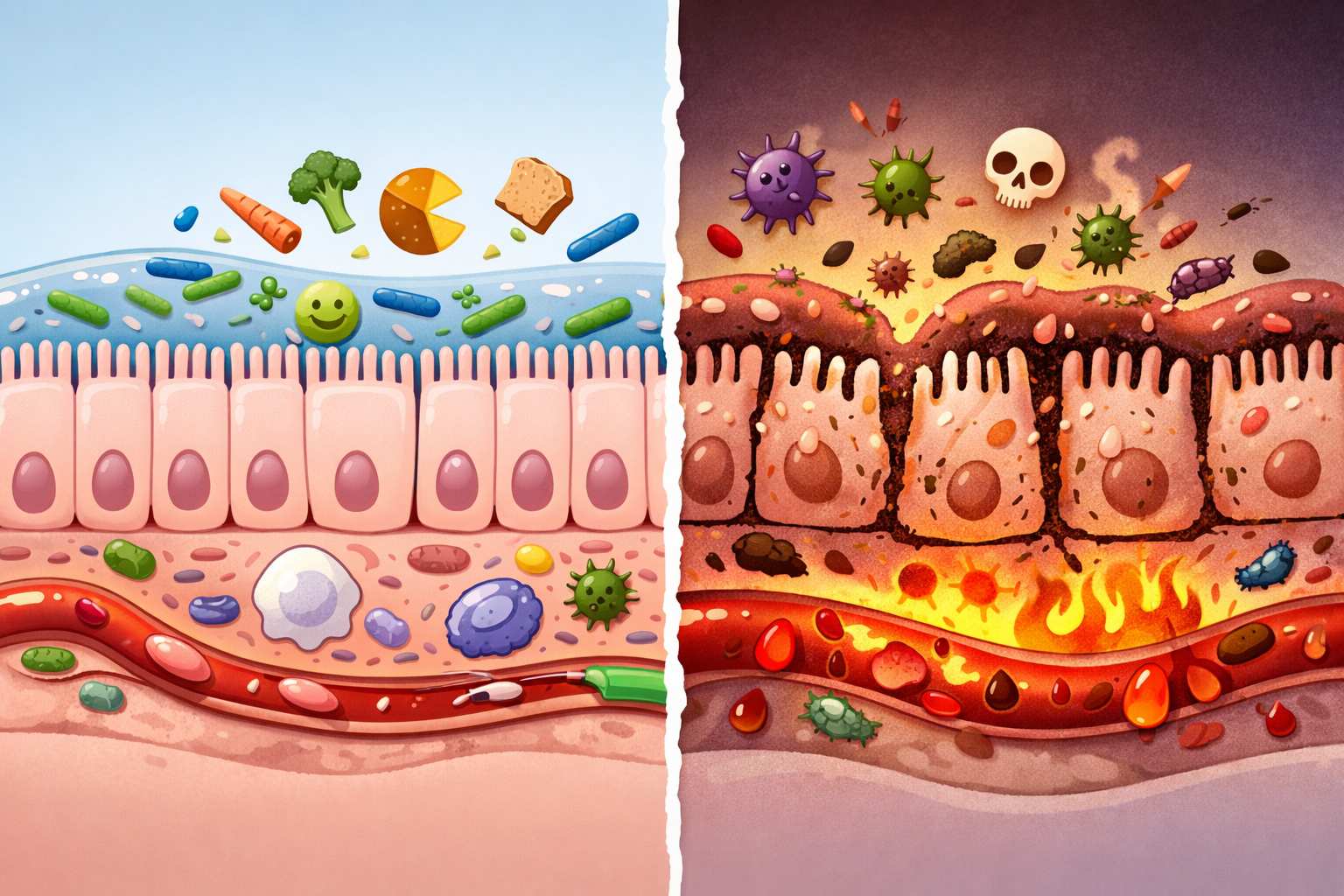
An unhealthy gut can contribute to bloating, discomfort, inflammation, and stress-related signaling that interferes with rest. A healthier gut environment, by contrast, may support more stable mood, better neurotransmitter balance, and lower systemic inflammation, all of which are relevant to sleep quality. This is why gut health is increasingly discussed not only in relation to digestion, but also in relation to metabolism, inflammation, biomarkers, and healthy aging. Learn more in our complete guide to longevity.
This relationship is especially important in longevity science because poor sleep and poor gut health can reinforce each other. Over time, that cycle may affect energy, recovery, cognitive function, metabolic health, and healthspan. Understanding how gut health affects sleep is therefore useful not just for better nights, but for broader long-term wellbeing.
How Gut Health Affect Sleep: The Science Behind the Link
What is the gut-brain axis and what does it do for sleep?
The gut-brain axis is the bidirectional signaling system that links the gastrointestinal tract with the brain. This connection helps explain why digestive issues can affect mood, stress levels, and sleep patterns. The gut microbiome plays a central role in this process because gut bacteria help influence immune function, inflammation, and the production of compounds involved in relaxation and sleep regulation.
Certain gut microbes are linked to the production or regulation of serotonin, GABA, and other neuroactive compounds. These chemicals influence calmness, stress resilience, and circadian biology. When the gut microbiome is diverse and balanced, it may support healthier signaling between the gut and the brain. When it becomes disrupted by poor diet, stress, illness, or medication use, sleep may become less stable.
This is one reason gut health should be considered part of sleep hygiene. Sleep is not shaped only by light exposure, stress, and bedtime habits. It is also influenced by the internal biological environment created by digestion, inflammation, and the microbiome.
Inflammation, gut microbiome balance, and sleep disruption
Chronic low-grade inflammation is one of the main ways poor gut health may interfere with sleep. An imbalanced microbiome can contribute to intestinal irritation, higher immune activation, and increased inflammatory signaling. These effects may disrupt sleep quality directly or make it harder for the body to regulate melatonin, stress hormones, and nighttime recovery.
Inflammation also matters because it is closely linked to healthspan and broader aging processes. Poor sleep can increase inflammation, and poor gut health can do the same, creating a cycle that may be difficult to break. Supporting the gut may help lower this inflammatory burden, which can improve not only sleep, but also broader metabolic and recovery-related processes.
This makes gut health relevant to more than digestion alone. It is part of the wider physiological picture that shapes rest, resilience, and healthy aging.
How do gut imbalances affect sleep patterns?
Gut imbalances such as dysbiosis may affect sleep patterns in several ways. Digestive symptoms like gas, bloating, reflux, abdominal discomfort, or irregular bowel movements can interrupt sleep directly by causing nighttime waking or difficulty relaxing before bed. At the same time, microbial imbalance may alter gut-brain communication in a way that affects mood, stress response, and circadian rhythms.
There is also evidence that the microbiome may interact with the body’s internal clock. When gut health is compromised, sleep timing and sleep depth may become less consistent. This helps explain why better digestion and better sleep often improve together rather than separately.
For people who struggle with restless sleep, digestive discomfort, or poor recovery, gut health may be an overlooked part of the problem.
Practical Ways to Improve Gut Health to Enhance Sleep Quality
Dietary changes that support gut health and sleep
One of the most practical ways to support both gut health and sleep is through diet. A higher intake of fiber-rich foods such as vegetables, legumes, fruit, nuts, seeds, and whole grains helps nourish beneficial gut bacteria. Fermented foods such as yogurt, kefir, kimchi, sauerkraut, and other cultured foods may also support a healthier microbiome.
Reducing ultra-processed foods, excessive sugar, and foods that consistently trigger digestive discomfort may also help. These eating patterns can contribute to dysbiosis, inflammation, and gut symptoms that make sleep worse. In contrast, a more varied, nutrient-dense diet often supports both microbial diversity and better overnight recovery.
Because the gut microbiome responds to daily habits, consistency matters more than perfection. Small, repeated dietary improvements often have a stronger effect on sleep quality than short-term extremes.
Supplements and lifestyle habits for better gut and sleep health
Some people may benefit from probiotics or prebiotics, especially when digestive symptoms or recent antibiotic use have affected the microbiome. Results vary between individuals, so supplements are best viewed as supportive tools rather than universal solutions. For many people, sleep and gut health improve most reliably when supplements are combined with better diet and lifestyle habits.
Stress management is especially important because chronic stress can disrupt the gut microbiome and make sleep more difficult at the same time. Regular exercise, relaxation practices, and good sleep timing can all support the gut-brain axis. Adequate sleep itself also helps preserve gut health, which means the relationship is truly two-way.
A practical strategy is to improve the basics first: better food quality, fewer inflammatory triggers, more consistent meal timing, lower evening stress, and a regular sleep routine. These habits support both digestion and restorative sleep.
What Better Gut Health Can Mean for Long-Term Sleep and Healthy Aging
Why the gut-sleep connection matters beyond nightly rest
Better gut health may contribute to better sleep quality, but the implications go beyond simply sleeping more soundly. Sleep influences inflammation, metabolism, cognitive performance, hormone balance, and recovery. Gut health affects many of the same systems. When both improve together, the result may be better daily energy, greater resilience, and a more favorable environment for healthy aging.
This is why the gut-sleep relationship is relevant to longevity science. Chronic inflammation, poor sleep, metabolic dysfunction, and microbiome imbalance are all associated with reduced healthspan. Improving gut health may help support better sleep, and better sleep may in turn support gut integrity, immune balance, and overall wellbeing.
In that sense, the goal is not just digestive comfort. It is building a healthier internal environment that supports long-term function across multiple systems.
What tends to work best over time
The most effective approach is usually holistic rather than narrow. Better sleep rarely comes from one food or one supplement alone. It tends to improve when the microbiome is supported through diet, when inflammation is reduced, when stress is better managed, and when sleep habits are consistent.
That means a gut-friendly approach to sleep may include more fiber, more fermented foods, fewer processed foods, lower alcohol intake, better stress regulation, regular exercise, and a more stable bedtime routine. These actions work together, and their benefits often accumulate gradually.
For many people, the connection becomes clear over time: when digestion improves, sleep often improves with it. When sleep improves, gut function often becomes more stable as well. That feedback loop can be a powerful asset for healthier aging.
References and Resources
These resources provide useful background on the gut-brain axis, microbiome balance, inflammation, sleep regulation, and healthy aging:
Authoritative Sources on Gut Health Affect Sleep
-
NIH: Gut Microbiome Linked to Sleep
nih.govExplains how the gut microbiome may influence sleep patterns, brain signaling, and broader health.
-
Gut Microbiota and Sleep: A Review
ncbi.nlm.nih.govA scientific review of how gut bacteria may affect sleep regulation, circadian rhythms, and inflammation.
Frequently Asked Questions
Does gut health really affect sleep?
Yes. Gut health can affect sleep through the gut-brain axis, inflammation, neurotransmitter-related signaling, and digestive comfort. Poor gut health may contribute to restless or less restorative sleep.
Can improving gut health help with insomnia?
It may help, especially when digestive symptoms, inflammation, or stress-related gut issues are contributing to poor sleep. It is not a guaranteed solution for every case of insomnia, but it can be an important factor.
What are the best ways to support gut health for better sleep?
A diet rich in fiber and minimally processed foods, fermented foods, lower chronic stress, regular exercise, and good sleep habits all support the gut-sleep connection.
Is there scientific evidence that gut health affects sleep?
Yes. Research on the gut microbiome, inflammation, and the gut-brain axis suggests that gut health may influence sleep quality, circadian biology, and nighttime recovery.
Conclusion
Gut health affects sleep through multiple pathways, including the gut-brain axis, inflammation, digestive comfort, and microbiome-related signaling. This makes gut health an important and often overlooked part of sleep quality.
Supporting the gut through better diet, lifestyle habits, and inflammation control may improve sleep while also benefiting broader areas of health such as metabolism, recovery, mood, and healthy aging. When the gut and sleep are both supported, the result is often better resilience and a stronger foundation for long-term wellbeing.

Find out more information about “Gut Health Affect Sleep”
Search for more resources and information: