Does Learning New Skills Increase Brain Lifespan?
Introduction
TL;DR: Yes, learning new skills appears to support brain health and may help extend the brain’s functional lifespan by strengthening neuroplasticity, building cognitive reserve, and keeping the brain engaged as it ages. It is not a guarantee against dementia, but research suggests regular learning can help maintain memory, attention, and mental flexibility over time.
Yes, learning new skills appears to support brain health and may help extend the brain’s functional lifespan. Research suggests that mentally challenging activities can strengthen neuroplasticity, improve cognitive reserve, and help preserve memory, attention, and problem-solving ability as people age. While learning alone does not prevent all forms of cognitive decline, it is one of the most practical ways to support long-term brain resilience.
This matters because the brain changes throughout life. Aging can reduce processing speed, memory efficiency, and mental flexibility, but the brain also remains adaptable. When people continue learning, especially through challenging and meaningful skills, they give the brain a reason to build and maintain neural pathways rather than allowing them to weaken through underuse.
That is why lifelong learning is often discussed as part of healthy aging, alongside exercise, sleep, nutrition, and metabolic health. Learn more in our complete guide to longevity.
Understanding the Connection Between Learning New Skills and Brain Health
How Learning New Skills Affects Brain Structure
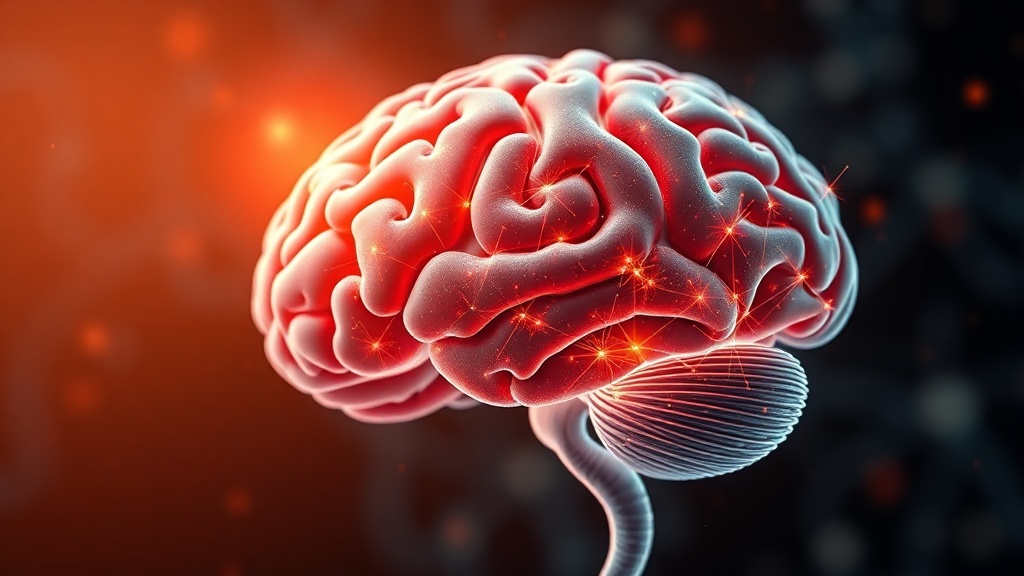
Learning new skills can change the brain both functionally and structurally. Research suggests that when people practice unfamiliar tasks, the brain strengthens existing neural connections and forms new ones. This process, known as neuroplasticity, helps the brain adapt to new challenges and maintain flexibility over time.
The effect is often stronger when the skill is genuinely new and requires attention, effort, and repetition. Activities such as learning a language, playing an instrument, coding, drawing, or mastering a complex sport may engage multiple brain systems at once. That combination may help support stronger and more durable neural networks.
This is one reason mentally demanding skill learning is often seen as protective. It keeps the brain active in a way that goes beyond passive entertainment and may help preserve function as the brain ages.
The Role of Cognitive Reserve in Brain Aging
Cognitive reserve refers to the brain’s ability to cope with aging or pathology while maintaining function. People with higher cognitive reserve may be better able to tolerate age-related brain changes before symptoms become noticeable.
Learning new skills may help build this reserve by forcing the brain to stay engaged, flexible, and efficient. Research suggests that mentally stimulating activities do not simply fill time. They may strengthen the brain’s capacity to adapt when stress, injury, or aging begins to affect normal processing.
That does not mean skill learning can fully prevent dementia or brain disease. It means it may help the brain stay functional for longer, which is a meaningful benefit for healthspan and independence.
Scientific Evidence Supporting How Learning New Skills May Extend Brain Health
Research Studies on Neuroplasticity and Aging
Research suggests that the aging brain remains capable of change when it is challenged with novel and effortful learning. Studies in older adults have shown that sustained engagement in new skills can improve aspects of memory, attention, and processing, while also supporting healthier patterns of brain activity and connectivity.
Some research has also found that more demanding learning experiences appear more useful than simple repetition or low-effort mental activity. In other words, the brain seems to benefit most when learning requires adaptation rather than passive familiarity.
This helps explain why lifelong learning is often recommended as part of healthy brain aging. It gives the brain a reason to keep adapting instead of settling into lower demand and lower flexibility.
The Impact of Lifelong Learning on Cognitive Decline
Evidence indicates that people who stay mentally active across life may show slower cognitive decline and later expression of age-related impairment. Learning new skills may contribute to this effect by combining attention, memory, coordination, problem-solving, and persistence.
The benefit is likely cumulative. Small but regular mental challenges may help preserve mental agility over years, especially when combined with other protective habits such as exercise, social engagement, and good sleep.
This is why lifelong learning is best viewed as a long-term investment rather than a short-term hack. The goal is not instant brain enhancement but stronger resilience over time.
Practical Ways to Use Skill Learning to Support Brain Health in Daily Life
Incorporating New Skills into Your Routine
One of the best ways to use learning to support brain health is to make it a regular habit. That does not mean taking on something extreme. It means choosing a skill that is new enough to be mentally demanding and practicing it consistently over time.
Useful examples include learning a language, taking music lessons, practicing drawing, building digital skills, learning to cook unfamiliar meals, or developing a new sport or movement practice. The best choice is often the one that feels challenging and interesting enough to sustain attention.
Consistency matters more than intensity. Twenty to thirty focused minutes several times a week may be more useful than rare bursts of effort followed by long gaps.
Using Technology to Enhance Learning and Brain Health
Technology can make skill learning much easier to sustain. Online courses, language apps, music tutorials, creative software, and structured educational platforms allow people to learn in smaller, more manageable sessions.
That said, the most useful digital tools are usually those that support real skill development rather than shallow stimulation. Repeating easy brain games may feel productive, but learning something meaningful and transferable may offer broader cognitive benefits.
The most effective approach is to use technology as a tool for genuine learning, not as a substitute for challenge.
Additional Insights on Skill Learning, Aging, and Cognitive Reserve
Why Skill Learning Works Best With Other Healthy Habits
Learning new skills supports brain health most effectively when it is part of a broader healthy lifestyle. Exercise, sleep, stress management, nutrition, and metabolic health all influence how well the brain can adapt and recover.
For example, exercise supports blood flow, brain-derived neurotrophic factor, and healthier aging more broadly. Research suggests aerobic exercise may also support mitochondrial biogenesis and pathways such as AMPK and PGC-1α, which are relevant to energy metabolism and brain resilience. Better sleep helps memory consolidation, which makes learning itself more effective.
This means skill learning is powerful, but it works best when the brain is also supported biologically.
What Makes a Skill Especially Good for the Brain?
The most brain-supportive skills usually have a few qualities in common: they are novel, they require effort, they involve progression, and they are meaningful enough to sustain regular practice. Skills that combine mental challenge with coordination or social interaction may be especially useful because they engage multiple systems at once.
Examples include dancing, playing music, martial arts, learning a language in conversation, or mastering a technical craft. These activities challenge memory, timing, attention, and adaptation at the same time.
The key is not to find the perfect skill. It is to keep learning in a way that stays engaging and difficult enough to promote adaptation.
References and Resources
These resources provide useful background on neuroplasticity, cognitive reserve, skill learning, and how mentally challenging activities may support long-term brain health.
Authoritative Sources on Learning New Skills and Brain Lifespan
-
Learning Brain Helps Keep Older Adults Sharp
nih.govDiscusses how engaging in challenging learning activities may support cognitive performance in older adults.
-
Mayo Clinic on Brain Health and Learning
mayoclinic.orgProvides insights into healthy brain aging and the role of mentally stimulating habits.
-
Psychology Today on Preventing Dementia
psychologytoday.comA general-audience discussion of how continued learning and mental stimulation may support cognitive reserve.
-
Science Daily on Brain Plasticity
sciencedaily.comSummarizes studies indicating how learning new skills may support plasticity in older adults.
-
New England Journal of Medicine on Cognitive Reserve
nejm.orgProvides scientific context on cognitive reserve and its relationship to aging and cognitive resilience.
-
TED Talk by Daniel Kahneman
ted.comExplores how mental experience and attention shape memory and cognition over time.
-
American Psychological Association on Brain Health
apa.orgOffers practical guidance on behaviors that support long-term brain health, including mental activity.

-
Nature Scientific Reports on Brain Aging
nature.comPresents research on how mental stimulation and active engagement relate to brain aging processes.
Frequently Asked Questions
Frequently Asked Questions
Does learning new skills increase brain lifespan?
It appears to help. Learning new skills may support brain lifespan by strengthening neuroplasticity, building cognitive reserve, and helping maintain mental flexibility with age.
How does learning new skills affect brain aging?
Learning new skills challenges the brain to adapt, which may help preserve neural connections and delay some aspects of age-related cognitive decline. The effect is likely strongest when learning is sustained and meaningfully challenging.
Can learning new skills prevent cognitive decline?
It may help reduce or delay decline, but it does not guarantee prevention. Skill learning is best viewed as one important protective habit within a broader brain-health strategy.
What are some practical ways to increase brain lifespan through learning?
Useful options include learning a language, playing an instrument, taking structured courses, developing digital skills, practicing art, or learning a new sport. The best approach is to choose something challenging enough to require real attention and progress.
Conclusion
Learning new skills appears to support long-term brain health by promoting neuroplasticity, strengthening cognitive reserve, and helping the brain stay adaptable as it ages. It is one of the more practical and accessible ways to invest in mental resilience over time.
The strongest approach is to keep learning consistently while also supporting sleep, exercise, metabolic health, and stress management. Together, these habits create the best environment for a sharper, healthier brain over the long term.
Find out more information about “Learning New Skills Increase Brain Lifespan”
Search for more resources and information: