Is Organ-specific Aging Reversible?
Understanding Organ-Specific Aging Reversible
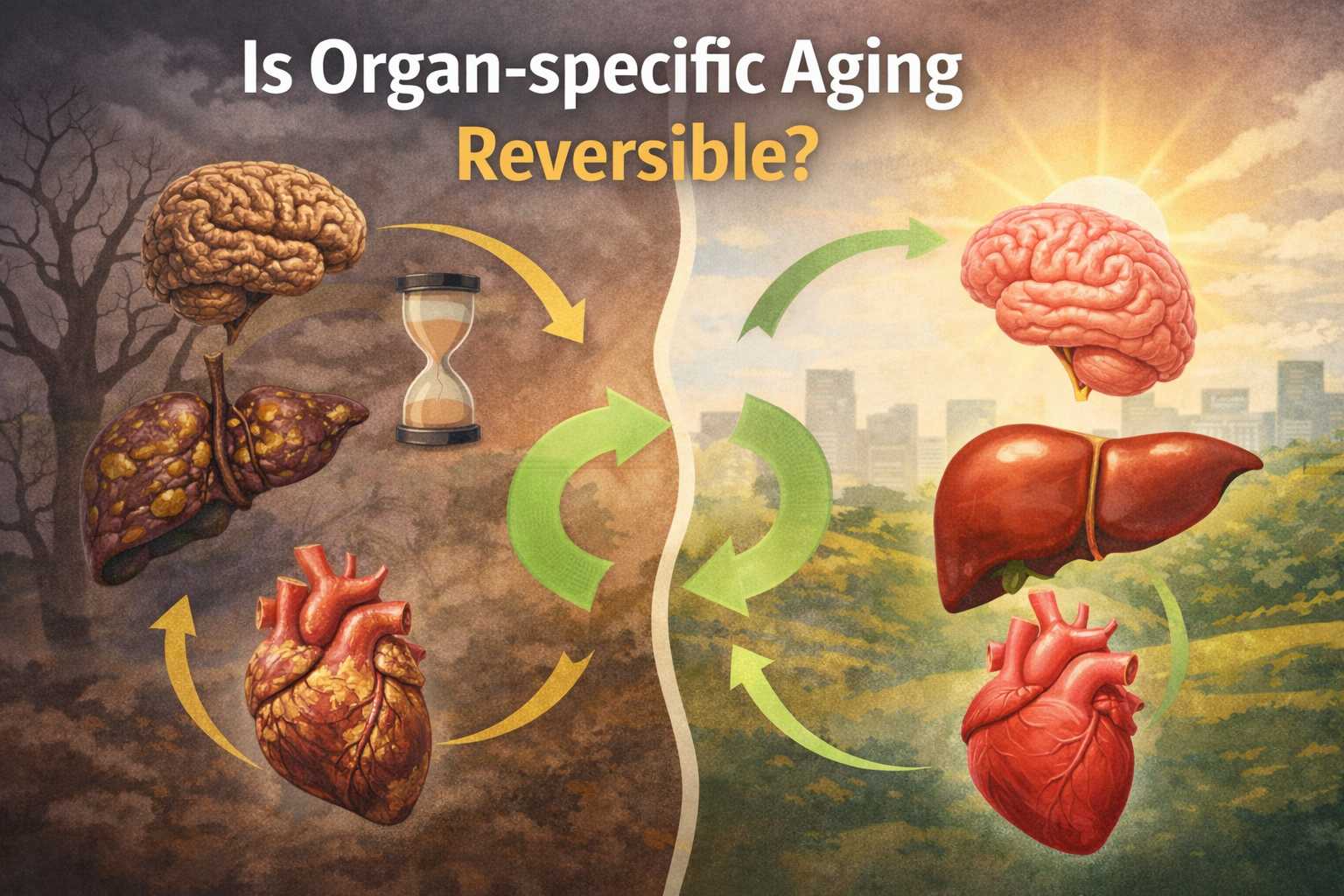
Organ-specific aging is partly reversible in some cases, but not in a simple or universal way. Certain organs can recover function, regenerate tissue, or show measurable improvement when damaging factors are removed, while other age-related changes are harder to reverse fully. The answer depends on the organ, the type of damage, and how advanced the aging process is.
TL;DR: Some aspects of organ aging may be slowed, improved, or partly reversed, especially when damage is caught early and the organ still has regenerative capacity. Full reversal is not currently realistic for every organ, but lifestyle changes and emerging therapies may meaningfully improve function.
Aging does not affect every organ in the same way. The liver, skin, muscle, and some blood and immune tissues often show greater regenerative potential than organs such as the brain or heart, where damaged cells may be harder to replace. Learn more in our complete guide to longevity.
That is why organ-specific aging should be viewed as a spectrum. In some cases, biological age can be improved at the organ level through better metabolism, lower inflammation, improved blood flow, and tissue repair. In other cases, treatment may slow further decline rather than truly reverse structural aging.
Scientific Perspectives on Reversibility of Organ Aging
Research increasingly suggests that some features of organ aging are modifiable. Scientists are studying cellular senescence, stem cell function, mitochondrial dysfunction, fibrosis, chronic inflammation, and epigenetic changes to understand which aspects of aging can be improved and which may be harder to reverse.
Some organs already provide clear examples of partial recovery. The liver can regenerate after injury in many circumstances. Skin can improve in structure and function when damage from ultraviolet exposure, smoking, and poor nutrition is reduced. Muscle and metabolic tissues can respond strongly to exercise and better protein intake even in older adults.
Other organs are more difficult. The heart can improve in performance, but lost cardiac muscle is not easily replaced. The brain can show functional improvement through neuroplasticity and better vascular health, but widespread structural loss is harder to reverse. Kidneys may recover from some types of injury, but chronic fibrosis is more challenging.
Can Lifestyle Interventions Promote Organ Rejuvenation?
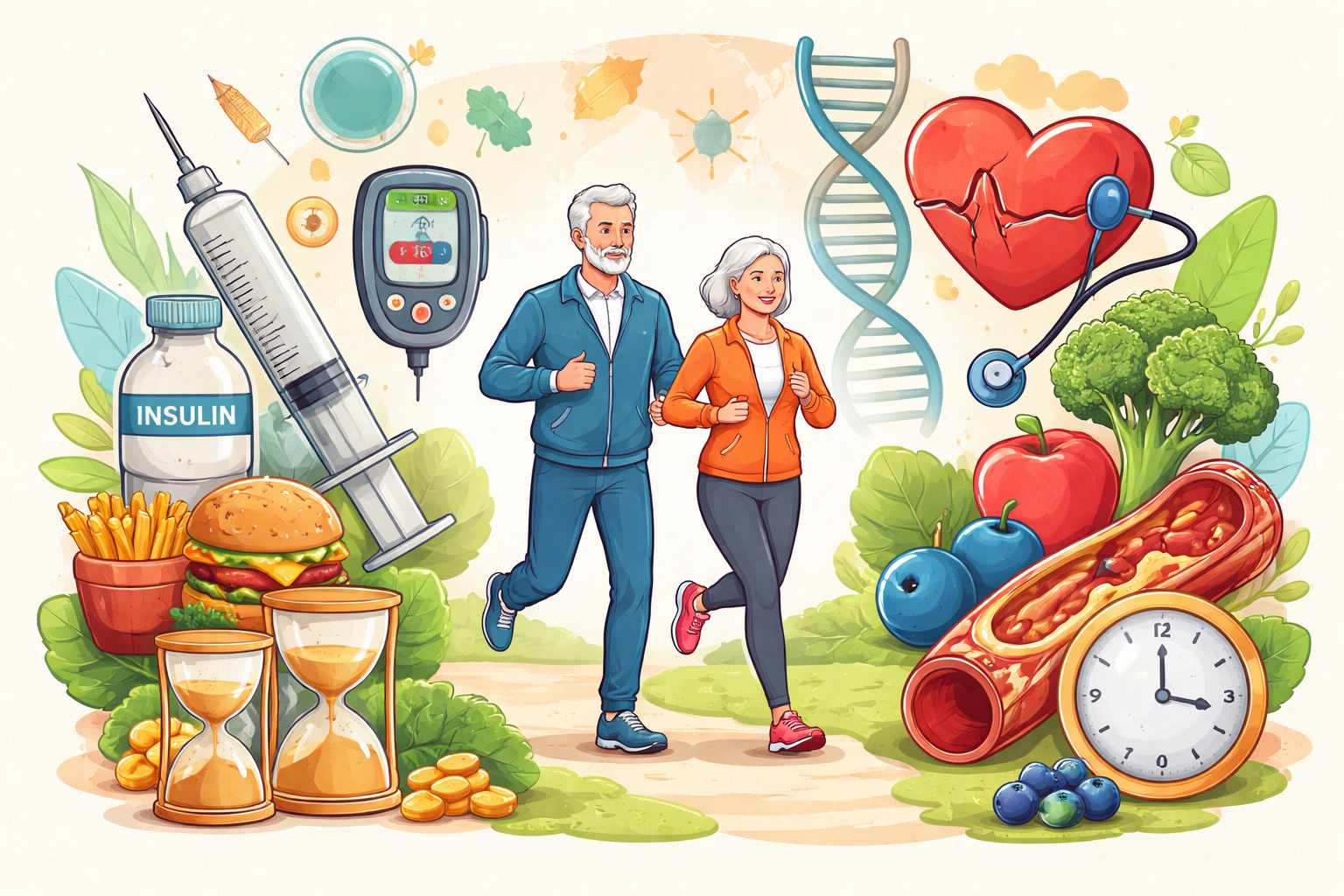
In many cases, yes. Lifestyle interventions are among the most realistic ways to improve organ function and slow organ-specific aging. Exercise supports cardiovascular health, mitochondrial biogenesis, insulin sensitivity, and muscle preservation. Nutrition affects inflammation, metabolism, liver fat, vascular health, and tissue repair.
Sleep, stress management, and avoiding smoking or excess alcohol also matter because they influence systemic inflammation, hormonal balance, recovery, and long-term organ stress. Research suggests that these factors may not completely reverse every structural sign of aging, but they can meaningfully improve how organs function.
Interventions such as calorie control, better protein intake, time-restricted eating, and regular aerobic and resistance exercise may improve biomarkers linked with organ health. These include blood pressure, insulin sensitivity, liver enzymes, kidney markers, endurance, and body composition.
Practical Approaches That May Improve Organ Health
The most practical approach to organ-specific aging is usually to reduce the causes of ongoing damage while supporting repair. That means improving metabolic health, reducing excess body fat, preserving muscle, supporting circulation, and managing chronic disease early.
For example, fatty liver can often improve with weight loss and exercise. Vascular aging may be slowed by controlling blood pressure, blood sugar, and inflammation. Skin aging may improve through sun protection, smoking avoidance, and better nutrition. Bone and muscle aging often respond to resistance training and adequate protein.
These are not cosmetic changes alone. They can improve organ function, resilience, and healthspan. In that sense, partial organ rejuvenation is already possible in everyday practice, even without advanced therapies.
However, there are limits. If an organ has extensive fibrosis, cell loss, scarring, or advanced disease, improvement may be incomplete. This is why early intervention matters so much.
Current Research and Future Possibilities
Current research is exploring several strategies that may eventually make organ-specific aging more reversible. These include stem cell therapies, senolytics, regenerative medicine, gene editing, tissue engineering, partial cellular reprogramming, and targeted anti-fibrotic treatments.
Senolytics are being studied because senescent cells can accumulate with age and contribute to inflammation and tissue dysfunction. Stem cell approaches aim to support repair or replace damaged cells. Reprogramming technologies are being explored because they may eventually help reset some aspects of cellular aging.
These areas are promising, but most remain experimental or limited to early-stage clinical use. Evidence indicates that safety, durability, and organ-specific targeting are still major challenges. That means the field is exciting, but it is not yet accurate to say that most organ aging can be broadly reversed in routine medical practice.
The more realistic current view is this: some organs and tissues can already improve significantly, many age-related processes appear modifiable, and future therapies may extend that potential. Full organ rejuvenation remains an active research goal rather than an established clinical reality.
References and Resources
These sources provide useful background on regenerative medicine, organ aging, and research into rejuvenation strategies.
Authoritative Sources on Organ-Specific Aging Reversible
-
National Institutes of Health (NIH)
nih.govProvides research updates on aging biology, regenerative medicine, and organ repair.
-
Nature Aging Journal
nature.comPublishes peer-reviewed research on aging mechanisms, rejuvenation biology, and translational therapies.
-
Science Daily – Aging Research
sciencedaily.comOffers accessible summaries of new studies on organ repair and anti-aging interventions.
-
The Gerontological Society of America
gerontologicalsociety.orgProvides resources on aging processes, healthy longevity, and the science of age-related decline.
-
Cell Stem Cell Journal
cell.comCovers stem cell biology, tissue repair, and regenerative strategies relevant to organ aging.
-
Nature Medicine – Rejuvenation Studies
nature.comHighlights emerging research into therapies that aim to improve tissue function and aspects of biological aging.
-
Aging-US
aging-us.comOffers open-access research articles on aging biology, senescence, and intervention strategies.

-
FDA – Regenerative Medicine
fda.govProvides regulatory information about regenerative medicine products and emerging therapies.
-
American Medical Association
ama-assn.orgCovers medical innovation, ethics, and the clinical implications of new treatment strategies.
FAQ: Common Questions About Organ-Specific Aging Reversible
Frequently Asked Questions
Is organ-specific aging reversible?
Partly, in some cases. Certain organs can recover function or show measurable improvement when damage is reduced and repair mechanisms are supported. Full reversal is not currently possible for every organ or every form of age-related damage.
What organs are most likely to improve through current therapies?
Organs and tissues with stronger regenerative potential, such as the liver, skin, muscle, and some blood and immune tissues, currently offer the clearest examples of improvement. Organs such as the brain, heart, and kidneys can often improve function, but structural reversal is generally more limited.
Can lifestyle changes really make a difference in organ aging?
Yes. Exercise, good nutrition, sleep, stress control, and avoidance of smoking or excess alcohol can all improve organ function and reduce biological stress. These changes may not fully reverse aging, but they can meaningfully slow decline and sometimes improve organ performance.
Are there any risks associated with attempting to reverse organ aging?
Yes, especially with experimental therapies. Stem cell treatments, gene-based interventions, and other regenerative approaches may carry safety risks if they are not properly tested or regulated. Caution and qualified medical oversight are essential.
Conclusion
Organ-specific aging appears to be partly reversible in some situations, but the degree of reversibility depends on the organ, the damage involved, and the intervention used. Some tissues can regenerate or recover function surprisingly well, while others are much harder to restore once structural damage is advanced.
The most evidence-based approach today is to focus on prevention and early intervention: improve metabolism, reduce inflammation, preserve muscle, support circulation, and manage disease before damage becomes severe. Regenerative medicine and anti-aging therapies may expand what is possible in the future, but meaningful improvements in organ health are already achievable through consistent lifestyle and medical care.
Find out more information about “Organ-Specific Aging Reversible”
Search for more resources and information: